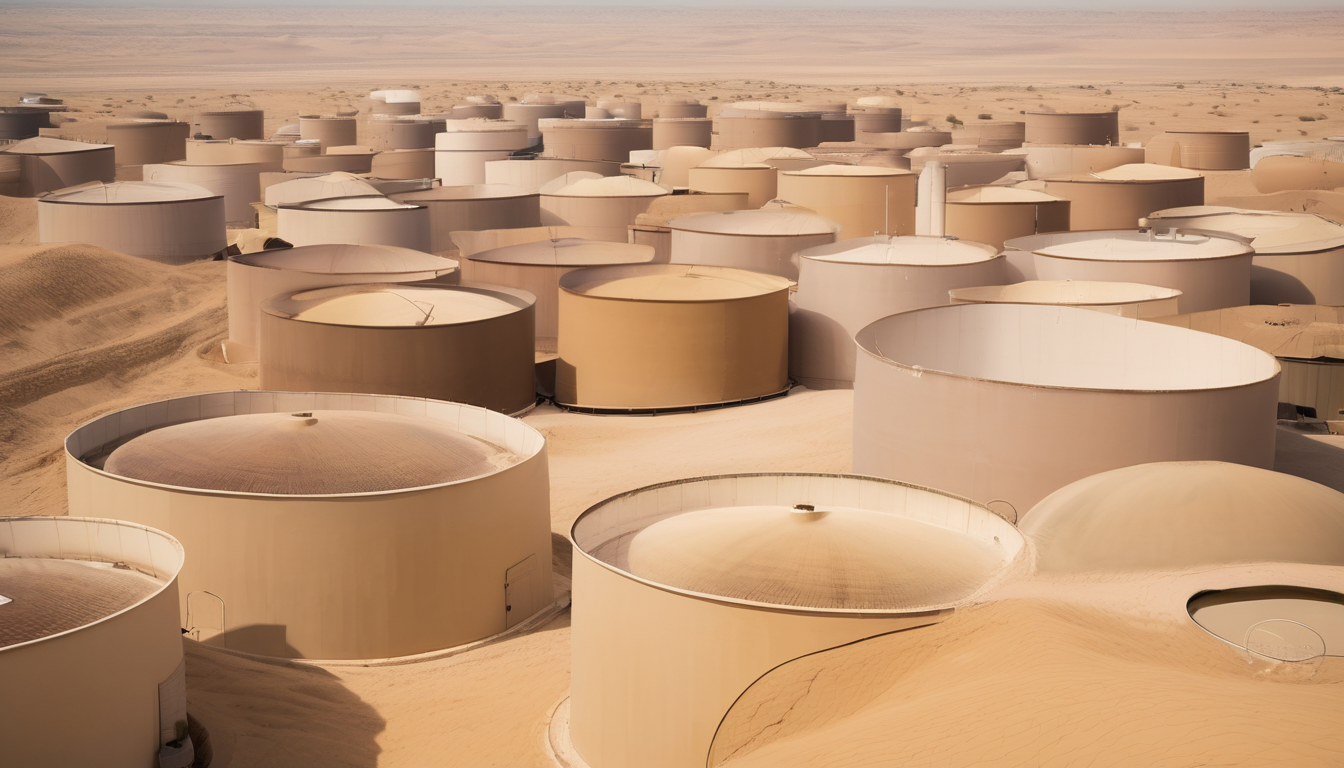




Water Tank Cleaning Frequency for Hard Water Areas in Dubai demands specialised consideration due to the region’s unique water composition and environmental conditions. The UAE’s naturally hard water, characterised by high mineral content including calcium and magnesium carbonate, accelerates scale formation within storage tanks. This mineral accumulation creates an environment where sediment traps contaminants, reduces tank capacity, and compromises water quality more rapidly than in soft water regions. Understanding Water Tank Cleaning Frequency for Hard Water Areas becomes essential for maintaining potable water standards and preventing infrastructure damage.
Dubai Municipality guidelines provide baseline recommendations for water tank maintenance, but these standards must be adjusted when addressing Water Tank Cleaning Frequency for Hard Water Areas. The combination of high temperatures, frequent sandstorms, and mineral-rich water creates conditions where biofilm formation and scale accumulation occur at accelerated rates. Property owners managing Water Tank Cleaning Frequency for Hard Water Areas must consider both the visible scale buildup and the invisible microbial risks that develop within mineral deposits.
Water Tank Cleaning Frequency for Hard Water Areas – Understanding Hard Water Impact on Tank Hygiene
Water Tank Cleaning Frequency for Hard Water Areas must account for the dual challenges of mineral scale and biological contamination. Hard water contains dissolved calcium and magnesium compounds that precipitate out when heated or stagnant, forming crystalline deposits that adhere to tank surfaces and plumbing systems. These mineral deposits create microscopic crevices where bacteria, including Legionella species, can establish protected colonies resistant to standard disinfection methods.
The relationship between Water Tank Cleaning Frequency for Hard Water Areas and microbial risk becomes particularly significant in Dubai’s climate. Scale accumulation provides organic material that supports bacterial growth while simultaneously shielding pathogens from chlorine residual. Studies of Water Tank Cleaning Frequency for Hard Water Areas demonstrate that scale thickness exceeding 1mm can reduce disinfectant effectiveness by up to 60%, necessitating more aggressive cleaning protocols and shorter maintenance intervals.
Scale Formation Mechanisms
Water Tank Cleaning Frequency for Hard Water Areas must address the chemical processes driving scale formation. Calcium carbonate precipitation occurs through temperature-dependent equilibrium shifts, with deposition rates accelerating dramatically above 30°C. Dubai’s ambient temperatures frequently exceed this threshold, meaning Water Tank Cleaning Frequency for Hard Water Areas must compensate for nearly continuous scale formation throughout much of the year.
Water Tank Cleaning Frequency for Hard Water Areas – Recommended Cleaning Frequency for Dubai Properties
Water Tank Cleaning Frequency for Hard Water Areas follows a tiered approach based on water usage patterns, tank material, and water source characteristics. For most residential properties in Dubai, Water Tank Cleaning Frequency for Hard Water Areas should occur quarterly rather than the bi-annual schedule recommended for soft water regions. This accelerated Water Tank Cleaning Frequency for Hard Water Areas addresses the rapid scale accumulation that occurs in our mineral-rich water supply.
Commercial establishments and buildings with central storage systems require even more frequent attention to Water Tank Cleaning Frequency for Hard Water Areas. Restaurants, hotels, and healthcare facilities should implement monthly inspection cycles and professional cleaning every three months. This rigorous Water Tank Cleaning Frequency for Hard Water Areas ensures compliance with Dubai Municipality food safety and public health regulations while preventing scale-related equipment failures.
Water Tank Cleaning Frequency for Hard Water Areas – Factors Influencing Cleaning Schedule Adjustments
Water Tank Cleaning Frequency for Hard Water Areas must be customised based on several observable factors. Tank material significantly influences Water Tank Cleaning Frequency for Hard Water Areas – concrete tanks absorb minerals and require more frequent cleaning than glass-reinforced plastic or stainless steel installations. Water source also affects Water Tank Cleaning Frequency for Hard Water Areas, with desalinated water showing different scaling characteristics than groundwater sources.
Water temperature plays a crucial role in determining appropriate Water Tank Cleaning Frequency for Hard Water Areas. Roof-mounted tanks exposed to direct sunlight experience accelerated scale formation and may require more frequent cleaning than underground installations. During summer months, Water Tank Cleaning Frequency for Hard Water Areas should be increased to address the combined effects of higher ambient temperatures and increased water consumption.
Professional Descaling Techniques for Hard Water
Water Tank Cleaning Frequency for Hard Water Areas incorporates specialised descaling methods that go beyond standard cleaning protocols. Mechanical descaling using non-metallic scrapers removes established scale without damaging tank linings, while high-pressure rinsing dislodges mineral deposits from corners and seams. Chemical descalers approved by Dubai Municipality help dissolve tenacious calcium deposits during Water Tank Cleaning Frequency for Hard Water Areas maintenance cycles.
Effective Water Tank Cleaning Frequency for Hard Water Areas programs include pipeline flushing to remove scale that has migrated from storage tanks into distribution systems. This comprehensive approach to Water Tank Cleaning Frequency for Hard Water Areas ensures that cleaned tanks don’t immediately become recontaminated from scaled plumbing networks. Professional Water Tank Cleaning Frequency for Hard Water Areas services document scale thickness measurements to track accumulation rates and optimize future scheduling.
Monitoring Scale Buildup Between Cleanings
Water Tank Cleaning Frequency for Hard Water Areas benefits from regular monitoring to determine optimal service intervals. Visual inspection through tank access points allows assessment of scale accumulation on walls and baffles. Water quality testing between scheduled Water Tank Cleaning Frequency for Hard Water Areas maintenance provides data on increasing mineral content and decreasing disinfectant residual.
Advanced monitoring for Water Tank Cleaning Frequency for Hard Water Areas includes ultrasonic thickness testing to measure scale accumulation without tank entry. This non-invasive approach to Water Tank Cleaning Frequency for Hard Water Areas assessment helps property managers schedule cleanings based on actual need rather than fixed calendars. Implementing such monitoring systems optimizes Water Tank Cleaning Frequency for Hard Water Areas while ensuring water safety throughout the maintenance cycle.
Regulatory Compliance and Documentation
Water Tank Cleaning Frequency for Hard Water Areas must align with Dubai Municipality’s guidelines for potable water storage maintenance. The Dubai Municipality Code of Practice requires documented Water Tank Cleaning Frequency for Hard Water Areas programs for all commercial properties and multi-unit residences. Compliance includes maintaining records of each cleaning service, water test results, and any corrective actions taken.
Professional Water Tank Cleaning Frequency for Hard Water Areas services provide documentation that demonstrates regulatory compliance during municipal inspections. This documentation includes before-and-after photographs, scale thickness measurements, and water quality analysis reports. Properly documented Water Tank Cleaning Frequency for Hard Water Areas programs help property managers avoid violations while ensuring occupant health protection.
Cost Considerations for Frequent Maintenance
Water Tank Cleaning Frequency for Hard Water Areas represents an investment in infrastructure preservation and health protection. While more frequent cleaning increases maintenance costs, it reduces long-term expenses associated with pipe replacement, pump repairs, and water heater failures. The economic analysis of Water Tank Cleaning Frequency for Hard Water Areas must consider both direct service costs and avoided capital expenditures.
Property-specific variables affecting Water Tank Cleaning Frequency for Hard Water Areas pricing include tank accessibility, scale severity, and water testing requirements. Underground concrete tanks typically require more intensive descaling efforts during Water Tank Cleaning Frequency for Hard Water Areas maintenance, influencing service complexity and duration. Professional assessment determines the optimal Water Tank Cleaning Frequency for Hard Water Areas balance between cost and protection for each unique situation.
Expert Tips for Hard Water Tank Maintenance
Implementing effective Water Tank Cleaning Frequency for Hard Water Areas requires both professional service and ongoing vigilance. Install sediment filters on tank inlets to reduce mineral particle introduction between cleanings. Monitor water pressure changes that might indicate scale accumulation in pipes following Water Tank Cleaning Frequency for Hard Water Areas service.
Consider water softening systems for entire properties to reduce the mineral load entering storage tanks. Document each Water Tank Cleaning Frequency for Hard Water Areas service with photographs and measurements to track scale accumulation rates. Train maintenance staff to recognize early signs of scale-related problems between professional Water Tank Cleaning Frequency for Hard Water Areas appointments.
Frequently Asked Questions
How often should water tanks be cleaned in Dubai’s hard water areas?
Water Tank Cleaning Frequency for Hard Water Areas in Dubai typically requires quarterly maintenance for residential properties and monthly inspections with quarterly professional cleaning for commercial establishments. This accelerated schedule addresses the rapid scale formation characteristic of the region’s mineral-rich water supply.
What are the signs that my water tank needs descaling?
Visible scale buildup on fixtures, reduced water pressure, cloudy water appearance, and increased water heating costs indicate need for Water Tank Cleaning Frequency for Hard Water Areas maintenance. Professional assessment can confirm scale thickness and recommend appropriate cleaning interventions.
Does tank material affect cleaning frequency for hard water?
Concrete tanks require more frequent Water Tank Cleaning Frequency for Hard Water Areas maintenance than GRP or stainless steel tanks due to their porous surface that absorbs minerals. Material compatibility with descaling chemicals also influences Water Tank Cleaning Frequency for Hard Water Areas protocols.
Can water softeners reduce cleaning frequency?
Whole-building water softening systems can extend intervals between Water Tank Cleaning Frequency for Hard Water Areas appointments by reducing mineral content before water enters storage tanks. However, regular inspection and maintenance remain essential for ensuring water safety.
Is professional cleaning necessary for hard water scale removal?
Professional Water Tank Cleaning Frequency for Hard Water Areas services utilize specialized equipment and Dubai Municipality-approved chemicals that safely remove scale without damaging tank surfaces. DIY methods often prove ineffective against hardened calcium deposits and may void tank warranties.
Water Tank Cleaning Frequency for Hard Water Areas represents a critical component of property maintenance in Dubai’s challenging water conditions. The combination of high mineral content, elevated temperatures, and storage requirements creates an environment where scale accumulation occurs rapidly and compromises water quality. Implementing appropriate Water Tank Cleaning Frequency for Hard Water Areas protocols protects both health and infrastructure while ensuring compliance with local regulations. Professional assessment remains the foundation for determining optimal Water Tank Cleaning Frequency for Hard Water Areas specific to each property’s characteristics and usage patterns.