



Underground vs Overhead Water Tank Installation represents one of the most fundamental decisions Dubai property owners face when planning water storage systems. The choice extends beyond simple placement—it affects maintenance accessibility, water temperature regulation, and long-term property value. In Dubai’s unique climate, where summer temperatures regularly exceed 40°C and dust accumulation challenges outdoor equipment, this decision carries particular weight for water quality preservation.
Both installation methods serve the essential function of storing potable water, but their operational characteristics differ significantly. Underground tanks remain hidden from view and protected from direct sunlight, while overhead tanks utilize gravity for natural water pressure. The optimal choice depends on your property’s layout, maintenance capabilities, and water usage patterns. This relates directly to Underground vs Overhead Water Tank Installation.
Underground vs Overhead Water Tank Installation – Understanding Underground Water Tank Installation
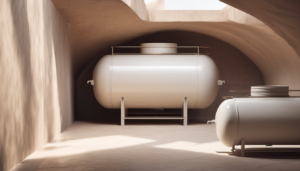
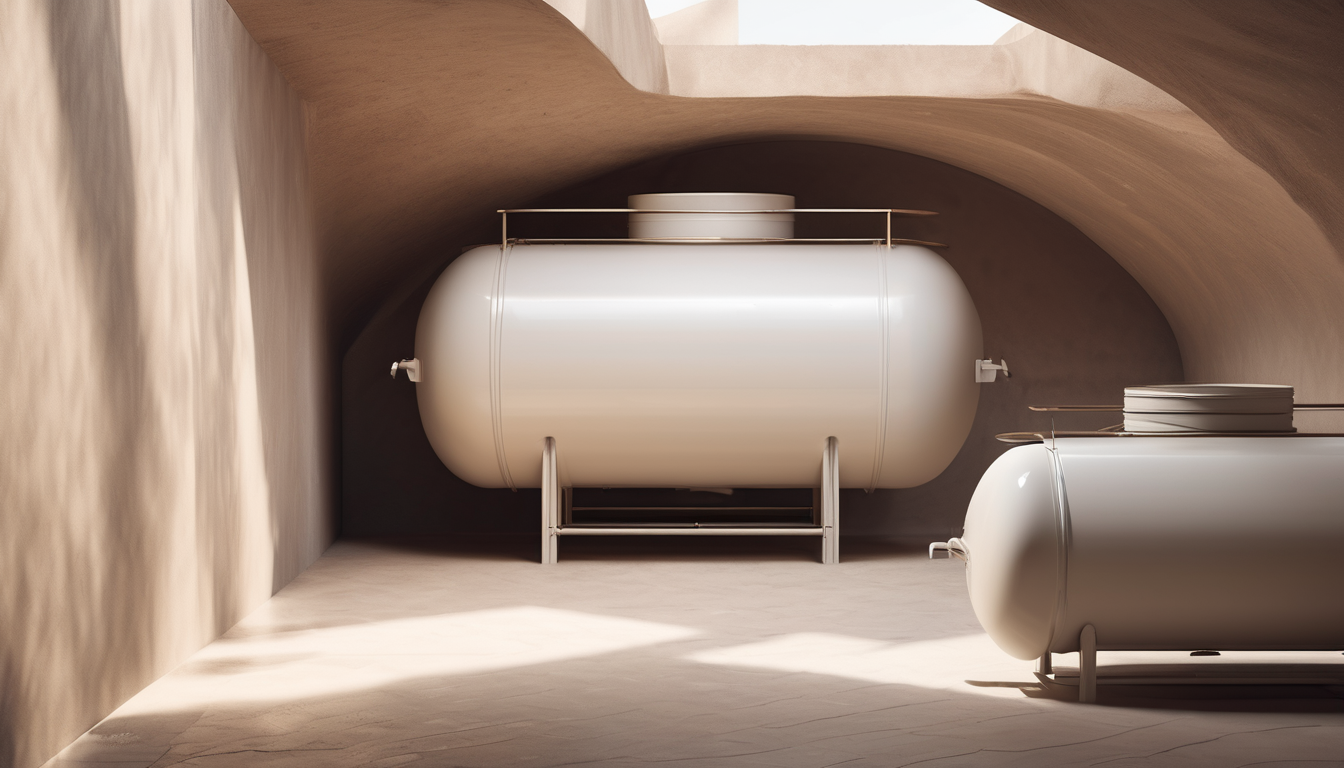
Underground water tank installation involves burying storage tanks beneath the ground surface, typically in gardens, driveways, or designated utility areas. This method requires careful excavation and professional installation to ensure structural integrity and prevent soil contamination. In Dubai’s sandy soil conditions, proper bedding and backfilling procedures are essential to prevent tank deformation under ground pressure.
These installations commonly use reinforced concrete or high-density polyethylene tanks designed specifically for burial. The underground environment provides natural insulation against temperature fluctuations, helping maintain cooler water temperatures during Dubai’s intense summer months. This cooling effect can reduce bacterial growth rates and minimize the chlorine demand for water disinfection.
Space Optimization Benefits
Underground water tank installation maximizes usable above-ground space, making it particularly valuable for properties with limited yard area or architectural constraints. By moving water storage below ground, homeowners preserve landscape aesthetics and maintain unobstructed views. This approach aligns well with Dubai’s modern property designs where outdoor space often serves multiple recreational and entertainment functions. When considering Underground vs Overhead Water Tank Installation, this becomes clear.
Underground vs Overhead Water Tank Installation – Overhead Water Tank Installation Considerations
Overhead water tank installation places storage units on rooftops, dedicated platforms, or elevated structures. This traditional approach leverages gravity to create natural water pressure, reducing reliance on pumping systems. In Dubai’s high-rise buildings, overhead tanks often supply water to lower floors through gravitational force alone, providing emergency water supply during power outages.
These installations require robust structural support capable of bearing the significant weight of water—approximately 1,000 kilograms per cubic meter. Professional assessment of roof load capacity is essential before installation. Dubai Municipality regulations specify engineering standards for overhead tank supports to ensure building safety and compliance.
Maintenance Accessibility Advantages
Overhead water tank installation offers superior accessibility for routine maintenance and cleaning. Technicians can visually inspect external surfaces, access hatches easily, and perform cleaning operations without excavation equipment. This accessibility translates to lower maintenance costs and more frequent inspection opportunities, crucial for maintaining water quality in Dubai’s dust-prone environment.
Climate Impact on Underground vs Overhead Water Tank Installation
Dubai’s climate significantly influences the performance of both installation methods. Overhead tanks exposed to direct sunlight can experience water temperature increases of 10-15°C above ambient temperature during summer months. These elevated temperatures accelerate chlorine dissipation and may promote bacterial growth if disinfectant levels drop below maintenance thresholds. The importance of Underground vs Overhead Water Tank Installation is evident here.
Underground installations benefit from soil’s insulating properties, typically maintaining water temperatures within 5°C of ground temperature. Dubai’s ground temperature remains relatively stable compared to air temperature fluctuations, providing more consistent storage conditions. However, underground tanks may require additional protection against soil moisture and potential groundwater infiltration in certain areas.
Installation Complexity and Cost Considerations
Underground water tank installation generally involves higher initial costs due to excavation requirements, specialized equipment, and potential landscaping restoration. The process requires careful planning to avoid existing utilities and ensure proper drainage around the installation site. Professional installation teams must coordinate with Dubai Municipality for necessary permits and inspections.
Overhead installation typically presents lower initial costs but may require structural reinforcement for older buildings. The accessibility reduces equipment requirements and allows for simpler installation processes. Both methods require professional assessment to determine exact project scope and associated costs based on your property’s specific conditions.
Maintenance Requirements Comparison
Underground water tank installation demands specialized equipment for inspection and cleaning operations. Professional cleaning teams use extended tools and cameras to assess internal conditions without excavation. Dubai Municipality guidelines recommend six-monthly inspections for underground tanks to detect potential leaks or contamination issues early. Understanding Underground vs Overhead Water Tank Installation helps with this aspect.
Overhead tanks benefit from visual external inspection capabilities and easier access for routine maintenance. However, they require more frequent cleaning in Dubai’s environment due to higher dust accumulation and temperature-related biological activity. Professional maintenance schedules should account for these environmental factors to ensure consistent water quality.
Water Quality Preservation Factors
Both installation methods can maintain excellent water quality when properly maintained, but each presents unique challenges. Underground tanks benefit from stable temperatures that reduce biological activity but require vigilance against groundwater infiltration and soil contaminants. Waterproof integrity testing becomes crucial during installation and periodic inspections.
Overhead tanks face greater temperature fluctuations that can affect disinfectant effectiveness and promote biofilm formation. Insulation measures and regular water testing help mitigate these effects. Professional maintenance should include temperature monitoring and adjusted disinfection protocols based on seasonal variations.
Professional Assessment Recommendations
Determining the optimal Underground vs Overhead Water Tank Installation requires professional evaluation of your property’s specific conditions. Factors including soil type, available space, structural capacity, and water usage patterns all influence the final decision. Certified installation professionals assess these variables to recommend the most suitable approach for your needs.
Dubai property owners should consult with DM-approved installation specialists who understand local regulations and environmental conditions. These professionals provide detailed project assessments that account for all relevant factors, ensuring compliant and effective water storage solutions. The assessment typically includes site evaluation, usage pattern analysis, and long-term maintenance planning.
Frequently Asked Questions
How often should water tanks be cleaned in Dubai?
Dubai Municipality guidelines recommend six-monthly cleaning for overhead tanks and annual cleaning for underground installations. However, professional assessment may recommend adjusted schedules based on usage patterns, water quality test results, and environmental conditions specific to your property.
Can I install both underground and overhead tanks?
Many Dubai properties utilize combined systems with underground storage and overhead distribution tanks. This approach provides backup capacity and pressure stabilization while optimizing space usage. Professional designers can create integrated systems that leverage the advantages of both installation methods.
What maintenance factors differ between installation types?
Underground tanks require leak detection monitoring and waterproof integrity testing, while overhead tanks need UV protection and more frequent sediment removal due to dust accumulation. Both systems require regular disinfection and water quality testing following Dubai Municipality standards. Underground vs Overhead Water Tank Installation factors into this consideration.
How does Dubai’s climate affect tank selection?
High summer temperatures make temperature control a significant consideration. Underground installations maintain cooler water temperatures naturally, while overhead tanks may require insulation or shading measures. Professional installers account for seasonal temperature variations in system design and material selection.
What regulations govern water tank installation in Dubai?
Dubai Municipality establishes standards for tank materials, installation methods, and safety requirements. These regulations ensure structural integrity, prevent contamination, and maintain water quality. Professional installers maintain current knowledge of DM requirements and obtain necessary permits for all installations.
Making Your Installation Decision
The choice between Underground vs Overhead Water Tank Installation ultimately depends on your property’s specific characteristics and water needs. Space availability, maintenance capabilities, and climate considerations all play crucial roles in determining the optimal solution. Professional assessment provides the detailed evaluation necessary to make an informed decision that ensures reliable water storage and quality preservation.
Both installation methods can provide excellent service when properly designed, installed, and maintained. The key lies in matching the installation type to your property’s conditions and committing to regular professional maintenance. With Dubai’s unique environmental challenges, this decision represents a long-term investment in your property’s infrastructure and your family’s water security. Understanding Underground vs Overhead Water Tank Installation is key to success in this area.