

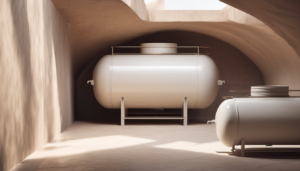
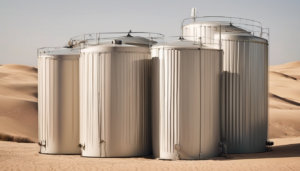
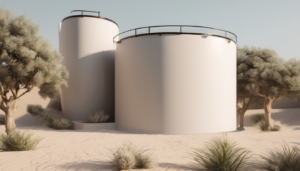


Hard water scale removal methods for water tanks in Dubai require careful consideration of seasonal patterns and water chemistry. The city’s mineral-rich groundwater combines with high evaporation rates during summer months to accelerate scale formation in both underground and overhead storage tanks. Professional water tank cleaning specialists approach scale removal through systematic methods that address both immediate accumulation and long-term prevention strategies.
The challenge of Hard Water Scale in Dubai water tanks extends beyond simple cleaning. Calcium and magnesium deposits bond strongly to tank surfaces, reducing storage capacity and potentially harbouring bacteria. Effective hard water scale removal methods for water tanks must account for tank material, scale thickness, and the need to maintain potable water safety standards throughout the process.
Hard Water Scale Removal Methods for Water Tanks – Understanding Dubai’s Hard Water Challenges
Dubai’s water supply contains elevated levels of calcium and magnesium carbonates, particularly during summer when groundwater usage increases. These minerals precipitate out of solution when water temperatures rise, forming stubborn scale deposits on tank surfaces. The problem intensifies during peak summer months when water consumption increases and tanks experience more frequent fill-drain cycles.
Seasonal temperature variations significantly impact scale formation patterns. During winter months, cooler water temperatures slow scale accumulation but may allow existing deposits to harden further. Spring and autumn transitional periods often reveal the extent of scale buildup as temperature fluctuations cause expansion and contraction of tank materials.
Scale Composition in UAE Water Tanks
Professional water tank cleaning assessments in Dubai typically identify scale compositions ranging from soft chalky deposits to hardened cement-like layers. The specific mineral profile depends on water source, with DEWA-supplied water showing different scaling characteristics than groundwater sources common in older villas and peripheral communities.
Mechanical Hard Water Scale Removal Methods for Water Tanks
Mechanical descaling represents the most thorough approach to hard water scale removal methods for water tanks. Professional technicians use specialized scraping tools designed for specific tank materials—stainless steel scrapers for GRP tanks, plastic scrapers for polyethylene units, and non-abrasive tools for concrete surfaces. This method physically removes scale without introducing chemicals into the water system.
The mechanical descaling process begins with complete tank drainage and thorough inspection. Technicians assess scale thickness and adhesion strength to determine the appropriate tool selection and pressure application. For heavily scaled tanks, multiple passes may be required to remove all deposits while avoiding damage to tank surfaces.
High-Pressure Water Jetting
Controlled water jetting at specific pressures effectively removes scale from tank surfaces without compromising structural integrity. Professional services calibrate pressure settings based on tank material and scale thickness, typically ranging from 1500-2500 PSI for most residential applications. This method proves particularly effective for concrete tanks where surface roughness requires more aggressive cleaning.
Chemical Hard Water Scale Removal Methods for Water Tanks
Chemical descaling solutions offer an alternative approach to hard water scale removal methods for water tanks, particularly for intricate pipework and difficult-to-access areas. Dubai Municipality-approved descaling agents typically use food-grade acidic compounds that dissolve mineral deposits without compromising water safety. These treatments require precise concentration control and thorough rinsing protocols.
The chemical descaling process involves controlled application of descaling solutions followed by prescribed dwell times. Technicians monitor pH levels throughout the process to ensure complete neutralization before tank refilling. This method proves especially valuable for removing scale from inlet pipes, overflow mechanisms, and other components where mechanical access proves challenging.
Acid-Based Descaling Considerations
Professional water tank cleaning services in Dubai utilize citric acid or phosphoric acid-based descalers approved for potable water systems. These compounds effectively dissolve calcium carbonate deposits while remaining safe for subsequent water storage. Concentration levels typically range from 5-15% depending on scale thickness and tank material compatibility.
Combined Approach to Scale Removal
Most professional hard water scale removal methods for water tanks employ a combined mechanical and chemical approach. Initial mechanical removal addresses the bulk of scale deposits, followed by chemical treatment to dissolve remaining residue and prevent rapid reformation. This dual-method approach ensures comprehensive scale removal while minimizing chemical usage.
The combination method proves particularly effective during seasonal transitions when scale may have developed varying consistency throughout the tank. Spring cleaning often reveals layered scale deposits from multiple seasons, requiring tailored approaches for different tank sections based on exposure patterns and water flow characteristics.
Seasonal Timing for Scale Removal
Optimal timing for hard water scale removal methods for water tanks in Dubai aligns with seasonal water usage patterns. Pre-summer cleaning (March-April) prepares tanks for increased demand while removing scale accumulated during cooler months. Post-summer cleaning (October-November) addresses scale formed during peak evaporation periods.
Seasonal considerations extend beyond timing to method selection. Summer cleaning may favour chemical methods due to faster reaction times in warmer conditions, while winter cleaning often benefits from mechanical methods that work effectively in cooler temperatures. Professional assessments consider both immediate conditions and forecasted weather patterns when recommending approaches.
Preventive Measures Against Scale Buildup
Effective hard water scale removal methods for water tanks include preventive strategies that reduce future accumulation. Regular cleaning schedules tailored to water hardness levels form the foundation of scale prevention. Additional measures include installing pre-filtration systems, maintaining consistent water turnover, and monitoring pH levels to identify changing conditions.
Professional water tank maintenance services often recommend semi-annual inspections for properties with significant hard water challenges. These assessments track scale formation rates and adjust cleaning schedules based on seasonal patterns and water usage changes. Documentation from multiple cleaning cycles helps establish property-specific maintenance protocols.
Post-Removal Water Quality Verification
Comprehensive hard water scale removal methods for water tanks include verification steps to ensure water safety after descaling. Professional services conduct visual inspections using underwater lighting systems to confirm complete scale removal. Additional testing may include pH verification, turbidity measurement, and bacterial testing to ensure no contamination occurred during the cleaning process.
Final water quality checks particularly important when chemical descalers have been employed. Technicians verify complete neutralization and rinsing through multipoint testing before certifying tanks ready for refilling. This thorough approach ensures compliance with Dubai Municipality potable water standards following scale removal procedures.
Expert Tips for Hard Water Scale Management
Property owners managing hard water scale issues should consider these professional recommendations. Schedule descaling during moderate temperature periods when scale is most responsive to treatment. Combine mechanical and chemical methods for comprehensive results rather than relying on单一 approach. Document scale patterns over multiple cleaning cycles to identify formation trends. Install sediment filters on inlet pipes to reduce mineral introduction. Maintain consistent water turnover to prevent stagnation that accelerates scale formation. Conduct seasonal inspections between professional cleanings to monitor scale development rates.
Frequently Asked Questions
How often should Dubai water tanks undergo scale removal?
Most Dubai properties require professional scale removal every 12-18 months depending on water source and usage patterns. Groundwater-fed systems may need more frequent attention due to higher mineral content. Professional assessment determines optimal frequency based on tank inspection findings.
Can hard water scale damage tank structures?
Significant scale accumulation can reduce tank capacity and potentially compromise overflow mechanisms. In concrete tanks, scale may penetrate surface pores and accelerate deterioration. Regular removal preserves tank integrity and maintains designed storage volume.
Do descaling chemicals affect water safety?
When applied by certified professionals using approved compounds and proper rinsing protocols, descaling chemicals pose no risk to water safety. Dubai Municipality-approved descalers are specifically formulated for potable water systems and completely neutralize before tank return to service.
Why does scale form more quickly in summer?
Higher temperatures increase mineral precipitation rates while evaporation concentrates dissolved minerals. Increased water usage during summer creates more fill-drain cycles that accelerate scale formation through repeated heating and cooling cycles.
Can water softeners prevent tank scale?
Whole-house softening systems significantly reduce scale formation but require proper maintenance to remain effective. Softened water may still deposit some minerals under certain conditions, making periodic professional cleaning recommended even with softening systems.
How long does professional descaling take?
Most residential tank descaling requires 4-8 hours depending on tank size and scale severity. The process includes drainage, descaling, rinsing, and refilling phases with adequate time for chemical dwell periods when applicable.
Conclusion
Effective hard water scale removal methods for water tanks in Dubai require professional approaches tailored to seasonal conditions and specific water chemistry. Combining mechanical and chemical methods under controlled conditions ensures complete scale removal while maintaining water safety standards. Regular preventive maintenance remains the most effective strategy for managing scale accumulation in Dubai’s challenging water conditions.
Property owners benefit from establishing relationships with certified water tank cleaning specialists who understand local scale formation patterns and can provide consistent documentation of maintenance activities. This professional approach ensures water storage systems remain clean, efficient, and compliant with Dubai’s stringent water quality requirements throughout seasonal changes. Understanding Hard Water Scale Removal Methods for Water Tanks is key to success in this area.