









Preventing skin irritation from tank contamination begins with understanding how microbial growth in water storage systems affects skin health. In Dubai’s climate, where high temperatures accelerate bacterial proliferation in water tanks, families often experience unexplained skin irritation without recognising the source. This case study examines a real-world scenario where persistent dermatological issues were traced to contaminated water storage and resolved through systematic professional intervention.
The Al Rashidi family in Arabian Ranches had been experiencing ongoing skin irritation for several months. Family members reported itching, redness, and occasional rashes particularly after bathing. Their initial assumption pointed toward laundry detergents or skincare products, but eliminating these variables brought no improvement. The persistence of symptoms prompted investigation into their water quality, beginning with their villa’s water storage system.
Preventing Skin Irritation from Tank Contamination – The contamination source identification process
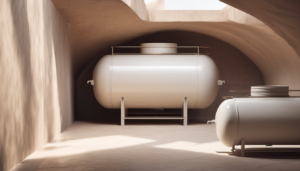
Preventing skin irritation from tank contamination requires thorough investigation before treatment. Our team began with visual inspection of both underground and overhead water tanks. The underground concrete tank showed visible sediment accumulation and discoloured water, while the GRP overhead tank had greenish biofilm formation on interior surfaces. Water samples were collected from multiple points: tank outlets, kitchen taps, and shower heads.
Laboratory analysis revealed several concerning indicators. Total coliform counts exceeded Dubai Municipality limits, while Pseudomonas aeruginosa – a known skin irritant – was present in concerning concentrations. The water pH measured slightly alkaline at 8.2, which can disrupt skin’s natural acid mantle. Particulate matter included silt, sand, and organic debris that accumulated through months of inadequate filtration maintenance.
Key contamination indicators found
The assessment identified three primary factors contributing to skin irritation: bacterial biofilm providing continuous contamination, particulate matter causing physical abrasion during washing, and elevated pH levels disrupting skin barrier function. The combination created perfect conditions for dermatological issues despite the water appearing clear to the naked eye.
Preventing Skin Irritation from Tank Contamination – Professional tank cleaning methodology
Preventing skin irritation from tank contamination requires comprehensive cleaning that addresses both visible debris and microbial colonies. The process began with complete drainage of both tanks using submersible pumps equipped with sediment filters to prevent drain blockage. Manual scrubbing removed adhered biofilm from tank walls and ceilings, particularly in the overhead tank where sunlight penetration had encouraged algal growth.
High-pressure jet washing with potable water dislodged stubborn sediment in the underground tank, followed by vacuum extraction of the suspended particles. The tanks were then disinfected using Dubai Municipality-approved sodium hypochlorite solution at calculated concentration, ensuring contact time sufficient to eliminate pathogenic microorganisms. Post-disinfection rinsing used filtered water to prevent recontamination from pipeline sediments.
Preventing Skin Irritation from Tank Contamination – Pipeline disinfection protocol
Preventing skin irritation from tank contamination must include the distribution system. Simply cleaning tanks without addressing pipelines often leads to rapid recontamination. We implemented systematic pipeline flushing by opening all taps simultaneously after tank disinfection, ensuring chlorinated water reached every outlet. Shower heads and tap aerators were removed, soaked in disinfectant, and mechanically cleaned to remove accumulated scale and biofilm.
The water heater received particular attention as warm water accelerates microbial growth. The unit was drained, descaled, and disinfected to eliminate Legionella and other thermophilic bacteria that thrive in heated water systems. This comprehensive approach ensured no part of the water distribution system remained as a contamination reservoir.
Water quality verification testing
Preventing skin irritation from tank contamination requires verification through laboratory testing. Post-cleaning water samples were collected 48 hours after system recommissioning to allow chlorine levels to stabilise. Analysis showed coliform counts within permissible limits, absence of Pseudomonas aeruginosa, and pH levels restored to neutral range. Particulate matter was reduced to negligible levels, with water clarity meeting Dubai Municipality drinking water standards.
The family was provided with detailed water quality reports comparing pre-cleaning and post-cleaning parameters. This documentation not only verified the effectiveness of the intervention but also established baseline water quality for future maintenance comparisons.
Skin irritation resolution timeline
The family reported noticeable improvement in skin condition within 72 hours of system recommissioning. Residual itching diminished gradually over the following week as skin barrier function recovered. Complete resolution of dermatological symptoms occurred within two weeks, confirming the water contamination as the primary cause. Follow-up consultation with the family’s dermatologist confirmed the improvement aligned with elimination of water-borne irritants.
This case demonstrates that preventing skin irritation from tank contamination requires addressing both the storage and distribution systems. Partial cleaning approaches often yield temporary improvement followed by symptom recurrence when residual contamination persists in pipelines or fixtures.
Preventive maintenance recommendations
Preventing skin irritation from tank contamination requires ongoing maintenance rather than reactive cleaning. We established semi-annual cleaning schedule aligned with Dubai’s seasonal changes, with additional inspection before summer months when bacterial growth accelerates. The family implemented routine tap aerator cleaning monthly and installed whole-house filtration to reduce sediment ingress.
Water quality testing was scheduled quarterly to monitor parameters between professional cleanings. This proactive approach maintains water quality within safe parameters and prevents recurrence of contamination-related health issues. The maintenance plan specifically addresses factors most likely to affect skin health, including microbial counts and particulate matter levels.
Expert tips for maintaining skin-friendly water quality
Homeowners can support professional preventing skin irritation from tank contamination efforts through several practical measures. Regularly check tap aerators and shower heads for debris accumulation, cleaning them monthly with vinegar solution to dissolve scale. Monitor water clarity and odour changes, particularly after water supply interruptions that might disturb pipeline sediments.
Consider whole-house filtration systems with sediment pre-filters to reduce particulate matter entering the storage system. Maintain records of cleaning schedules and water test results to identify patterns or emerging issues. During summer months, increase visual inspection frequency as higher temperatures accelerate microbial growth in water systems.
Frequently Asked Questions
How quickly can contaminated water cause skin irritation?
Skin irritation from tank contamination typically appears gradually over weeks or months as contaminants accumulate and skin barrier function deteriorates. Sensitive individuals may notice effects within days of exposure to newly contaminated water, particularly with certain bacteria like Pseudomonas aeruginosa.
What are the first signs of water-related skin issues?
Initial symptoms often include general itching after bathing, unexplained dryness, or occasional redness. These may progress to persistent rashes, eczema-like patches, or increased skin sensitivity. Symptoms typically affect areas with prolonged water contact like hands, arms, and torso.
Can water filters prevent skin irritation from tank contamination?
While point-of-use filters can reduce some contaminants, they cannot address systemic contamination throughout the water distribution system. Whole-house filtration combined with regular tank cleaning provides comprehensive protection against skin irritants in water.
How often should Dubai homes clean water tanks to prevent skin issues?
Most Dubai villas require professional cleaning every six months to maintain water quality that prevents skin irritation. High-occupancy homes or those with sensitive individuals may benefit from quarterly cleaning, particularly during summer months.
Is skin irritation from water contamination preventable?
Yes, with regular professional cleaning, proper disinfection protocols, and ongoing water quality monitoring, skin irritation from tank contamination is entirely preventable. The key is addressing both storage tanks and distribution systems comprehensively.
Conclusion
Preventing skin irritation from tank contamination requires systematic approach combining professional cleaning, thorough disinfection, and ongoing maintenance. This Dubai case study demonstrates that water quality issues often underlie persistent dermatological problems that resist conventional treatments. Through comprehensive tank and pipeline cleaning, verified by laboratory testing, families can achieve and maintain water quality that supports rather than compromises skin health.
The success of this intervention underscores the importance of considering water storage systems when addressing unexplained skin irritation. Professional assessment and evidence-based cleaning protocols provide reliable solution for households experiencing water-related dermatological issues. Regular maintenance ensures long-term protection against contamination-related health concerns. Understanding Preventing Skin Irritation from Tank Contamination is key to success in this area.