

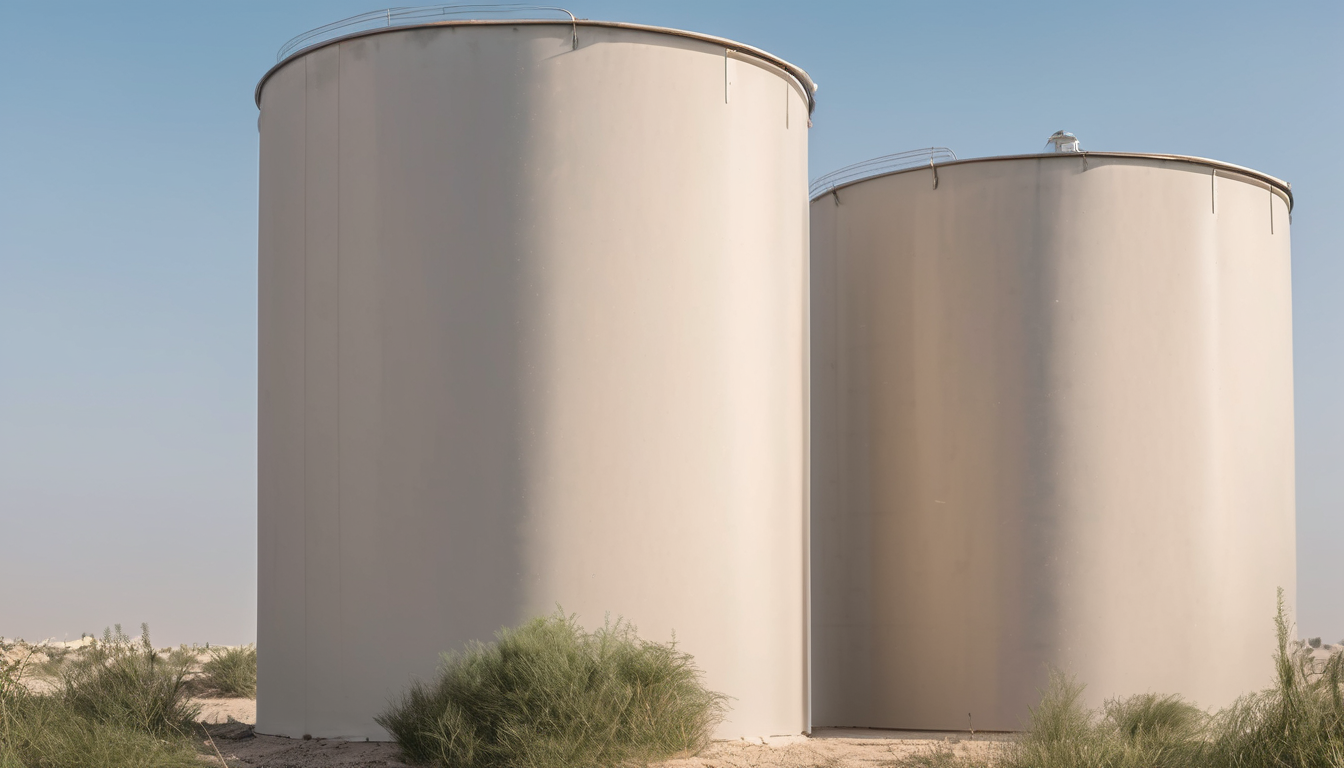

Legionella bacteria risks in Dubai water tanks present a particular concern due to the region’s climate and water storage practices. These bacteria thrive in warm, stagnant water between 20-45°C – temperatures commonly reached in Dubai’s rooftop tanks during summer months. The combination of high ambient temperatures, sediment accumulation, and biofilm formation creates ideal conditions for Legionella proliferation in untreated water systems.
Dubai’s municipal water supply arrives chlorinated and safe, but storage tanks can become vulnerable points where water quality deteriorates. When water sits stagnant for extended periods, disinfectant residuals dissipate, allowing bacteria to multiply. The risk increases significantly when tank maintenance schedules lapse or cleaning procedures fall below Dubai Municipality standards.
Legionella Bacteria Risks in Dubai Water Tanks – Understanding Legionella Bacteria in Dubai’s Climate
Legionella bacteria risks in Dubai water tanks are directly influenced by the region’s unique environmental conditions. Summer temperatures regularly exceed 40°C, causing water in rooftop tanks to reach optimal breeding temperatures for Legionella. The bacteria naturally occur in water sources but become dangerous when they multiply to high concentrations and become aerosolised through showers, taps, or air conditioning systems.
Dubai’s frequent dust storms contribute sediment to water tanks, providing nutrients and protection for bacterial colonies. The combination of warm water, organic matter, and stagnant conditions creates a perfect environment for biofilm formation – a slimy layer that protects Legionella from disinfectants and makes eradication more challenging.
Temperature Factors in Local Water Systems
Underground tanks in Dubai typically maintain cooler temperatures, while rooftop tanks can experience significant heating. This temperature stratification means different risks exist throughout the water system. Professional assessment identifies these risk zones and determines appropriate control measures.
Legionella Bacteria Risks in Dubai Water Tanks – Health Implications of Legionella Contamination
Legionella bacteria risks in Dubai water tanks become a health concern when contaminated water droplets are inhaled. This can lead to Legionnaires’ disease, a severe form of pneumonia, or Pontiac fever, a milder flu-like illness. Vulnerable populations including older adults, smokers, and individuals with compromised immune systems face higher risk.
The Dubai Health Authority monitors Legionnaires’ cases and investigates potential outbreaks. While properly maintained systems pose minimal risk, neglected water tanks can become sources of transmission. Symptoms typically appear 2-10 days after exposure and include cough, fever, chills, muscle aches, and shortness of breath.
Legionella Bacteria Risks in Dubai Water Tanks – Dubai Municipality Regulations and Compliance
Dubai Municipality mandates annual water tank cleaning for all residential and commercial properties. These regulations specifically address Legionella bacteria risks in Dubai water tanks through required disinfection protocols. Approved service providers must follow strict procedures including complete drainage, mechanical cleaning, approved disinfectant application, and proper rinsing before refilling.
Compliance documentation should include before-and-after photos, chemical usage records, and technician certifications. Property managers must maintain these records for municipal inspection. The DHA guidelines recommend additional precautions for healthcare facilities, hotels, and buildings with complex water systems where risk factors are elevated.
Identifying High-Risk Water Systems
Certain system configurations increase Legionella bacteria risks in Dubai water tanks. Buildings with oversized tanks that create water stagnation, systems with dead legs or infrequently used outlets, and properties with intermittent occupancy patterns require more frequent monitoring. Complex plumbing networks with multiple storage tanks present additional challenges for maintaining water quality.
Older concrete tanks with rough interior surfaces harbour more biofilm than smooth fibreglass or plastic tanks. Systems with inadequate insulation or located in direct sunlight experience greater temperature fluctuations that promote bacterial growth. Professional assessment identifies these risk factors and recommends appropriate maintenance schedules.
Prevention Strategies for Dubai Homes
Managing Legionella bacteria risks in Dubai water tanks requires a multi-layered approach. Annual professional cleaning remains the foundation of prevention, but supplemental measures enhance protection. Maintaining water temperature outside the 20-45°C danger zone through proper insulation helps control bacterial growth.
Regular flushing of infrequently used outlets prevents stagnation in pipework. Installing point-of-use filters on showers provides additional protection in high-risk settings. Monitoring water quality through periodic testing helps verify that control measures remain effective between scheduled cleanings.
Professional Cleaning Protocols
Certified technicians follow specific protocols to address Legionella bacteria risks in Dubai water tanks. The process begins with complete isolation and drainage of the tank. Mechanical removal of sediment and biofilm precedes application of Dubai Municipality-approved disinfectants at calculated concentrations. After sufficient contact time, thorough rinsing ensures no chemical residues remain before the system is refilled and returned to service.
Water Testing and Monitoring Procedures
Professional water testing provides objective data about Legionella bacteria risks in Dubai water tanks. Laboratory analysis detects bacterial presence and quantifies contamination levels. Testing should follow any cleaning disruption, after system modifications, or when investigating suspected contamination.
Routine monitoring parameters include chlorine residual levels, temperature measurements at various system points, and visual inspection for sediment or biofilm. Maintaining records of these parameters helps establish a baseline and identify trends that might indicate developing problems between scheduled cleanings.
Special Considerations for Dubai Properties
Seasonal variations affect Legionella bacteria risks in Dubai water tanks. Summer conditions require more vigilant monitoring as temperatures rise. Properties with seasonal occupancy patterns need special protocols for reopening after extended closure. Draining systems before extended absence and performing thorough cleaning upon return reduces risks.
Buildings with cooling towers or decorative water features require additional management strategies since these systems can aerosolise water droplets. Coordination between different maintenance teams ensures comprehensive risk management throughout all water systems in a property.
Expert Recommendations for Risk Management
Addressing Legionella bacteria risks in Dubai water tanks requires professional assessment tailored to each property’s specific characteristics. System age, configuration, usage patterns, and maintenance history all influence risk levels. Certified technicians evaluate these factors to recommend appropriate cleaning frequency and additional control measures.
Documentation provides evidence of due diligence and compliance with regulations. Maintaining detailed records of cleaning schedules, chemical usage, water test results, and system modifications creates an audit trail that demonstrates responsible management of water safety.
Frequently Asked Questions
How often should water tanks be cleaned in Dubai?
Dubai Municipality requires annual cleaning for residential properties. High-risk buildings including healthcare facilities, hotels, and properties with complex water systems may require more frequent cleaning based on professional risk assessment.
Can Legionella bacteria be completely eliminated from water systems?
Complete elimination is difficult since Legionella exists naturally in water sources. Professional cleaning controls concentrations to safe levels through regular removal of biofilm and sediment that harbour bacteria.
What temperature kills Legionella bacteria?
Legionella bacteria die rapidly at temperatures above 60°C. Maintaining water outside the 20-45°C range where they thrive significantly reduces multiplication risks.
Does Dubai’s municipal water contain Legionella?
DEWA water arrives chlorinated and meets safety standards. Risk develops during storage when disinfectant residuals dissipate and temperatures become favourable for bacterial growth.
How quickly can Legionella grow in Dubai water tanks?
Under ideal conditions with warm temperatures and nutrient availability, Legionella concentrations can double every few hours. Regular maintenance prevents this exponential growth.
Are certain types of water tanks more resistant to Legionella?
Smooth-walled tanks like GRP or plastic accumulate less biofilm than rough concrete surfaces. However, all tank types require regular cleaning and maintenance regardless of construction material.
Conclusion
Legionella bacteria risks in Dubai water tanks represent a manageable concern through proper maintenance protocols. The combination of Dubai’s climate and common water storage practices creates conditions that require vigilant management. Regular professional cleaning following Dubai Municipality guidelines, supplemented by system-specific control measures, effectively mitigates these risks.
Property owners should prioritise documented compliance with cleaning schedules and maintain records demonstrating due diligence. Professional assessment identifies property-specific risk factors and recommends appropriate maintenance frequency. Through these measured approaches, Legionella bacteria risks in Dubai water tanks can be effectively controlled to ensure water safety for all building occupants.