



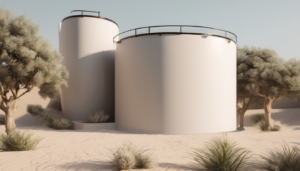


Understanding Post-Cleaning Water Quality Testing Standards Dubai is essential. Post-Cleaning Water Quality testing standards in Dubai represent the critical verification step that ensures water tank cleaning and disinfection procedures have effectively restored potable water safety. Following Dubai Municipality guidelines, these standards require comprehensive laboratory analysis to confirm the absence of bacterial contamination, chemical residues and physical impurities before returning the water system to service. For villa owners, property managers and facility operators across the UAE, understanding these testing protocols provides assurance that their investment in professional cleaning delivers measurable water safety outcomes.
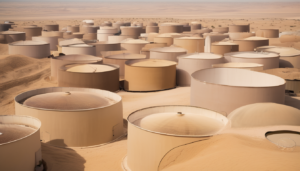
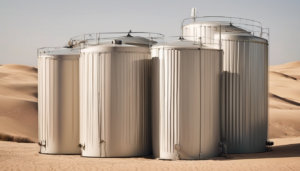
The desert climate of Dubai presents unique challenges for water storage systems, with high temperatures accelerating bacterial growth and sand infiltration increasing sediment accumulation. These conditions make rigorous post-cleleaning verification not just a regulatory formality but an essential health protection measure. Professional water tank cleaning services in Dubai follow a structured testing protocol that aligns with international water safety standards while meeting specific Dubai Municipality requirements for residential and commercial properties. This relates directly to Post-Cleaning Water Quality Testing Standards Dubai.
Post-Cleaning Water Quality Testing Standards Dubai – Dubai Municipality Requirements for Post-Cleaning Water Test
Dubai Municipality establishes clear guidelines for post-cleaning water quality verification through its Public Health and Safety Department. These regulations mandate that all potable water tanks undergo testing after cleaning and disinfection procedures. The standards specify that water samples must be collected by trained technicians following aseptic techniques to prevent contamination during the sampling process. When considering Post-Cleaning Water Quality Testing Standards Dubai, this becomes clear.
Municipality requirements include testing for total coliform bacteria, E. coli presence, residual chlorine levels, turbidity, pH balance and total dissolved solids. Samples must be delivered to approved laboratories within specified timeframes to ensure accurate results. Property owners receive detailed test reports that serve as compliance documentation during municipal inspections. These reports must be maintained on-site for at least two years as proof of adherence to Dubai’s water safety regulations.
Approved Laboratory Facilities in Dubai
Dubai Municipality maintains a list of accredited laboratories authorized to conduct post-cleaning water quality analysis. These facilities must maintain ISO 17025 certification and participate in regular proficiency testing programs. Samples are typically analyzed using membrane filtration techniques for bacteriological testing and spectrophotometric methods for chemical parameter analysis. The importance of Post-Cleaning Water Quality Testing Standards Dubai is evident here.
Post-Cleaning Water Quality Testing Standards Dubai – Comprehensive Water Quality Parameters Tested
Professional post-cleaning water quality testing in Dubai examines multiple parameters that collectively determine water safety. Bacteriological testing forms the cornerstone of the analysis, with total coliform and E. coli testing being mandatory. The presence of these indicator organisms suggests possible fecal contamination and requires immediate corrective action.
Chemical parameter testing includes residual chlorine levels, which must maintain between 0.2-0.5 mg/L to provide ongoing disinfection protection without affecting taste. Turbidity testing measures water clarity and indicates effective sediment removal during cleaning. pH testing ensures water remains within the 6.5-8.5 range to prevent corrosion of plumbing systems and maintain disinfectant effectiveness. Understanding Post-Cleaning Water Quality Testing Standards Dubai helps with this aspect.
Additional Testing for Specific Scenarios
In cases where visual inspection suggests particular concerns, additional testing may include heterotrophic plate counts, Pseudomonas aeruginosa detection, and Legionella pneumophila screening. These additional tests are particularly important for healthcare facilities, schools and buildings with vulnerable populations where waterborne pathogen risks require more stringent monitoring.
Post-Cleaning Water Quality Testing Standards Dubai – Sampling Procedures and Protocol Standards
Proper sampling techniques are essential for accurate post-cleaning water quality assessment in Dubai. Technicians must follow strict protocols beginning with thorough hand washing and use of sterile gloves. Sampling taps are disinfected with alcohol swabs and allowed to run for several minutes to clear standing water from the plumbing system before collection. Post-Cleaning Water Quality Testing Standards Dubai factors into this consideration.
Samples are collected in sterile containers provided by the testing laboratory, filled to specified levels without air bubbles, and immediately labeled with property information, date, time and sample location. Chain of custody documentation accompanies samples to the laboratory to ensure proper handling and traceability. Samples for bacteriological testing must be delivered under temperature-controlled conditions within six hours of collection to prevent microbial growth or die-off that could compromise results.
Interpretation of Test Results and Compliance Thresholds
Understanding water quality test reports requires knowledge of Dubai’s compliance thresholds for various parameters. The most critical requirement is the absence of E. coli in 100ml of water, with any detection constituting immediate failure. Total coliform bacteria must not exceed 10 colony-forming units per 100ml in distribution systems. This relates directly to Post-Cleaning Water Quality Testing Standards Dubai.
Residual chlorine levels must maintain between 0.2-0.5 mg/L throughout the distribution system to provide ongoing protection against microbial regrowth. Turbidity should measure below 1 NTU, with ideal readings under 0.5 NTU indicating excellent filtration and sediment removal. pH levels between 6.5-8.5 ensure water remains non-corrosive while maintaining disinfectant effectiveness.
Corrective Actions for Failed Test Results
When post-cleaning water quality tests indicate parameter exceedances, Dubai Municipality requires immediate corrective actions. For bacterial contamination findings, the standard protocol involves shock chlorination of the entire system followed by thorough flushing and retesting. The system must remain out of service until follow-up testing confirms satisfactory results. When considering Post-Cleaning Water Quality Testing Standards Dubai, this becomes clear.
Chemical parameter issues require different approaches. Low residual chlorine levels necessitate adjustment of chlorination equipment or manual chlorine dosing. High turbidity readings may indicate inadequate cleaning procedures or pipeline sediment disturbance, requiring additional flushing or mechanical cleaning. pH correction involves chemical adjustment using food-grade acids or alkalis to bring water into the acceptable range.
Documentation and Compliance Certification
Proper documentation forms an essential component of post-cleaning water quality testing standards in Dubai. Property owners receive comprehensive test reports that include laboratory identification information, sampling dates and times, analytical methods used, results for all parameters tested, and comparison against regulatory limits. These documents serve as compliance certificates during municipal inspections. The importance of Post-Cleaning Water Quality Testing Standards Dubai is evident here.
Professional service providers also maintain detailed records including cleaning procedures used, disinfectant concentrations applied, contact times maintained, and flushing volumes discharged. This comprehensive documentation demonstrates due diligence and provides a clear audit trail should water quality issues arise later. Digital record-keeping systems increasingly allow property managers to access this documentation through online portals for convenient compliance verification.
Frequency of Testing and Monitoring Programs
While post-cleaning verification testing occurs immediately after service completion, Dubai Municipality recommends ongoing monitoring for commercial and multi-unit residential buildings. Quarterly testing represents best practice for high-risk facilities including healthcare institutions, educational facilities and food service establishments. Understanding Post-Cleaning Water Quality Testing Standards Dubai helps with this aspect.
Residential villas typically require testing after each professional cleaning service, which should occur at least annually under normal conditions. Buildings with historical water quality issues or specific risk factors may benefit from more frequent testing. Professional water service companies often offer monitoring programs that include scheduled testing, trend analysis and early warning of developing issues before they compromise water safety.
Expert Tips for Maintaining Water Quality Between Testing
Regular visual inspection of water clarity and taste monitoring provide early indicators of developing issues between formal testing periods. Maintaining adequate residual chlorine levels through properly calibrated chlorination systems prevents microbial regrowth in storage and distribution systems. Ensuring tank lids, vents and overflow protections remain secure prevents external contamination between cleaning cycles. Post-Cleaning Water Quality Testing Standards Dubai factors into this consideration.
Prompt attention to plumbing repairs prevents backflow incidents and cross-connection contamination. Educational programs for maintenance staff improve recognition of potential water quality issues before they become significant problems. Establishing clear protocols for water system management creates a culture of safety that extends beyond compliance requirements to genuine water quality protection.
Frequently Asked Questions
How soon after cleaning should water testing be conducted?
Post-cleaning water quality testing in Dubai should occur after the system has been thoroughly flushed and refilled, typically within 24-48 hours of service completion. This timing allows the disinfectant to achieve adequate contact time while ensuring fresh water circulation throughout the distribution system before sampling. This relates directly to Post-Cleaning Water Quality Testing Standards Dubai.
What happens if my water fails the post-cleaning test?
If water fails post-cleaning quality tests, professional service providers in Dubai must immediately implement corrective actions including additional disinfection, flushing and retesting at no extra cost. The system remains out of service until follow-up testing confirms all parameters meet Dubai Municipality standards.
Are there different testing standards for residential and commercial properties?
While the fundamental water quality parameters remain consistent, commercial properties in Dubai often require more extensive testing including additional pathogen screening and more frequent monitoring. Healthcare and educational facilities face particularly stringent testing requirements due to vulnerable population considerations.
How long are water test results valid for compliance purposes?
Water quality test results typically remain valid for compliance purposes until the next scheduled cleaning or six months, whichever comes first. Dubai Municipality inspectors may request to see the most recent test reports during routine inspections or complaint investigations.
Can I conduct my own water testing after tank cleaning?
While basic test strips are available for preliminary assessment, Dubai Municipality requires official testing through accredited laboratories for compliance documentation. Professional testing ensures proper sampling techniques, validated analytical methods and legally defensible results should questions arise about water safety.
Post-cleaning water quality testing standards in Dubai provide the essential verification that professional tank cleaning services have effectively restored water safety. These comprehensive testing protocols, aligned with Dubai Municipality requirements, ensure that residents and building occupants receive water that meets both regulatory standards and health protection expectations. By understanding these standards and implementing rigorous testing programs, property owners throughout the UAE demonstrate their commitment to water safety and regulatory compliance. Understanding Post-Cleaning Water Quality Testing Standards Dubai is key to success in this area.