



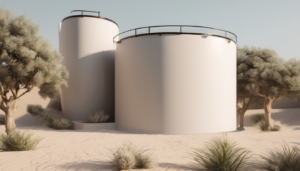


Municipality Approved Water Tank Disinfection Methods represent the gold standard for potable water safety in Dubai’s residential and commercial properties. These protocols, developed by Dubai Municipality’s Public Health and Safety Department, specify exact chemical concentrations, contact times, and verification procedures that ensure complete pathogen elimination without compromising water quality. The methods balance effective disinfection with residual safety, particularly important in Dubai’s climate where high temperatures accelerate bacterial growth in stored water systems.
Professional implementation of Municipality Approved Water Tank Disinfection Methods begins with comprehensive tank inspection and ends with laboratory-verified water quality testing. Each step follows documented procedures that meet international potable water standards while adhering to local regulatory requirements. The process ensures that drinking water remains safe from tank to tap, protecting families from waterborne contaminants that can develop in poorly maintained storage systems.
Municipality Approved Water Tank Disinfection Methods – Understanding Dubai Municipality Water Tank Disinfection Sta
Dubai Municipality establishes clear guidelines for water tank disinfection through its Public Health and Safety Department. These standards specify that only approved disinfectants may be used in potable water systems, with precise concentration limits and mandatory safety margins. The regulations require a residual chlorine level of 0.2-0.5 mg/L after disinfection and specify maximum contact times for various disinfectant types.
The Municipality Approved Water Tank Disinfection Methods mandate professional certification for technicians performing the work. Companies must demonstrate proper training in chemical handling, safety procedures, and environmental protection measures. Regular audits ensure compliance with these standards, and property owners receive documentation proving their water tank cleaning meets all regulatory requirements.
Key Components of Approved Disinfection Protocols
Approved disinfection protocols include pre-cleaning inspection, mechanical cleaning, chemical application, and post-treatment verification. Each phase follows specific timing and concentration requirements that ensure complete pathogen elimination. The methods prohibit certain chemicals commonly used in non-potable applications, focusing instead on substances that break down safely after fulfilling their disinfection role.
Municipality Approved Water Tank Disinfection Methods – Approved Chemical Disinfectants for Potable Water Tanks
Municipality Approved Water Tank Disinfection Methods primarily utilise chlorine-based compounds at carefully controlled concentrations. Calcium hypochlorite and sodium hypochlorite remain the most commonly approved disinfectants, with specific dosage requirements based on tank volume and contamination levels. These compounds provide broad-spectrum antimicrobial action while leaving measurable residuals that protect water during storage.
Alternative disinfectants approved under certain circumstances include chlorine dioxide and hydrogen peroxide-based formulations. These options serve specific applications where chlorine sensitivity exists or where particular contaminants require targeted treatment. All approved chemicals must carry NSF/ANSI Standard 60 certification, ensuring they meet international safety standards for drinking water treatment.
Concentration and Contact Time Requirements
Approved methods specify exact concentration ranges for each disinfectant type. For chlorine-based disinfectants, the typical dosage ranges from 50-100 mg/L with a minimum contact time of 30 minutes. These parameters ensure complete pathogen elimination while preventing excessive chemical residues that could affect water taste or safety.
Municipality Approved Water Tank Disinfection Methods – Chlorination Process for Water Tank Disinfection
The chlorination process represents the cornerstone of Municipality Approved Water Tank Disinfection Methods. This multi-stage procedure begins with calculating the exact chlorine requirement based on tank volume and water quality parameters. Technicians prepare the chlorine solution using potable water only, ensuring no additional contaminants enter the system during treatment.
Application methods vary based on tank design and accessibility. For underground tanks, technicians often use submerged diffusers to ensure even distribution, while overhead tanks may receive surface application followed by mechanical mixing. The process includes continuous monitoring of chlorine levels throughout the contact period, with adjustments made as needed to maintain target concentrations.
Residual Chlorine Management
Maintaining proper residual chlorine levels represents a critical aspect of approved disinfection methods. Technicians measure residual chlorine at multiple points during and after the process, ensuring levels remain within the 0.2-0.5 mg/L range specified by Dubai Municipality. This residual provides ongoing protection against microbial regrowth between cleaning cycles.
Biofilm Removal Techniques in Approved Methods
Municipality Approved Water Tank Disinfection Methods address biofilm through mechanical removal followed by chemical treatment. Biofilm represents a particular challenge in water systems, as the protective matrix shelters bacteria from standard disinfection methods. Approved protocols include scrubbing and pressure washing to physically remove biofilm before applying disinfectants.
Specialised biofilm removal agents approved for potable water use include enzyme-based cleaners and hydrogen peroxide formulations. These products break down the extracellular polymeric substances that form the biofilm matrix, allowing disinfectants to reach embedded microorganisms. The combination of mechanical and chemical approaches ensures complete biofilm elimination from tank surfaces.
Verifying Biofilm Elimination
Approved methods include verification steps to confirm biofilm removal. Surface swab testing and adenosine triphosphate (ATP) monitoring provide quantitative measures of biofilm presence before and after treatment. These verification methods ensure that the disinfection process achieves complete microbial elimination rather than superficial cleaning.
Safety Protocols for Chemical Handling and Application
Municipality Approved Water Tank Disinfection Methods include comprehensive safety protocols for chemical handling and application. Technicians undergo specific training in hazardous material handling and must use personal protective equipment including gloves, goggles, and respiratory protection when working with concentrated disinfectants. The methods specify proper ventilation requirements and emergency procedures for chemical spills or exposures.
Environmental protection measures form an integral part of approved safety protocols. These include proper containment of rinse water, neutralisation of chemical residues before disposal, and prevention of runoff into drainage systems. Companies performing disinfection services must maintain safety data sheets for all chemicals used and provide these documents to property owners upon request.
Protecting Water Quality During Treatment
Safety protocols specifically address protection of water quality during the disinfection process. Methods include careful rinsing procedures to remove chemical residues, multiple water exchanges to ensure complete removal of disinfection byproducts, and verification testing to confirm water safety before returning tanks to service. This relates directly to Municipality Approved Water Tank Disinfection Methods.
Post-Disinfection Water Quality Testing Requirements
Municipality Approved Water Tank Disinfection Methods mandate comprehensive water quality testing following treatment. Dubai Municipality requires testing for total coliform bacteria, E. coli, residual chlorine, turbidity, and pH levels. Samples must be collected by trained technicians following aseptic techniques and delivered to approved laboratories within specified timeframes.
The testing protocols include both immediate post-treatment verification and follow-up testing after 24-48 hours. This two-phase approach ensures that disinfection remains effective over time and that no microbial regrowth occurs. Property owners receive detailed test reports demonstrating compliance with Dubai Municipality water quality standards.
Laboratory Certification and Accreditation
Approved methods require that water testing laboratories hold current accreditation from Dubai Municipality or international accreditation bodies. Laboratories must participate in proficiency testing programs and maintain quality management systems that ensure accurate, reliable results. The use of accredited laboratories provides assurance that water quality meets the highest safety standards.
Documentation and Compliance Verification
Municipality Approved Water Tank Disinfection Methods include comprehensive documentation requirements. Service providers must maintain detailed records including pre-cleaning inspection reports, chemical usage logs, safety data sheets, and water test results. These documents demonstrate compliance with Dubai Municipality regulations and provide property owners with verification that proper procedures were followed.
Compliance verification extends beyond documentation to include physical inspection of tanks and water systems. Dubai Municipality inspectors may visit properties to verify that disinfection methods meet approved standards and that water quality remains within specified parameters. Properties maintaining proper documentation typically experience smoother inspection processes.
Maintaining Compliance Records
Property owners should maintain disinfection records for a minimum of two years, as recommended by Dubai Municipality guidelines. These records prove valuable during property transfers, insurance renewals, and regulatory inspections. Professional service providers typically provide organised documentation packages that simplify record-keeping for property owners.
Expert Tips for Maintaining Disinfection Compliance
Regular scheduling represents the foundation of effective water tank disinfection. Dubai Municipality recommends annual cleaning for most residential properties, with more frequent cleaning suggested for buildings with higher occupancy or specific risk factors. Maintaining a consistent schedule prevents contamination buildup and ensures continuous water safety.
Proper tank maintenance between cleanings significantly enhances disinfection effectiveness. Simple measures including ensuring tight-fitting lids, checking inlet screens regularly, and monitoring water clarity help maintain water quality between professional disinfection services. These practices reduce contamination risk and extend the effectiveness of professional disinfection treatments. When considering Municipality Approved Water Tank Disinfection Methods, this becomes clear.
Engaging professionally certified service providers ensures proper implementation of Municipality Approved Water Tank Disinfection Methods. Certified companies maintain current knowledge of regulatory changes, use approved chemicals and equipment, and provide proper documentation of services performed. Their expertise proves particularly valuable when addressing complex contamination issues or preparing for regulatory inspections.
Water quality monitoring between professional cleanings provides early warning of potential issues. Simple visual inspection for sediment accumulation, unusual odours, or colour changes can indicate developing problems requiring attention. More comprehensive testing may be warranted following system modifications or suspected contamination events.
Understanding the specific requirements for your property type ensures appropriate disinfection frequency and methods. Residential villas, apartment buildings, commercial properties, and healthcare facilities each have unique considerations affecting disinfection protocols. Professional assessment helps determine the optimal approach for each situation.
Frequently Asked Questions
How often should water tank disinfection be performed in Dubai?
Dubai Municipality recommends annual disinfection for most residential water tanks. Properties with higher risk factors including larger storage capacities, higher occupancy levels, or previous contamination issues may require more frequent disinfection. Professional assessment determines the optimal schedule based on specific property characteristics.
What chemicals are approved for water tank disinfection in Dubai?
Approved disinfectants primarily include chlorine-based compounds such as calcium hypochlorite and sodium hypochlorite. These must be NSF/ANSI Standard 60 certified and applied at concentrations specified by Dubai Municipality. Alternative disinfectants may be approved for specific applications following proper review and documentation.
How long does the disinfection process typically take?
The complete disinfection process usually requires 4-6 hours for standard residential tanks. This includes draining, cleaning, disinfecting, rinsing, and refilling. Larger commercial tanks or those with significant contamination may require additional time. Properties should plan for temporary water interruption during the process.
Can I perform water tank disinfection myself in Dubai?
DIY disinfection is not recommended for potable water tanks. Dubai Municipality requires proper training, approved chemicals, and specific safety protocols that typically exceed homeowner capabilities. Professional services ensure compliance with regulations and provide necessary documentation for regulatory purposes.
What water quality tests are required after disinfection?
Post-disinfection testing must include total coliform bacteria, E. coli, residual chlorine, turbidity, and pH analysis. Samples must be collected by trained technicians and analyzed by accredited laboratories. Results must demonstrate compliance with Dubai Municipality drinking water standards before tanks return to service. The importance of Municipality Approved Water Tank Disinfection Methods is evident here.
Conclusion
Municipality Approved Water Tank Disinfection Methods provide a comprehensive framework for ensuring drinking water safety in Dubai’s unique environmental conditions. These protocols balance effective pathogen elimination with residual safety measures that protect water quality from tank to tap. Proper implementation requires professional expertise, approved chemicals, and rigorous verification procedures that meet Dubai Municipality standards.
Property owners who adhere to these approved methods benefit from assured water safety, regulatory compliance, and proper documentation of maintenance activities. Engaging professionally certified service providers ensures that disinfection procedures meet all requirements while minimising disruption to water service. Through consistent application of these approved methods, Dubai residents can maintain confidence in their drinking water quality year-round. Understanding Municipality Approved Water Tank Disinfection Methods is key to success in this area.