


Maintaining Water Heater Hygiene and Preventing Scaling in Dubai’s unique water conditions requires understanding the interplay between mineral content, temperature, and storage duration. The Emirates’ hard water, characterized by high calcium and magnesium concentrations, accelerates scaling formation while creating environments where bacterial growth can thrive if not properly managed. Professional assessment reveals that water heaters in Dubai properties typically require more frequent maintenance than those in regions with softer water supplies.
The relationship between scaling and hygiene represents a critical consideration for Dubai homeowners. Scale accumulation not only reduces heating efficiency and increases energy consumption but also creates rough surfaces where biofilm can develop. This biofilm layer can harbour bacteria, including Legionella, particularly in water temperatures between 20°C and 45°C. Maintaining Water Heater Hygiene and Preventing Scaling therefore becomes a dual-focused approach that addresses both mineral deposition and microbial control.
Effective Maintaining Water Heater Hygiene and Preventing Scaling protocols consider Dubai’s climate patterns, water source variations, and typical household usage patterns. During summer months, when water temperatures rise naturally, different maintenance approaches may be required compared to winter operation. Professional technicians with Dubai-specific experience understand these seasonal variations and adapt their maintenance strategies accordingly.
Maintaining Water Heater Hygiene and Preventing Scaling – Understanding Water Heater Scaling in Dubai Conditions
Water heater scaling in Dubai presents distinct challenges due to the region’s specific water chemistry. DEWA water typically contains 250-350 ppm total dissolved solids, with calcium carbonate being the primary scaling compound. This mineral content precipitates when water is heated, forming hard, crusty deposits on heating elements and tank surfaces. The rate of scaling acceleration increases significantly as water temperatures exceed 60°C, creating a challenging balance between disinfection requirements and scale formation.
The impact of scaling on water heater performance manifests in several measurable ways. Heating efficiency can decrease by 15-30% as scale layers act as insulation between heating elements and water. Energy consumption increases correspondingly, with some studies showing 20% higher electricity usage in scaled heaters. Flow rates diminish as scale accumulates in pipes and outlets, while the increased workload on heating elements can lead to premature failure. Maintaining Water Heater Hygiene and Preventing Scaling requires addressing these efficiency concerns while ensuring water remains safe for domestic use.
Scale Formation Process
Scale formation follows a predictable chemical process in Dubai’s water conditions. Calcium bicarbonate, which is soluble in cold water, decomposes into insoluble calcium carbonate when heated. This compound crystallizes on the hottest surfaces first, particularly heating elements and the bottom of tanks. Magnesium compounds similarly form scale, though typically at slower rates. The rough, porous nature of scale deposits provides ideal attachment points for bacteria and other microorganisms, creating the hygiene challenges that necessitate comprehensive Maintaining Water Heater Hygiene and Preventing Scaling protocols.
Maintaining Water Heater Hygiene and Preventing Scaling – Professional Methods for Maintaining Water Heater Hygiene
Professional approaches to Maintaining Water Heater Hygiene and Preventing Scaling involve systematic procedures that address both biological contamination and mineral accumulation. Technicians begin with comprehensive assessment, checking temperature settings, inspecting for sediment accumulation, and testing water quality parameters. The most effective hygiene protocols combine mechanical cleaning, chemical treatment, and preventive measures tailored to Dubai’s water conditions and the specific heater type installed.
Mechanical cleaning remains fundamental to Maintaining Water Heater Hygiene and Preventing Scaling in heavily affected units. This process involves draining the tank completely, then using specialized tools to remove scale deposits from heating elements and interior surfaces. For severe scaling, professional descaling solutions using food-grade acidic compounds help dissolve mineral deposits without damaging tank linings or components. Following descaling, thorough flushing removes all loosened scale particles and cleaning residues, preparing the system for disinfection.
Disinfection protocols complete the Maintaining Water Heater Hygiene and Preventing Scaling process by addressing microbial concerns. Thermal disinfection involves heating water to 70°C for at least 30 minutes throughout the system, effectively eliminating most waterborne pathogens. Chemical disinfection using Dubai Municipality-approved sanitizers provides an alternative approach, particularly useful for systems where thermal treatment isn’t practical. Professional technicians document all procedures and often conduct post-service water testing to verify hygiene standards have been achieved.
Preventive Strategies for Scaling Reduction
Preventive approaches to Maintaining Water Heater Hygiene and Preventing Scaling focus on minimizing scale formation before it accumulates to problematic levels. Temperature management represents one of the most effective strategies, with maintaining storage temperatures at 60°C providing optimal balance between Legionella prevention and scale reduction. This temperature sufficiently controls bacterial growth while minimizing the rapid scaling that occurs at higher temperatures.
Water softening technologies offer another preventive approach for Maintaining Water Heater Hygiene and Preventing Scaling. Ion exchange softeners remove calcium and magnesium ions, replacing them with sodium ions that don’t form scale. Electronic descalers provide a chemical-free alternative using electromagnetic fields to alter crystal formation, preventing scale from adhering to surfaces. Both approaches require professional installation and maintenance but can significantly extend water heater lifespan and maintain efficiency.
Regular maintenance scheduling completes the preventive strategy for Maintaining Water Heater Hygiene and Preventing Scaling. Professional recommendations typically suggest annual inspection and descaling for most Dubai households, with more frequent attention required in areas with particularly hard water or high usage patterns. During maintenance visits, technicians also check anode rods—critical components that sacrifice themselves to prevent tank corrosion—replacing them when depleted to maintain the heater’s protective systems.
Comparison of DIY Versus Professional Approaches
The choice between DIY and professional methods for Maintaining Water Heater Hygiene and Preventing Scaling involves considering several factors including safety, effectiveness, and long-term equipment protection. DIY approaches typically involve commercial descaling solutions and basic flushing procedures, while professional services provide comprehensive assessment, specialized equipment, and documented protocols meeting Dubai Municipality standards.
| Approach | Advantages | Limitations |
|---|---|---|
| DIY Maintenance | Lower immediate cost, immediate availability, convenience of self-scheduling | Limited effectiveness on severe scaling, potential for incomplete disinfection, risk of damage to components |
| Professional Service | Comprehensive scale removal, verified disinfection, compliance with regulations, equipment longevity protection | Higher upfront cost, requires scheduling, technician availability considerations |
For most Dubai households, professional Maintaining Water Heater Hygiene and Preventing Scaling services provide superior outcomes despite higher initial cost. The complexity of modern water heaters, safety considerations involving high temperatures and electrical components, and the importance of proper disprotocols make professional intervention advisable for all but the most basic maintenance tasks. Technicians bring experience with Dubai-specific water conditions and can identify potential issues before they become major problems.
Water Heater Types and Their Maintenance Requirements
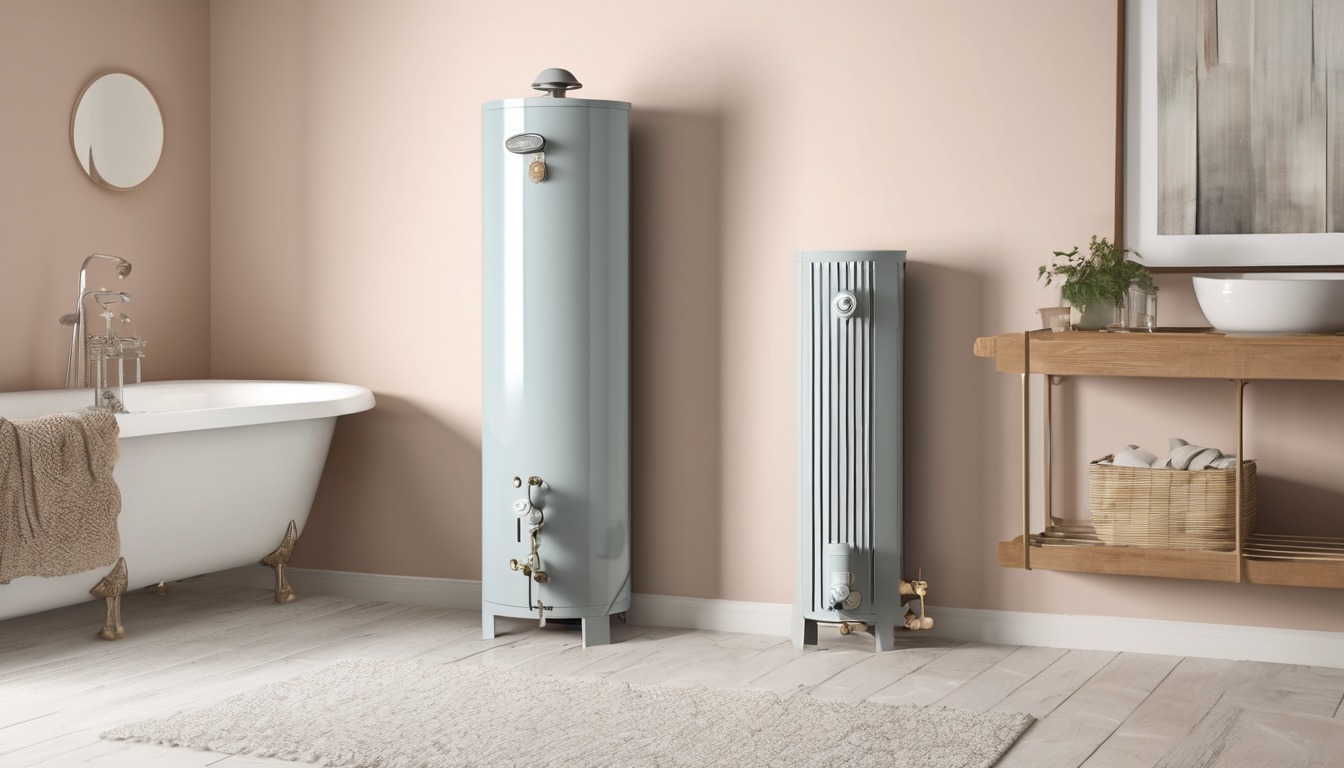
Different water heater designs present unique considerations for Maintaining Water Heater Hygiene and Preventing Scaling. Storage tank heaters, common in Dubai villas and apartments, require regular sediment flushing and anode rod inspection. Tankless models, while generally less prone to scaling, still need periodic descaling to maintain efficiency and prevent damage to heat exchangers. Heat pump water heaters have different maintenance requirements focused on air filters and refrigeration components alongside water-side scaling concerns.
Solar water heating systems popular in Dubai present particular challenges for Maintaining Water Heater Hygiene and Preventing Scaling. These systems often operate at lower temperatures than conventional heaters, potentially increasing microbial growth concerns while still experiencing scale accumulation. The closed-loop designs of many solar systems require different maintenance approaches than open storage tanks. Professional technicians familiar with Dubai’s solar installation patterns understand these variations and adapt their Maintaining Water Heater Hygiene and Preventing Scaling protocols accordingly.
Signs Your Water Heater Needs Maintenance
Recognizing indicators that Maintaining Water Heater Hygiene and Preventing Scaling attention is needed helps prevent major failures and maintain water quality. Reduced hot water quantity or pressure often suggests scale accumulation in pipes or tank outlets. Unusual noises during operation, particularly popping or rumbling sounds, indicate sediment buildup being agitated by heating elements. Discoloured water or unusual odours may signal corrosion issues or bacterial growth requiring immediate attention.
Increased energy bills without changed usage patterns frequently indicate scaling reducing heating efficiency. Visible leaks around the heater or pressure relief valve may stem from corrosion accelerated by scale accumulation. For electric heaters, frequent tripping of circuit breakers suggests heating elements working harder due to insulation by scale deposits. Any of these signs indicate that professional Maintaining Water Heater Hygiene and Preventing Scaling assessment should be scheduled promptly.
Professional Maintenance Protocols and Standards
Professional Maintaining Water Heater Hygiene and Preventing Scaling services in Dubai follow established protocols based on international standards adapted to local conditions. The process typically begins with safety checks and system assessment, including temperature measurements, pressure testing, and visual inspection where possible. Water testing may be conducted to establish baseline quality parameters before proceeding with maintenance procedures.
Descaling procedures vary based on scale severity but generally involve circulation of descaling solutions through the system followed by thorough flushing. For storage tanks, sediment removal through bottom flushing complements chemical descaling. Disinfection follows descaling, using either thermal or chemical methods based on system design and condition. Finally, system reassembly and verification testing ensure proper operation and water quality standards are met. Documentation provided after service includes findings, procedures performed, and recommendations for future maintenance scheduling.
Expert Tips for Maintaining Water Heater Hygiene and Preventing Scaling
Implement these professional recommendations for effective Maintaining Water Heater Hygiene and Preventing Scaling in your Dubai property:
- Set storage temperature to 60°C—sufficient for pathogen control while minimizing rapid scale formation
- Perform monthly brief flushing from the drain valve to remove sediment before it accumulates
- Install whole-house water softening if scaling occurs rapidly despite regular maintenance
- Schedule professional inspection annually, or biannually in areas with particularly hard water
- Insulate hot water pipes to maintain temperature while reducing heater workload
- Address leaks promptly to prevent oxygen introduction that accelerates corrosion
- Document maintenance activities including dates and observations for future reference
- Consider timer controls to reduce heating during low-usage periods while maintaining hygiene
Frequently Asked Questions
How often should water heaters be maintained in Dubai?
Most Dubai households benefit from professional Maintaining Water Heater Hygiene and Preventing Scaling service annually. Properties with very hard water or high usage patterns may require biannual attention. Monthly brief flushing between professional services helps maintain system performance.
Can scaling affect water quality in addition to efficiency?
Yes, scale accumulation creates rough surfaces where bacteria can adhere and form biofilm. This biofilm can affect water taste, odour, and safety. Maintaining Water Heater Hygiene and Preventing Scaling addresses both efficiency and water quality concerns.
Are chemical descalers safe for potable water systems?
Professional-grade descalers used in Maintaining Water Heater Hygiene and Preventing Scaling are formulated for potable water systems and thoroughly flushed after use. DIY chemical choices require careful selection and should be approved for drinking water applications.
What temperature prevents Legionella without excessive scaling?
60°C represents the optimal balance for Maintaining Water Heater Hygiene and Preventing Scaling in Dubai conditions. This temperature controls Legionella while minimizing the rapid scale formation that occurs at higher temperatures.
Do tankless water heaters require less maintenance?
Tankless models generally require less frequent Maintaining Water Heater Hygiene and Preventing Scaling attention but still need periodic descaling. Their heat exchangers can become scaled, reducing efficiency and potentially causing damage if not addressed.
Conclusion
Maintaining Water Heater Hygiene and Preventing Scaling represents an essential aspect of home maintenance in Dubai’s hard water environment. The dual challenges of mineral accumulation and microbial control require balanced approaches that address both efficiency and water quality concerns. Professional maintenance protocols, adapted to Dubai’s specific water conditions and climate patterns, provide the most effective protection for water heating systems.
Regular attention to Maintaining Water Heater Hygiene and Preventing Scaling extends equipment lifespan, reduces energy consumption, and ensures safe water delivery throughout your property. Whether through professional services or informed DIY maintenance between professional visits, consistent care prevents major failures and maintains system performance. The investment in proper Maintaining Water Heater Hygiene and Preventing Scaling protocols returns value through reliable operation and reduced long-term replacement costs.