


Ensuring safe drinking water at home in Dubai begins with understanding that municipal water from DEWA meets international standards at treatment plants, but the journey through building infrastructure and storage tanks introduces potential contamination risks. How to ensure safe drinking water at home requires a multi-layered approach combining professional water tank maintenance, appropriate filtration technology, and regular water quality monitoring. The unique climate conditions in the UAE, with high temperatures accelerating bacterial growth and sediment accumulation, make comprehensive water safety protocols essential for every household.
Proper water safety management involves both visible and invisible protection measures. From the municipal connection point to your tap, water passes through underground tanks, pumping systems, overhead storage, and internal plumbing—each presenting potential contamination points if not properly maintained. How to ensure safe drinking water at home means addressing each of these components systematically rather than relying on any single solution.
Ensure Safe Drinking Water at Home – Understanding Dubai’s Water Infrastructure and Potential Ris
How to ensure safe drinking water at home begins with understanding the complete water journey from DEWA’s treatment facilities to your tap. Municipal water in Dubai undergoes rigorous treatment processes including coagulation, filtration, disinfection, and pH adjustment before entering the distribution network. However, once this water enters private property infrastructure, maintenance responsibility shifts to building owners and residents.
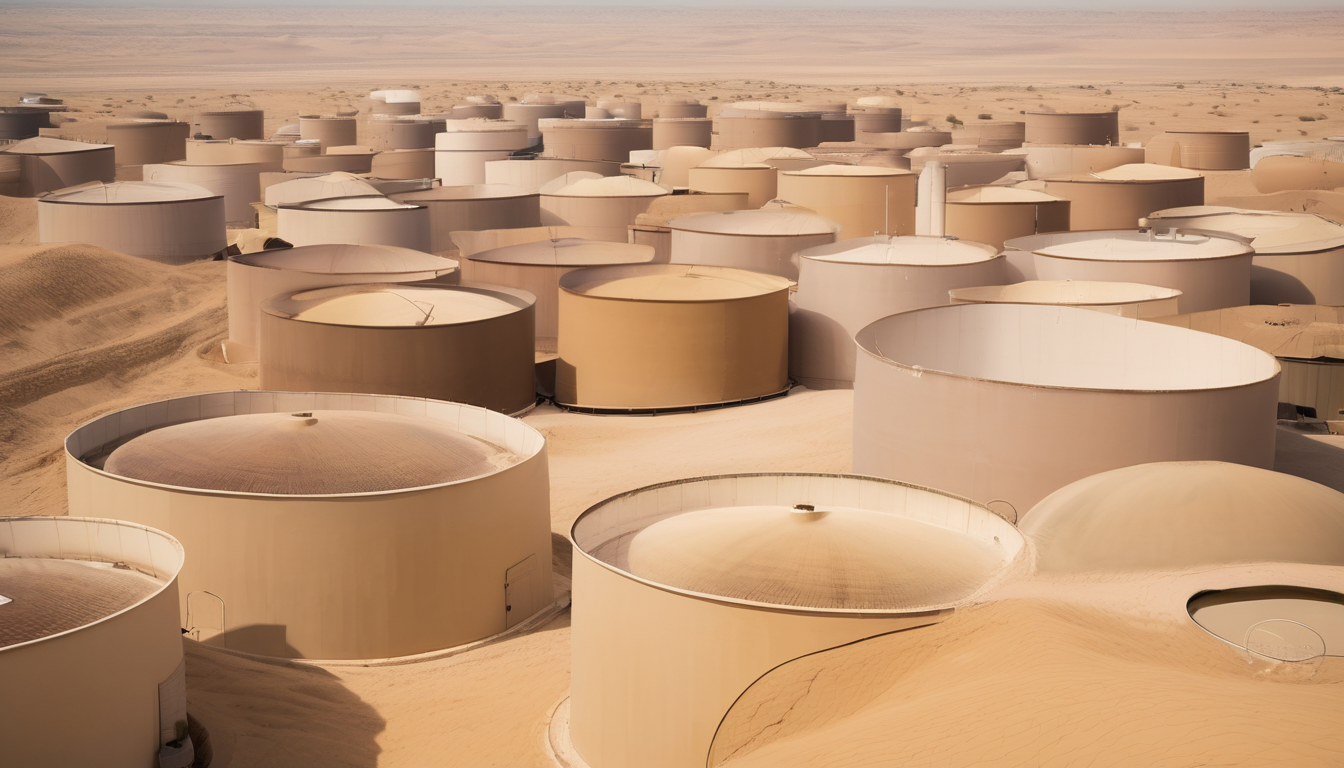
The typical high-rise building or villa water system includes an underground storage tank, booster pumps, overhead tanks, and extensive plumbing networks. Each component requires specific maintenance protocols. Underground tanks are particularly vulnerable to sediment accumulation, biofilm formation, and occasional contamination from environmental factors. Overhead tanks face different challenges including sunlight exposure promoting algae growth and temperature fluctuations affecting chlorine residual levels.
Common Contamination Points in Residential Water Systems
Professional assessments consistently identify several critical points where water quality can deteriorate. Tank sediments accumulate over time, providing breeding grounds for bacteria. Biofilm formation on tank walls and pipes protects microorganisms from disinfection. Cross-connections between potable and non-potable systems, though prohibited by Dubai Municipality regulations, occasionally occur in older buildings. Stagnation in infrequently used outlets allows bacterial proliferation, particularly in guest bathrooms or secondary kitchens.
Ensure Safe Drinking Water at Home – Professional Water Tank Cleaning and Disinfection Protocols
How to ensure safe drinking water at home fundamentally depends on regular professional water tank cleaning following Dubai Municipality approved protocols. The cleaning process begins with complete tank isolation and drainage, followed by mechanical removal of sediments and debris. Certified technicians then perform high-pressure washing using potable water, ensuring all surfaces are thoroughly cleaned.
Disinfection represents the critical second phase of professional tank cleaning. Dubai Municipality approved disinfectants, typically chlorine-based compounds at controlled concentrations, are applied to all interior surfaces. The contact time and concentration are carefully monitored to ensure effective pathogen elimination without leaving excessive residual chemicals. After disinfection, tanks are thoroughly rinsed and refilled with fresh water, followed by water quality testing to verify safety parameters. This relates directly to Ensure Safe Drinking Water at Home.
Frequency Recommendations for Different Property Types
Water tank cleaning frequency varies based on property type and usage patterns. Villa residents should schedule professional cleaning annually, while apartment buildings with larger storage capacities and higher usage rates require semi-annual cleaning. Commercial properties, schools, and medical facilities often benefit from quarterly cleaning schedules due to higher occupancy and stricter hygiene requirements. Properties with historical water quality issues or older infrastructure may need more frequent intervention.
Ensure Safe Drinking Water at Home – Water Filtration Systems for Additional Protection
How to ensure safe drinking water at home typically involves implementing appropriate filtration technology based on specific water quality test results. Point-of-use systems installed under kitchen sinks provide protection specifically for drinking and cooking water. These systems typically incorporate sediment filters, activated carbon blocks, and sometimes reverse osmosis membranes for comprehensive contaminant removal.
Whole-house filtration systems protect all water outlets throughout the property. These systems typically include sediment pre-filters to protect plumbing fixtures and appliances, followed by carbon filtration addressing chlorine taste and odor issues. For properties with specific water quality challenges, additional specialized filtration may include water softeners addressing hardness issues or UV disinfection systems providing continuous bacterial protection.
Selecting Appropriate Filtration Technology
Choosing filtration technology should follow professional water testing rather than guesswork. Properties with high sediment levels benefit from multi-stage sediment filtration. Chlorine-sensitive households may prefer catalytic carbon filters that effectively remove chlorine while preserving beneficial minerals. Reverse osmosis systems provide the most comprehensive protection but require proper maintenance and produce wastewater, making them less suitable for environmentally conscious households without water recycling systems.
Regular Water Quality Testing and Monitoring
How to ensure safe drinking water at home requires establishing a regular water testing protocol rather than relying on visual assessment or taste evaluation. Basic testing parameters should include total dissolved solids (TDS), pH levels, chlorine residual, and microbiological contamination indicators. More comprehensive testing expands to heavy metals, chemical contaminants, and specific pathogen testing when indicated by circumstances.
Professional water testing follows chain-of-custody protocols ensuring sample integrity from collection through laboratory analysis. Dubai residents can access certified laboratories providing water testing services compliant with international standards. Testing frequency should align with risk factors—annually for most households, semi-annually for properties with infants, elderly residents, or immunocompromised individuals, and following any water-related incident or infrastructure work. When considering Ensure Safe Drinking Water at Home, this becomes clear.
Interpreting Water Test Results
Understanding water test results requires professional interpretation rather than simply comparing numbers to standards. TDS levels between 150-500 ppm are generally acceptable in Dubai, while levels exceeding 1000 ppm indicate potential issues. pH should remain between 6.5-8.5 for optimal water stability and plumbing protection. Absence of chlorine residual may indicate bacterial contamination risk, while excessive chlorine causes taste issues and may indicate other water quality problems.
Maintaining Plumbing Systems and Fixtures
How to ensure safe drinking water at home extends beyond tanks and filtration to the entire plumbing infrastructure. Older properties may have plumbing materials that leach contaminants into water, particularly when water stands in pipes for extended periods. Lead solder joints, brass fixtures with high lead content, and deteriorating pipes can all contribute to water quality degradation.
Regular plumbing maintenance includes inspecting visible pipes for corrosion, checking water pressure to identify potential leaks, and flushing infrequently used outlets to prevent stagnation. Temperature management proves particularly important in Dubai’s climate—hot water temperatures should maintain at least 60°C at the heater to prevent Legionella growth, while cold water should remain below 20°C to inhibit bacterial proliferation.
Emergency Preparedness and Response Protocols
How to ensure safe drinking water at home requires planning for unexpected water quality incidents. Property owners should establish clear protocols for responding to water discoloration, unusual odors, or taste changes. Immediate steps include avoiding consumption of affected water, identifying potential causes, and engaging professional assessment services.
Emergency water safety kits should include alternative water sources, basic testing strips, and contact information for professional water services. Properties should maintain records of recent water test results, tank cleaning dates, and filtration system maintenance schedules to facilitate rapid assessment during incidents. Developing relationships with trusted water professionals before emergencies occur ensures prompt response when needed.
Implementing Comprehensive Water Safety Management
How to ensure safe drinking water at home ultimately involves creating a integrated water safety plan rather than implementing isolated measures. This plan should document all water system components, maintenance schedules, testing protocols, and emergency procedures. Property managers should maintain detailed records including tank cleaning certificates, water test results, filter replacement dates, and any incidents or repairs.
Effective water safety management combines professional services with daily homeowner practices. Regular visual inspection of water clarity and temperature monitoring provide early warning of potential issues. Prompt attention to changes in water pressure, unusual sounds from plumbing systems, or unexpected increases in water consumption can identify developing problems before they affect water quality.
Expert Tips for Maintaining Water Safety at Home
How to ensure safe drinking water at home involves implementing practical daily practices alongside professional services. Run cold water taps for 30-60 seconds each morning before use to flush stagnant water from pipes. Regularly clean and disinfect aerators on faucets where sediment and bacteria can accumulate. Maintain water heaters at appropriate temperatures and drain sediment annually to prevent bacterial growth and maintain efficiency.
Monitor water bills for unexpected usage increases that might indicate hidden leaks allowing contamination entry points. Keep emergency water supplies for at least three days, rotating stored water every six months. Establish relationships with certified water professionals before emergencies occur, ensuring prompt response when needed. Document all maintenance activities and test results in a dedicated water safety log for reference and compliance purposes.
Frequently Asked Questions
How often should water tanks be cleaned in Dubai homes?
Dubai Municipality guidelines recommend annual water tank cleaning for most residential properties. However, villas with larger storage capacities, buildings with higher occupancy rates, and properties with historical water quality issues may benefit from semi-annual cleaning. Professional assessment considering tank material, usage patterns, and previous test results provides the most appropriate cleaning frequency recommendation.
What are the signs that home water quality may be compromised?
Visible indicators include water discoloration, sediment presence, or unusual cloudiness. Olfactory signs involve chlorine-like, musty, or earthy odors. Taste changes including metallic, salty, or chemical notes suggest potential issues. Skin irritation after bathing or gastrointestinal symptoms after consumption warrant immediate professional water testing and assessment.
Do I need both whole-house filtration and point-of-use systems?
Most Dubai households benefit from whole-house sediment filtration protecting plumbing and appliances, combined with point-of-use systems specifically for drinking and cooking water. The combination approach addresses different contamination risks—whole-house systems protect against sediment and some chemicals, while point-of-use systems provide higher level protection for consumption water. The importance of Ensure Safe Drinking Water at Home is evident here.
How can I verify my water tank cleaning was performed properly?
Professional tank cleaning services should provide before-and-after photographs, detailed service reports documenting procedures followed, and water test results confirming safety parameters. Dubai Municipality approved providers issue certificates of completion indicating compliance with established protocols. Post-cleaning water should appear clear, taste neutral, and test within safety parameters for chlorine residual and microbiological contamination.
What should I do if I notice sudden changes in my water quality?
Immediately stop consuming the water and contact a professional water service provider for emergency assessment. Avoid attempting DIY fixes that might complicate professional diagnosis. Document the changes with photographs and notes about when they began. Notify all household members and provide alternative water sources until professional assessment confirms safety.
How to ensure safe drinking water at home represents an ongoing commitment rather than a one-time project. The combination of professional tank maintenance, appropriate filtration technology, regular testing, and informed daily practices creates comprehensive protection for Dubai households. By understanding the complete water system from municipal connection to tap, residents can implement effective strategies ensuring water safety for their families.