


Testing your home water quality in Dubai begins with understanding that municipal water from DEWA meets international standards at the treatment plant, but water quality can change during storage and distribution through building tanks and pipelines. The most reliable approach to how to test your home water quality in Dubai involves a combination of visual inspection, simple home testing methods, and professional laboratory analysis when concerning signs appear.
As a water tank cleaning specialist with over twelve years of experience servicing Dubai homes and buildings, I’ve seen how seasonal changes, tank maintenance schedules, and pipeline conditions affect water quality. The process of how to test your home water quality in Dubai requires attention to specific local factors including high temperatures that accelerate bacterial growth, sand and sediment accumulation from frequent dust storms, and the potential for biofilm formation in poorly maintained storage systems.
Test Your Home Water Quality in Dubai – Understanding Dubai’s Water Quality Standards
Before learning how to test your home water quality in Dubai, it’s essential to understand the baseline standards. Dubai Electricity and Water Authority (DEWA) provides water that meets World Health Organization guidelines, with regular testing at treatment plants and distribution points. However, once water enters your building’s storage system, responsibility for maintaining quality shifts to property owners and facility managers.
Key parameters for how to test your home water quality in Dubai include microbial contamination (total coliform and E. coli), chemical parameters (chlorine residual, pH levels, total dissolved solids), and physical characteristics (turbidity, colour, odour). The Dubai Municipality guidelines specify acceptable ranges for these parameters in potable water, particularly for residential buildings, schools, and healthcare facilities.
Test Your Home Water Quality in Dubai – Initial Visual and Sensory Assessment Methods
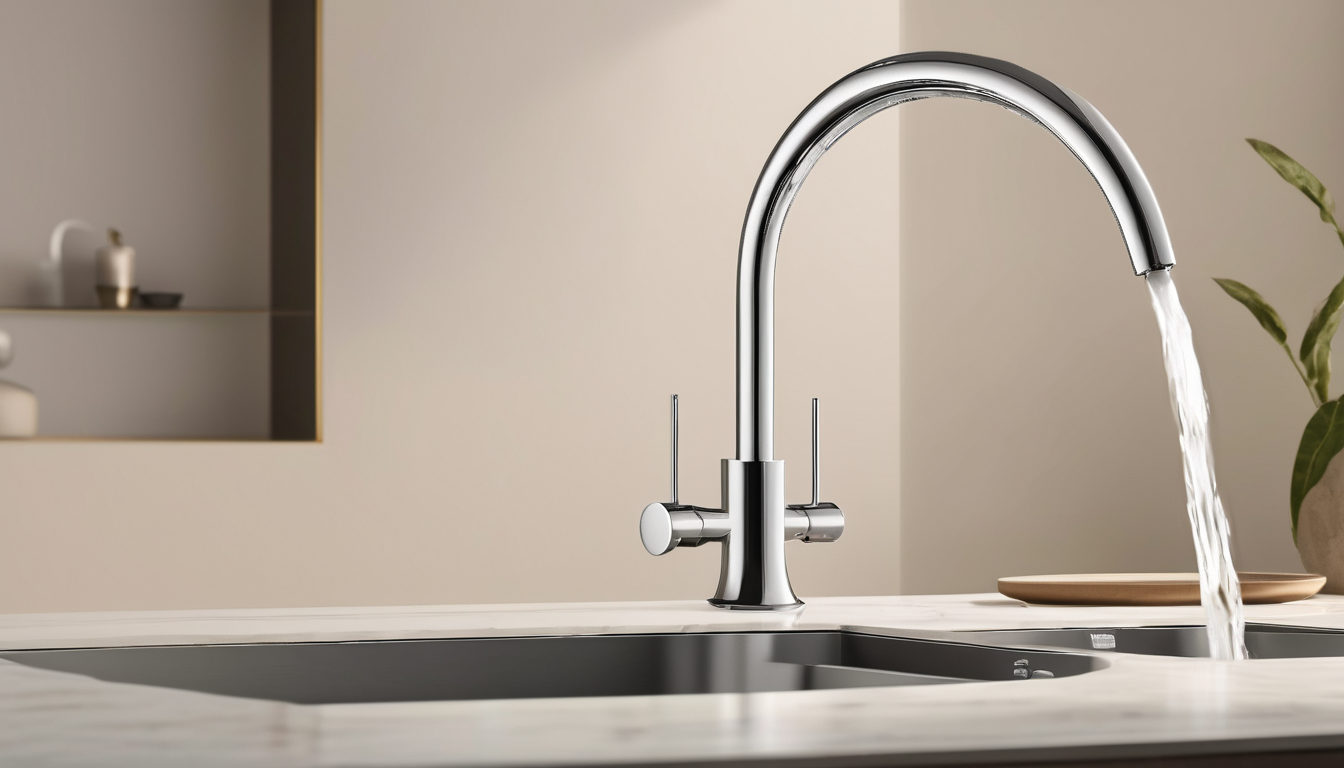
The first step in how to test your home water quality in Dubai involves simple observational techniques. Fill a clear glass with cold water from your kitchen tap and let it sit for one minute. Observe for cloudiness, suspended particles, or unusual colouration. Dubai’s water typically contains higher mineral content, so some sediment might be visible, but excessive cloudiness indicates potential issues.
Next, assess odour and taste. Chlorine smell is normal and indicates active disinfection, but musty, earthy, or sewage-like odours suggest bacterial growth or contamination. For taste assessment, take a small sip – metallic tastes might indicate corrosion in pipes, while bitter or chemical tastes could signal other issues. Remember that taste testing should only be done if water appears clear and odour-free.
Common Visual Indicators of Water Quality Issues
When learning how to test your home water quality in Dubai, specific visual cues help identify problems. Brown or yellow water often indicates rust from corroded pipes or sediment disturbance in tanks. Greenish tint might suggest algae growth in overhead tanks exposed to sunlight. Milky appearance that clears after standing indicates air bubbles, which is normal, but persistent cloudiness suggests particulate contamination.
Test Your Home Water Quality in Dubai – Simple Home Testing Kits for Basic Parameters
For homeowners wanting to know how to test your home water quality in Dubai without professional equipment, several home testing kits are available. These typically include test strips for pH, chlorine, hardness, and sometimes basic bacterial indicators. Dip the strips into water samples according to instructions and compare colours to provided charts.
pH testing is particularly important in Dubai’s water quality assessment. Ideal drinking water pH ranges between 6.5 and 8.5. Values outside this range can affect taste and indicate corrosion or scaling issues. Chlorine test strips help determine if sufficient disinfectant remains in the water after storage – levels between 0.2-0.5 mg/L are desirable for maintaining microbial safety without strong taste.
Professional Water Quality Testing Methods
For comprehensive understanding of how to test your home water quality in Dubai, professional laboratory analysis provides the most accurate results. Certified labs in Dubai, including those approved by Dubai Municipality, offer water testing packages that typically include microbiological examination, chemical analysis, and physical parameter assessment.
The professional approach to how to test your home water quality in Dubai involves proper sample collection. Use sterile containers provided by the testing laboratory, collect samples from cold water taps after letting water run for one minute, and ensure samples reach the lab within specified timeframes (usually within 6 hours for bacterial tests). Testing typically includes total coliform count, E. coli presence, Pseudomonas aeruginosa, heterotrophic plate count, and Legionella pneumophila screening.
Interpreting Water Quality Test Results
Understanding how to test your home water quality in Dubai includes knowing how to interpret results. Microbial tests should show no presence of E. coli or total coliforms in 100ml samples. Presence indicates contamination requiring immediate attention. Heterotrophic plate counts below 500 CFU/ml are generally acceptable, while higher counts suggest bacterial growth in the system.
Chemical parameters help complete the picture of how to test your home water quality in Dubai. Total dissolved solids (TDS) in Dubai tap water typically range between 150-500 mg/L, influenced by source water and pipeline conditions. Chlorine residual should be detectable but not excessive. Heavy metal levels should be within WHO guidelines, particularly lead and copper from older plumbing systems.
When to Seek Professional Water Testing Services
Certain situations require professional intervention when considering how to test your home water quality in Dubai. These include visible sediment or discolouration that persists after flushing taps, unusual odours or tastes, recent water tank cleaning or maintenance work, installation of new filtration systems, or if household members experience gastrointestinal issues that might be water-related.
As part of how to test your home water quality in Dubai, property managers should arrange professional testing annually for residential buildings, twice yearly for schools and healthcare facilities, and quarterly for buildings with history of water quality issues. Testing should also follow any contamination incidents, pipeline repairs, or changes to water storage systems.
Maintaining Water Quality Between Tests
Knowing how to test your home water quality in Dubai is only part of the solution – maintaining quality between tests is equally important. Ensure regular water tank cleaning as per Dubai Municipality guidelines (typically every 6 months for overhead tanks, annually for underground tanks). Maintain proper chlorine residual levels, address pipeline corrosion issues promptly, and ensure tank lids are secure to prevent contamination.
For families learning how to test your home water quality in Dubai, implementing point-of-use filtration systems can provide additional protection. Choose systems certified against appropriate standards for contaminant removal, and maintain them according to manufacturer recommendations to ensure continued effectiveness.
Expert Tips for Water Quality Management
Based on my experience with how to test your home water quality in Dubai, these professional tips help maintain safer water: Always run cold water for 30-60 seconds before use if taps haven’t been used for several hours. This flushes stagnant water that might have accumulated contaminants. Keep records of all test results to track changes over time and identify developing issues.
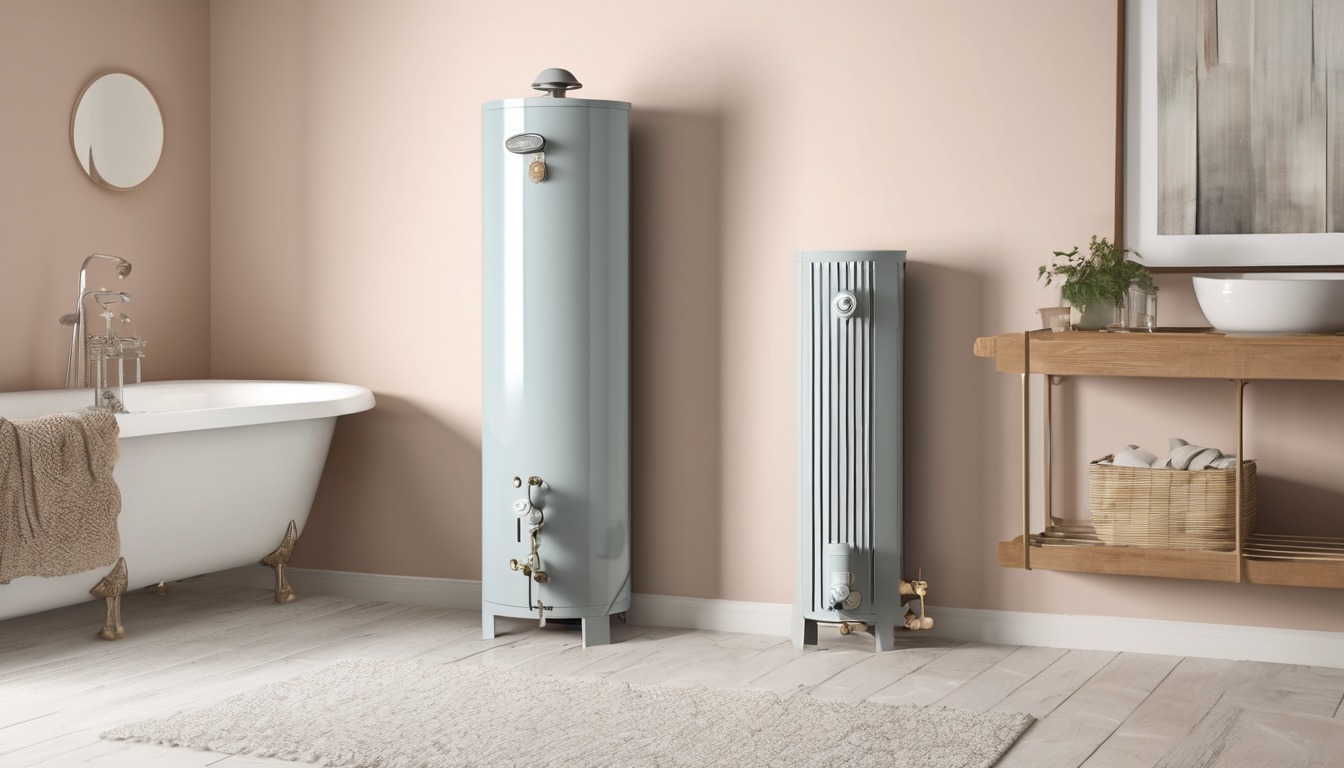
Install sediment filters on main water lines to capture particles before they reach taps. Ensure water heaters are maintained regularly as they can harbour bacteria if temperatures are set too low. Consider installing automatic chlorination systems for larger buildings to maintain consistent disinfectant levels throughout the water system.
Frequently Asked Questions
How often should I test my home water quality in Dubai?
For most Dubai homes, annual professional testing is sufficient if no issues are apparent. Buildings with storage tanks should test every six months, while facilities with vulnerable populations (children, elderly, medically compromised) should consider quarterly testing. Always test after noticing changes in water appearance, taste, or odour.
What is the cost of professional water testing in Dubai?
Basic water quality tests in Dubai start from approximately 400 AED for standard parameters, with comprehensive testing including heavy metals and specialized bacterial screening costing 800-1500 AED depending on the laboratory and scope of analysis. Many companies offer package pricing for regular monitoring contracts.
Can I rely on home testing kits alone?
Home testing kits provide useful preliminary information but cannot replace professional laboratory analysis for complete safety assurance. Use home tests for regular monitoring between professional assessments, but rely on certified labs for definitive results, especially when contamination is suspected or for compliance purposes.
What should I do if test results show contamination?
If water quality tests indicate contamination, immediately stop using tap water for drinking or cooking. Contact a Dubai Municipality-approved water tank cleaning and disinfection company to inspect and clean your storage system. Retest after remediation to confirm the issue has been resolved before resuming normal water use.
Does boiling water solve all quality issues?
Boiling water kills most harmful microorganisms but does not remove chemical contaminants, heavy metals, or particulate matter. While boiling provides emergency protection against biological threats, it should not replace proper water quality management and regular testing for comprehensive safety assurance.
Understanding how to test your home water quality in Dubai empowers residents to take control of their water safety. While DEWA provides high-quality water to your property boundary, the final responsibility for maintaining that quality through your storage and distribution systems rests with building owners and residents. Regular testing, combined with proper maintenance and prompt attention to any issues, ensures the water from your taps remains safe, clean, and pleasant to use for all household needs.