



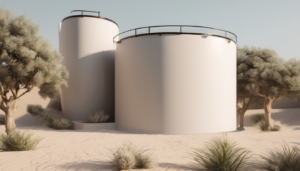


Common waterborne illnesses from contaminated tanks represent a significant health concern for Dubai residents, particularly during the summer months when water stagnation and high temperatures create ideal conditions for pathogen growth. These illnesses typically manifest as gastrointestinal distress, skin irritations, or respiratory issues, with symptoms ranging from mild discomfort to serious medical complications requiring hospital treatment. The risk increases substantially when water tanks remain uncleaned beyond the recommended six-month interval, allowing sediment accumulation and biofilm formation to progress unchecked.
Dubai’s climate accelerates the contamination process through elevated water temperatures that promote bacterial proliferation and increased dust settlement that introduces organic matter into storage systems. Many homeowners remain unaware of the gradual deterioration occurring within their water tanks until family members begin experiencing unexplained health symptoms. Professional assessment frequently reveals that common waterborne illnesses from contaminated tanks originate from overlooked maintenance schedules rather than sudden contamination events.
Common Waterborne Illnesses from Contaminated Tanks – How contaminated water tanks cause illness in Dubai homes
Common waterborne illnesses from contaminated tanks develop through three primary pathways: bacterial colonization, viral contamination, and parasitic infiltration. Legionella pneumophila represents perhaps the most concerning bacterial pathogen in Dubai’s climate, thriving in water temperatures between 20-45°C commonly found in roof tanks during summer months. This bacterium causes Legionnaires’ disease, a severe form of pneumonia that requires hospital treatment and poses particular risks for elderly residents and those with compromised immune systems.
Biofilm formation creates an additional layer of risk by providing protective environments where pathogens resist standard disinfection measures. These slimy microbial communities develop on tank walls and sediment layers, releasing continuous contamination into the water supply. Common waterborne illnesses from contaminated tanks frequently originate from biofilm disruption during water usage, which releases concentrated bursts of pathogens into the distribution system.
The role of sediment accumulation
Sediment layers at the bottom of water tanks serve as breeding grounds for microorganisms by providing nutrients and protection from disinfectants. Sand and dust particles entering through tank vents combine with organic matter to create an ideal environment for pathogen multiplication. This sediment reservoir explains why common waterborne illnesses from contaminated tanks often persist even after superficial cleaning, as disinfection cannot penetrate accumulated layers without mechanical removal.
Common Waterborne Illnesses from Contaminated Tanks – Most prevalent waterborne illnesses in Dubai households
Gastrointestinal infections dominate the spectrum of common waterborne illnesses from contaminated tanks, with symptoms including diarrhoea, vomiting, abdominal cramps, and fever. Escherichia coli (E. coli) contamination frequently originates from biofilm formation in tanks with compromised seals or insect infiltration. These cases often cluster within households or buildings rather than appearing as isolated incidents, particularly when multiple families share a central water storage system.
Skin and soft tissue infections represent another category of common waterborne illnesses from contaminated tanks, particularly Pseudomonas aeruginosa infections that cause folliculitis and ear infections. These present as itchy red bumps, particularly after showering, and often get misdiagnosed as allergic reactions or heat rash. Dubai residents might experience these symptoms without recognising their connection to water quality issues.
Respiratory complications
Inhalation of contaminated water droplets during showering represents the transmission route for Legionella bacteria, making respiratory infections among the most serious common waterborne illnesses from contaminated tanks. Symptoms mimic severe influenza with high fever, chills, and cough, potentially progressing to pneumonia if untreated. Those with existing respiratory conditions face elevated risks from these pathogens.
Common Waterborne Illnesses from Contaminated Tanks – Identifying symptoms of tank-related waterborne illnesses
Recognition of common waterborne illnesses from contaminated tanks begins with tracking symptom patterns among household members. Gastrointestinal issues that affect multiple family members simultaneously, particularly without shared food consumption, strongly suggest waterborne transmission. Symptoms typically appear within 24-48 hours of exposure and may persist for several days despite treatment.
Skin manifestations of common waterborne illnesses from contaminated tanks often appear as persistent rashes that resist standard dermatological treatments. These frequently affect areas with high water contact – under shower flow, around hairlines, and on limbs. Unlike allergic reactions, these symptoms don’t respond to antihistamines and may worsen with continued exposure to contaminated water.
Prevention strategies for Dubai homeowners
Preventing common waterborne illnesses from contaminated tanks requires a multi-layered approach combining regular maintenance, proper tank design, and vigilant monitoring. Semi-annual professional cleaning represents the foundation of prevention, with additional cleaning recommended following sandstorms or visible water quality changes. Tank inspection during cleaning sessions identifies structural issues that could compromise water safety.
Temperature management helps control common waterborne illnesses from contaminated tanks by maintaining water below 20°C or above 60°C – ranges that inhibit bacterial growth. Dubai homeowners should consider insulating roof tanks to reduce temperature fluctuations and positioning them to minimise direct sunlight exposure during peak hours. These measures complement rather than replace mechanical cleaning protocols.
Water quality monitoring
Regular water testing provides early warning signs before common waterborne illnesses from contaminated tanks develop. Simple visual inspection for sediment presence, colour changes, or unusual odours serves as initial indicators, while laboratory testing identifies microbial contamination invisible to the naked eye. Dubai Municipality guidelines recommend annual potable water testing for residential buildings.
Professional cleaning protocols that prevent illnesses
Eliminating common waterborne illnesses from contaminated tanks requires comprehensive cleaning methodologies that address both visible contamination and microbial reservoirs. Certified technicians follow Dubai Municipality-approved protocols involving complete drainage, mechanical scrubbing, high-pressure rinsing, and approved disinfectant application. The process concludes with thorough rinsing and water quality verification before returning the tank to service.
Biofilm removal represents the critical step in preventing common waterborne illnesses from contaminated tanks, as these microbial communities harbour pathogens and resist surface-level disinfection. Professional cleaning incorporates specialised tools and techniques to disrupt and remove biofilm matrices from tank surfaces, particularly in corners and joints where accumulation occurs. This thorough approach distinguishes professional cleaning from DIY attempts.
When to seek medical attention for suspected waterborne illness
Medical consultation becomes necessary when symptoms of common waterborne illnesses from contaminated tanks persist beyond 48 hours, involve high fever, or cause dehydration signs such as reduced urine output or dizziness. Vulnerable individuals including young children, elderly residents, and those with compromised immunity should seek prompt medical assessment rather than waiting for symptom resolution.
Healthcare providers should receive complete information about suspected water contamination when treating common waterborne illnesses from contaminated tanks. This enables appropriate testing and treatment selection while contributing to public health monitoring. Dubai’s health authorities track waterborne disease patterns to identify potential outbreaks and contamination sources.
Legal and regulatory considerations in Dubai
Dubai Municipality regulations establish clear requirements for water tank maintenance in residential and commercial properties. Building owners bear responsibility for preventing common waterborne illnesses from contaminated tanks through scheduled cleaning and documentation retention. Regulations specify cleaning frequency, method standards, and disinfection protocols that professionals must follow.
Documentation of cleaning procedures provides protection against liability concerns regarding common waterborne illnesses from contaminated tanks. Property managers should maintain service records including before-and-after photographs, cleaning checklists, and water test results. These documents demonstrate due diligence and compliance with municipal requirements.
Expert recommendations for Dubai households
Preventing common waterborne illnesses from contaminated tanks begins with adopting a proactive maintenance mindset rather than waiting for problems to emerge. Engage certified professionals for semi-annual cleaning using Dubai Municipality-approved protocols and insist on comprehensive documentation of services performed. Between professional cleanings, conduct monthly visual inspections of water clarity and sediment accumulation.
Consider installing additional protective measures such as tank covers, improved ventilation filters, and secondary disinfection systems for properties with historical contamination issues. These investments prove particularly valuable for households with vulnerable residents or those experiencing recurrent common waterborne illnesses from contaminated tanks despite regular cleaning schedules.
Immediate action steps
Upon suspecting common waterborne illnesses from contaminated tanks, immediately arrange for professional water testing and tank inspection. Avoid using potentially contaminated water for drinking, food preparation, or bathing until verification occurs. Notify all household members about the potential issue to prevent continued exposure while investigations proceed.
Frequently Asked Questions
How quickly can waterborne illnesses develop after tank contamination?
Symptoms of common waterborne illnesses from contaminated tanks typically appear within 24-72 hours of exposure, though this varies by pathogen type and individual susceptibility. Gastrointestinal symptoms often manifest most rapidly, while respiratory infections may develop over several days following exposure through aerosolised water droplets.
Can boiling water prevent illnesses from contaminated tanks?
Boiling effectively kills most pathogens causing common waterborne illnesses from contaminated tanks when practised consistently at rolling boil for至少 one minute. However, this approach doesn’t address the underlying contamination source and becomes impractical for all household water uses. Professional cleaning remains necessary to eliminate the contamination reservoir.
What makes Dubai homes particularly susceptible to tank contamination?
Dubai’s climate conditions accelerate the development of common waterborne illnesses from contaminated tanks through high temperatures that promote bacterial growth, frequent sandstorms that introduce sediment, and high humidity that encourages microbial proliferation. These factors combine to create challenging maintenance conditions requiring vigilant attention.
How often should water tanks be cleaned to prevent illnesses?
Dubai Municipality guidelines recommend semi-annual cleaning for residential water tanks to prevent common waterborne illnesses from contaminated tanks. Properties with historical contamination issues, large storage capacities, or vulnerable residents may benefit from quarterly cleaning, particularly during peak summer months when contamination risks escalate.
Are certain types of water tanks more resistant to contamination?
GRP (glass-reinforced plastic) tanks generally demonstrate better resistance to biofilm formation compared to concrete tanks, reducing risks of common waterborne illnesses from contaminated tanks. However, no tank material eliminates contamination risk entirely – regular professional cleaning remains essential regardless of tank construction type.
What should I do if multiple family members experience symptoms simultaneously?
Simultaneous illness among household members strongly suggests common waterborne illnesses from contaminated tanks. Immediately arrange for professional water testing and tank inspection while using bottled water for consumption and hygiene. Seek medical attention for affected individuals and inform healthcare providers about the potential water contamination source.
Common waterborne illnesses from contaminated tanks represent a preventable health concern when addressed through systematic maintenance and professional cleaning protocols. Dubai homeowners who adopt regular cleaning schedules, vigilant monitoring practices, and prompt response to contamination signs effectively protect their households from these preventable health issues. The combination of professional expertise and homeowner vigilance creates the most reliable defence against waterborne pathogens in residential settings.