


Maintaining clean, safe water in your Dubai home requires understanding the various disinfection chemicals available for water tank treatment. This water tank disinfection chemicals comparison guide provides essential information for villa owners, property managers, and facility maintenance teams across the UAE. With Dubai’s unique climate conditions and strict municipal regulations, choosing the right disinfection approach becomes crucial for family health and compliance. This water tank disinfection chemicals comparison guide examines the most effective solutions approved for use in the region, their applications, and how they compare in terms of effectiveness, safety, and cost.
The extreme heat and dust conditions in Dubai create particular challenges for water storage systems. Underground and overhead tanks can develop sediment buildup, bacterial growth, and biofilm formation more rapidly than in cooler climates. This makes regular disinfection not just recommended but essential for maintaining water quality. Through this water tank disinfection chemicals comparison guide, you’ll gain practical insights into selecting the right treatment method for your specific situation, whether you’re maintaining a villa water system, apartment building storage, or commercial facility tanks.
Water Tank Disinfection Chemicals Comparison Guide – Understanding Water Tank Disinfection Chemicals
Water tank disinfection chemicals serve the primary purpose of eliminating harmful microorganisms, preventing biofilm formation, and maintaining water quality between cleaning cycles. In Dubai’s climate, where temperatures frequently exceed 40°C, microbial growth accelerates, making chemical disinfection particularly important. The right water tank disinfection chemicals comparison guide helps property owners understand which solutions work best against specific contaminants commonly found in UAE water systems.
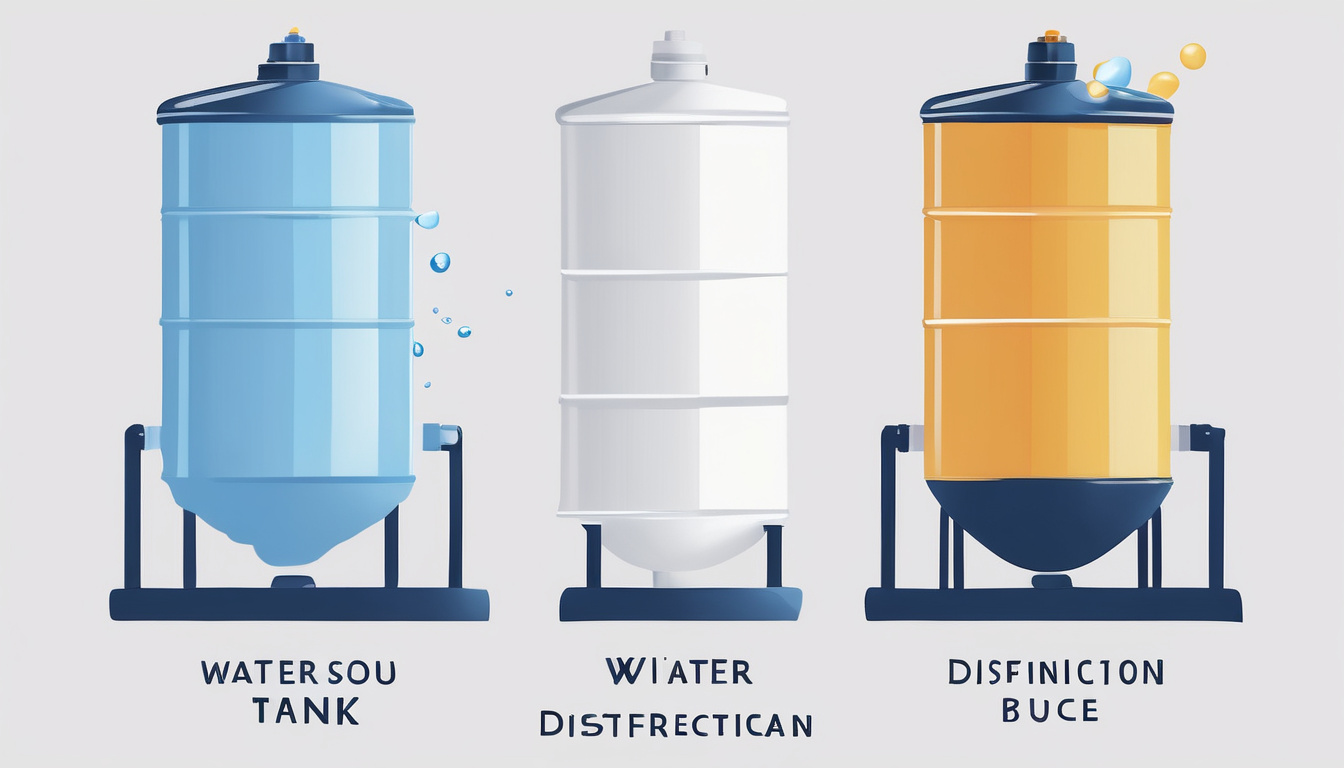
Different chemicals target various types of contaminants. Chlorine-based products effectively kill bacteria and viruses, while hydrogen peroxide works well against algae and some stubborn bacteria. Silver-stabilised peroxide offers extended protection against reinfection. This water tank disinfection chemicals comparison guide examines how each option performs under Dubai’s specific environmental conditions, including high mineral content in water and extreme temperature fluctuations that can affect chemical stability and effectiveness.
Water Tank Disinfection Chemicals Comparison Guide – Chlorine-Based Disinfectants Comparison
Chlorine remains the most widely used disinfectant in Dubai water treatment due to its effectiveness and residual protection. Sodium hypochlorite (liquid chlorine) and calcium hypochlorite (granular or tablet form) are both approved by Dubai Municipality for potable water disinfection. This section of our water tank disinfection chemicals comparison guide examines their relative strengths: sodium hypochlorite works quickly but dissipates faster, while calcium hypochlorite provides longer-lasting residual protection.
For typical villa water tanks ranging from 1,000 to 5,000 litres, professional disinfection using chlorine solutions typically costs between AED 350 and AED 800 depending on tank accessibility and condition. The concentration required varies based on water quality, but Dubai Municipality guidelines generally recommend maintaining 0.2-0.5 ppm free chlorine residual in drinking water. This water tank disinfection chemicals comparison guide emphasizes that proper dosage calculation is critical—too little chlorine fails to disinfect effectively, while excess chlorine can create unpleasant tastes and potentially harmful byproducts.
Water Tank Disinfection Chemicals Comparison Guide – Non-Chlorine Alternatives Assessment
For situations where chlorine sensitivity or byproduct concerns exist, several non-chlorine alternatives show effectiveness in water tank disinfection. Hydrogen peroxide (H₂O₂) serves as a powerful oxidizer that eliminates bacteria, viruses, and algae without creating chlorinated byproducts. Silver-stabilised hydrogen peroxide offers extended antimicrobial protection, making it particularly valuable for tanks that experience rapid recontamination. This water tank disinfection chemicals comparison guide notes that these alternatives typically cost 20-30% more than chlorine treatments but provide benefits for specific applications.
Ozone treatment represents another non-chemical option that’s gaining popularity in commercial applications throughout Dubai. While not a chemical in the traditional sense, ozone generators produce O₃ on-site that effectively disinfects water without residual chemicals. UV light systems provide another chemical-free option, though they offer no residual protection. This water tank disinfection chemicals comparison guide finds that combination approaches often work best—using UV or ozone for primary disinfection with minimal chemical residuals for ongoing protection.
Dubai Municipality Approved Chemicals
Dubai Municipality maintains strict guidelines regarding which water disinfection chemicals may be used in potable water systems. This water tank disinfection chemicals comparison guide focuses exclusively on approved substances that meet UAE safety standards. Approved chlorine compounds must meet specific purity standards and concentration guidelines. Professional water tank cleaning companies in Dubai must use DM-approved chemicals and maintain documentation of their sources and safety data sheets.
When reviewing this water tank disinfection chemicals comparison guide, Dubai residents should verify that any service provider uses only approved substances. Unapproved chemicals may leave harmful residues or create dangerous byproducts when interacting with Dubai’s typically hard water. The municipality periodically updates its approved chemicals list, so professional providers must stay current with regulation changes. This water tank disinfection chemicals comparison guide recommends asking service providers for proof of chemical approvals before proceeding with tank disinfection.
Chemical Effectiveness Against Contaminants
Different disinfectants show varying effectiveness against specific contaminants common in Dubai water tanks. This water tank disinfection chemicals comparison guide breaks down performance against typical issues: chlorine excels against bacteria like E. coli and legionella, while hydrogen peroxide shows superior performance against algae and biofilm. Silver ions provide ongoing protection against bacterial regrowth, making them valuable in between professional cleaning cycles.
For addressing legionella bacteria—a particular concern in Dubai’s warm water systems—this water tank disinfection chemicals comparison guide finds that chlorine dioxide often shows superior effectiveness compared to standard chlorine treatments. However, chlorine dioxide requires more careful handling and precise dosing equipment. Against stubborn biofilm that accumulates on tank walls, combination treatments often work best: mechanical cleaning followed by hydrogen peroxide treatment to remove existing biofilm, then chlorine residual to prevent regrowth.
Safety Considerations for UAE Homes
Safety represents a critical factor in any water tank disinfection chemicals comparison guide, particularly for residential applications where families consume and bathe in the water. All disinfectants must be used at concentrations that eliminate pathogens while remaining safe for human exposure. Dubai Municipality sets maximum residual limits for each approved chemical, and professional applicators must test water after treatment to ensure compliance.
This water tank disinfection chemicals comparison guide emphasizes that proper rinsing after chemical application is essential—especially when using stronger disinfectants or higher concentrations for initial treatment. Families with small children, elderly members, or individuals with chemical sensitivities should discuss options with their water treatment professional. Some households may prefer hydrogen peroxide treatments which break down into water and oxygen, leaving no chemical residual, though this requires more frequent application in Dubai’s warm climate.
Cost Comparison of Disinfection Methods
The financial aspect of any water tank disinfection chemicals comparison guide matters significantly to Dubai homeowners and property managers. Chlorine-based treatments typically represent the most cost-effective option, with materials costing approximately AED 200-400 for an average villa tank treatment. Hydrogen peroxide treatments generally range from AED 300-500 for materials, while silver-stabilised peroxide systems involve higher upfront costs but longer protection periods.
This water tank disinfection chemicals comparison guide notes that professional application costs vary based on tank accessibility, with underground tanks typically costing more to treat than accessible overhead tanks. For a standard 2,000-litre overhead tank in a Dubai villa, professional disinfection using chlorine typically costs AED 450-600, while hydrogen peroxide treatment might range from AED 550-750. These prices include labor, materials, and post-treatment water testing to ensure safety standards are met.
Application Techniques and Best Practices
Proper application significantly affects the effectiveness of any disinfection chemical. This water tank disinfection chemicals comparison guide emphasizes that concentration, contact time, and distribution matter as much as chemical selection. Dubai’s warm water temperatures generally allow for shorter contact times than cooler climates, but professional applicators must calculate dosages based on water volume, temperature, and organic load.
Best practices highlighted in this water tank disinfection chemicals comparison guide include pre-cleaning to remove sediment, ensuring even chemical distribution throughout the tank, maintaining adequate contact time, thorough rinsing when required, and post-treatment water testing. For chlorine treatments, professionals should test free chlorine levels at multiple points in the system to ensure proper dispersion. This water tank disinfection chemicals comparison guide recommends documenting all treatments, including chemical types, concentrations, and test results for future reference and compliance purposes.
Expert Tips for Chemical Disinfection in Dubai
- Always use Dubai Municipality-approved chemicals and verify your service provider’s compliance documentation
- Consider water testing before treatment to identify specific contaminants and determine appropriate chemical selection
- For family homes, discuss chemical options with your service provider, especially if household members have sensitivities
- Ensure proper rinsing after chemical treatment to eliminate excess disinfectant before returning tanks to service
- Maintain records of all chemical treatments, including product names, concentrations, and application dates
- Schedule regular professional inspections to assess chemical effectiveness and identify when treatment adjustments are needed
- Combine chemical disinfection with mechanical cleaning for comprehensive tank maintenance
Frequently Asked Questions
How often should chemical disinfection be performed in Dubai water tanks?
Most Dubai homes require professional chemical disinfection every 6 months, though tanks in high-dust areas or with visible sediment may need quarterly treatment. Regular visual inspections help determine appropriate frequency.
Are chemical disinfectants safe for drinking water?
When used according to Dubai Municipality guidelines and by trained professionals, approved disinfectants are safe for potable water. Proper concentration control and rinsing ensure water safety after treatment.
Can I perform chemical disinfection myself?
While some basic maintenance is possible, professional application ensures proper dosing, safety compliance, and effectiveness. DIY chemical handling risks improper concentration and inadequate distribution throughout the tank system.
Which chemical works best against legionella bacteria?
Chlorine dioxide typically shows superior effectiveness against legionella in Dubai’s warm water systems, though standard chlorine treatments at proper concentrations also provide effective control when properly applied.
How long after chemical treatment can we use the water?
After proper rinsing and when water tests confirm safe residual levels, typically within 2-4 hours for most treatments. Your service provider should test and confirm water safety before returning the system to service.
This comprehensive water tank disinfection chemicals comparison guide demonstrates that selecting the right disinfectant involves balancing effectiveness, safety, cost, and specific application requirements. Dubai homeowners should work with qualified professionals who understand local conditions and regulations to ensure their water storage remains clean, safe, and compliant. Regular maintenance using appropriate chemicals protects your family’s health and extends the life of your water storage system.