
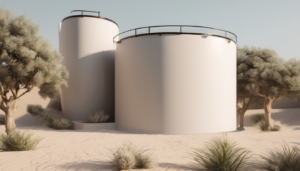
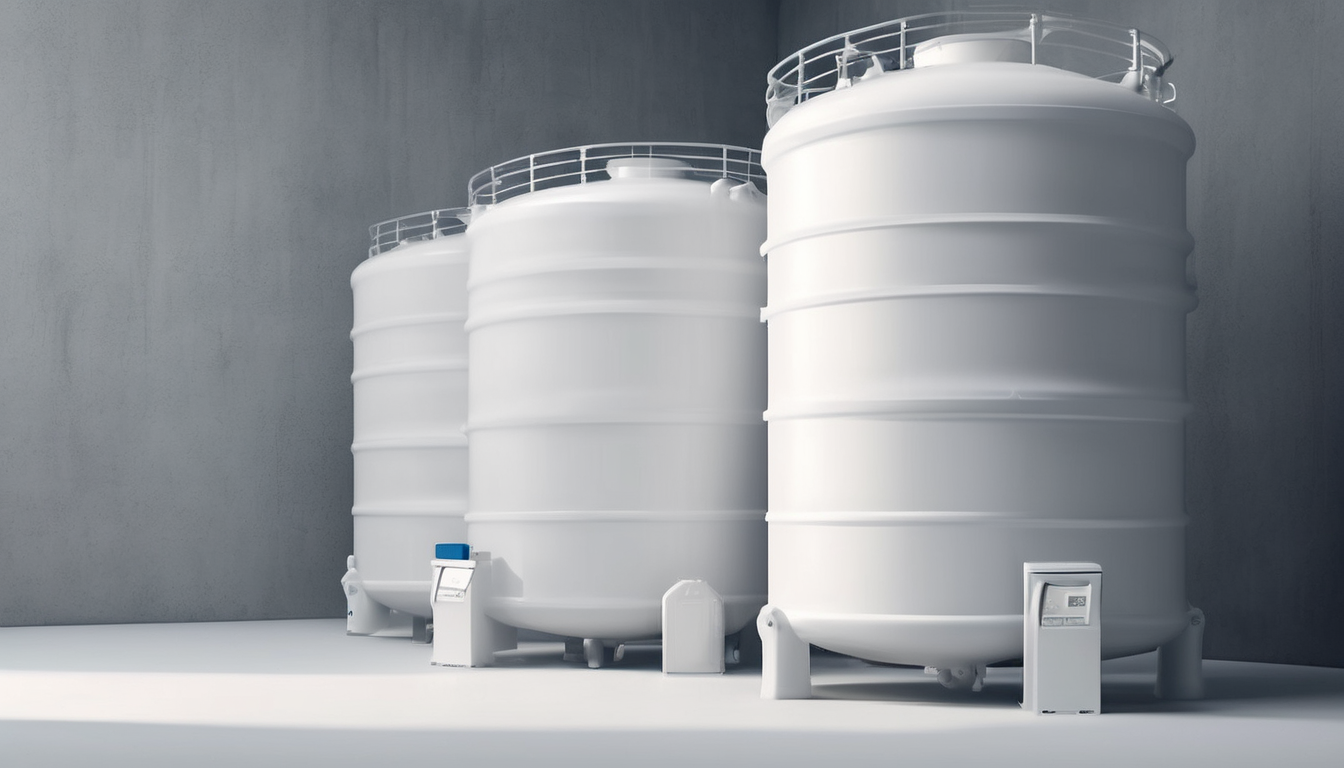

Legionella Prevention in UAE water tanks represents one of the most critical public health challenges for residential and commercial property owners across Dubai, Abu Dhabi, and Sharjah. The region’s consistently high temperatures, combined with complex water distribution systems, create ideal conditions for Legionella pneumophila bacteria to thrive in storage tanks and pipelines. This comprehensive guide addresses the specific challenges of Legionella prevention in UAE water tanks, offering practical solutions aligned with Dubai Municipality regulations and international water safety standards.
The urgency of proper Legionella prevention in UAE water tanks cannot be overstated. With summer temperatures regularly exceeding 40°C and high humidity levels, stagnant water in storage tanks can quickly become breeding grounds for dangerous bacteria. Property owners, facility managers, and maintenance teams must implement robust prevention strategies that account for the unique environmental conditions of the Middle East while complying with local health authority requirements.
Effective Legionella prevention in UAE water tanks requires a multi-faceted approach combining regular cleaning, controlled disinfection, temperature management, and systematic monitoring. This guide provides detailed information on Dubai-approved methods, common contamination risks in regional water systems, and practical steps for maintaining Legionella-free water storage throughout the year.
Legionella Prevention In Uae Water Tanks – Understanding Legionella Risks in UAE Conditions
Legionella prevention in UAE water tanks begins with understanding why the region presents particularly favourable conditions for bacterial growth. The combination of year-round warm temperatures, high humidity levels, and complex building water systems creates multiple risk factors that require specific attention. Underground and overhead water tanks throughout Dubai and the Northern Emirates often maintain water temperatures between 20°C and 45°C – the ideal range for Legionella bacteria multiplication.
The extended summer season, which typically runs from April through October, means water in storage tanks can remain within dangerous temperature ranges for most of the year. This prolonged exposure to warm conditions significantly increases the risk compared to temperate climates where seasonal variations help control bacterial growth. Additionally, the high mineral content in some UAE water supplies can contribute to scale formation, providing protective habitats for bacteria and making Legionella prevention in UAE water tanks more challenging.
Urban infrastructure factors also contribute to the Legionella risk profile. Many high-rise buildings in Dubai and Abu Dhabi feature complex plumbing systems with multiple water tanks, lengthy pipe runs, and dead legs where water can stagnate. These architectural characteristics, combined with the climate conditions, make comprehensive Legionella prevention in UAE water tanks essential for public health protection.
Legionella Prevention In Uae Water Tanks – Temperature Control Strategies for UAE Water Tanks
Temperature management represents the first line of defence in Legionella prevention in UAE water tanks. The bacteria cannot survive at temperatures above 60°C and reproduce most actively between 20°C and 45°C. In the UAE climate, maintaining water temperatures outside this danger zone requires specific strategies tailored to regional conditions.
For cold water systems, ensuring water remains below 20°C presents significant challenges during summer months. Insulating both underground and overhead storage tanks helps maintain lower temperatures despite external heat. Positioning tanks away from direct sunlight and heat sources provides additional protection. For hot water systems, maintaining temperatures above 60°C at the tank and ensuring adequate circulation prevents bacterial colonization.
Regular temperature monitoring forms an essential component of Legionella prevention in UAE water tanks. Digital temperature sensors installed at critical points throughout the water system provide real-time data and alerts when temperatures enter the danger zone. Monthly manual checks supplement electronic monitoring, particularly in facilities without automated systems. These measures ensure early detection of temperature deviations that could compromise Legionella prevention in UAE water tanks.
Legionella Prevention In Uae Water Tanks – Dubai Municipality Approved Disinfection Methods
Dubai Municipality provides specific guidelines for Legionella prevention in UAE water tanks through approved disinfection protocols. These methods have been tested and validated for effectiveness in local conditions and water compositions. Chlorination remains the primary disinfection method, with specific concentration and contact time requirements designed to eliminate Legionella bacteria effectively.
The DM-approved chlorination process for Legionella prevention in UAE water tanks involves achieving a free chlorine residual of 0.5-1.0 mg/L throughout the system with a contact time of at least one hour. For shock disinfection, higher concentrations of 5-10 mg/L may be required with appropriate safety precautions. Professional water treatment companies operating in Dubai must maintain records of chlorine levels, contact times, and residual measurements to demonstrate compliance during inspections.
Alternative disinfection methods approved for Legionella prevention in UAE water tanks include ultraviolet (UV) light treatment, copper-silver ionization, and chlorine dioxide systems. Each method has specific application requirements and maintenance protocols. UV systems require regular bulb replacement and quartz sleeve cleaning, while ionization systems need electrode maintenance and concentration monitoring. These alternative approaches often work best as supplementary measures alongside primary chlorination protocols.
Biofilm Removal Techniques for Legionella Prevention
Biofilm development represents one of the most significant challenges in Legionella prevention in UAE water tanks. These protective layers of microorganisms adhere to tank surfaces and pipe walls, sheltering bacteria from disinfectants. The warm UAE climate accelerates biofilm formation, making regular removal essential for effective Legionella prevention in UAE water tanks.
Mechanical cleaning methods form the foundation of biofilm removal in water storage systems. High-pressure washing with potable water effectively dislodges biofilm from tank surfaces, while pipeline flushing removes accumulated material from distribution systems. For heavily contaminated systems, mechanical brushing may be necessary to remove stubborn biofilm deposits. These physical cleaning methods must precede chemical disinfection for comprehensive Legionella prevention in UAE water tanks.
Chemical biofilm control supplements mechanical cleaning in Legionella prevention in UAE water tanks. Enzyme-based cleaners break down the extracellular polymeric substances that form biofilm matrices, while specialised disinfectants penetrate protective layers to eliminate embedded bacteria. Regular use of biofilm-resistant materials in tank construction and system components also reduces colonization surfaces, supporting long-term Legionella prevention in UAE water tanks.
Monitoring and Testing Protocols for UAE Properties
Regular monitoring forms the cornerstone of effective Legionella prevention in UAE water tanks. Dubai Municipality guidelines recommend quarterly testing for Legionella bacteria in commercial buildings and healthcare facilities, with semi-annual testing sufficient for most residential properties. These frequencies may increase based on risk assessment findings or previous test results.
Water sampling for Legionella prevention in UAE water tanks follows specific protocols to ensure accurate results. Samples should be collected from multiple points in the system, including storage tanks, distal outlets, and representative taps throughout the property. Proper sampling technique includes flushing taps before collection, using sterile containers, and maintaining chain of custody documentation. Samples must be delivered to accredited laboratories within 24 hours under appropriate temperature conditions.
Documentation and record-keeping requirements for Legionella prevention in UAE water tanks include maintaining logs of cleaning activities, disinfection procedures, temperature monitoring results, and laboratory reports. These records demonstrate compliance with Dubai Municipality regulations and provide valuable data for trend analysis. Property managers should retain documentation for at least two years, with critical records maintained indefinitely for reference during audits or investigations.
Emergency Response Procedures for Legionella Detection
Despite preventive measures, occasional positive Legionella results require immediate action as part of comprehensive Legionella prevention in UAE water tanks protocols. Emergency response procedures should be established in advance, with clear roles and responsibilities defined for property management teams. Immediate actions include notifying relevant authorities, implementing temporary water use restrictions, and initiating emergency disinfection procedures.
Emergency disinfection for Legionella prevention in UAE water tanks typically involves superchlorination at concentrations of 20-50 mg/L with extended contact times. This process requires professional expertise to ensure safety and effectiveness. Following superchlorination, thorough flushing and retesting confirm the elimination of bacteria before returning the system to normal operation. Additional sampling over subsequent weeks ensures the problem has been fully resolved.
Communication protocols form an essential component of emergency Legionella prevention in UAE water tanks procedures. Building occupants should receive clear information about temporary water restrictions, safety measures, and timeline for resolution. Transparent communication helps maintain trust while ensuring compliance with necessary precautions. Documentation of all emergency response activities provides valuable information for future prevention planning and regulatory compliance.
Expert Legionella Prevention Tips for UAE Properties
Based on twelve years of professional experience with water tank systems across Dubai and the Northern Emirates, these practical tips enhance Legionella prevention in UAE water tanks:
- Schedule professional cleaning and disinfection every six months for residential tanks and quarterly for commercial properties
- Install temperature monitors with alarms that alert when water enters the 20-45°C danger zone
- Eliminate dead legs in plumbing systems where water can stagnate and breed bacteria
- Maintain hot water systems above 60°C and cold water systems below 20°C
- Use Dubai Municipality-approved disinfectants at recommended concentrations
- Keep detailed records of all maintenance, testing, and disinfection activities
- Train maintenance staff in proper sampling techniques and emergency response procedures
- Consider supplementary disinfection systems like UV treatment for high-risk facilities
Legionella Prevention FAQ for UAE Residents
How often should water tanks be tested for Legionella in Dubai?
Dubai Municipality recommends quarterly testing for commercial properties and healthcare facilities, with semi-annual testing sufficient for most residential buildings. High-risk facilities like hospitals may require monthly testing as part of their Legionella prevention in UAE water tanks programmes.
What temperature should I maintain in my water tank to prevent Legionella?
For cold water systems, maintain temperatures below 20°C. For hot water systems, maintain temperatures above 60°C at the storage tank and ensure at least 50°C at distal outlets. These temperature controls form the foundation of effective Legionella prevention in UAE water tanks.
Are there specific Dubai Municipality regulations for Legionella prevention?
Yes, Dubai Municipality has specific guidelines for water tank maintenance, disinfection protocols, and testing requirements. These regulations mandate regular cleaning, proper disinfection methods, and documentation of all maintenance activities for Legionella prevention in UAE water tanks.
Can I perform Legionella prevention measures myself, or do I need professionals?
While basic maintenance like temperature monitoring can be performed by property staff, professional services are recommended for thorough cleaning, disinfection, and testing. Certified technicians have the equipment, chemicals, and expertise for proper Legionella prevention in UAE water tanks.
What should I do if Legionella is detected in my water system?
Immediately contact a professional water treatment company, implement temporary water use restrictions, and notify relevant authorities if required. Emergency disinfection and comprehensive system flushing should be performed by qualified technicians specialising in Legionella prevention in UAE water tanks.
Effective Legionella prevention in UAE water tanks requires understanding regional risk factors, implementing appropriate control measures, and maintaining consistent monitoring protocols. The combination of high temperatures, complex building systems, and year-round warm conditions makes comprehensive prevention strategies essential for health protection. By following Dubai Municipality guidelines, employing professional services when needed, and maintaining detailed records, property owners can ensure safe water storage and distribution throughout their facilities.