


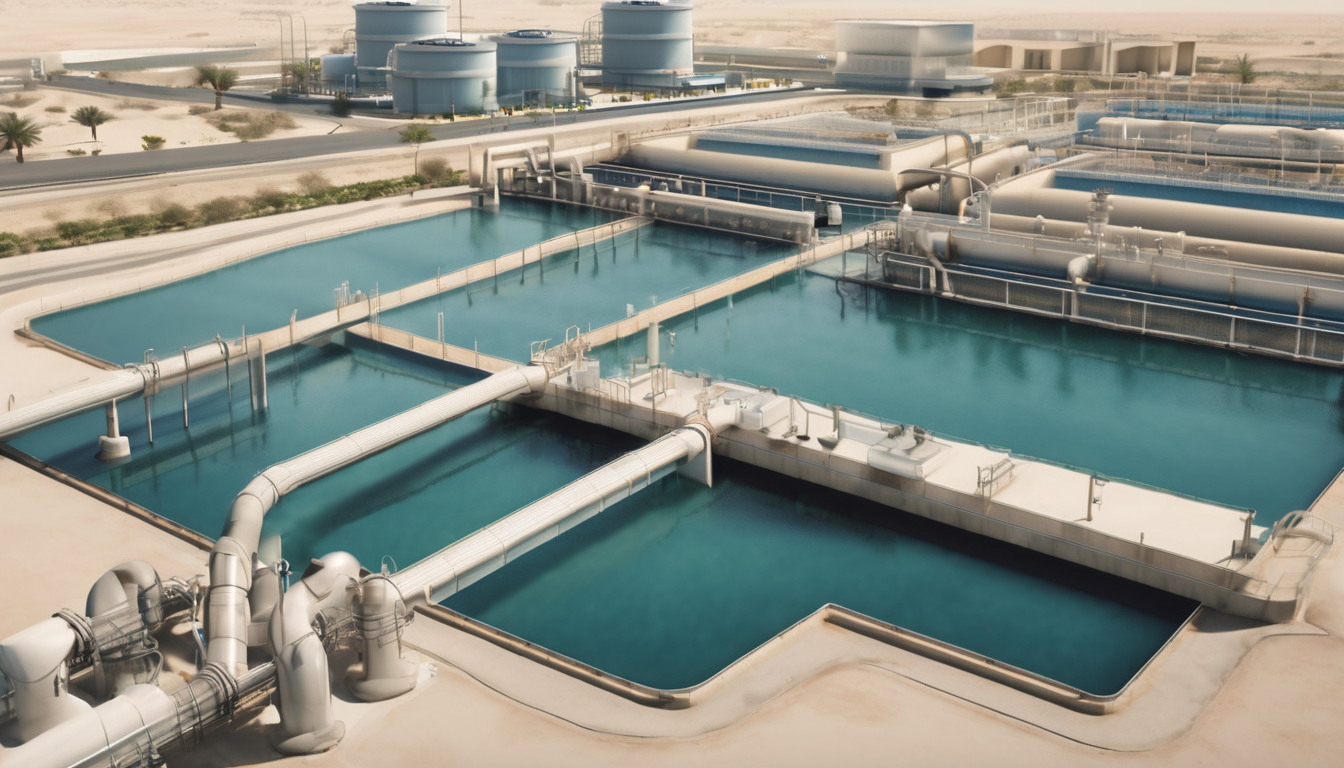

Understanding how Dubai water treatment plants operate is essential for every resident and property manager in the UAE. These sophisticated facilities represent the first critical line in delivering safe, clean water to millions of people across the emirate. The operation involves advanced technological processes that transform seawater and groundwater into potable water meeting strict Dubai Municipality standards. However, even with this advanced treatment at the plant level, water quality can be compromised during storage and distribution, which is why proper water tank maintenance remains crucial for end-users.
How Dubai water treatment plants operate begins with sourcing water from the Arabian Gulf and underground aquifers, followed by multiple purification stages including desalination, filtration, and disinfection. The entire process is monitored around the clock to ensure compliance with international water safety standards. Despite this rigorous treatment at the source, the water then travels through extensive distribution networks and is stored in building tanks, where contamination can occur without proper maintenance protocols.
This comprehensive guide will explore the intricate processes behind how Dubai water treatment plants operate, the technology involved, compliance requirements, and why property owners must complement these municipal efforts with regular water tank cleaning and disinfection. We’ll also examine the cost structures associated with water treatment and provide practical advice for maintaining water safety from treatment plant to tap.
How Dubai Water Treatment Plants Operate – Dubai Water Sources and Collection Systems
How Dubai water treatment plants operate begins with sourcing water from multiple channels. The primary source is seawater from the Arabian Gulf, which accounts for approximately 99% of Dubai’s potable water supply through desalination processes. Additional sources include groundwater from aquifers, which undergoes different treatment protocols. The seawater intake systems use extensive screening mechanisms to remove large debris and marine life before the water enters the treatment pipeline.
The collection infrastructure includes massive intake pipes extending kilometers into the Gulf, designed to draw water from optimal depths where quality is highest. These systems incorporate environmental protection measures to minimize impact on marine ecosystems. How Dubai water treatment plants operate these intake systems involves continuous monitoring and maintenance to ensure consistent water flow and quality at this initial stage.
Groundwater Extraction Systems
For groundwater sources, extraction wells pump water from aquifers located in various parts of the emirate. This water typically contains higher mineral content and different contamination profiles compared to seawater, requiring specialised treatment approaches. The integration of multiple water sources demonstrates the complexity of how Dubai water treatment plants operate to ensure supply security.
How Dubai Water Treatment Plants Operate: Water Treatment Process Stages
How Dubai water treatment plants operate involves a multi-stage purification process that transforms raw water into potable quality. The first stage is pre-treatment, where water undergoes screening and sedimentation to remove large particles and suspended solids. This is followed by coagulation and flocculation, where chemicals are added to bind fine particles into larger clusters that can be more easily removed.
The next critical stage in how Dubai water treatment plants operate is filtration, where water passes through multiple filter media including sand, anthracite, and activated carbon. This process removes smaller particles, organic matter, and some microorganisms. The sophistication of these filtration systems reflects the advanced engineering behind how Dubai water treatment plants operate to meet stringent quality standards.
Disinfection Protocols
Disinfection represents the final treatment stage where chlorine or other disinfectants are added to eliminate remaining pathogens. How Dubai water treatment plants operate this critical step involves precise dosing systems and contact time calculations to ensure effective microbial control while maintaining safe disinfectant residual levels throughout the distribution network.
How Dubai Water Treatment Plants Operate: Desalination Technology and Methods
How Dubai water treatment plants operate desalination processes primarily uses reverse osmosis (RO) technology, which forces seawater through semi-permeable membranes under high pressure. This method effectively removes salts, minerals, and other dissolved solids. Some facilities also use multi-stage flash distillation (MSF) or multi-effect distillation (MED) technologies, particularly in older plants or for specific applications.
The reverse osmosis systems in how Dubai water treatment plants operate require significant energy input and sophisticated pre-treatment to protect the delicate membranes from fouling. The operation includes continuous monitoring of pressure, flow rates, and water quality parameters to optimize efficiency and output. Understanding how Dubai water treatment plants operate these energy-intensive processes helps explain the value of water conservation efforts.
Energy Recovery Systems
Modern desalination plants incorporate energy recovery devices that capture and reuse energy from the high-pressure brine stream, significantly reducing overall energy consumption. This innovation in how Dubai water treatment plants operate represents the industry’s commitment to sustainability and cost efficiency in water production.
Quality Control and Compliance Standards
How Dubai water treatment plants operate includes rigorous quality control measures that exceed international standards. The Dubai Municipality sets comprehensive water quality parameters that must be met at every stage of treatment. Continuous monitoring systems track numerous parameters including pH, turbidity, chlorine residual, bacterial counts, and chemical contaminants.
Laboratory testing forms an integral part of how Dubai water treatment plants operate, with samples taken hourly from various process points for detailed analysis. These quality assurance protocols ensure that water leaving the treatment plants meets all safety requirements before entering the distribution network. The compliance framework demonstrates the scientific precision behind how Dubai water treatment plants operate.
Regulatory Compliance Framework
The regulatory framework governing how Dubai water treatment plants operate includes regular audits, certification requirements for operators, and mandatory reporting to environmental authorities. This structured approach ensures consistent adherence to the highest standards of water safety and treatment efficacy.
Distribution Network Infrastructure
How Dubai water treatment plants operate extends to managing extensive distribution networks that deliver treated water to consumers. These networks include pumping stations, storage reservoirs, and kilometres of pipelines maintained under strict hygiene protocols. The system is designed to maintain constant pressure and flow while preserving water quality throughout the journey to end-users.
The infrastructure behind how Dubai water treatment plants operate includes sophisticated monitoring systems that track water movement, pressure levels, and quality parameters at numerous points throughout the distribution network. This comprehensive oversight ensures prompt detection and response to any issues that might compromise water safety after treatment.
Storage Reservoir Management
Intermediate storage reservoirs play a crucial role in how Dubai water treatment plants operate by balancing supply and demand fluctuations. These facilities are designed and maintained to prevent contamination through covered storage, regular cleaning, and continuous water quality monitoring.
Water Treatment Cost Structure Breakdown
Understanding how Dubai water treatment plants operate includes recognising the significant investment in infrastructure and technology. The cost structure involves capital expenditure for plant construction, ongoing operational costs, and maintenance expenses. Desalination plants particularly represent substantial investments due to their energy requirements and sophisticated technology.
The operational costs of how Dubai water treatment plants operate include energy consumption (particularly for desalination), chemical usage, labour costs, maintenance expenses, and quality monitoring activities. These factors contribute to the overall water tariff structure for consumers. The table below outlines typical cost components in water treatment operations:
| Cost Component | Percentage of Total Cost | Description |
|---|---|---|
| Energy Consumption | 40-60% | Power for pumps, desalination processes, and plant operations |
| Chemical Treatment | 15-25% | Coagulants, disinfectants, pH adjusters, and membrane cleaners |
| Labour and Operations | 10-20% | Skilled technicians, engineers, and operational staff |
| Maintenance and Repairs | 8-15% | Equipment maintenance, part replacements, and system upgrades |
| Monitoring and Compliance | 5-10% | Laboratory testing, quality control, and regulatory compliance |
Plant Maintenance and Operational Requirements
How Dubai water treatment plants operate successfully depends on comprehensive maintenance programmes that ensure continuous operation and consistent water quality. Maintenance activities include regular inspection and cleaning of filtration systems, membrane replacement in RO plants, calibration of monitoring equipment, and structural maintenance of facilities.
The preventive maintenance schedule in how Dubai water treatment plants operate follows manufacturer recommendations, regulatory requirements, and operational experience. This proactive approach minimises downtime and ensures reliable water production. Understanding these maintenance requirements helps contextualise the importance of similar preventive measures for water storage tanks in residential and commercial properties.
Emergency Response Protocols
How Dubai water treatment plants operate includes robust emergency response plans for equipment failures, power outages, or water quality incidents. These protocols ensure rapid response and minimal disruption to water supply, demonstrating the resilience built into the system.
Property Owner Responsibilities After Treatment
While how Dubai water treatment plants operate ensures water quality at the source, property owners bear responsibility for maintaining this quality through proper storage tank management. Water can become contaminated during storage in building tanks if not properly maintained. This is why regular cleaning and disinfection of water tanks is essential for preserving the quality achieved at the treatment plant.
The intersection between how Dubai water treatment plants operate and property-level water management represents a shared responsibility for water safety. Property owners should implement regular tank cleaning schedules, typically every 6 months for residential buildings and every 3 months for commercial properties, to ensure water remains safe for consumption.
Recommended Maintenance Schedule
Based on how Dubai water treatment plants operate and deliver water of specific quality, property owners should adhere to Dubai Municipality guidelines for water tank maintenance. This includes professional cleaning, disinfection, and water quality testing to verify that storage systems are not compromising water safety.
Expert Tips for Water Safety Maintenance
As a water treatment professional with over twelve years of experience in Dubai, I recommend these essential practices for maintaining water quality after treatment:
- Schedule professional water tank cleaning every six months for residential properties and quarterly for commercial buildings
- Install appropriate filtration systems at point-of-use to address any potential contamination during distribution
- Conduct regular visual inspections of water tanks for signs of sediment buildup, biofilm, or structural issues
- Test water quality annually through certified laboratories to verify safety parameters
- Ensure proper tank sealing and ventilation to prevent contamination while allowing necessary airflow
- Maintain records of all cleaning and maintenance activities for compliance purposes
- Address any changes in water taste, odor, or appearance immediately with professional inspection
- Educate building residents or users about water conservation and reporting procedures for quality concerns
Frequently Asked Questions
How often should water tanks be cleaned in Dubai properties?
Dubai Municipality recommends cleaning water storage tanks every six months for residential buildings and every three months for commercial properties. This frequency ensures that the quality achieved through how Dubai water treatment plants operate is maintained throughout the distribution and storage chain.
Why does tap water sometimes taste different despite advanced treatment?
Variations in taste can occur due to factors in the distribution system, including pipeline materials, storage conditions, or seasonal changes in source water composition. How Dubai water treatment plants operate ensures safety, but taste can be influenced by these secondary factors.
What is the average cost for professional water tank cleaning in Dubai?
Professional water tank cleaning typically costs between AED 500-1,500 for residential properties and AED 1,500-4,000 for commercial buildings, depending on tank size, accessibility, and additional services required.
How can I verify my building’s water quality after tank storage?
Water quality testing through Dubai Municipality-approved laboratories provides comprehensive analysis. Basic test packages start around AED 600-800, while more extensive testing can cost AED 1,200-2,000 depending on parameters analysed.
Are home filtration systems necessary if water is treated at the plant?
While how Dubai water treatment plants operate ensures water meets safety standards, point-of-use filtration provides additional protection against potential contamination during distribution and storage, particularly for drinking and cooking water.
Conclusion
Understanding how Dubai water treatment plants operate provides valuable insight into the sophisticated processes that deliver safe water to millions of residents. The multi-stage treatment involving desalination, filtration, and disinfection represents a significant achievement in water management technology. However, this investment in water safety at the treatment level must be complemented by responsible maintenance at the property level through regular water tank cleaning and disinfection.
Property owners and managers play a crucial role in preserving water quality by implementing regular maintenance schedules and monitoring water conditions in their storage systems. By combining the advanced treatment provided through how Dubai water treatment plants operate with proper property-level water management, residents can enjoy safe, clean water straight from their taps.