

Many residents and visitors to Dubai often ask why isn’t tap water in dubai potable despite the city’s advanced infrastructure and modern facilities. The question of why isn’t tap water in Dubai potable involves multiple factors including water sources, treatment processes, distribution systems, and storage conditions. Understanding why isn’t tap water in Dubai potable requires examining the complete water journey from desalination plants to your tap.
The issue of why isn’t tap water in Dubai potable isn’t about poor water treatment but rather challenges in maintaining water quality through the complex distribution network. When exploring why isn’t tap water in Dubai potable, we must consider environmental factors, infrastructure maintenance, and practical consumption considerations that affect the final water quality reaching households and businesses.
This comprehensive guide will thoroughly examine all aspects of why isn’t tap water in Dubai potable, providing detailed explanations of the technical processes, regulatory standards, and practical realities that answer this important question about Dubai’s water supply system.
Understanding Why isn’t tap water in Dubai potable?
The fundamental question of why isn’t tap water in Dubai potable begins with understanding that potable water must meet strict safety standards for drinking, cooking, and personal use without causing health risks. While Dubai’s tap water undergoes extensive treatment, several factors contribute to why isn’t tap water in Dubai potable for direct consumption.
When examining why isn’t tap water in Dubai potable, we must distinguish between technically safe water and practically potable water. The water leaving treatment plants meets quality standards, but the journey through pipelines and storage tanks introduces variables that affect why isn’t tap water in Dubai potable at the point of use. This explains why isn’t tap water in Dubai potable despite the advanced treatment processes.
The reality of why isn’t tap water in Dubai potable involves multiple interconnected systems where maintenance, environmental conditions, and infrastructure age all play roles in the final water quality. Understanding why isn’t tap water in Dubai potable requires looking at each stage of the water delivery process and how potential contamination points affect the safety of water reaching consumers.
Why Isn’t Tap Water In Dubai Potable: Dubai Water Sources and Treatment Process
Dubai primarily relies on desalinated seawater, which accounts for approximately 99% of its potable water supply. The desalination process involves removing salt and minerals from seawater through advanced technologies like reverse osmosis and multi-stage flash distillation. These processes effectively eliminate salinity but require extensive chemical treatment to ensure water safety.
The treatment plants add chlorine and other disinfectants to prevent microbial growth during distribution. While this treatment meets international standards, the chemical taste and odour often make people question why isn’t tap water in Dubai potable for direct consumption. The water undergoes rigorous testing at plant level, but the challenges begin once it enters the distribution network.
Desalinated water lacks natural minerals found in groundwater, making it more aggressive and likely to leach materials from pipes and storage tanks. This characteristic contributes significantly to why isn’t tap water in Dubai potable after travelling through the distribution system. The water treatment process, while effective at plant level, cannot account for all variables in the extensive delivery network.
Why Isn’t Tap Water In Dubai Potable – Distribution System Challenges Affecting Potability
Dubai’s water distribution network spans thousands of kilometres of pipelines that transport water from treatment plants to buildings across the emirate. The age, material, and maintenance of these pipes significantly impact water quality and help explain why isn’t tap water in Dubai potable at the endpoint.
Older buildings may have pipes made from materials that can corrode or leach substances into the water. Even in newer constructions, water may sit in pipes for extended periods, especially in properties with intermittent occupancy. This stagnation allows microbial growth and chemical changes that affect why isn’t tap water in Dubai potable for direct consumption.
Pipeline maintenance and repair work can introduce temporary contaminants into the system. While flushing procedures are followed, these incidents contribute to the perception of why isn’t tap water in Dubai potable. The complex network with multiple connection points creates opportunities for contamination that affect the final water quality reaching consumers.
Storage Tank Contamination Issues
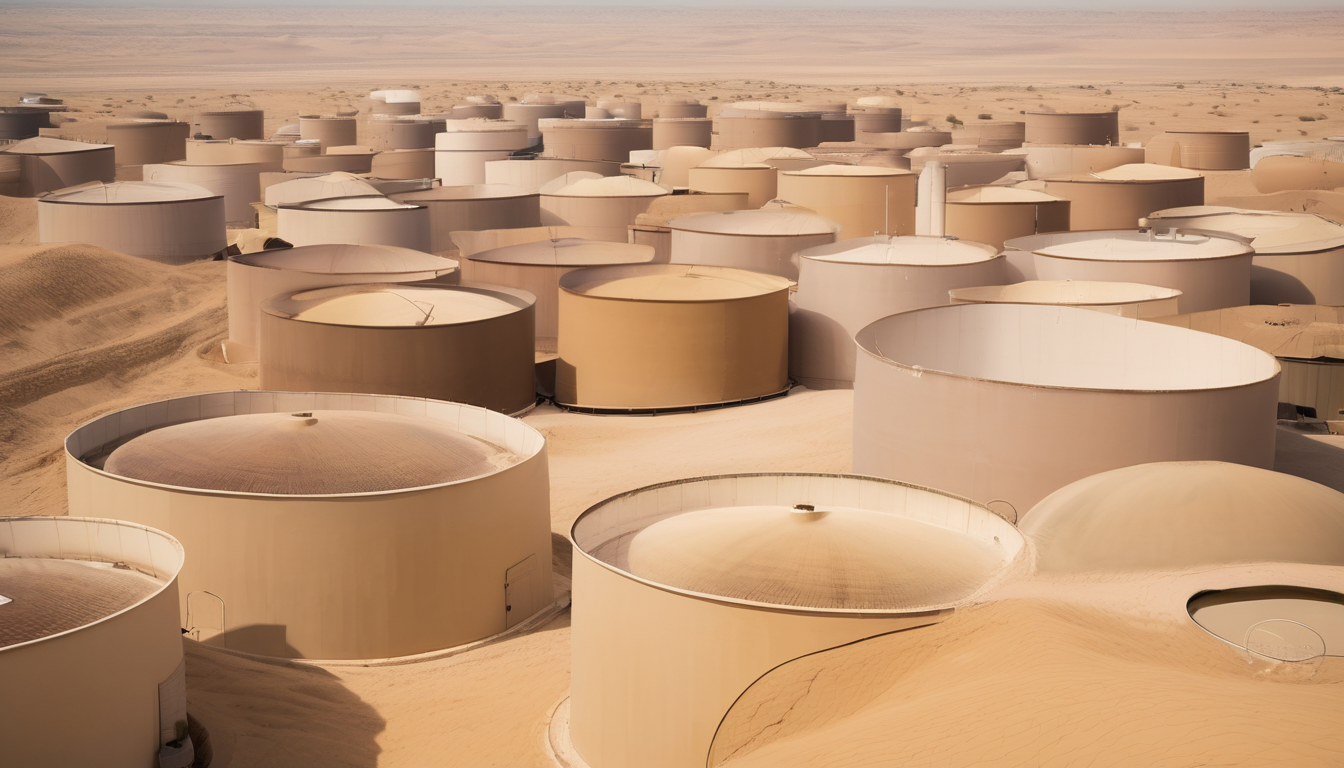
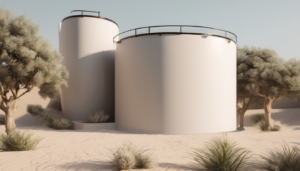
Most buildings in Dubai have underground and overhead water storage tanks that hold treated water before it reaches individual taps. These storage systems represent critical points where water quality can deteriorate, significantly contributing to why isn’t tap water in Dubai potable.
Water tanks require regular cleaning and maintenance to prevent sediment accumulation, bacterial growth, and contamination. Unfortunately, many property owners neglect proper tank maintenance schedules. Without regular professional cleaning, tanks develop biofilm, sediment layers, and microbial contamination that explain why isn’t tap water in Dubai potable even after extensive treatment.
The extreme Dubai climate accelerates algae growth and bacterial proliferation in storage tanks, especially if tanks aren’t properly sealed or insulated. Temperature fluctuations between day and night create condensation that can introduce contaminants. These storage conditions are fundamental to understanding why isn’t tap water in Dubai potable at the consumption point.
Temperature Impact on Water Quality
Dubai’s extreme heat significantly affects water quality throughout the distribution system. High temperatures accelerate chemical reactions, increase chlorine dissipation rates, and promote bacterial growth, all contributing to why isn’t tap water in Dubai potable.
During summer months, water temperature in exposed pipes and roof tanks can exceed 45°C, creating ideal conditions for Legionella and other bacteria to thrive. The heat also causes faster degradation of disinfectant residuals, reducing protection against microbial contamination during distribution. These temperature effects are crucial to understanding why isn’t tap water in Dubai potable.
The thermal expansion and contraction of pipes and tanks can cause scale dislodgement and sediment disturbance, temporarily increasing turbidity and particulate matter in tap water. These periodic quality fluctuations further explain why isn’t tap water in Dubai potable for consistent direct consumption without additional filtration or treatment.
Regulatory Standards and Safety Measures
Dubai Municipality maintains strict water quality standards aligned with international guidelines from the World Health Organisation. Regular testing occurs at treatment plants and selected points in the distribution network. However, the gap between regulatory standards and practical reality helps explain why isn’t tap water in Dubai potable at every tap.
The regulations mandate specific chlorine residual levels throughout the system, but maintaining these levels consistently across all endpoints proves challenging. Building owners are responsible for maintaining their internal plumbing and storage systems, creating variability in final water quality. This shared responsibility structure contributes to why isn’t tap water in Dubai potable uniformly across all properties.
While the water meets safety standards at controlled testing points, the variability in building maintenance practices means individual tap water quality can differ significantly. This inconsistency is a key factor in why isn’t tap water in Dubai potable without property-specific water quality verification.
Comparison with Other Global Cities
Many major cities worldwide face similar challenges with tap water potability. Like Dubai, cities relying on extensive distribution networks often recommend additional point-of-use treatment for drinking water. The question of why isn’t tap water in Dubai potable isn’t unique but has specific local characteristics.
Unlike cities with natural freshwater sources, Dubai’s complete reliance on desalination creates different water chemistry challenges. The mineral-free nature of desalinated water makes it more corrosive to pipes and more dependent on chemical additives for stability. These fundamental differences help explain why isn’t tap water in Dubai potable compared to cities with groundwater sources.
The rapid urban development and extreme climate conditions in Dubai create unique maintenance challenges for water infrastructure. The combination of these factors provides specific context for why isn’t tap water in Dubai potable despite the advanced treatment technology available.
Solutions for Safe Water Consumption
For residents concerned about why isn’t tap water in Dubai potable, several effective solutions ensure safe water consumption. Point-of-use water filters provide immediate improvement by removing residual chlorine taste, sediment, and potential contaminants. Various filtration options address different concerns about why isn’t tap water in Dubai potable.
Regular professional cleaning of building water storage tanks is essential for maintaining water quality. Dubai Municipality recommends cleaning underground and overhead tanks at least every six months. Proper tank maintenance significantly reduces contamination issues that contribute to why isn’t tap water in Dubai potable.
Many residents use bottled water for drinking while utilizing tap water for cooking, cleaning, and other purposes where potability concerns are less critical. This practical approach addresses why isn’t tap water in Dubai potable by providing safe alternatives for direct consumption while still using municipal water for most household needs.
Expert Tips for Water Safety
Based on years of experience with water systems in Dubai, I recommend several practices for ensuring water safety. First, always run tap water for 30-60 seconds before use, especially first thing in the morning, to flush out water that has been standing in pipes overnight. This simple practice addresses one aspect of why isn’t tap water in Dubai potable by reducing stagnant water consumption.
Install and maintain quality water filters specifically designed for Dubai’s water conditions. Look for filters that address chlorine, sediment, and potential microbial concerns. Regular filter replacement according to manufacturer guidelines is essential for effectiveness.
Schedule professional water tank cleaning every six months, before and after peak summer months. Ensure your service provider follows Dubai Municipality guidelines and uses approved disinfectants. Proper tank maintenance is crucial for addressing why isn’t tap water in Dubai potable at the building level.
Consider having your tap water tested by certified laboratories if you have specific health concerns. Water quality testing can identify particular issues and help tailor appropriate solutions for your specific situation.
Use cold water for cooking and drinking rather than hot water, as hot water systems may contain more sediment and mineral deposits. This practice reduces exposure to potential contaminants that contribute to why isn’t tap water in Dubai potable concerns.
Frequently Asked Questions
Is Dubai tap water safe for brushing teeth? Yes, Dubai Tap Water is generally safe for brushing teeth as the minimal water exposure poses low health risk. However, many residents prefer using filtered or bottled water for this purpose.
Can you drink boiled tap water in Dubai? Boiling tap water kills most microorganisms but does not remove chemical contaminants or improve taste. While safer microbiologically, boiled water may still contain other issues that affect why isn’t tap water in Dubai potable.
How often should water tanks be cleaned in Dubai? Dubai Municipality recommends professional cleaning of water storage tanks every six months, with more frequent cleaning recommended for buildings with higher usage or visible water quality issues.
What is the cost of water tank cleaning in Dubai? Professional water tank cleaning services typically range from AED 500 to AED 1,500 depending on tank size, accessibility, and additional services required.
Are there areas in Dubai with potable tap water? Some newer developments with advanced building management systems may have better maintained water systems, but the general recommendation across Dubai is to use additional filtration for drinking water.
Conclusion
The question of why isn’t tap water in Dubai potable involves multiple factors from treatment to tap. While the water undergoes extensive purification at treatment plants, challenges in distribution, storage, and building maintenance affect final water quality. Understanding why isn’t tap water in Dubai potable helps residents make informed decisions about water safety practices.
Through proper maintenance, filtration, and sensible water usage practices, residents can ensure safe water consumption while benefiting from Dubai’s advanced water infrastructure. The issue of why isn’t tap water in Dubai potable shouldn’t cause alarm but rather encourage responsible water management at both individual and building levels.