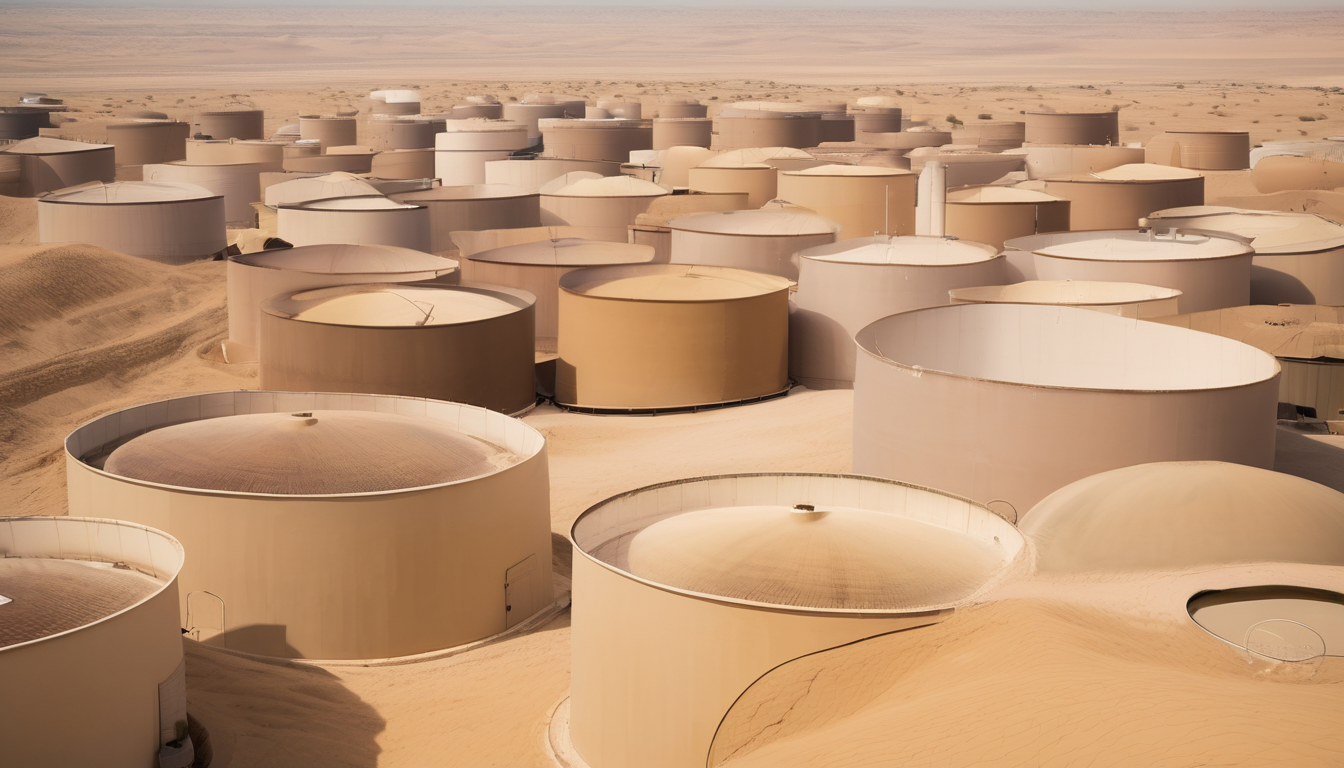



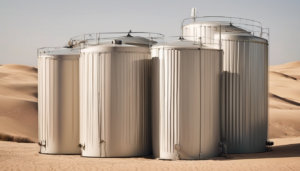
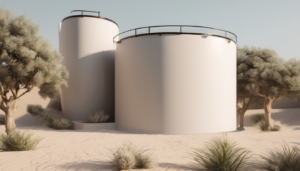
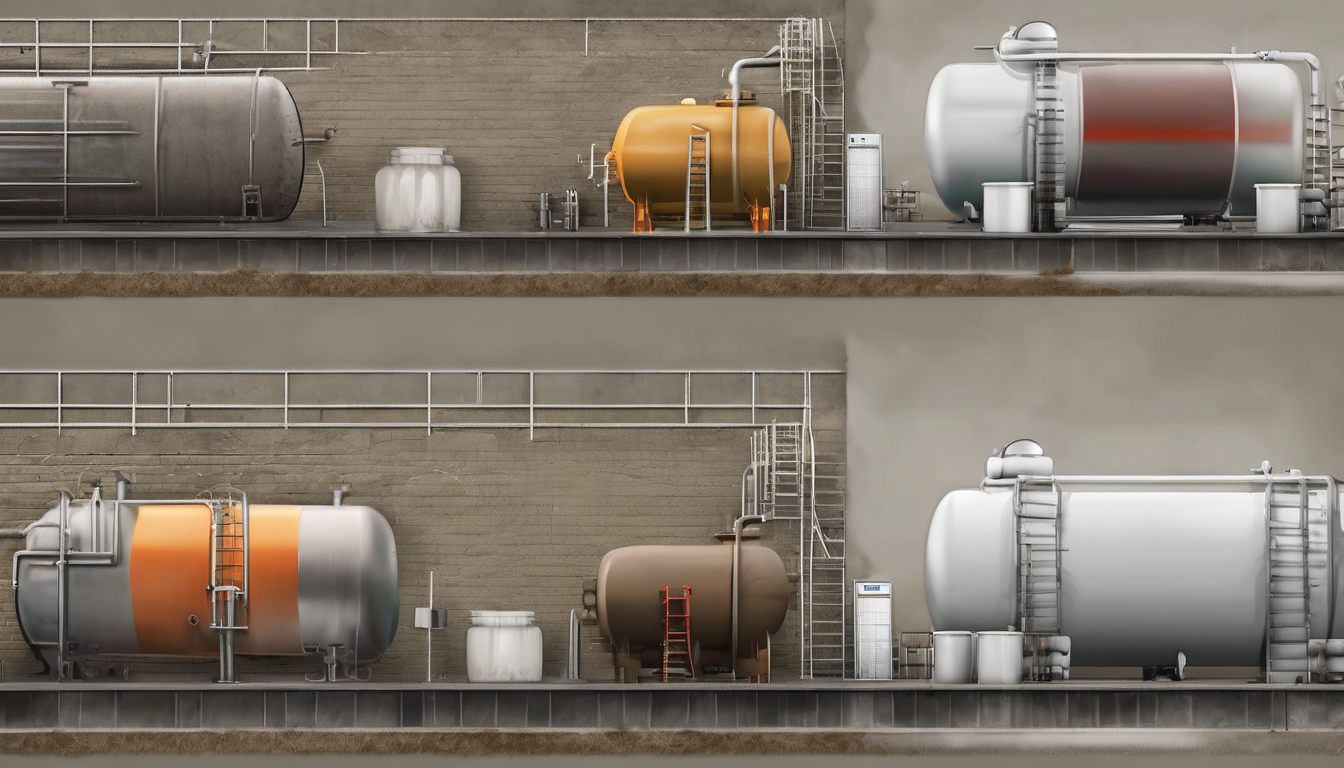

Water storage is a critical consideration for property owners across the UAE, particularly in Dubai, Abu Dhabi, and Sharjah where reliable water supply directly impacts daily living and business operations. Understanding the differences between Underground vs Overhead tank filling methods becomes essential for making informed decisions about water infrastructure. These two approaches represent fundamentally different philosophies in water storage, each with distinct advantages, limitations, and practical implications.
The choice between underground and overhead tank filling methods affects not only initial installation costs but also long-term maintenance requirements, energy consumption, and water quality management. In the UAE’s unique climate conditions, where temperatures regularly exceed 40°C and dust storms can compromise water quality, selecting the appropriate tank filling method becomes particularly important for maintaining hygienic water standards. This relates directly to Underground Vs Overhead Tank Filling Methods.
This comprehensive comparison will examine both underground and overhead tank filling methods in detail, providing property owners, facility managers, and construction professionals with the knowledge needed to make optimal decisions. We’ll explore technical specifications, cost considerations, maintenance requirements, and compliance factors specific to UAE regulations and environmental conditions.
Understanding Underground vs Overhead Tank Filling Methods
Underground tank filling methods involve storing water in buried reservoirs that typically receive water through municipal supply lines or tanker deliveries. These systems use submersible pumps to draw water from the underground storage to the building’s distribution network. The filling process usually occurs through dedicated inlet pipes that connect directly to the water source, with float valves or electronic sensors controlling water levels to prevent overflow.
Overhead tank filling methods utilize elevated storage containers, usually placed on building rooftops or dedicated support structures. These systems rely on booster pumps that push water from ground level or underground storage to the overhead tanks. The filling mechanism typically involves pressure-based systems where pumps activate when water levels drop below a certain point, ensuring consistent supply to the building’s plumbing system through gravitational pressure. When considering Underground Vs Overhead Tank Filling Methods, this becomes clear.
Both underground vs overhead tank filling methods must comply with Dubai Municipality regulations regarding water storage safety and hygiene standards. The choice between these systems often depends on building design, available space, water demand patterns, and budget considerations. In high-rise buildings across Dubai and Abu Dhabi, engineers frequently combine both methods, using underground tanks for primary storage and overhead tanks for distribution.
Underground Vs Overhead Tank Filling Methods – Underground Tank Filling Methods Advantages
Underground tank filling methods offer several significant advantages for UAE properties. The most notable benefit is space optimization, as buried tanks don’t consume valuable above-ground area that could be used for parking, landscaping, or additional construction. This makes underground systems particularly advantageous for compact urban properties in Dubai and Sharjah where land space comes at a premium.
Temperature regulation represents another crucial advantage of underground tank filling methods. Buried tanks maintain more stable water temperatures throughout the year, protected from the extreme heat that characterizes the UAE climate. This natural insulation helps prevent excessive algae growth and reduces the rate of chlorine dissipation, contributing to better water quality maintenance between cleaning cycles.
Underground systems also provide enhanced protection against physical damage and vandalism. Being buried beneath the ground, these tanks are less susceptible to accidental impacts, extreme weather events, or unauthorized access. This security aspect makes underground tank filling methods particularly suitable for commercial properties, schools, and facilities requiring heightened water security measures. The importance of Underground Vs Overhead Tank Filling Methods is evident here.
Installation Considerations for Underground Systems
Installing underground tank filling methods requires careful planning and excavation work that typically involves higher initial costs compared to overhead systems. The installation process must include proper bedding materials, waterproofing measures, and access points for maintenance and inspection. In Dubai’s sandy soil conditions, additional structural supports may be necessary to prevent shifting or settling over time.
Underground Vs Overhead Tank Filling Methods – Overhead Tank Filling Methods Benefits
Overhead tank filling methods provide distinct advantages that make them popular for many UAE properties. The primary benefit is gravitational water pressure, which eliminates the need for continuous pump operation during water usage. This energy-efficient approach reduces electricity consumption and provides consistent water pressure throughout the building, particularly beneficial for multi-storey structures in Dubai and Abu Dhabi.
Simplified maintenance represents another significant advantage of overhead tank filling methods. Elevated tanks are easily accessible for routine cleaning, inspection, and repairs without requiring excavation or specialized equipment. This accessibility translates to lower maintenance costs and reduced downtime during servicing, making overhead systems particularly practical for properties requiring frequent water quality monitoring.
Overhead tanks also provide emergency water reserve capabilities during power outages. Since these systems rely on gravitational flow rather than electric pumps, they continue to supply water even when electricity is unavailable. This feature makes overhead tank filling methods especially valuable for residential buildings, hospitals, and facilities where uninterrupted water supply is critical. Understanding Underground Vs Overhead Tank Filling Methods helps with this aspect.
Structural Requirements for Overhead Systems
Implementing overhead tank filling methods requires careful consideration of structural support capacities. Building roofs or dedicated support structures must be engineered to handle the significant weight of water-filled tanks, which can exceed several tons for larger properties. In seismic zones or areas with high wind loads, additional reinforcement measures may be necessary to ensure stability and safety.
Comparison of Costs: Underground vs Overhead
The financial implications of underground vs overhead tank filling methods vary significantly based on multiple factors. Underground systems typically involve higher initial installation costs, ranging from AED 15,000 to AED 45,000 for medium-sized residential properties in Dubai. These costs include excavation, tank procurement, professional installation, and necessary plumbing connections to municipal supply lines.
Overhead tank filling methods generally present lower initial installation costs, typically between AED 8,000 and AED 25,000 for similar capacity systems. However, these systems may require additional structural reinforcement costs if building roofs need strengthening to support water weight. The ongoing operational costs also differ, with underground systems consuming more electricity for pumping while overhead systems may require more frequent maintenance.
| Cost Factor | Underground Methods | Overhead Methods |
|---|---|---|
| Initial Installation | AED 15,000-45,000 | AED 8,000-25,000 |
| Annual Maintenance | AED 1,200-2,500 | AED 800-1,800 |
| Energy Consumption | Higher (pumping) | Lower (gravity) |
| Cleaning Frequency | Every 6 months | Every 4 months |
Maintenance Requirements for Both Methods
Maintenance considerations for underground vs overhead tank filling methods differ substantially in frequency, complexity, and cost. Underground systems typically require professional cleaning every six months to remove sediment accumulation and prevent bacterial growth. The cleaning process involves specialized equipment and trained technicians, with costs ranging from AED 800 to AED 1,500 per service depending on tank size and accessibility.
Overhead tank filling methods demand more frequent maintenance, typically every three to four months, due to greater exposure to temperature fluctuations and airborne contaminants. However, these maintenance procedures are generally simpler and less expensive, costing between AED 600 and AED 1,200 per service. The accessibility of overhead tanks often allows for quicker inspections and minor repairs without extensive disassembly.
Both underground and overhead tank filling methods require regular water quality testing to ensure compliance with Dubai Municipality standards. Parameters including chlorine residual, turbidity, and bacterial content should be monitored monthly, with comprehensive laboratory testing conducted quarterly. Professional maintenance services in the UAE typically include these testing protocols as part of their service packages.
Water Quality Considerations in UAE
Water quality management presents unique challenges for both underground vs overhead tank filling methods in the UAE’s extreme climate. Underground systems benefit from stable temperatures that inhibit algae growth but face potential issues with sediment accumulation and possible groundwater infiltration if seals deteriorate. Regular inspection of waterproofing integrity becomes crucial for maintaining water quality in buried tanks.
Overhead tank filling methods encounter different water quality challenges, primarily related to temperature fluctuations and sunlight exposure. During summer months, water temperatures in rooftop tanks can exceed 45°C, accelerating chlorine dissipation and potentially promoting bacterial growth. These systems require more frequent monitoring and additional insulation measures to maintain optimal water quality conditions. Underground Vs Overhead Tank Filling Methods factors into this consideration.
Both systems must address the UAE’s specific water quality concerns, including high mineral content in municipal water and potential contamination from dust storms. Implementing appropriate filtration systems, maintaining proper disinfection levels, and ensuring regular cleaning schedules are essential for both underground and overhead tank filling methods to deliver safe, potable water to building occupants.
Expert Tips for Tank Filling Methods
Selecting between underground vs overhead tank filling methods requires careful consideration of your specific property requirements. For commercial properties with space constraints, underground systems often provide the most practical solution despite higher initial costs. Residential buildings, particularly villas and low-rise apartments, frequently benefit from overhead systems due to easier maintenance and gravitational water pressure.
Implement regular inspection schedules regardless of which tank filling method you choose. Monthly visual checks for signs of leakage, corrosion, or contamination can prevent major issues from developing. Professional comprehensive inspections should be conducted quarterly, with detailed documentation maintained for compliance purposes with Dubai Municipality regulations.
Consider hybrid systems that utilize both underground and overhead tank filling methods for optimal performance. Many large buildings in Dubai use underground tanks for primary storage and overhead tanks for distribution, combining the space efficiency of buried storage with the energy efficiency of gravitational distribution. This approach often represents the most balanced solution for properties with significant water demands. This relates directly to Underground Vs Overhead Tank Filling Methods.
Invest in quality materials and professional installation regardless of your chosen system. Stainless steel tanks typically offer longer lifespan and better hygiene characteristics compared to plastic alternatives. Ensure all installation work complies with UAE building codes and Dubai Municipality water storage regulations to avoid compliance issues and potential penalties.
FAQ: Underground vs Overhead Tanks
How often should underground tanks be cleaned in Dubai?
Underground water tanks in Dubai require professional cleaning and disinfection every six months, as recommended by Dubai Municipality guidelines. More frequent cleaning may be necessary if water quality tests indicate contamination issues or if the tank services sensitive environments like hospitals or schools.
Which system is more cost-effective long-term?
While overhead tank filling methods have lower initial costs, underground systems often prove more cost-effective over 10-15 years due to lower maintenance requirements and longer lifespan. The specific cost-effectiveness depends on your property’s water usage patterns, electricity costs, and maintenance capabilities.
Can I convert from one system to another?
Converting between underground and overhead tank filling methods is possible but involves significant construction work and costs. Most property owners find it more practical to maintain their existing system with proper maintenance rather than undertaking conversion projects, unless major renovation work is already planned. When considering Underground Vs Overhead Tank Filling Methods, this becomes clear.
How do I choose between underground vs overhead tank filling methods for my villa?
For villas in the UAE, overhead tank filling methods are generally preferred due to easier maintenance access and gravitational water pressure. However, if space conservation is a priority or if the property has basement areas available, underground systems may be more appropriate. Consult with a professional water tank specialist to assess your specific situation.
Choosing between underground vs overhead tank filling methods represents a significant decision that impacts your property’s water management for years to come. Both systems offer distinct advantages and limitations, with the optimal choice depending on your specific property characteristics, water usage patterns, and budget considerations. By understanding the technical, financial, and maintenance aspects of each approach, property owners in Dubai, Abu Dhabi, and Sharjah can make informed decisions that ensure reliable, safe water supply for their buildings.
Remember that regular maintenance and professional cleaning remain essential regardless of which tank filling method you implement. Partnering with Dubai Municipality-approved service providers ensures compliance with local regulations and maintains the highest standards of water hygiene and safety for your property occupants. Understanding Underground Vs Overhead Tank Filling Methods is key to success in this area.