


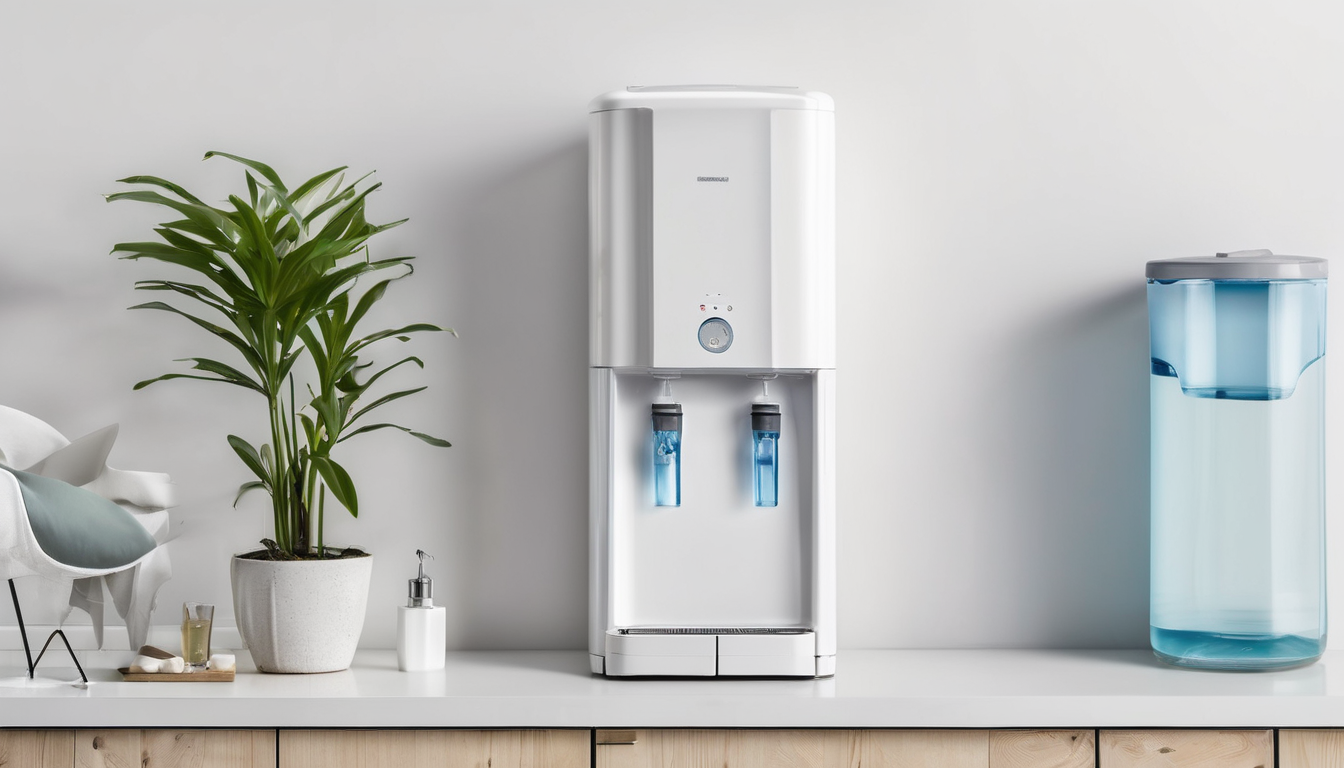

Water dispensers are essential appliances in Dubai households, providing convenient access to cool, refreshing drinking water throughout our hot climate. However, many residents overlook the critical maintenance required to keep these devices hygienic and safe. Recognising signs your water dispenser needs immediate cleaning can prevent health risks and ensure your family enjoys clean, great-tasting water daily. In Dubai’s unique environment, where high temperatures and dust accumulation can accelerate contamination, staying vigilant about water dispenser hygiene becomes particularly important.
As a water hygiene specialist with over twelve years of experience serving Dubai homes, I’ve seen how neglected water dispensers can harbour bacteria, mould, and sediment that compromise water quality. This comprehensive guide will help you identify the clear indicators that your unit requires urgent attention. We’ll explore visual clues, taste changes, performance issues, and health-related signs that should prompt immediate action. Understanding these signals empowers you to maintain optimal water quality and protect your family’s health in our challenging climate conditions.
Visual Signs Your Water Dispenser Needs Immediate Cleaning
Visual inspection provides the most immediate evidence that your water dispenser requires urgent attention. Cloudy or discoloured water flowing from your dispenser indicates sediment buildup or bacterial growth within the system. This cloudiness often appears milky or slightly yellow and doesn’t clear even after running several glasses. In Dubai’s hard water conditions, mineral deposits can accumulate rapidly, creating visible particles in your drinking water.
Another clear visual indicator is visible algae or mould growth around the dispensing nozzles, drip tray, or water reservoir. The greenish or blackish film typically develops in moist areas where standing water accumulates. During Dubai’s humid summer months, this growth accelerates significantly. If you notice slimy residue when wiping the dispenser surfaces or spot fungal growth around the unit, these are definite signs your water dispenser needs immediate cleaning to prevent health risks.
Sediment accumulation at the bottom of your water bottle or in the dispenser’s reservoir also signals urgent cleaning requirements. The sandy or gritty substance consists of mineral deposits, dust particles, and organic matter that settles over time. In Dubai, where dust storms are common, external contaminants can enter through air vents or during bottle changes. This sediment not only affects water taste but provides breeding grounds for microorganisms that compromise water safety.
Taste and Odour Indicators Your Water Dispenser Needs Immediate Cleaning
Changes in water taste represent crucial signs your water dispenser needs immediate cleaning. Metallic or plastic-like flavours indicate leaching from internal components or mineral buildup affecting water quality. If your water develops an unusual bitter or sour aftertaste, particularly noticeable in morning servings, bacterial contamination is likely present. Dubai’s warm climate accelerates this chemical breakdown process within dispensing systems.
Unpleasant odours emanating from your dispenser provide unmistakable signs your water dispenser needs immediate cleaning. Musty, earthy smells suggest mould or algae growth in moist internal components, while sulphuric or rotten egg odours indicate bacterial activity within stagnant water areas. These odours often intensify when the dispenser hasn’t been used for several hours, as overnight stagnation allows contaminants to proliferate in standing water.
Chlorine-like smells that weren’t previously noticeable might indicate biofilm breakdown releasing chemicals into your water. This frequently occurs when Dubai Municipality increases chlorine levels in municipal water supplies during peak summer months, reacting with organic matter accumulated in your dispenser. Any persistent unusual taste or odour warrants immediate investigation and cleaning to restore water quality and safety.
Performance Signs Your Water Dispenser Needs Immediate Cleaning
Reduced water flow or pressure represents practical signs your water dispenser needs immediate cleaning. When mineral deposits, sediment, or biofilm accumulate in the dispensing mechanism, water delivery becomes slower and less consistent. You might notice intermittent spurting or uneven stream patterns instead of smooth, steady flow. This performance degradation indicates internal obstruction requiring thorough cleaning.
Unusual noises during operation also signal cleaning requirements. Gurgling, bubbling, or grinding sounds suggest air trapped in contaminated water lines or mechanical components struggling against buildup. In cooler dispensing functions, louder than normal compressor operation might indicate scale buildup on cooling elements reducing efficiency. These auditory clues often precede complete component failure.
Temperature inconsistency provides additional signs your water dispenser needs immediate cleaning. If cool water becomes lukewarm or hot water fails to reach proper temperature, scale accumulation on heating and cooling elements is likely affecting performance. This not only compromises your drinking experience but increases energy consumption as the unit works harder to maintain temperatures through mineral insulation.
Health-Related Signs Your Water Dispenser Needs Immediate Cleaning
Unexplained gastrointestinal issues among household members constitute serious signs your water dispenser needs immediate cleaning. Recurrent stomach discomfort, nausea, or digestive problems after consuming dispenser water may indicate bacterial contamination. Legionella and other waterborne pathogens can thrive in poorly maintained units, particularly during Dubai’s warm months when temperatures favour microbial growth.
Skin irritations or allergic reactions sometimes develop from contaminated water dispensers. Rashes, itching, or redness after washing hands or face with dispenser water suggest microbial or chemical contamination. This occurs when biofilm releases irritants into the water or mould spores become aerosolised during dispensing. Family members with compromised immune systems or allergies are particularly vulnerable.
Increased frequency of headaches or general malaise might indicate chemical leaching from dirty dispenser components. Plasticisers, mineral deposits, or decomposition products from organic growth can introduce compounds that affect sensitive individuals. If symptoms improve when switching to bottled water or after cleaning the unit, these constitute clear signs your water dispenser needs immediate cleaning and disinfection.
Dubai-Specific Factors Accelerating Water Dispenser Contamination
Dubai’s extreme climate creates unique challenges that accelerate signs your water dispenser needs immediate cleaning. High temperatures throughout most of the year promote rapid bacterial growth within water systems. When ambient temperatures regularly exceed 40°C, microorganisms reproduce at accelerated rates, requiring more frequent cleaning cycles than cooler climates.
Frequent dust and sand storms introduce external contaminants that compromise water dispenser hygiene. Fine particles enter through ventilation openings and during bottle changes, settling in reservoirs and mechanisms. This sediment provides nutrients for microbial growth and contributes to mechanical clogging. Dubai residents should particularly monitor signs your water dispenser needs immediate cleaning following sandstorm events.
Hard water conditions throughout the UAE accelerate mineral scale formation within dispensing systems. Calcium and magnesium deposits accumulate rapidly on heating elements, cooling systems, and water pathways. This scale reduces efficiency, alters water taste, and creates rough surfaces where bacteria can adhere and form biofilm. Regular descaling becomes essential maintenance for Dubai water dispensers.
Immediate Cleaning Solutions for Dubai Households
When you identify signs your water dispenser needs immediate cleaning, begin with safe disassembly according to manufacturer instructions. Most units allow removal of drip trays, water guards, and dispensing nozzles for separate cleaning. Soak these components in warm water with white vinegar or food-grade citric acid to dissolve mineral deposits and disinfect surfaces.
Internal reservoir cleaning requires careful flushing with appropriate cleaning solutions. For mineral removal, use descaling agents suitable for food contact surfaces. For biological contamination, prepare a disinfecting solution using one tablespoon of unscented bleach per four litres of water. Circulate this solution through the dispensing system, allowing contact time before thorough rinsing with clean water.
External surfaces demand regular disinfection, particularly touchpoints like buttons, handles, and dispensing areas. Use food-safe disinfectant wipes or sprays containing 70% alcohol solutions. Pay special attention to crevices where moisture accumulates and bacteria proliferate. Complete drying before reassembly prevents immediate recontamination and extends cleaning effectiveness.
Professional Cleaning Services When DIY Isn’t Enough
Some signs your water dispenser needs immediate cleaning indicate requirements beyond DIY approaches. Persistent contamination despite thorough cleaning suggests deep biofilm formation requiring professional disinfection. Specialised equipment and cleaning agents effectively penetrate complex internal components where household methods cannot reach.
Mechanical issues accompanying contamination signs often warrant professional attention. If reduced flow continues after cleaning, internal valves or tubing might require replacement. Temperature regulation problems might indicate scale-damaged components needing professional descaling or part replacement. Dubai-based technicians understand local water conditions and common dispenser issues.
Commercial establishments and large households benefit from professional maintenance contracts ensuring regular, thorough cleaning. Services typically costing AED 200-400 per visit include complete disassembly, descaling, disinfection, and performance verification. This preventive approach avoids emergency situations and ensures consistent water quality for families and businesses throughout Dubai.
Preventive Maintenance Schedule for Dubai Water Dispensers
Establishing regular cleaning prevents emergency situations where signs your water dispenser needs immediate cleaning become apparent. For typical Dubai household use, schedule external cleaning weekly using food-safe disinfectants. Wipe all surfaces, paying particular attention to dispensing areas and touchpoints where contamination transfers easily.
Monthly internal cleaning maintains basic hygiene between thorough services. Empty and rinse the reservoir with vinegar solution, clean removable parts, and flush the system with fresh water. This prevents significant buildup and reduces microbial growth between comprehensive cleaning sessions.
Quarterly professional servicing provides complete maintenance for Dubai conditions. Technicians perform deep descaling, disinfection, component inspection, and performance testing. This schedule accommodates Dubai’s challenging environment while ensuring continuous access to safe, great-tasting drinking water for your family throughout the year.
Expert Tips for Dubai Water Dispenser Maintenance
- Place your dispenser away from direct sunlight and heat sources to reduce bacterial growth rates
- Use only food-grade cleaning solutions to avoid chemical contamination of drinking water
- Ensure complete drying of all components before reassembly to prevent immediate recontamination
- Replace water bottles promptly when empty to prevent air-borne contamination entering the system
- Consider installing additional filtration if your building’s water supply contains high sediment levels
- Keep maintenance records including cleaning dates and observations for tracking purposes
- Educate all household members on proper dispenser use to minimise contamination introduction
Frequently Asked Questions
How often should I clean my water dispenser in Dubai?
Most Dubai households require monthly basic cleaning and quarterly thorough disinfection. Increase frequency during summer months or if water quality issues become apparent.
Can I use vinegar to clean my water dispenser?
White vinegar effectively removes mineral scale but may not eliminate biological contamination. For disinfecting, use food-grade hydrogen peroxide or specialised cleaning solutions after vinegar descaling.
What professional cleaning services cost in Dubai?
Professional water dispenser cleaning typically costs AED 200-400 depending on unit type and contamination level. Many companies offer maintenance contracts for regular servicing.
Are there health risks from dirty water dispensers?
Contaminated dispensers can harbour Legionella, E. coli, and other pathogens causing gastrointestinal illnesses. Regular cleaning prevents these health risks.
How long does professional cleaning take?
Most professional services require 60-90 minutes including disassembly, cleaning, disinfection, reassembly, and testing. Complex units might take longer.
Recognising signs your water dispenser needs immediate cleaning protects your family’s health and ensures enjoyable drinking water quality. In Dubai’s challenging environment, proactive maintenance prevents contamination issues before they affect your household. Regular cleaning, appropriate scheduling, and professional assistance when needed maintain optimal performance and water safety throughout the year.