




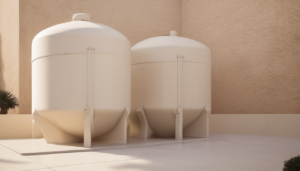
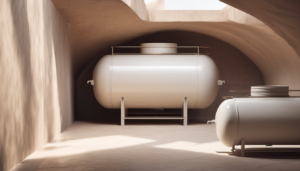

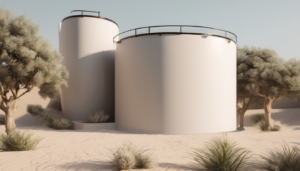


How Often Should Water Tanks Be Cleaned Dubai depends on multiple factors including tank material, building occupancy, and local water quality conditions. While Dubai Municipality regulations specify annual cleaning as the minimum requirement, many residential and commercial properties require more frequent maintenance due to Dubai’s climate and water usage patterns. Professional assessment determines the optimal cleaning schedule based on visual inspection, water testing results, and specific property characteristics.
The frequency of How Often Should Water Tanks Be Cleaned Dubai is not a one-size-fits-all calculation. Underground concrete tanks in older communities may require different maintenance intervals compared to modern GRP tanks in new developments. Water quality indicators, sediment accumulation rates, and biofilm formation all influence the recommended cleaning frequency for each unique property situation.
How Often Should Water Tanks Be Cleaned Dubai – Dubai Municipality Regulations for Water Tank Cleaning
Dubai Municipality establishes clear guidelines for How Often Should Water Tanks Be Cleaned Dubai through its public health and safety codes. The minimum requirement specifies annual cleaning and disinfection for all potable water storage tanks, regardless of capacity or usage patterns. These regulations apply to residential villas, apartment buildings, commercial establishments, and industrial facilities throughout Dubai and the Northern Emirates.
Municipality inspectors may request cleaning certificates during routine building inspections, particularly for properties with high occupancy rates or commercial food service operations. The cleaning process must follow approved protocols using Dubai Municipality-certified disinfectants and methods. Documentation including before-and-after photographs, water test results, and service reports should be maintained for compliance verification.
Inspection Requirements and Compliance Documentation
Property owners must maintain records demonstrating compliance with How Often Should Water Tanks Be Cleaned Dubai regulations. These records typically include service reports from licensed cleaning companies, water quality test results, and visual documentation of tank conditions. During municipal inspections, this documentation proves adherence to the required maintenance schedule and helps avoid compliance issues.
How Often Should Water Tanks Be Cleaned Dubai – Factors Determining Water Tank Cleaning Frequency
How Often Should Water Tanks Be Cleaned Dubai depends on several key variables that professional assessors evaluate during site visits. Tank material significantly influences cleaning frequency, with concrete tanks typically requiring more frequent attention than fibreglass or stainless steel alternatives. Water source quality affects sediment accumulation rates, while usage patterns determine how quickly contaminants develop in stored water.
Building occupancy levels directly impact How Often Should Water Tanks Be Cleaned Dubai. High-occupancy residential towers with hundreds of tenants will experience faster contamination buildup compared to single-family villas. Commercial kitchens, schools, and medical facilities have stricter hygiene requirements that often necessitate quarterly cleaning rather than annual maintenance.
Climate Considerations in Dubai’s Environment
Dubai’s high temperatures and dust conditions accelerate the contamination process in water storage systems. How Often Should Water Tanks Be Cleaned Dubai must account for these environmental factors that promote bacterial growth and sediment accumulation. During summer months, elevated temperatures can accelerate biofilm formation, requiring more frequent cleaning intervals for exposed rooftop tanks.
How Often Should Water Tanks Be Cleaned Dubai – Residential Property Cleaning Frequency Guidelines
How Often Should Water Tanks Be Cleaned Dubai for residential properties varies based on villa versus apartment living situations. Single-family villas with underground concrete tanks typically require annual cleaning, while apartment buildings with large central storage systems may need biannual maintenance. Properties with children, elderly residents, or family members with compromised immune systems might benefit from more frequent cleaning schedules.
Water quality indicators help determine How Often Should Water Tanks Be Cleaned Dubai for residential settings. Visible sediment in taps, unusual odours, or changes in water taste suggest the need for immediate cleaning regardless of the scheduled maintenance date. Professional assessment can identify these issues early and recommend appropriate cleaning frequency adjustments.
Commercial and Industrial Cleaning Requirements
How Often Should Water Tanks Be Cleaned Dubai for commercial establishments follows stricter guidelines than residential properties. Restaurants, hotels, and food service facilities typically require quarterly cleaning to maintain health department compliance. Medical facilities, schools, and childcare centres have even more rigorous standards that often mandate cleaning every three months with comprehensive water testing.
Industrial facilities and labour accommodations present unique challenges for How Often Should Water Tanks Be Cleaned Dubai. High-occupancy labour camps may require monthly cleaning depending on water quality and usage patterns. Manufacturing facilities using water in processes need specialized cleaning schedules that account for specific contamination risks in their operations.
Water Quality Indicators for Cleaning Needs
Several visual and sensory indicators help determine How Often Should Water Tanks Be Cleaned Dubai between scheduled maintenance periods. Cloudy water appearance, visible sediment particles, or unusual colours suggest immediate cleaning is necessary. Musty odours or strange tastes indicate bacterial growth or contamination that requires professional attention.
Laboratory water testing provides scientific data to determine How Often Should Water Tanks Be Cleaned Dubai. Total dissolved solids measurements, bacterial colony counts, and chemical composition analysis offer objective metrics for scheduling cleaning services. Properties with consistently poor water quality results may need more frequent cleaning than those maintaining optimal water conditions.
Sediment Accumulation and Biofilm Formation
Sediment accumulation rates directly influence How Often Should Water Tanks Be Cleaned Dubai. Properties with high sediment loading from municipal water sources may require more frequent cleaning to prevent system clogging and contamination. Biofilm formation, which creates slippery surfaces on tank walls, indicates the need for immediate cleaning and disinfection.
Professional Assessment for Cleaning Frequency
Determining How Often Should Water Tanks Be Cleaned Dubai requires professional assessment by certified water hygiene specialists. During site visits, technicians evaluate tank condition, water quality, and usage patterns to recommend appropriate cleaning intervals. This assessment considers multiple factors including tank accessibility, previous maintenance history, and observed contamination levels.
Professional assessment for How Often Should Water Tanks Be Cleaned Dubai includes visual inspection of tank interiors, water sampling for laboratory analysis, and evaluation of system components. This comprehensive approach ensures cleaning recommendations address actual conditions rather than following generic schedules. Properties with complex water systems may require customized cleaning plans based on assessment findings.
Maintenance Scheduling and Record Keeping
Establishing a regular schedule for How Often Should Water Tanks Be Cleaned Dubai requires proper documentation and reminder systems. Property managers should maintain cleaning logs that record service dates, findings, and recommendations for future maintenance. Digital reminder systems help ensure cleaning occurs at appropriate intervals based on professional recommendations.
Record keeping for How Often Should Water Tanks Be Cleaned Dubai should include before-and-after photographs, water test results, and detailed service reports. These documents demonstrate compliance with municipal regulations and provide valuable historical data for future maintenance planning. Well-maintained records help optimize cleaning frequency based on actual tank conditions over time.
Seasonal Considerations for Tank Cleaning
Dubai’s seasonal variations affect How Often Should Water Tanks Be Cleaned Dubai throughout the year. Summer months with higher temperatures may necessitate more frequent cleaning for rooftop tanks exposed to extreme heat. The winter period following rainfall events might require additional cleaning to address potential contamination from system overflows or leaks.
Seasonal planning for How Often Should Water Tanks Be Cleaned Dubai should account for periods of high usage, such as summer months when water consumption increases. Properties with seasonal occupancy patterns, such as vacation homes or seasonal businesses, require customized cleaning schedules that address their specific usage cycles and maintenance needs.
Expert Tips for Maintaining Water Tank Hygiene
Regular inspection between professional cleanings helps determine How Often Should Water Tanks Be Cleaned Dubai based on actual conditions. Property owners should visually check water clarity and note any changes in taste or odour that might indicate developing issues. Keeping tanks properly sealed and protected from environmental contaminants reduces the frequency of required cleaning services.
Monitoring water quality through simple home test kits provides additional data for determining How Often Should Water Tanks Be Cleaned Dubai. These tests can detect changes in pH, chlorine levels, or turbidity that might indicate the need for professional cleaning before the scheduled maintenance date. Addressing minor issues promptly often prevents major contamination problems.
Frequently Asked Questions
How often do villa water tanks need cleaning in Dubai?
Villa water tanks in Dubai typically require annual cleaning as a minimum standard. However, properties with larger families, older tank systems, or water quality issues may need more frequent cleaning. Professional assessment determines the optimal schedule based on tank condition and usage patterns.
What happens if I don’t clean my water tank regularly?
Infrequent Water Tank Cleaning leads to sediment accumulation, bacterial growth, and potential health risks. Dubai Municipality may issue violations for non-compliance, and water quality can deteriorate significantly, affecting taste, odour, and safety for household use.
Can I clean my water tank myself in Dubai?
DIY water tank cleaning is not recommended in Dubai due to safety risks and potential compliance issues. Professional services use approved disinfectants and methods that meet municipal requirements while ensuring thorough cleaning and proper documentation.
How long does professional water tank cleaning take?
Professional water tank cleaning typically requires 2-4 hours depending on tank size and accessibility. The process includes draining, cleaning, disinfection, and refilling, with additional time for water testing and documentation.
What signs indicate my water tank needs immediate cleaning?
Visible sediment, unusual odours, discoloured water, or changes in taste indicate immediate cleaning needs. Reduced water pressure or system performance issues may also suggest contamination requiring professional attention.
Conclusion
How Often Should Water Tanks Be Cleaned Dubai depends on multiple factors including property type, usage patterns, and water quality conditions. While annual cleaning meets minimum municipal requirements, many properties benefit from more frequent maintenance based on professional assessment. Regular cleaning ensures water safety, system performance, and compliance with Dubai health regulations.
Determining the optimal schedule for How Often Should Water Tanks Be Cleaned Dubai requires professional evaluation of individual property characteristics. Water testing, visual inspection, and consideration of environmental factors all contribute to creating appropriate maintenance plans that protect water quality and public health.