


Legionella Prevention in Dubai water systems explained begins with understanding the unique climate conditions that favour bacterial growth in our plumbing infrastructure. The combination of high temperatures, humidity levels, and complex building water systems creates an environment where Legionella bacteria can thrive if proper maintenance protocols are not followed. This comprehensive guide explains the specific prevention strategies required for Dubai’s residential and commercial properties, focusing on practical, municipality-compliant solutions that property owners can implement to ensure water safety.
Legionella Prevention in Dubai Water Systems – Understanding Legionella Bacteria in Dubai’s Climate
Legionella prevention in Dubai water systems explained requires acknowledging how our local climate contributes to bacterial proliferation. The bacteria thrive in temperatures between 20°C and 45°C, which perfectly describes the conditions in many Dubai water tanks and plumbing systems for significant portions of the year. The combination of intense heat and high humidity creates ideal breeding conditions, particularly in stagnant water areas of complex building systems.
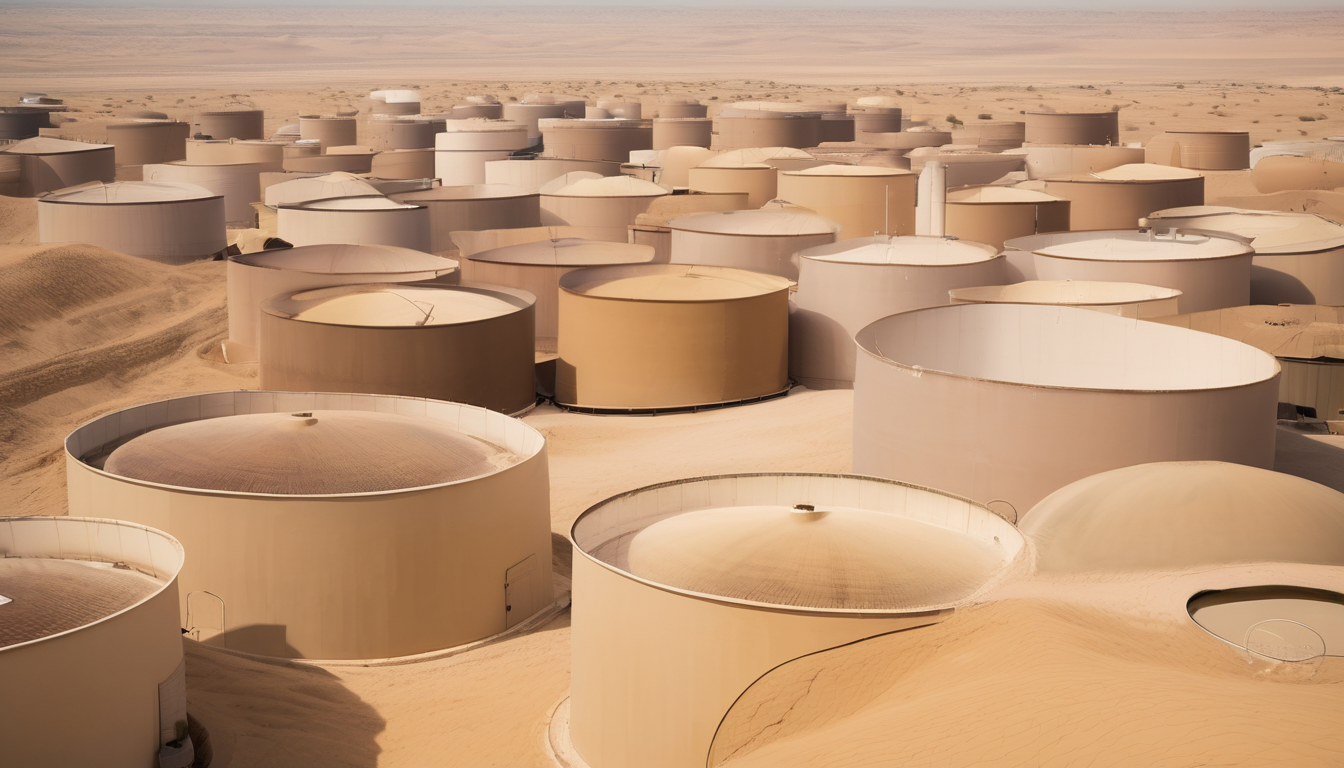
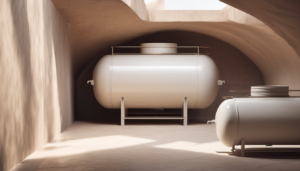
Dubai’s water infrastructure faces unique challenges that make Legionella prevention particularly important. Many buildings utilise both underground storage tanks and rooftop tanks, creating multiple points where water can stagnate and temperatures can rise to dangerous levels. The extensive piping networks in high-rise buildings further complicate temperature control, with long horizontal runs and dead legs where water movement is minimal.
Temperature Zones of Concern
Legionella prevention in Dubai water systems explained must address specific temperature danger zones. Cold water systems should maintain temperatures below 20°C, while hot water systems should operate above 60°C at the source and above 50°C at point-of-use outlets. During summer months, maintaining these temperatures becomes increasingly challenging without proper insulation and circulation systems.
Legionella Prevention in Dubai Water Systems – Dubai Municipality Guidelines for Legionella Control
Legionella prevention in Dubai water systems explained through official guidelines follows Dubai Municipality’s comprehensive water safety framework. The regulations mandate regular inspection, cleaning, and disinfection of all water storage tanks and distribution systems. Property owners must maintain records of all maintenance activities, including water quality testing results and any corrective actions taken.
The municipality requires annual cleaning and disinfection of water storage tanks for most residential properties, with more frequent cleaning recommended for commercial establishments and buildings with vulnerable populations. Professional cleaning companies must follow approved disinfection protocols using Dubai Municipality-registered chemicals and methods. Documentation of these procedures must be available for inspection upon request.
Water testing forms another critical component of Legionella prevention in Dubai water systems explained through regulatory requirements. Properties must conduct regular microbial testing, including Legionella species detection when risk assessment indicates potential issues. Testing should be performed by accredited laboratories using approved methods, with results maintained in the property’s water safety plan.
Legionella Prevention in Dubai Water Systems – Professional Water Tank Cleaning and Disinfection
Legionella prevention in Dubai water systems explained through professional cleaning involves systematic approaches to removing biofilm and sediment where bacteria multiply. Certified technicians follow a meticulous process beginning with complete drainage of storage tanks, followed by mechanical removal of all sediment and debris. High-pressure washing with potable water ensures thorough cleaning of all surfaces.
Disinfection represents the critical second phase of Legionella prevention in Dubai water systems explained through chemical treatment. Dubai Municipality-approved disinfectants are applied at calculated concentrations based on tank volume and contamination levels. The solution remains in contact with tank surfaces for specified durations to ensure complete microbial elimination, followed by thorough rinsing and refilling with fresh water.
Post-Cleaning Verification
After completing the disinfection process, water quality testing verifies the effectiveness of Legionella prevention in Dubai water systems explained through measurable results. Samples are collected from multiple points in the system and analysed for microbial contamination, including specific testing for Legionella when indicated by risk assessment. Only when test results confirm water safety is the system released for normal use.
pipeline Flushing and Dead Leg Management
Legionella prevention in Dubai water systems explained must address the challenge of stagnant water in plumbing networks. Regular flushing of all water outlets, including rarely used taps, showers, and emergency fixtures, prevents water stagnation where bacteria can multiply. Property managers should establish flushing schedules that ensure all points are used or flushed at appropriate intervals.
Dead legs—sections of piping that lead to discontinued or rarely used outlets—pose particular challenges for Legionella prevention in Dubai water systems explained through practical management. These sections should be eliminated where possible, or included in regular flushing protocols if removal is not feasible. Mapping all plumbing routes helps identify potential dead legs that might otherwise be overlooked during maintenance.
Thermal control methods supplement flushing protocols for comprehensive Legionella prevention in Dubai water systems explained through temperature management. Maintaining hot water temperatures above 50°C throughout the system, and cold water below 20°C, creates environments hostile to Legionella growth. Regular monitoring of temperature at distal points ensures the entire system maintains protective conditions.
Chemical Treatment and Water Conditioning
Legionella prevention in Dubai water systems explained through chemical interventions includes both periodic shock disinfection and continuous treatment options. Chlorine-based disinfectants remain the most common treatment method, with Dubai Municipality specifying acceptable concentrations and contact times for various application scenarios. Professional application ensures both effectiveness and safety for potable water systems.
Alternative disinfection methods form part of advanced Legionella prevention in Dubai water systems explained through technological solutions. Copper-silver ionisation systems, ultraviolet light treatment, and chlorine dioxide generators provide continuous disinfection without creating disinfection by-products or affecting water taste. These systems require professional installation and regular maintenance to ensure continuous effectiveness.
Water conditioning addresses underlying water quality issues that complicate Legionella prevention in Dubai water systems explained through comprehensive management. Scale and corrosion control treatments protect pipes and tanks from deterioration that creates surfaces where biofilm can develop. Regular water analysis helps determine appropriate conditioning treatments based on local water characteristics.
Monitoring and Maintenance Protocols
Effective Legionella prevention in Dubai water systems explained requires establishing comprehensive monitoring programs that track key water quality parameters. Regular temperature checks at multiple points in the system help identify areas where conditions might favour bacterial growth. pH monitoring ensures chemical treatments remain effective, while microbial testing provides direct assessment of control measures.
Maintenance records form the documentation backbone of Legionella prevention in Dubai water systems explained through accountable practices. Detailed logs should include cleaning dates, disinfection concentrations, flushing activities, inspection findings, and test results. These records demonstrate due diligence and provide valuable data for optimizing prevention strategies over time.
Emergency response plans complete the framework for Legionella prevention in Dubai water systems explained through preparedness. Properties should have documented procedures for addressing positive Legionella test results, including notification protocols, immediate control measures, and follow-up verification testing. Regular review of these plans ensures they remain current with best practices and regulatory requirements.
Expert Tips for Legionella Prevention in Dubai Homes
Property owners can implement several practical measures to support Legionella prevention in Dubai water systems explained through daily practices. Run all taps and showers for several minutes after returning from extended absences to flush stagnant water from pipes. Maintain your water heater at appropriate temperatures and consider installing point-of-use filters if vulnerable individuals use the system.
Regular visual inspections help identify issues before they become problems. Check for leaking taps that might indicate pressure issues, and look for signs of corrosion or scale buildup that could harbour bacteria. Ensure tank lids seal properly to prevent contamination and maintain water quality between professional cleanings.
Engage professional services for annual tank cleaning and disinfection, following Dubai Municipality guidelines. Choose certified providers with experience in Legionella prevention in Dubai water systems explained through proper protocols. Maintain records of all maintenance activities and water test results to demonstrate compliance with safety standards.
Frequently Asked Questions
How often should water tanks be cleaned for Legionella prevention in Dubai?
Dubai Municipality recommends annual cleaning for residential properties, with more frequent cleaning every six months for commercial buildings and facilities serving vulnerable populations. Additional cleaning may be necessary based on water quality test results or visual inspection findings.
What temperature should I maintain in my hot water system?
Hot water should be stored at 60°C or higher and distributed at 50°C or higher at all outlets. These temperatures prevent Legionella growth while ensuring safety against scalding risks through appropriate mixing valves.
Can Legionella affect my air conditioning system?
While Legionella primarily grows in water systems, some air conditioning systems that use water cooling towers can spread the bacteria through mist. Regular maintenance of all water-containing systems provides comprehensive protection.
What are the signs of Legionella contamination?
Legionella contamination often shows no visible signs in water. Musty odours, sediment accumulation, or discoloured water indicate general water quality issues that require attention. Professional testing provides the only reliable detection method.
Is Legionella testing required by Dubai regulations?
While routine Legionella testing isn’t always mandatory, Dubai Municipality requires it when risk assessment indicates potential issues. Many property managers include testing as part of comprehensive water safety programs.
Conclusion
Legionella prevention in Dubai water systems explained through this guide demonstrates the multifaceted approach required for effective bacterial control. The combination of regular professional cleaning, systematic flushing protocols, temperature management, and chemical treatment creates layers of protection that ensure water safety. Property owners who implement these strategies protect both their investment and the health of building occupants.
Engaging certified professionals for Legionella prevention in Dubai water systems explained through proper protocols ensures compliance with local regulations and application of evidence-based methods. Regular maintenance, combined with ongoing monitoring and documentation, provides the comprehensive approach needed to manage Legionella risks in our challenging climate. Through diligent attention to water system management, Dubai properties can maintain safe, high-quality water for all uses.