





Maintaining clean water storage systems is not just a matter of home maintenance—it’s a critical health requirement in Dubai’s climate. The Dubai Municipality Water Tank Cleaning Guidelines establish clear standards for property owners, facility managers, and cleaning professionals to ensure safe drinking water for all residents. These regulations are particularly important given Dubai’s high temperatures, which can accelerate bacterial growth and sediment accumulation in water tanks.
As a Water Tank Cleaning specialist with over twelve years of experience serving Dubai properties, I’ve witnessed how proper adherence to these guidelines prevents health issues and maintains water quality. The Dubai Municipality Water Tank Cleaning Guidelines cover everything from cleaning frequency and methods to disinfection protocols and documentation requirements. Property owners who follow these standards protect their families, tenants, and businesses from waterborne contaminants.
This comprehensive guide will walk you through the essential components of the Dubai Municipality Water Tank Cleaning Guidelines, including mandatory cleaning schedules, approved cleaning techniques, disinfection procedures, and compliance documentation. Whether you manage a villa, apartment building, commercial property, or institutional facility, understanding these requirements will help you maintain Dubai’s high standards for water safety and hygiene.
Understanding Dubai Municipality Water Tank Cleaning Guidelines
The Dubai Municipality Water Tank Cleaning Guidelines form part of the broader Public Health and Safety Code, specifically addressing potable water storage systems. These guidelines apply to all properties connected to Dubai’s water supply network, including residential villas, apartment buildings, commercial establishments, and institutional facilities. The primary objective is to prevent waterborne diseases and ensure that stored drinking water meets quality standards throughout the distribution chain.
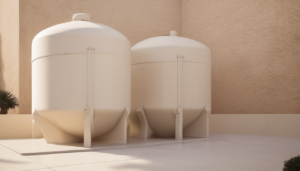
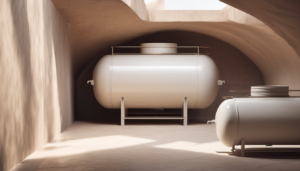
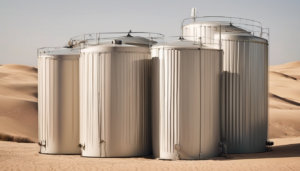
According to the Dubai Municipality Water Tank Cleaning Guidelines, all water storage tanks must be constructed from approved materials that don’t leach chemicals or support bacterial growth. Tanks should be completely enclosed with secure lids to prevent contamination from insects, dust, or external pollutants. The guidelines specify that overflow pipes must be properly screened, and ventilation openings should include insect-proof mesh to maintain hygiene standards.
The Dubai Municipality Water Tank Cleaning Guidelines also address accessibility requirements, stating that tanks must have adequate entry points for proper cleaning and inspection. This includes manholes of sufficient size for technicians to enter and clean thoroughly. Property owners are responsible for ensuring their tanks meet these structural requirements before any cleaning can be considered compliant with Dubai Municipality Water Tank Cleaning Guidelines.
Dubai Municipality Water Tank Cleaning Guidelines – Mandatory Cleaning Frequency Requirements
The Dubai Municipality Water Tank Cleaning Guidelines establish clear minimum cleaning frequencies based on property type and usage. For residential villas and apartments, the guidelines mandate cleaning at least once every six months. Commercial properties, including hotels, restaurants, and office buildings, must clean their water tanks quarterly due to higher usage patterns and increased contamination risks.
High-risk facilities such as hospitals, clinics, schools, and nurseries have even stricter requirements under the Dubai Municipality Water Tank Cleaning Guidelines. These institutions should conduct water tank cleaning and disinfection every three months, with additional water quality testing between cleanings. Labour accommodations and construction camps also fall under enhanced frequency requirements due to higher occupancy and potential sedimentation issues.
Beyond these standard schedules, the Dubai Municipality Water Tank Cleaning Guidelines specify additional circumstances that trigger mandatory cleaning. These include after any water main breakage, following building renovation or construction work, when residents report water discolouration or unusual odours, and after any contamination incident. Property managers should maintain a cleaning log that documents these activities as proof of compliance with Dubai Municipality Water Tank Cleaning Guidelines.
Dubai Municipality Water Tank Cleaning Guidelines – Approved Cleaning and Disinfection Methods
The Dubai Municipality Water Tank Cleaning Guidelines specify a detailed six-step process for proper tank cleaning and disinfection. First, technicians must completely drain the tank and isolate it from the water supply system. Next, they remove all sediment, sludge, and debris using approved methods that don’t damage the tank lining. High-pressure washing with potable water is the preferred method for this cleaning phase.
After mechanical cleaning, the Dubai Municipality Water Tank Cleaning Guidelines require disinfection using approved chemicals at specific concentrations. Chlorine-based disinfectants are most commonly used, with concentrations typically between 50-100 ppm for effective microbial control. The guidelines specify contact time requirements—usually 30-60 minutes—to ensure proper disinfection before rinsing. Technicians must measure and record chlorine levels throughout this process to verify effectiveness.
The final steps in the Dubai Municipality Water Tank Cleaning Guidelines involve thorough rinsing with potable water until chlorine levels drop below 0.5 ppm, refilling the tank, and conducting a post-cleaning inspection. Water quality testing should be performed after refilling to ensure parameters like turbidity, pH, and residual chlorine meet Dubai Municipality standards. Only Dubai Municipality-approved cleaning companies using registered disinfectants can perform compliant cleaning services.
Documentation and Compliance Records
Proper documentation is a critical component of the Dubai Municipality Water Tank Cleaning Guidelines. Service providers must issue a detailed cleaning certificate that includes the company’s Dubai Municipality registration number, date of service, tank capacity and location, cleaning methods used, disinfectant types and concentrations, and pre- and post-cleaning water test results. This certificate serves as proof of compliance during municipal inspections.
Property owners should maintain a water tank maintenance log that records all cleaning activities, repairs, and inspections. The Dubai Municipality Water Tank Cleaning Guidelines recommend keeping these records for at least two years, as inspectors may request them during routine checks. The log should include dates, service provider details, any issues identified, corrective actions taken, and water quality test results to demonstrate ongoing compliance.
Digital documentation is increasingly accepted under updated Dubai Municipality Water Tank Cleaning Guidelines, with many service providers offering online portals where property managers can access their cleaning history and certificates. However, physical copies should still be maintained on-site, particularly for facilities that undergo regular municipal inspections. Proper record-keeping not only ensures compliance but also helps track maintenance patterns and identify potential issues before they become serious problems.
Professional vs DIY Cleaning Considerations
While the Dubai Municipality Water Tank Cleaning Guidelines don’t explicitly prohibit DIY cleaning, they strongly recommend using approved professional services for several reasons. Certified cleaning companies possess the specialised equipment, approved disinfectants, and trained technicians necessary to meet municipal standards. They also carry insurance coverage that protects property owners in case of accidents or incomplete cleaning that leads to contamination issues.
Professional services following Dubai Municipality Water Tank Cleaning Guidelines use industrial-grade equipment including submersible pumps, high-pressure washers, vacuum sludge extractors, and water testing kits that most property owners don’t possess. They also have access to Dubai Municipality-approved disinfectants at the proper concentrations, which aren’t typically available to consumers. Perhaps most importantly, certified companies provide the documentation necessary to prove compliance during inspections.
For property owners considering DIY cleaning, the Dubai Municipality Water Tank Cleaning Guidelines still apply in full. This means following all safety protocols, using approved disinfectants at correct concentrations, conducting proper water testing, and maintaining detailed records. However, without professional certification, your cleaning may not be recognized as compliant during municipal inspections, potentially resulting in fines or mandatory re-cleaning by approved providers.
Consequences of Non-Compliance
Failure to adhere to Dubai Municipality Water Tank Cleaning Guidelines can result in significant penalties for property owners and managers. Initial violations typically incur fines starting from AED 2,000 for residential properties and up to AED 10,000 for commercial establishments. Repeat violations or serious breaches involving water contamination can result in much higher penalties, temporary closure orders, or even legal action in cases where health impacts occur.
Beyond financial penalties, non-compliance with Dubai Municipality Water Tank Cleaning Guidelines can lead to mandatory emergency cleaning at the property owner’s expense, often at higher rates than scheduled maintenance. In severe cases, Dubai Municipality may disconnect the water supply until compliance is verified through inspection and water testing. Property managers may also face increased scrutiny with more frequent inspections following violations.
Perhaps the most significant consequence of ignoring Dubai Municipality Water Tank Cleaning Guidelines is the health risk to building occupants. Contaminated water tanks can harbour bacteria like Legionella, E. coli, and other pathogens that cause serious illnesses. Property owners may face liability claims if residents become ill due to neglected water tank maintenance. Regular compliance with cleaning guidelines protects both health and legal standing.
Expert Tips for Maintaining Compliance
Based on my twelve years of experience implementing Dubai Municipality Water Tank Cleaning Guidelines, I recommend scheduling cleanings well in advance of due dates. Popular cleaning companies often book up quickly, particularly before summer months when bacterial growth accelerates. Establish a relationship with a certified provider who can automatically schedule your cleanings and handle all documentation requirements.
Consider implementing a comprehensive water safety plan that goes beyond minimum Dubai Municipality Water Tank Cleaning Guidelines. This might include intermediate water testing between cleanings, additional filtration systems, and regular visual inspections of tank exteriors and access points. Keeping vegetation cleared around underground tanks and ensuring proper drainage can prevent external contamination issues that might compromise water quality.
Educate building residents or tenants about water conservation practices that reduce sediment accumulation. Simple measures like reporting leaks promptly, avoiding disposal of materials down drains, and being mindful of water usage patterns can significantly extend the effectiveness of cleaning between scheduled services. A collaborative approach to water management helps maintain compliance with Dubai Municipality Water Tank Cleaning Guidelines while promoting overall water conservation.
Frequently Asked Questions
How often should villa water tanks be cleaned according to Dubai Municipality?
The Dubai Municipality Water Tank Cleaning Guidelines require villa water tanks to be cleaned and disinfected at least every six months. However, factors like water quality, tank material, and usage patterns may necessitate more frequent cleaning. Many experts recommend quarterly cleaning for villas with large families or visible sediment issues.
What documentation should I receive after professional cleaning?
After compliant cleaning, you should receive a detailed certificate including the company’s Dubai Municipality registration number, cleaning date, tank specifications, methods used, disinfectant information, and water test results. Keep this certificate with your property records for at least two years as proof of compliance with Dubai Municipality Water Tank Cleaning Guidelines.
Can I clean my water tank myself and still be compliant?
While DIY cleaning isn’t explicitly prohibited, meeting all Dubai Municipality Water Tank Cleaning Guidelines without professional equipment and certified disinfectants is challenging. Most property owners lack the testing equipment and documentation capabilities necessary for compliance. Professional services ensure proper cleaning and provide the necessary certificates for municipal inspections.
What are the penalties for not following cleaning guidelines?
Penalties for non-compliance with Dubai Municipality Water Tank Cleaning Guidelines start at AED 2,000 for residential properties and can exceed AED 10,000 for commercial violations. Repeated non-compliance may result in water supply disconnection until proper cleaning is verified through inspection and testing.
Adhering to Dubai Municipality Water Tank Cleaning Guidelines is essential for maintaining water safety and regulatory compliance in Dubai properties. By understanding these requirements, scheduling regular cleanings with certified providers, and maintaining proper documentation, property owners can ensure their water storage systems meet the highest standards of hygiene and safety.