




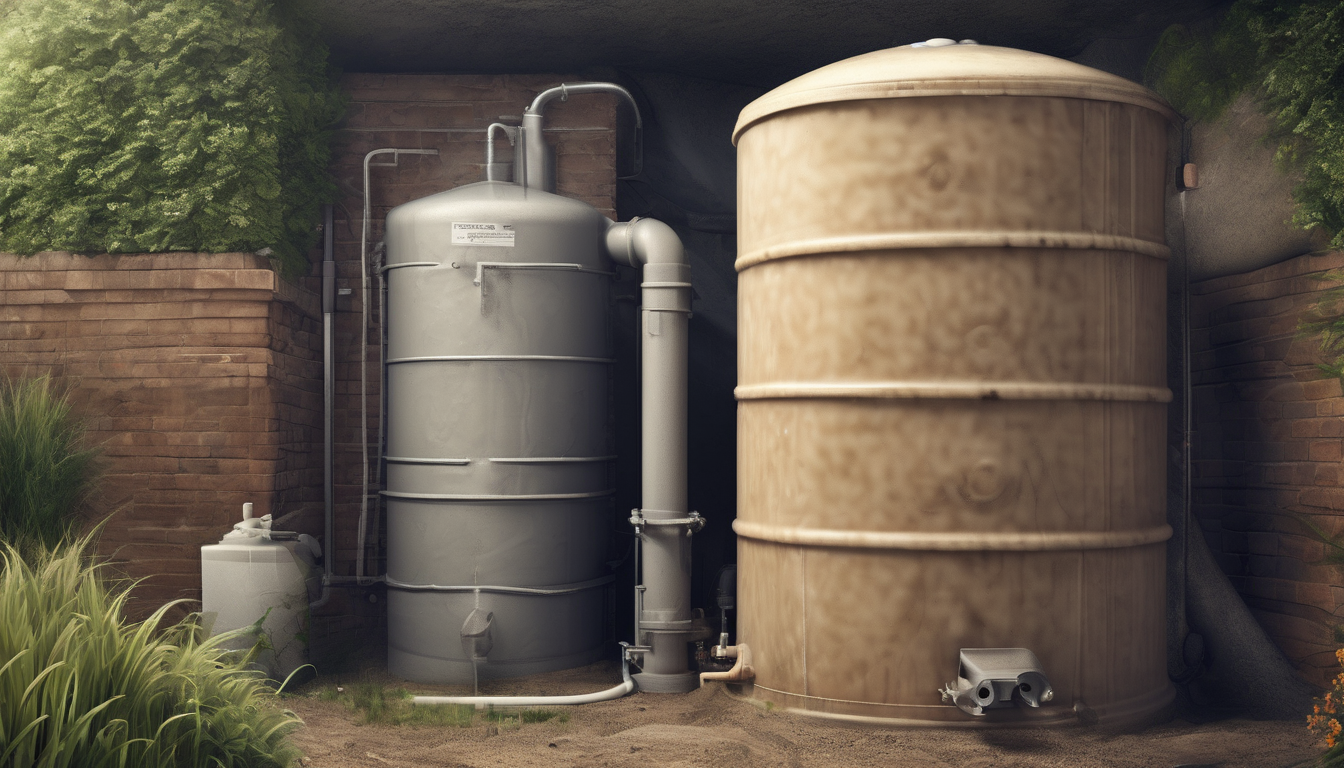

Understanding how to clean underground water tanks safely is essential for every property owner in Dubai, Abu Dhabi, and Sharjah. These hidden water reservoirs require regular maintenance to ensure your family’s drinking water remains pure and contamination-free. The unique climate conditions in the UAE—with high temperatures, dust storms, and humidity—make regular cleaning even more critical for preventing bacterial growth and sediment accumulation.
Learning How to Clean underground water tanks safely involves more than just removing visible dirt. It requires a systematic approach that addresses biofilm removal, proper disinfection, and compliance with Dubai Municipality regulations. This guide will walk you through the complete process, from preparation and safety measures to the final water quality testing, ensuring your underground tank maintenance meets the highest hygiene standards.
Whether you’re a villa owner in Arabian Ranches, a property manager in Downtown Dubai, or managing a commercial building in Abu Dhabi, mastering how to clean underground water tanks safely will protect your water quality and extend your tank’s lifespan. Following these expert-approved methods will give you peace of mind knowing your water storage system maintains optimal hygiene throughout the year.
Clean Underground Water Tanks Safely – Essential Safety Preparations Before Starting
Before learning how to clean underground water tanks safely, you must understand the critical safety preparations. Underground tank cleaning presents unique hazards including confined space entry risks, potential oxygen deficiency, and exposure to harmful bacteria. Always begin by securing the area around the tank access point with warning signs and barriers to prevent accidental falls or unauthorized access.
Proper personal protective equipment (PPE) is non-negotiable when considering how to clean underground water tanks safely. You’ll need waterproof overalls, rubber boots with grip soles, chemical-resistant gloves, safety goggles, and most importantly, a proper respirator mask rated for chemical vapours. For enclosed underground tanks, additional safety gear including harness systems, air quality monitors, and communication devices become essential for preventing accidents.
Electrical safety measures are particularly crucial in underground environments where moisture accumulation increases electrocution risks. All equipment should be battery-operated or connected through ground-fault circuit interrupters (GFCIs). Ensure adequate lighting with explosion-proof fixtures and always have a second person stationed outside the tank as a safety observer throughout the cleaning process.
Clean Underground Water Tanks Safely: Step-by-Step Cleaning Process
The actual process of how to clean underground water tanks safely begins with complete water drainage. Using submersible pumps rated for dirty water, remove approximately 80-90% of the tank contents, leaving just enough water to facilitate scrubbing. This step requires careful planning to manage the discharged water appropriately, ensuring it doesn’t create environmental issues or drainage problems on your property.
Mechanical cleaning forms the core of how to clean underground water tanks safely. After drainage, use long-handled scrubbing brushes and specialized tank cleaning tools to dislodge sediment, biofilm, and mineral deposits from all interior surfaces. Pay particular attention to corners, joints, and the tank floor where debris accumulates most. For stubborn deposits, professional-grade vacuum systems designed for wet extraction prove more effective than manual methods.
Thorough rinsing completes the cleaning phase of how to clean underground water tanks safely. Using high-pressure jetting equipment with rotation nozzles, remove all dislodged debris and cleaning residues. Multiple rinse cycles may be necessary until the runoff water appears completely clear. This step is critical for preparing surfaces for proper disinfection and ensuring no cleaning residues remain that could affect water quality.
Clean Underground Water Tanks Safely: Disinfection Methods Dubai Approved
Understanding approved disinfection methods is crucial for learning how to clean underground water tanks safely. Dubai Municipality specifically approves sodium hypochlorite-based disinfectants for potable water systems, with concentration levels strictly regulated to ensure effectiveness without compromising water safety. The typical dosage ranges between 50-100 ppm (parts per million) of chlorine residual, maintained for adequate contact time to eliminate pathogens.
The application technique significantly impacts how to clean underground water tanks safely during disinfection. Using sprayers designed for uniform coverage, apply the disinfectant solution to all interior surfaces, paying special attention to areas above the water line where bacterial films often develop. After surface application, refill the tank partially and circulate the water to ensure even distribution of the disinfectant throughout the system.
Contact time management completes the disinfection phase of how to clean underground water tanks safely. Maintain the chlorine residual for at least 4-6 hours to ensure complete pathogen elimination. During this period, avoid using water from the system and monitor chlorine levels periodically. This waiting period is essential for the chemical action to thoroughly sanitize all surfaces and ensure water safety upon recommissioning.
Post-Cleaning Procedures and Quality Checks
Proper post-cleaning procedures form the final critical component of how to clean underground water tanks safely. After the required contact time, completely drain the disinfected water from the tank, taking care to dispose of it appropriately without affecting landscaping or drainage systems. Refill the tank with fresh municipal water and allow it to circulate through all connected pipelines to flush any residual disinfectant.
Water quality testing provides verification that you’ve successfully learned how to clean underground water tanks safely. Conduct basic tests for chlorine residual (should be below 0.5 ppm), pH levels (between 6.5-8.5), and turbidity. For comprehensive assurance, consider professional laboratory testing for bacterial contamination, particularly for E.coli and coliform bacteria, which provides definitive confirmation of cleaning effectiveness.
Documentation completes the process of how to clean underground water tanks safely. Maintain detailed records including cleaning dates, chemicals used with batch numbers, concentration levels, contact times, and test results. This documentation proves invaluable for maintenance tracking, warranty purposes, and during Dubai Municipality inspections, demonstrating your commitment to proper water tank hygiene practices.
Professional vs DIY Considerations
When considering how to clean underground water tanks safely, the choice between professional services and DIY approaches requires careful evaluation. Professional cleaning companies in Dubai typically charge between AED 800-2,500 depending on tank size and complexity, but they bring certified expertise, proper equipment, and compliance assurance that DIY methods cannot match. They also carry liability insurance and provide Dubai Municipality-compliant documentation.
The technical challenges of how to clean underground water tanks safely often surpass DIY capabilities. Professionals use truck-mounted vacuum systems, industrial-grade disinfectant application equipment, and confined space entry protocols that exceed what homeowners can realistically implement. They also possess the expertise to identify potential issues like cracks, leaks, or contamination sources that untrained individuals might overlook during cleaning.
Regulatory compliance aspects of how to clean underground water tanks safely further favour professional engagement. Dubai Municipality has specific requirements for chemical usage, discharge management, and documentation that professionals understand thoroughly. Attempting DIY cleaning without this knowledge could inadvertently violate regulations, potentially resulting in fines or requiring re-cleaning by certified providers to meet inspection standards.
Maintenance Schedule Recommendations
Implementing a proper maintenance schedule is integral to understanding how to clean underground water tanks safely over the long term. For residential properties in Dubai, professional cleaning every 6 months represents the ideal frequency, while commercial establishments and buildings with higher water usage may require quarterly servicing. Seasonal timing also matters, with pre-summer cleaning particularly important before high temperatures accelerate bacterial growth.
Between professional cleanings, property owners can practice aspects of how to clean underground water tanks safely through regular visual inspections. Monthly checks of tank covers, ventilation systems, and surrounding areas help identify issues early. Monitoring water clarity, taste, and odour provides additional indicators of when professional intervention might be needed before scheduled maintenance.
Record-keeping completes the maintenance aspect of how to clean underground water tanks safely. Maintain a logbook tracking all cleaning activities, inspection observations, and any water quality issues noticed. This historical record helps professionals better address recurring problems and provides valuable documentation for property transactions or regulatory compliance verification during Dubai Municipality inspections.
Expert Tips for Underground Tank Cleaning
Based on twelve years of field experience, here are professional insights on how to clean underground water tanks safely:
Always schedule cleaning during cooler morning hours to minimize bacterial regrowth during the process and reduce discomfort for technicians working in confined spaces. The ideal time is between 6-10 AM during Dubai’s winter months when temperatures are most favourable for effective cleaning operations.
Install removable access covers large enough for both equipment and personnel entry if possible. Many older underground tanks have inadequate access points that complicate safe cleaning. Upgrading to larger, properly sealed covers significantly improves both safety and cleaning effectiveness while reducing service time and costs.
Consider installing sediment traps or pre-filtration systems on inlet pipes. These relatively inexpensive additions capture debris before it enters your tank, dramatically reducing sediment accumulation and extending the time between required cleanings while maintaining better water quality throughout the usage cycle.
Never mix different cleaning chemicals unless specifically directed by product guidelines. Chemical reactions in confined spaces can produce toxic gases or reduce disinfecting effectiveness. Stick to single-product systems approved for potable water use and always follow manufacturer dilution instructions precisely.
Ensure proper ventilation throughout the cleaning process. Use portable blowers to maintain air circulation within the tank, particularly when using chemical disinfectants. Adequate ventilation prevents fume accumulation and ensures sufficient oxygen levels for safe working conditions throughout the cleaning procedure.
Frequently Asked Questions
How often should underground water tanks be cleaned in Dubai?
Underground water tanks in Dubai should undergo professional cleaning every six months for residential properties and quarterly for commercial establishments. High-usage facilities like schools or hospitals may require even more frequent cleaning depending on water consumption patterns and bacterial testing results.
What are the signs that my underground tank needs cleaning?
Visible signs include sediment in tap water, unusual odours (musty or chlorine-like smells), discoloured water, and reduced water pressure. However, many contamination issues aren’t visibly apparent, which is why scheduled professional cleaning remains essential rather than waiting for noticeable problems.
Can I use bleach for disinfecting my underground water tank?
While household bleach contains sodium hypochlorite similar to approved disinfectants, the concentration and additives make it unsuitable for potable water systems. Always use Dubai Municipality-approved disinfectants specifically formulated for water tank cleaning to ensure proper effectiveness and safety compliance.
How long does the cleaning process typically take?
A standard underground tank cleaning requires 4-8 hours depending on tank size, accessibility, and contamination level. The process includes drainage, cleaning, disinfection, rinsing, refilling, and water testing. Larger or more complex systems may require additional time for thorough completion.
Is water tank cleaning covered by property insurance?
Most property insurance policies in the UAE do not cover routine maintenance like water tank cleaning. However, damage resulting from neglected maintenance—such as tank corrosion or contamination-related health issues—may not be covered, making regular cleaning both a health priority and financial protection measure.
Mastering how to clean underground water tanks safely requires understanding both the technical processes and safety protocols involved. While this guide provides comprehensive information for awareness, engaging professional services remains the recommended approach for most property owners in Dubai, Abu Dhabi, and Sharjah. Certified technicians bring the expertise, equipment, and compliance knowledge necessary to ensure your water storage system maintains the highest hygiene standards while adhering to all local regulations.
Regular professional cleaning represents an investment in your family’s health and your property’s maintenance integrity. By understanding what proper cleaning entails, you can make informed decisions about service frequency, identify potential issues early, and maintain documentation that demonstrates your commitment to water safety. This knowledge ensures your underground water storage system provides clean, safe water year-round while extending its operational lifespan through proper maintenance practices. Understanding Clean Underground Water Tanks Safely is key to success in this area.