


Choosing water tank cleaning chemicals safely is one of the most critical decisions homeowners and facility managers face when maintaining their water storage systems. In Dubai’s climate, where high temperatures accelerate bacterial growth and sediment accumulation, selecting the right disinfectants becomes even more crucial for protecting your family’s health. This comprehensive guide will walk you through the entire process of choosing water tank cleaning chemicals safely, from understanding Dubai Municipality requirements to practical application techniques that ensure optimal results without compromising water safety.
The importance of choosing Water Tank Cleaning chemicals safely cannot be overstated. Using inappropriate or unapproved chemicals can lead to serious health risks, tank damage, and non-compliance with local regulations. Throughout my 12 years of professional water tank cleaning across Dubai, Abu Dhabi, and Sharjah, I’ve witnessed the consequences of improper chemical selection—from corroded tanks to contaminated water supplies that required emergency intervention.
This guide will provide you with expert insights on Dubai-approved disinfectants, proper concentration calculations, safety protocols, and common mistakes to avoid. Whether you’re maintaining a villa’s underground tank or a high-rise building’s water storage system, understanding the principles of choosing water tank cleaning chemicals safely will help you make informed decisions that protect both your investment and your family’s wellbeing.
Choosing Water Tank Cleaning Chemicals Safely – Understanding Chemical Types for Safe Water Tank Cleaning
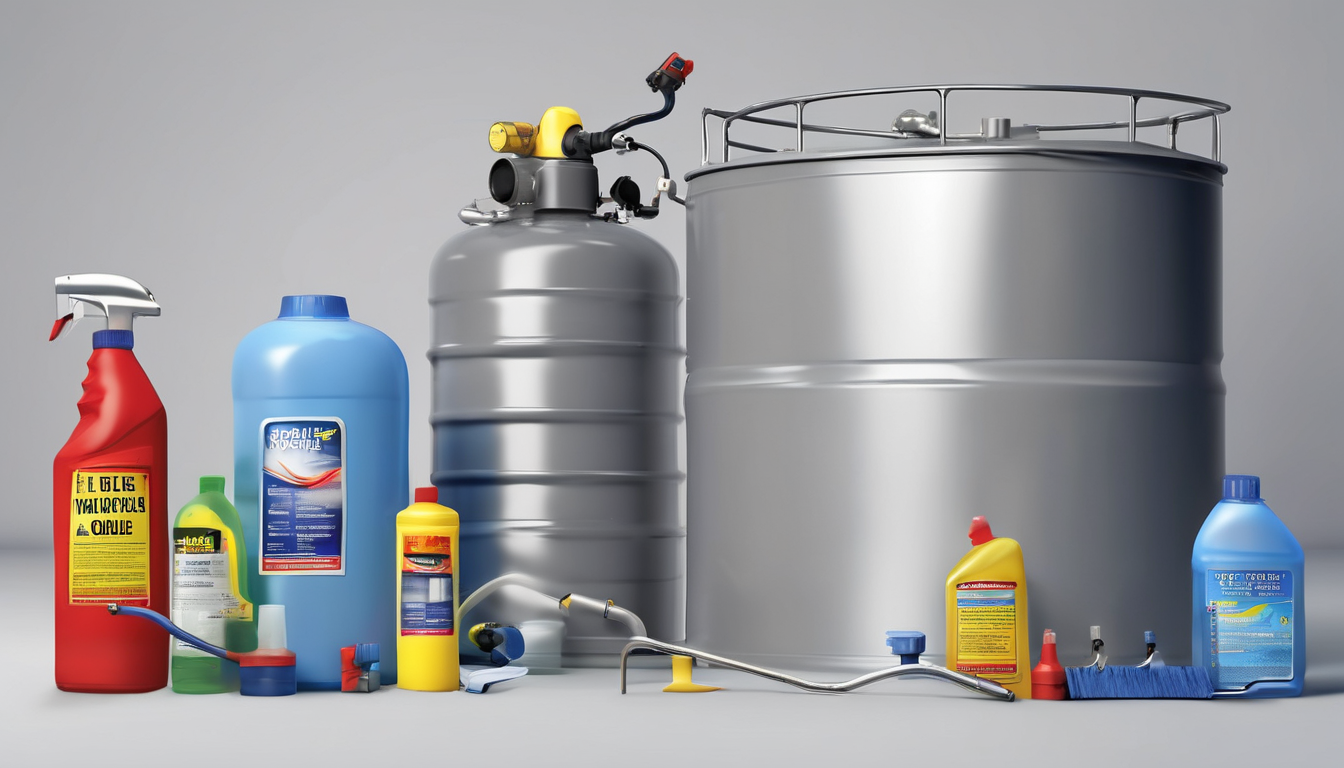
When choosing water tank cleaning chemicals safely, the first step involves understanding the different types of disinfectants available and their specific applications. Chlorine-based compounds remain the most widely approved and effective solutions for potable water tank disinfection in the UAE. These include sodium hypochlorite (liquid bleach), calcium hypochlorite (granular), and chlorine tablets specifically formulated for water treatment. Each type has distinct advantages—liquid solutions allow for easier concentration control, while tablets provide sustained release for ongoing protection.
Non-chlorine alternatives also exist for those with specific sensitivity concerns or unique tank materials. Hydrogen peroxide-based cleaners offer effective disinfection without chlorine residues, while certain quaternary ammonium compounds may be suitable for non-potable water systems. However, for drinking water tanks in Dubai, chlorine-based solutions remain the gold standard due to their proven efficacy against pathogens like Legionella and E. coli, which are particular concerns in the region’s warm climate.
The material compatibility is another crucial factor when choosing water tank cleaning chemicals safely. Concrete tanks require different chemical considerations than fibreglass or plastic storage systems. Some chemicals can degrade certain tank materials over time, leading to leaks or contamination. Always verify that your chosen disinfectant is compatible with your specific tank type to avoid structural damage that could compromise your entire water storage system.
Choosing Water Tank Cleaning Chemicals Safely – Dubai Municipality Requirements for Cleaning Chemicals
Compliance with local regulations is non-negotiable when choosing water tank cleaning chemicals safely in the UAE. Dubai Municipality has established strict guidelines regarding approved disinfectants for potable water systems. These regulations specify which chemicals are permitted, their maximum concentration levels, and the required contact time before the tank can be returned to service. Using unapproved chemicals can result in fines and mandatory re-cleaning at the property owner’s expense.
The municipality regularly updates its list of approved products based on safety and efficacy testing. Currently, chlorine-based disinfectants with specific concentration ranges are mandated for most residential and commercial water tank cleaning applications. Professionals like myself must maintain records of chemical usage, including batch numbers and concentration measurements, to demonstrate compliance during municipal inspections. This documentation requirement makes choosing water tank cleaning chemicals safely not just a matter of effectiveness but also regulatory necessity.
Additionally, Dubai Municipality requires that any chemicals used in potable water systems leave no harmful residues after proper rinsing. This means products containing heavy metals, certain synthetic compounds, or high-risk additives are strictly prohibited. The approval process ensures that only chemicals that break down into harmless components or can be completely rinsed away are permitted for use in the water tanks that supply Dubai homes, schools, and businesses.
Choosing Water Tank Cleaning Chemicals Safely – Concentration Guidelines for Safe Application
Proper concentration is the most critical aspect of choosing water tank cleaning chemicals safely. Using too little disinfectant fails to eliminate pathogens effectively, while excessive concentration can damage tank materials and leave harmful residues in your water supply. For chlorine-based disinfectants, the standard recommendation is 50-100 parts per million (ppm) for initial disinfection, with a contact time of at least 30 minutes before thorough rinsing.
Calculating the correct concentration requires knowing your tank’s capacity in litres and the strength of your disinfectant solution. For a standard 5,000-litre tank, you would typically need approximately 2-4 litres of 5% sodium hypochlorite solution to achieve the proper disinfection concentration. This calculation changes based on water temperature, pH levels, and the amount of organic matter present in the tank, which is why professional cleaners often test chlorine levels during the process using titration kits or test strips.
After the required contact time, complete rinsing is essential to remove any chemical residues. The rinsing process typically requires 2-3 complete tank flushes with fresh water, with testing between flushes to ensure chemical levels have dropped below 0.5 ppm—the safe limit for drinking water. This meticulous approach to concentration management ensures that choosing water tank cleaning chemicals safely translates to actually safe water for your family’s use.
Safety Equipment Essential for Chemical Handling
Personal protective equipment (PPE) is non-negotiable when handling water tank cleaning chemicals, regardless of which products you select. At minimum, chemical-resistant gloves, safety goggles, and protective clothing should be worn during mixing and application. For concentrated chemicals or enclosed spaces, additional respiratory protection may be necessary to prevent inhalation of fumes that can cause respiratory irritation or more serious health issues.
Ventilation represents another critical safety consideration when choosing water tank cleaning chemicals safely. Underground tanks and enclosed pump rooms can accumulate dangerous fumes, particularly when using chlorine-based products. Proper ventilation using portable fans or natural air flow must be established before beginning chemical application. I always recommend having a second person present during chemical handling as a safety precaution, especially when working in confined spaces where rapid assistance might be needed.
Emergency equipment should also be readily available whenever chemicals are being handled. This includes eyewash stations or clean water for flushing eyes, first aid supplies specifically for chemical exposure, and materials for containing spills. Having these safety measures in place ensures that even if something goes wrong during the chemical application process, you’re prepared to respond immediately to protect everyone involved.
Common Mistakes to Avoid When Choosing Chemicals
One of the most frequent errors in choosing water tank cleaning chemicals safely involves using household cleaning products not designed for potable water systems. Bleach formulated for surface cleaning often contains additives like fragrances, thickeners, or stabilizers that shouldn’t be introduced to drinking water. Similarly, industrial-strength cleaners may contain concentrations far exceeding what’s safe for water tank disinfection, creating serious health risks.
Another common mistake is improper measurement and mixing. Eyeballing measurements or using approximate ratios can lead to dangerously high or ineffective low concentrations. Always use proper measuring equipment and follow manufacturer instructions precisely. I’ve encountered situations where homeowners used kitchen measuring cups for chlorine solutions, not realizing that even small measurement errors can create significant concentration issues in their water supply.
Perhaps the most dangerous mistake is combining different chemicals in an attempt to create a “stronger” cleaning solution. Mixing chlorine-based products with acids or ammonia-based cleaners can produce toxic gases that pose immediate health risks. This is why choosing water tank cleaning chemicals safely means selecting a single, appropriate product and using it according to established guidelines rather than experimenting with combinations that could have dangerous consequences.
Professional vs DIY Chemical Cleaning Approaches
The decision between professional services and DIY approaches significantly impacts your strategy for choosing water tank cleaning chemicals safely. Professional cleaning companies like ours maintain inventories of Dubai Municipality-approved chemicals, proper measuring equipment, and testing kits to ensure precise application. We also carry liability insurance that covers any potential issues arising from chemical use, providing homeowners with peace of mind that wouldn’t exist with a DIY approach.
DIY chemical cleaning often leads to either under-dosing or over-dosing issues due to lack of proper measurement tools and experience. Without titration kits or chlorine test strips, homeowners cannot verify that they’ve achieved the proper concentration for effective disinfection or that all residues have been adequately removed before returning the tank to service. This uncertainty can mean your family continues to use water that hasn’t been properly treated or worse, contains harmful chemical levels.
Cost considerations also factor into the professional vs DIY decision. While professional water tank cleaning typically costs between AED 600-1,200 depending on tank size and location, this investment includes not just the appropriate chemicals but also the expertise in choosing water tank cleaning chemicals safely, proper application, and compliance documentation. DIY chemical purchases might seem cheaper initially, but the potential risks and possible need for re-cleaning often make professional services the more economical choice in the long run.
Environmental Considerations for Chemical Selection
Environmental impact represents an increasingly important factor in choosing water tank cleaning chemicals safely. While effective disinfection must remain the priority, selecting products with lower environmental impact whenever possible demonstrates responsible stewardship. Chlorine-based disinfectants break down into relatively harmless compounds when properly handled and rinsed, making them more environmentally friendly than many alternatives that might persist in the environment or harm aquatic life.
The rinsing process itself requires significant water usage—typically 2-3 times the tank’s capacity to ensure complete chemical removal. This water must be disposed of properly, not simply drained into garden areas or storm drains where it could affect plants, soil, or groundwater. Professional services have protocols for managing rinse water disposal in compliance with Dubai environmental regulations, while DIY cleaners might inadvertently cause environmental damage through improper disposal practices.
Concentration management also plays an environmental role when choosing water tank cleaning chemicals safely. Using the minimum effective concentration reduces the amount of chemical introduced into the environment during rinsing while still achieving proper disinfection. This balanced approach ensures that we protect both human health through effective cleaning and environmental health through responsible chemical usage—a consideration that becomes increasingly important as Dubai continues to prioritize sustainability initiatives.
Expert Tips for Chemical Selection and Application
Based on my 12 years of experience cleaning thousands of water tanks across Dubai, here are my top recommendations for choosing water tank cleaning chemicals safely:
Verify Dubai Municipality Approval
Always check that any chemical you consider carries current Dubai Municipality approval for potable water systems. This information should be clearly stated on product labels or available from suppliers upon request.
Purchase from Reputable Suppliers
Source chemicals from established suppliers who specialize in water treatment products rather than general cleaning supply stores. These specialists can provide technical guidance and ensure product freshness.
Check Expiration Dates
Chlorine-based products lose potency over time. Always check expiration dates and avoid using products that are past their effective date, as they may not provide adequate disinfection.
Use Proper Measurement Tools
Invest in graduated measuring containers and chemical test strips to ensure accurate concentration measurement rather than relying on approximate measurements.
Follow Contact Time Requirements
Respect the required contact time specified for your chosen chemical—typically 30-60 minutes for chlorine solutions—before beginning the rinsing process.
Test After Rinsing
Always test chlorine levels after rinsing to ensure they’ve dropped below 0.5 ppm before putting the tank back into service for drinking water.
Maintain Records
Keep records of chemical usage including dates, products, concentrations, and test results. This documentation proves valuable for maintenance tracking and compliance verification.
Frequently Asked Questions
How often should I chemically clean my water tank?
Most Dubai homes require professional chemical cleaning every 6-12 months, depending on tank size, water usage patterns, and visible sediment accumulation. Larger buildings with higher usage may need quarterly cleaning.
Can I use regular household bleach for water tank cleaning?
No, household bleach often contains additives unsuitable for potable water. Only use bleach specifically labeled as suitable for drinking water treatment or Dubai Municipality-approved alternatives.
What’s the difference between chlorine tablets and liquid chlorine?
Tablets provide sustained release good for maintenance, while liquid chlorine allows precise concentration control better suited for thorough cleaning. Each has specific applications in water tank maintenance.
How long after chemical cleaning can we use the water?
After proper rinsing and verification that chemical levels are below 0.5 ppm, the water is immediately safe for use. This typically occurs within 2-3 hours after completing the cleaning process.
Are there chemical-free alternatives for water tank cleaning?
While mechanical cleaning removes sediment, chemical disinfection remains essential for pathogen control. Some UV systems supplement chemical treatment but don’t replace the need for periodic chemical disinfection.
Conclusion
Choosing water tank cleaning chemicals safely requires careful consideration of multiple factors including chemical type, concentration, compatibility, and regulatory compliance. In Dubai’s unique climate, where warm temperatures accelerate microbial growth, proper disinfection isn’t just a maintenance task—it’s a essential health protection measure for your family. By following the guidelines outlined in this comprehensive guide, you can make informed decisions about chemical selection that ensure effective disinfection without compromising safety.
Remember that while DIY chemical cleaning is possible, professional services offer significant advantages in expertise, proper equipment, and compliance assurance. The relatively modest investment in professional cleaning—typically AED 600-1,200 depending on your tank’s size and location—provides peace of mind that your water storage system receives proper treatment from professionals who understand the nuances of choosing water tank cleaning chemicals safely in the UAE context.
Whether you maintain a villa’s underground tank or manage a commercial building’s water system, prioritizing safe chemical selection protects both your investment and your health. Regular, properly executed chemical cleaning remains one of the most effective ways to ensure that the water your family uses daily remains clean, safe, and free from harmful contaminants. Understanding Choosing Water Tank Cleaning Chemicals Safely is key to success in this area.