


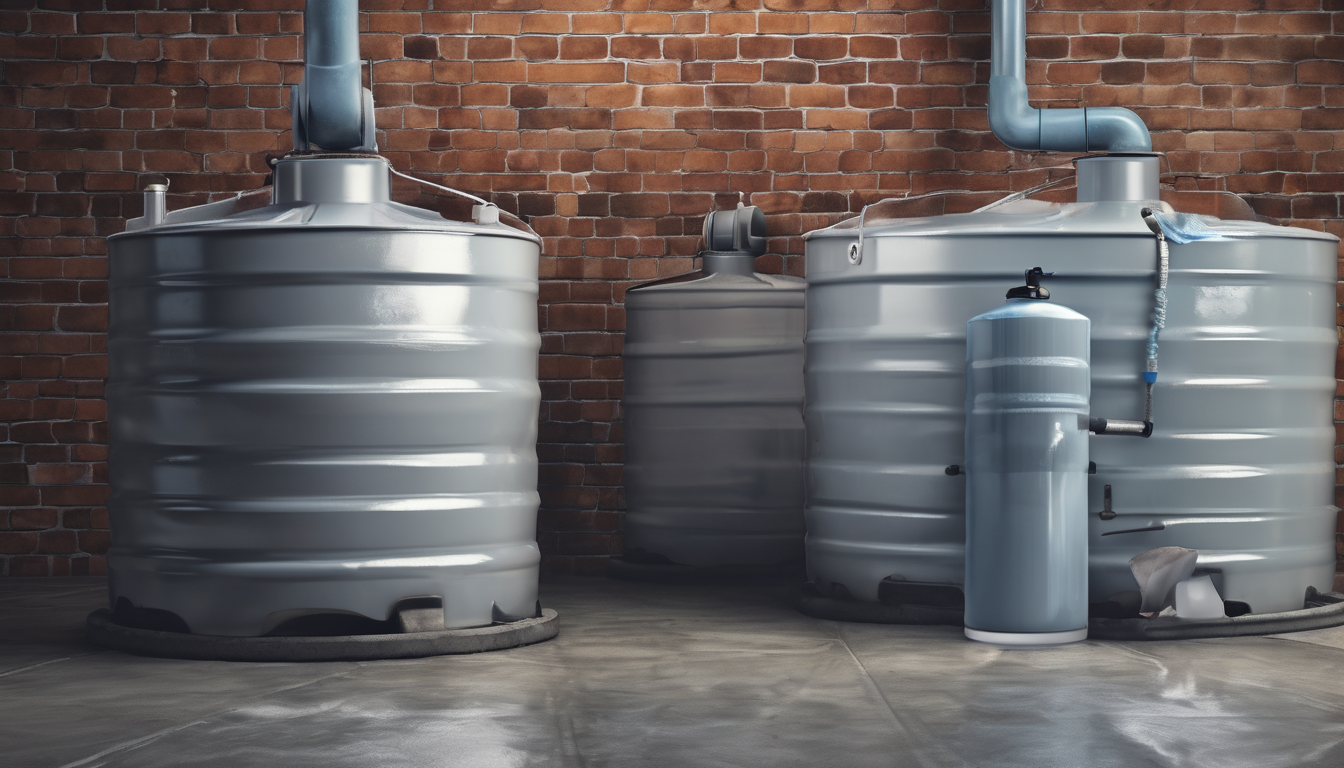

Understanding Deep Cleaning Techniques For Removing Residue In Water Tanks is essential.
Table of Contents
Understanding Deep Cleaning Techniques for Removing Residue in Water Tanks
Deep cleaning techniques are essential to maintain the hygiene and functionality of water tanks. Sediment, biofilm, and other residues can accumulate over time, leading to compromised water quality and potential health risks. Regular deep cleaning ensures that your tank remains free from contaminants, providing clean, safe drinking water.
Identifying Sediment After Removing an Anode Rod
Removing the anode rod from a water tank can lead to significant sediment buildup. The anode rod is designed to protect the tank’s internal lining by corroding instead of allowing rust and scale to accumulate on the metal surfaces. Once this protective layer is removed, sediment and mineral deposits can easily settle at the bottom of the tank.
When you notice a foul smell or cloudy water after removing the anode rod, it’s clear that substantial residue has accumulated. Regular inspections and cleanings are crucial to address these issues before they affect your family’s health.
Step-by-Step Guide to Deep Cleaning a Tank
1. Pre-Cleaning Inspection: Begin by conducting a thorough inspection of the tank for any visible signs of damage or contamination.
2. Draining and Isolating the Tank: Drain all water from the tank and isolate it to prevent contamination during cleaning.
3. Manual Cleaning: Use brushes, sponges, and specialized cleaning tools to scrub away sediment and biofilm from the walls of the tank.
4. Mechanical Cleaning: Employ mechanical methods such as high-pressure washers or vacuum systems for thorough residue removal.
5. Disinfection: Apply approved disinfectants to eliminate bacteria, fungi, and other microorganisms that can thrive in stagnant water environments.
6. Rinsing and Refilling: Rinse the tank thoroughly with clean water before refilling it.
Using Safe and Effective Disinfectants for Residue Removal
Selecting the right disinfectant is crucial to ensure both effectiveness and safety. Dubai Municipality-approved products should be used, as they meet stringent hygiene standards. Common choices include chlorine-based solutions or quaternary ammonium compounds (quats). These chemicals effectively kill pathogens while minimizing risks to human health.
Always follow the manufacturer’s instructions for dilution rates and application methods. Overuse of disinfectants can lead to chemical imbalances in your water supply, so it’s important to strike a balance between thoroughness and safety.
Maintaining Clean Water Storage Year-Round
Regular maintenance is key to preventing future sediment buildup. Establish a routine schedule for deep cleaning based on the type of water tank you have and local climate conditions. For example, tanks in areas with high dust levels may require more frequent cleanings.
In addition to regular cleanings, monitor the water quality regularly using test kits or professional services. This will help identify any issues early, allowing for prompt action before they become major problems.
Preventing Future Sediment Buildup: Best Practices After Deep Cleaning
1. Regular Inspections: Schedule periodic inspections to check the tank’s condition and water quality.
2. Clean Water Source: Ensure that incoming water is free from contaminants by using filtration systems or reverse osmosis units.
3. Pump Maintenance: Regularly maintain your pump system to prevent wear and tear, which can contribute to sediment buildup.
4. Proper Storage: Store tanks in a clean environment away from dust and debris.
Expert Tips
1. Always use Dubai Municipality-approved disinfectants for safety and compliance.
2. Follow manufacturer guidelines when using any cleaning or disinfecting products.
3. Keep detailed records of your maintenance activities to track progress over time.
4. Consult with professionals if you notice persistent issues that may indicate deeper problems.
Frequently Asked Questions
Q: How often should I clean my water tank?
A: The frequency depends on the type of tank and local conditions, but a good rule of thumb is to deep clean every 6-12 months.
Q: Can DIY cleaning be as effective as professional services?
A: While it’s possible to do some basic cleaning yourself, professional services are recommended for thoroughness and safety.
Conclusion
Deep cleaning techniques are vital for maintaining the hygiene of water tanks. By understanding how sediment forms after removing anode rods, following a step-by-step guide, using safe disinfectants, and implementing best practices post-cleaning, you can ensure that your family’s drinking water remains clean and safe.