



Understanding How to remove Sediment Remaining in Tank After Removing Anode Rod?
Removing the anode rod from your water storage tank is part of routine maintenance but can leave behind sediment, which needs to be properly cleaned. This sediment contains minerals and other particles that can affect water quality. By following a systematic approach, you can ensure that these residues are removed effectively. This relates directly to Remove Sediment Remaining In Tank After Removing Anode Rod.
Preparation Steps for Cleaning
Before initiating the cleaning process, it’s essential to prepare properly. Ensure you have all necessary equipment and protective gear at hand:
- Gloves
- Mask
- Protective clothing
- Safety goggles
- Chemicals for disinfection (Dubai Municipality-approved)
- Water buckets or containers
- Sponges and cloths
- Bleach or other safe cleaning solutions
Removal of Anode Rod and Sediment
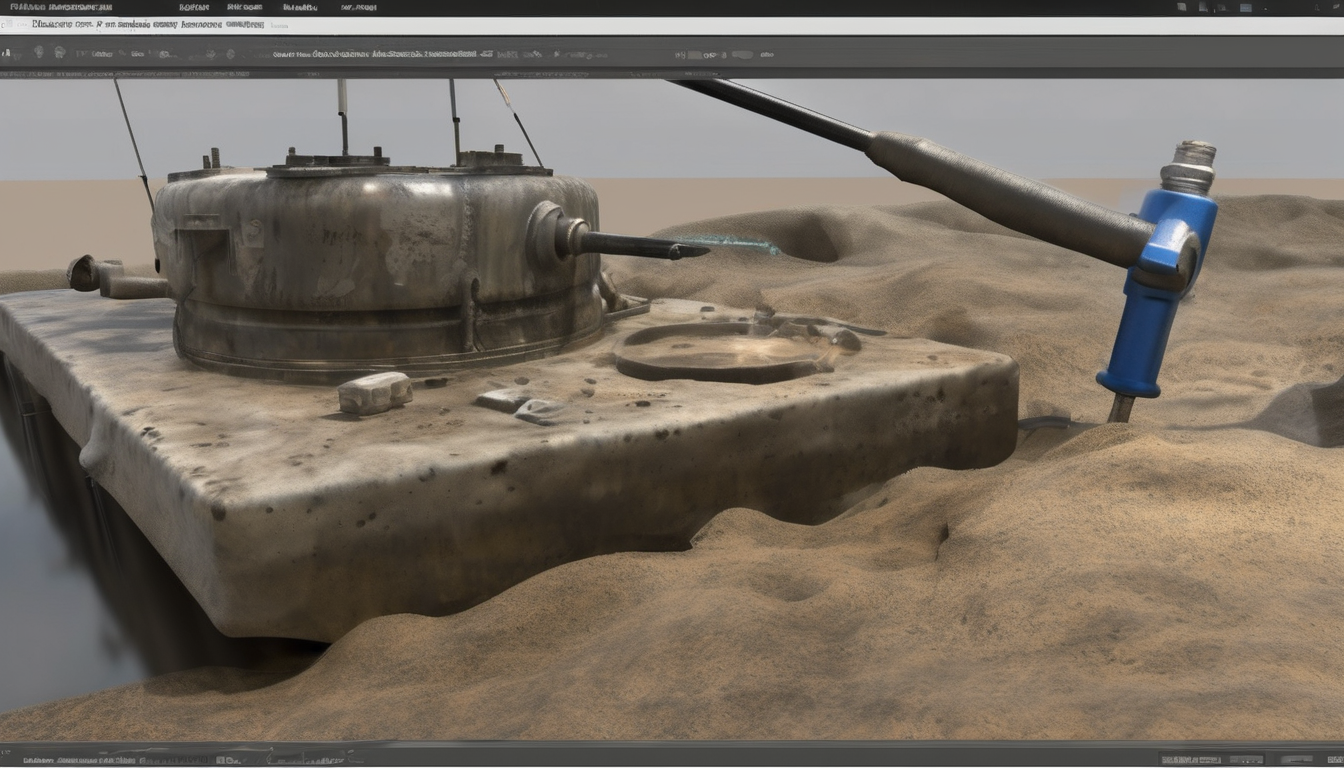
Begin by removing the anode rod. Carefully disconnect it from its electrical connections to avoid any damage. Once removed, inspect the rod for signs of corrosion or wear. Dispose of old anode rods responsibly.
- Disconnect Electrical Connections: Identify and safely disconnect the anode rod’s electrical terminal.
- Remove Anode Rod: Use a wrench to loosen and remove the anode rod from the tank.
- Clean Surrounding Area: Wipe down the area around the removed anode rod with a damp cloth, removing any loose sediment or debris.
Cleaning the Tank Interior
The interior of the tank must be thoroughly cleaned to remove all residual sediment and contaminants. This process involves multiple steps:
- Drain Water: Open the drain valve at the bottom of the tank to empty it completely.
- Inspect Tank Walls: Visually inspect the walls for any visible sediment or debris. Note any areas that require extra attention.
- Apply Cleaning Solution: Mix a safe cleaning solution with water and pour into the tank.
- Mechanical Cleaning: Use brushes to scrub the interior surfaces, ensuring all corners are cleaned effectively.
- Rinse Thoroughly: Rinse the tank several times using clean water to ensure all cleaning agents are removed.
Disinfection and Rinsing Processes
To further ensure safety, a disinfection step is crucial. Use a Dubai Municipality-approved disinfectant:
- Prepare Disinfectant Solution: Mix the recommended quantity of disinfectant with water in a clean bucket.
- Apply Disinfectant: Pour the solution into the tank and let it sit for the specified dwell time (typically 30-60 minutes).
- Rinse Again: Drain the disinfectant from the tank and rinse thoroughly with clean water until no residual smell or taste is present.
Post-Cleaning Maintenance Procedures
Proper post-cleaning maintenance ensures long-term hygiene and safety:
- Refill Tank: Refill the tank with clean, potable water.
- Monitor Water Quality: Test the water for any residual contaminants or odors. If issues persist, repeat the cleaning process.
- Regular Inspections: Schedule regular inspections and maintenance to prevent future buildups of sediment.
Expert Tips for Effective Cleaning
To achieve the best results, follow these expert tips:
- Timing is Key: Schedule cleaning during periods of low water usage to minimize disruption.
- Use Suitable Chemicals: Always use chemicals that are approved by local health and safety authorities.
- Protect Surroundings: Ensure the area around the tank is protected from any spillage or debris.
FAQ Section
Here are some frequently asked questions regarding cleaning your water storage tank after removing anode rod:
- How often should I clean my tank? It is recommended to perform a thorough cleaning every 6-12 months, depending on local climate and usage.
- Can I do the cleaning myself or must it be done by professionals? While you can clean your tank yourself, hiring professionals ensures that all steps are completed correctly and safely.
- Are there any specific risks to look out for during cleaning? Be cautious of electrical hazards when disconnecting anode rods. Always use appropriate personal protective equipment.
Conclusion on the Guide
This comprehensive guide has provided you with the necessary steps and tips to effectively remove sediment from your water storage tank after removing the anode rod. By following these procedures, you can ensure that your family’s drinking water is safe and of high quality. Remember, regular maintenance is key to preventing future issues. Understanding Remove Sediment Remaining In Tank After Removing Anode Rod is key to success in this area.