









Introduction
Water odor issues are common concerns in residential areas like Dubai, especially when dealing with underground storage tanks. Sulfur-based odors often arise from algae growth within these tanks, leading to a foul smell that can be distressing for families. This article provides comprehensive guidance on Algae Removal Techniques to prevent sulfur odors in water, ensuring your household enjoys clean and odor-free drinking water.
Understanding Algae Removal Techniques to Prevent Sulfur Odors in Water
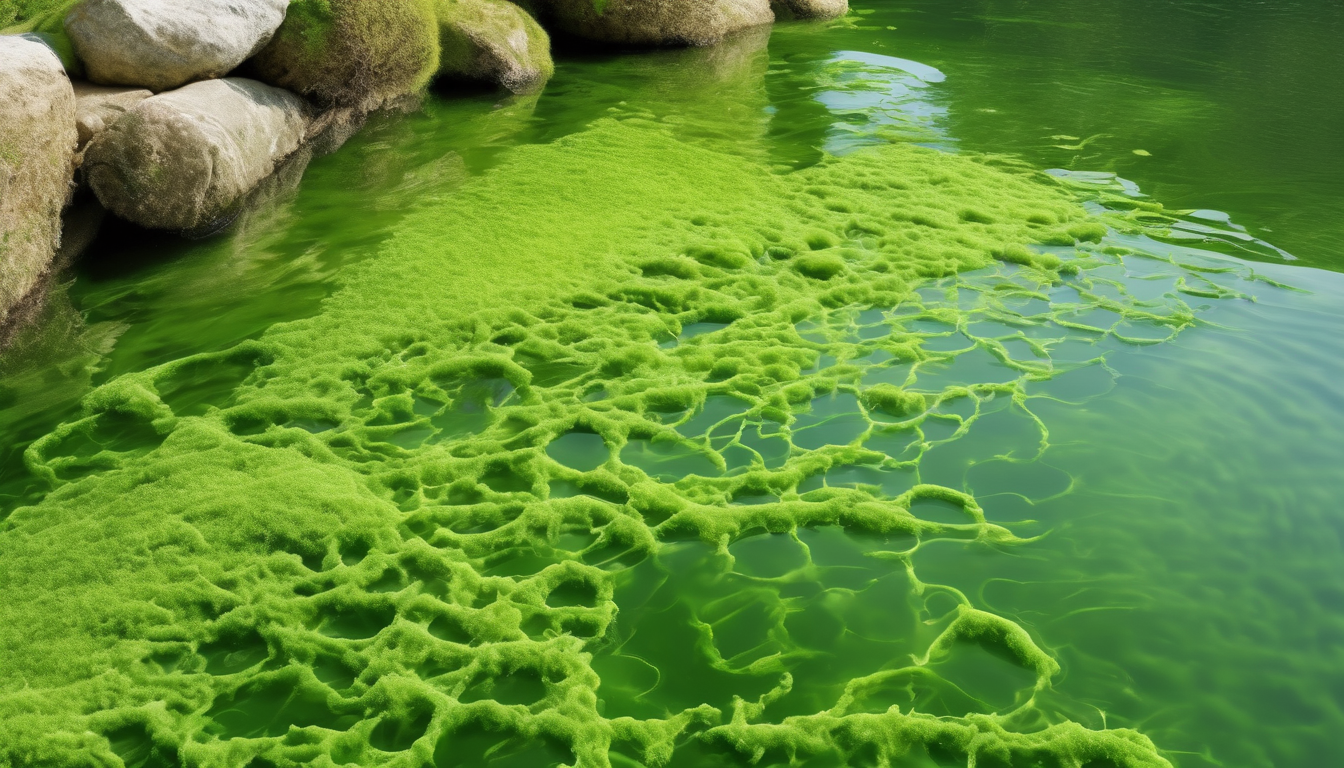
Algae are a common cause of sulfur odors in water storage tanks. These microscopic organisms thrive in warm, stagnant conditions and can produce unpleasant smells as they break down. To prevent these odors, it’s crucial to understand the techniques involved in removing algae from your water tank.
Pre-Cleaning Inspection
Begin by conducting a thorough inspection of the water storage tank before any cleaning or disinfection process. Check for signs of algae growth and note areas that may require special attention during the cleaning procedure.
Algae Removal Techniques To Prevent Sulfur Odors In Water – Common Sources of Sulfur Smell in Water
Sulfur odors can be caused by various factors, including bacterial breakdown of organic matter, iron sulfides, and algae growth. Understanding these sources helps tailor the appropriate cleaning and treatment methods.
Biological Decomposition
Algae break down in water tanks, producing hydrogen sulfide gas, which has a characteristic rotten egg smell. This process is accelerated by high temperatures and low oxygen levels within the tank.
Algae Removal Techniques To Prevent Sulfur Odors In Water – Best Chemical Solutions for Removing Sulfur Odor from Water
Chemical solutions play a vital role in removing both algae and sulfur odors. Effective products include chlorine, hydrogen peroxide, and quaternary ammonium compounds (quats).
Chlorine Disinfection
Chlorine is commonly used for water disinfection due to its strong oxidizing properties. It can effectively kill algae and neutralize hydrogen sulfide, reducing the sulfur odor significantly.
Mechanical Algae Removal Techniques
While chemical treatments are effective, mechanical methods can also help remove algae from water tanks. This approach involves physical removal of visible growth and debris to prevent recurrence.
Manual Cleaning
Using brushes or specialized cleaning tools, manually scrape off any visible algae growth from the tank walls and internal surfaces. Ensure thorough rinsing after manual cleaning to remove all traces of algae and chemicals. This relates directly to Algae Removal Techniques To Prevent Sulfur Odors In Water.
Proper Disinfection Methods for Eliminating Sulfur Smell in Water
Disinfection is critical to prevent the regrowth of algae and eliminate sulfur odors. The chosen method should be approved by local health authorities, such as the Dubai Municipality.
Chlorine Dioxide Disinfection
Chlorine dioxide is a powerful disinfectant that can effectively kill algae and reduce sulfur odors. It’s particularly useful in water tanks where bacteria and biofilm are prevalent.
Preventing Algae Growth in Water Tanks
Proper maintenance is key to preventing algae growth and subsequent odor issues. Regular cleaning, proper tank design, and aeration can all contribute to reducing the risk of algae formation.
Aerobic Conditions
Maintaining aerobic conditions within the water storage tank by ensuring adequate oxygenation can inhibit algae growth. This can be achieved through the use of air diffusers or mechanical aeration systems.
Expert Tips for Odor-Free Water
- Regularly clean and inspect water storage tanks to prevent algae buildup.
- Use approved disinfectants recommended by local authorities, such as chlorine or chlorine dioxide.
- Ensure proper ventilation and aeration within the tank to reduce oxygen-depleted conditions that promote algae growth.
- Consider installing UV sterilizers to prevent bacterial contamination and subsequent odor production.
FAQs about Algae Removal and Sulfur Smell in Water
- Q: How often should I clean my water storage tank to prevent algae growth?
A: For optimal results, it’s recommended to perform a thorough cleaning every six months. However, if you notice any unusual odors or visible debris, immediate action is necessary.
- Q: Can I use household bleach instead of professional disinfectants?
A: Household bleach can be used as a temporary measure but may not provide the same level of effectiveness. Professional-grade disinfectants are specifically designed to meet regulatory standards and ensure thorough cleaning.
- Q: Are there any natural methods to remove algae from water tanks?
A: While natural methods like vinegar or baking soda can help, they may not be as effective as chemical disinfectants. Professional-grade solutions offer better results and are safer for long-term use.
Conclusion
By understanding the sources of sulfur odors and employing effective algae removal techniques, you can ensure that your household water remains clean and free from unpleasant smells. Regular maintenance, proper disinfection methods, and airtight tank design are key to preventing future odor issues. Understanding Algae Removal Techniques To Prevent Sulfur Odors In Water is key to success in this area.