






Introduction to Sediment Buildup in Underground Tanks
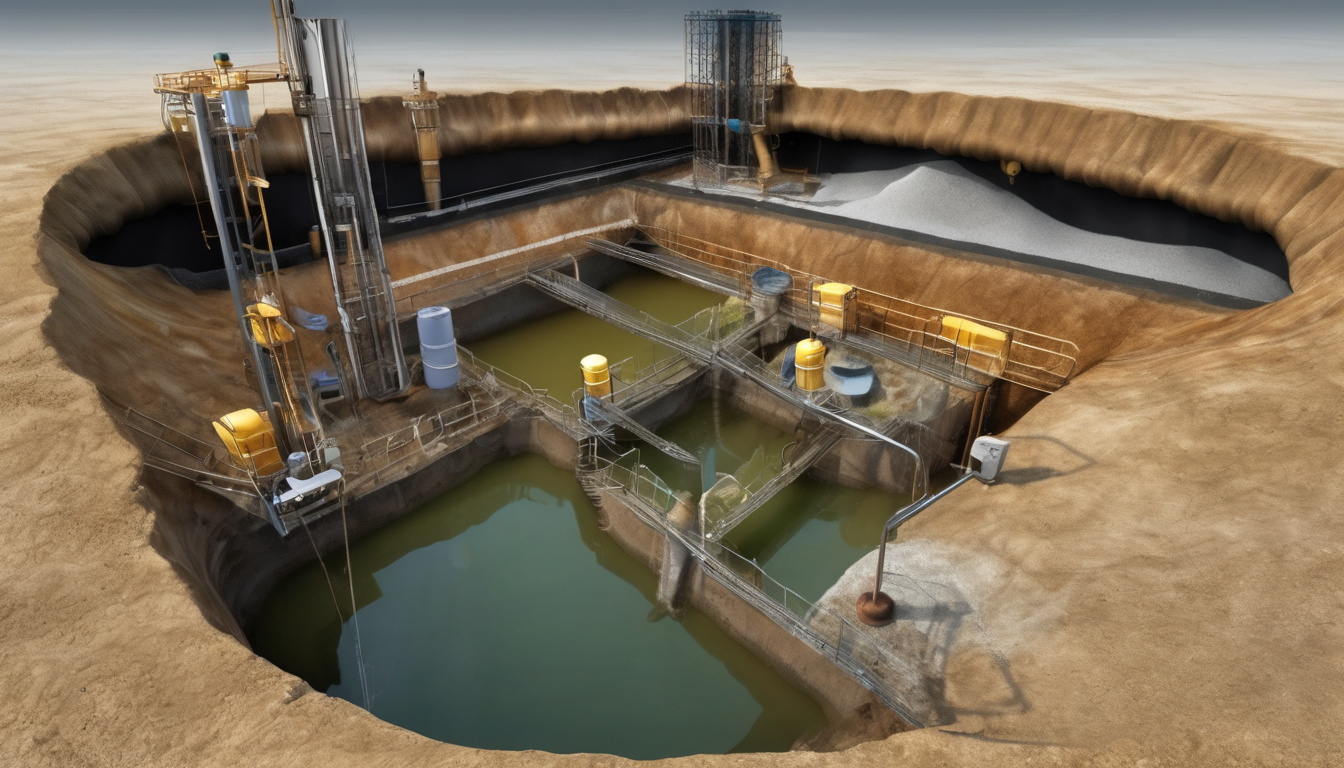
Managing sediment buildup in underground water tanks is crucial for maintaining a clean and hygienic water supply. Over time, these tanks can accumulate various types of sediments that can affect the quality of drinking water and pose health risks. This relates directly to Managing Sediment Buildup In Underground Tanks.
Managing Sediment Buildup In Underground Tanks – Types of Sediment Accumulation and Their Impact
There are several types of sediment that can accumulate in underground water tanks, including organic debris from leaves and insects, mineral deposits such as calcium carbonate, and microorganisms like biofilm. Each type has its unique impact on the tank’s functionality and water quality.
Organic Debris
Leaves, twigs, and other plant materials can accumulate in tanks, leading to a foul smell and potential bacterial growth. Regular cleaning is essential to remove these organic materials and prevent contamination.
Mineral Deposits
Calcium carbonate and other minerals can form hard deposits on the tank’s walls, reducing its capacity and potentially blocking pipes. These mineral buildup can also contribute to scaling in appliances that use water from these tanks.
Biofilm
Biofilms are communities of microorganisms that adhere to surfaces within the tank. They can produce harmful bacteria like Legionella, which pose significant health risks if not addressed promptly. Regular disinfection and cleaning are necessary to prevent biofilm formation.
Managing Sediment Buildup In Underground Tanks – Prevention Strategies for Managing Sediment Buildup
Effective prevention strategies can significantly reduce the amount of sediment that accumulates in underground water tanks. These include:
- Proper Tank Design and Placement: Ensure that tanks are located away from sources of organic debris, such as trees or gardens.
- Regular Cleaning Schedules: Establish a routine cleaning plan to remove sediment before it becomes problematic.
- Use of Fine Mesh Filters: Install filters at the entrance of tanks to prevent larger particles from entering and accumulating inside.
detection-methods-for-sediment-inspection”>Detection Methods for Sediment Inspection
Regular inspections are necessary to identify sediment buildup before it affects water quality. Some common detection methods include:
- Turbidity Tests: Measure the clarity of the water to detect any visible particles.
- Sediment Sampling: Collect samples from the bottom of the tank and analyze them for organic matter, minerals, or biofilm.
- Visual Inspections: Conduct periodic visual checks inside the tank using cameras or by removing a small section of the cover.
Removal Techniques for Sediment Control
When sediment has accumulated, it is essential to remove it promptly. Common removal techniques include:
- Manual Cleaning: Use brushes and sponges to scrub the tank’s interior, especially areas with visible sediment.
- Mechanical Cleaning: Employ specialized equipment like pressure washers or vacuum systems to remove accumulated materials more efficiently.
- Chemical Disinfection: Use approved disinfectants to kill any microorganisms and break down organic matter. Follow manufacturer guidelines for safe application.
Comparison of Prevention and Removal Methods
To effectively manage sediment buildup, it is essential to compare the pros and cons of prevention versus removal strategies:
| Prevention Strategies | Removal Techniques |
|---|---|
| Pros: | Pros: |
| – Reduces need for frequent cleaning | – Immediate removal of accumulated sediment |
| – Minimizes health risks from biofilm and contaminants | – Prevents tank damage from mineral deposits |
| Cons: | Cons: |
| – Initial investment in filtration and design is required | – May require specialized equipment or expertise |
| – Requires consistent adherence to a cleaning schedule | – Can be time-consuming and costly if not done properly |
Expert Tips for Managing Sediment Buildup in Underground Tanks
To ensure the best outcomes, follow these expert tips:
- Regular Inspections: Schedule annual inspections to catch sediment buildup early.
- Certified Cleaners: Hire professionals who are trained and certified in water tank cleaning techniques.
- Use of Approved Chemicals: Only use disinfectants that meet Dubai Municipality standards for safety and efficacy.
FAQ Section
Q: How often should underground water tanks be cleaned?
A: The frequency of cleaning depends on the type of tank, its location, and local conditions. Typically, inspections are recommended annually, with deeper cleanings every 3-5 years.
Q: Can sediment buildup affect the taste or odor of water?
A: Yes, sediment can cause a foul smell and alter the taste of drinking water, making it unpleasant for consumption.
Conclusion
Managing sediment buildup in underground tanks is an essential aspect of maintaining a clean and hygienic water supply. By understanding the types of sediments, implementing prevention strategies, and employing effective removal techniques, property owners can ensure their families enjoy safe drinking water.