



Understanding Chlorination Techniques for Effective Disinfection
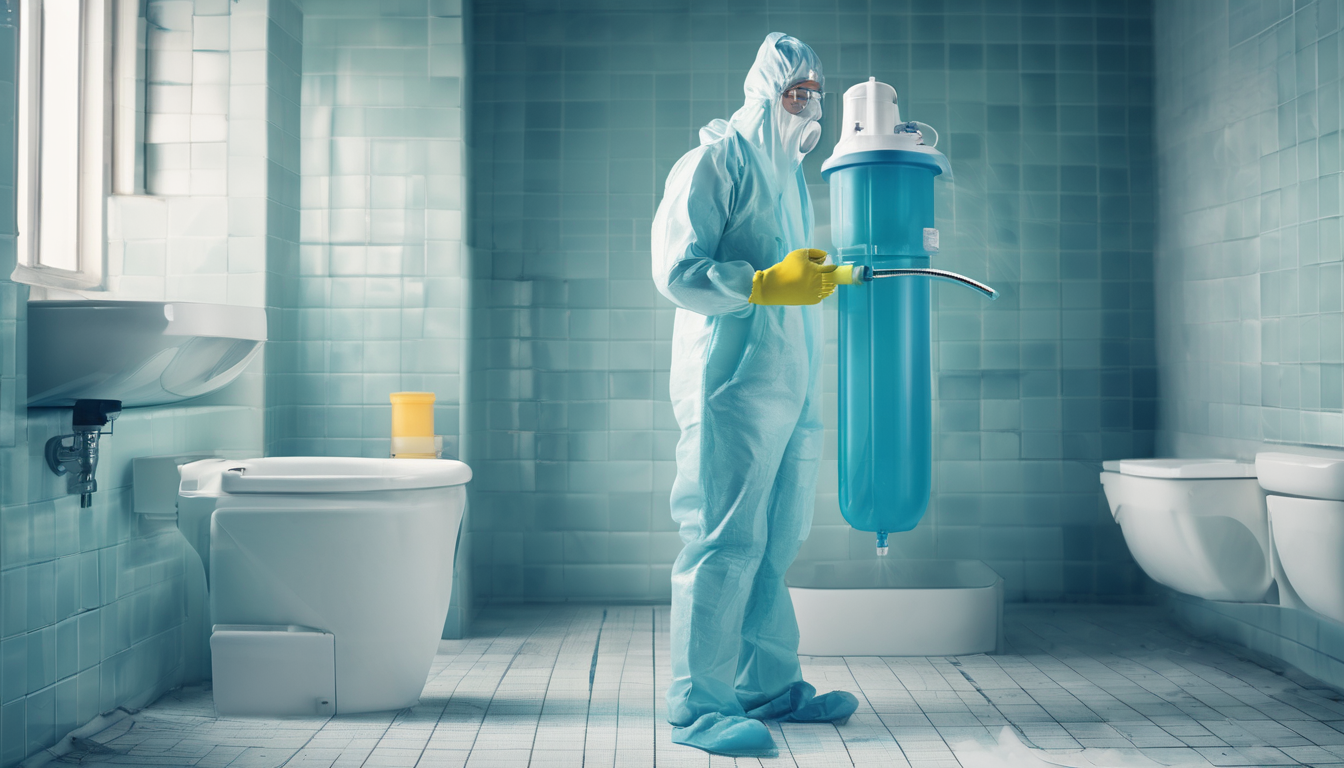
Chlorination techniques are crucial in maintaining the hygiene and safety of water storage tanks. This section explains what chlorination is, its importance, and the different methods available. This relates directly to Chlorination Techniques For Effective Disinfection.
Chlorination involves adding chlorine or its derivatives to water to kill harmful microorganisms such as bacteria and viruses. It’s a proven method for ensuring clean drinking water in both residential and commercial settings. Effective chlorination requires understanding the correct techniques to avoid over-chlorination, which can lead to taste and odor issues.
Chlorination Techniques For Effective Disinfection – Preparation Steps Before Chlorination
The preparation stage is vital for a successful chlorination process. Follow these steps carefully to ensure the water tank is ready for disinfection.
- Drain and isolate the tank: Drain the existing water from the tank and isolate it using valves or other means to prevent cross-contamination during the cleaning process.
- Inspect the tank: Conduct a thorough inspection for any visible cracks, leaks, or sediment buildup. Address any issues before proceeding with chlorination.
- Prepare disinfectant solution: Mix the chlorine solution according to the manufacturer’s instructions and ensure it’s within the recommended concentration range.
Chlorination Techniques For Effective Disinfection – Choosing the Right Chlorine Type and Concentration
The choice of chlorine type and its concentration significantly affects the effectiveness of disinfection. Here’s how to select the right solution for your water tank.
- Types of chlorine: Common types include sodium hypochlorite, calcium hypochlorite, and bleach. Each has its advantages and considerations regarding pH levels and storage.
- Concentration guidelines: The concentration should be between 50-250 ppm (parts per million) for effective disinfection without causing damage to the tank material. Consult a professional if unsure about the appropriate level.
Safe Application Methods for Chlorination
The application of chlorine must be done safely and efficiently to avoid potential hazards. Follow these steps carefully:
- Start with low concentration: Begin by adding a lower concentration of the disinfectant solution, then gradually increase it over time.
- Mix thoroughly: Use agitation or recirculation systems to ensure even distribution throughout the tank. This step is crucial for removing sediment and biofilm.
- Allow dwell time: Ensure adequate dwell time, which varies based on concentration but should be at least 24 hours for effective disinfection.
Monitoring the Chlorination Process
Regular monitoring ensures that the chlorination process is proceeding as expected and that the water is safe after treatment.
- Test pH levels: Use a digital pH meter to test the water’s acidity or alkalinity, ensuring it remains within a neutral range during and after chlorination.
- Check residual chlorine levels: Measure residual chlorine using a DPD (di-phenyl-diamine) kit. Levels should be maintained between 0.5 to 1.0 ppm for at least 24 hours post-chlorination.
Post-Chlorination Checks and Maintenance
After the chlorination process, it’s essential to conduct thorough checks and establish a maintenance schedule for continued hygiene.
- Rinse the tank: After the dwell time is complete, flush out any remaining chlorine by running water through the system until the taste and odor are gone.
- Refill with clean water: Refill the tank with fresh, clean water from a known safe source. Ensure it’s free from contaminants and meets local health standards.
Common Mistakes to Avoid During Chlorination
Avoiding common errors can prevent complications and ensure the effectiveness of chlorination. Here are some key mistakes to watch out for:
- Over-chlorination: Excessive chlorine levels can damage tank materials, affect water taste, and pose health risks.
- Lack of pH control: Improper pH levels can reduce the effectiveness of chlorination. Use pH adjusters if necessary to maintain a neutral range.
- Inadequate mixing: Poor mixing can result in localized high concentrations, leading to poor disinfection or tank damage.
Expert Tips for Effective Chlorination
Here are some additional tips from water hygiene experts to ensure optimal chlorination results:
- Use high-quality disinfectants: Choose reliable, DM-approved products for best performance and safety.
- Follow manufacturer guidelines: Adhere strictly to the instructions provided by the disinfectant supplier.
- Monitor regularly: Use monitoring tools like pH meters and residual chlorine testers to ensure compliance with standards.
Frequently Asked Questions (FAQ)
- Q: How often should I chlorinate my water tank?
- A: The frequency of chlorination depends on the local conditions and the type of storage system. Typically, tanks are chlorinated every six months to one year.
Q: Can chlorine affect the taste and smell of water?
A: Yes, over-chlorination can cause unpleasant tastes and odors in water. Proper monitoring ensures these issues don’t arise.
Q: Is it safe to drink water after chlorination?
A: Water is safe for consumption once residual chlorine levels are within the acceptable range, typically between 0.5 and 1.0 ppm.
Conclusion
In conclusion, effective chlorination techniques play a crucial role in maintaining hygienic water storage systems. By following these guidelines and tips, you can ensure your family’s health is protected from harmful contaminants.
Regular maintenance and proper disinfection are essential for keeping water tanks clean and safe. For professional assistance, contact certified experts who can provide the necessary support to keep your water supply hygienic year-round. Understanding Chlorination Techniques For Effective Disinfection is key to success in this area.