




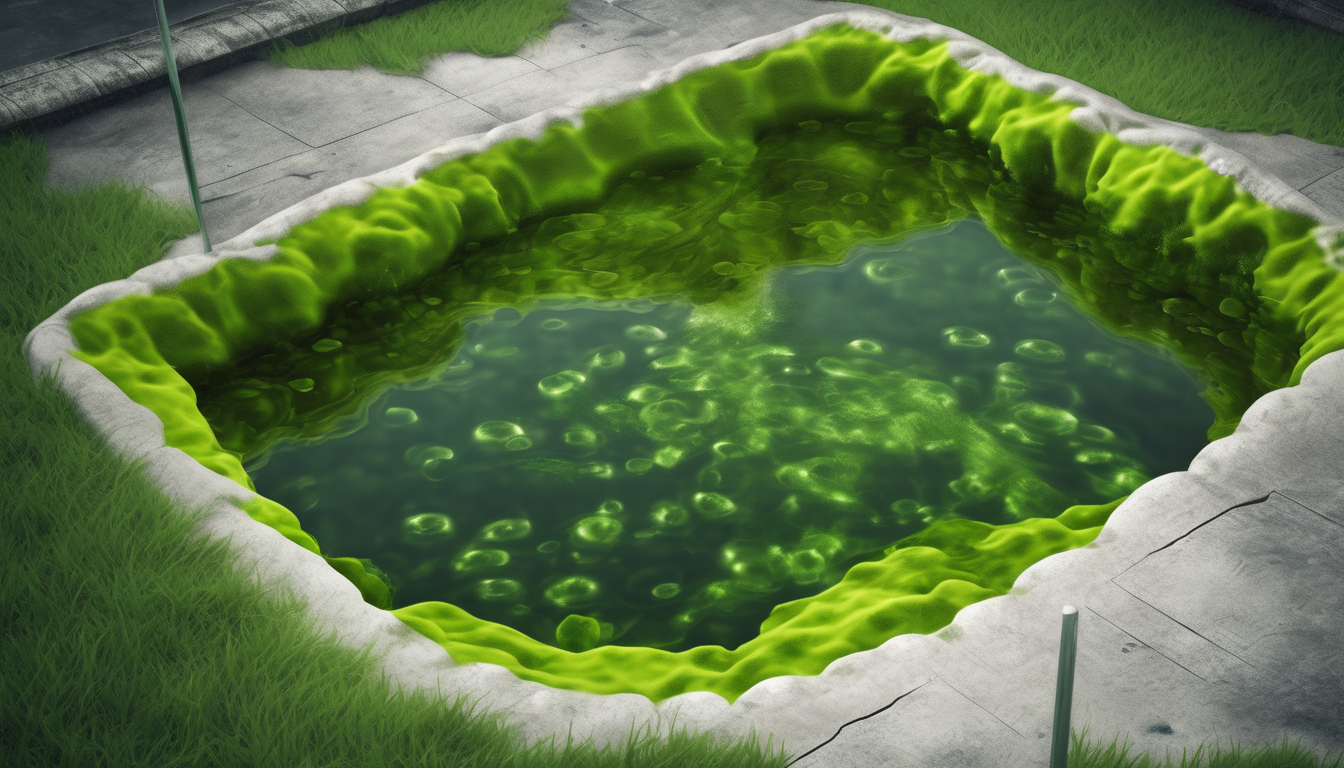

Understanding Algae Removal Techniques for Underground Water Tanks
Algae can significantly impact the quality of your underground water storage tanks, leading to a murky appearance and potential health risks. Understanding how algae grow and the methods to combat them is crucial for maintaining clean and safe drinking water. This relates directly to Algae Removal Techniques For Underground Water Tanks.
In this guide, we’ll explore effective techniques for removing algae from underground water tanks in Dubai, ensuring you can keep your water supply hygienic and free of contaminants. Whether you’re a villa owner, an apartment building manager, or any other property steward, this article provides comprehensive insights into the best practices for cleaning and maintaining underground storage systems.
Algae removal techniques include both mechanical methods to physically remove algae and chemical disinfection processes to kill and prevent future growth. By following these steps, you can maintain a clean water supply that is safe for your family and guests. When considering Algae Removal Techniques For Underground Water Tanks, this becomes clear.
Algae Removal Techniques For Underground Water Tanks –
Common Causes of Algae Growth in Underground Water Tanks
Algae thrive in warm, moist environments with plenty of sunlight. In underground water tanks, these conditions are often present due to the following factors:
- High temperatures and UV exposure: The sun’s rays can penetrate into the tank through small openings or cracks, promoting algae growth.
- Absence of proper ventilation: Tanks without adequate airflow can create a humid environment conducive to algae proliferation.
- Stagnant water conditions: Water that is not frequently circulated or changed may lack the necessary oxygen and flow to inhibit algae growth.
- Poor tank design or construction: Imperfections in the tank’s structure can lead to areas where stagnant water accumulates, providing ideal breeding grounds for algae.
Avoiding these conditions is key to preventing algae from taking hold. Regular inspections and maintenance are essential to identify potential issues early on. The importance of Algae Removal Techniques For Underground Water Tanks is evident here.
Algae Removal Techniques For Underground Water Tanks –
Mechanical Removal Methods for Underground Water Tanks
Mechanical methods involve physically removing algae from the tank’s interior surfaces. These techniques include:
- Scrubbing with brushes and sponges: Use soft-bristled brushes or sponge cloths to scrub away visible algae, paying special attention to corners and hard-to-reach areas.
- Rinsing with water: After mechanical scrubbing, rinse the tank thoroughly to wash away loosened debris. Ensure all surfaces are clean and free of residue.
- Vacuuming: In larger tanks, a vacuum cleaner can be used to remove accumulated algae and sediment from the bottom of the tank.
Mechanical methods are particularly useful for removing visible algae but may not address the root causes that allow algae to grow. Combined with chemical disinfection processes, they provide a comprehensive approach to maintaining clean underground water tanks.
Chemical Disinfection Processes for Effective Algae Removal
Chemical disinfection is a critical step in the algae removal process. Commonly used chemicals include chlorine-based solutions and biocides specifically approved by Dubai Municipality (DM). These products work by: Understanding Algae Removal Techniques For Underground Water Tanks helps with this aspect.
- Killing existing algae: Chlorine and biocides target and eliminate current algae growth, breaking down their cellular structures.
- Preventing future growth: By disrupting the biofilm that supports algae colonies, these chemicals create an inhospitable environment for new growth.
When selecting a chemical disinfectant, ensure it is DM-approved and suitable for use in underground water tanks. Proper application involves:
- Preparing the solution: Follow the manufacturer’s instructions to prepare a concentrated mixture of the chosen disinfectant.
- Distributing the solution: Slowly pour the prepared solution into the tank, ensuring it reaches all areas. Allow it to dwell for the recommended time (typically 24-48 hours) before flushing out.
- Rinsing and refilling: Thoroughly rinse the tank with clean water to remove any residual chemicals. Refill the tank with fresh, potable water once the chemical has been completely diluted.
Regular use of chemical disinfectants is essential for maintaining a hygienic water supply in underground tanks.
Prevention Strategies to Avoid Future Algae Growth
To prevent algae from returning, consider implementing the following strategies: Algae Removal Techniques For Underground Water Tanks factors into this consideration.
- Regular cleaning and maintenance: Schedule routine inspections and cleanings at least twice a year. More frequent cleanings may be necessary in warmer months or if conditions are particularly favorable for algae growth.
- Tank design improvements: If possible, redesign the tank to include better ventilation and drainage systems that minimize stagnant water areas. This can significantly reduce the risk of algae proliferation.
- Sealing leaks and cracks: Address any leaks or structural issues promptly to prevent water from pooling in problematic areas where algae can grow.
By combining these prevention strategies with regular cleaning, you can create a more hostile environment for algae and maintain the quality of your underground water storage system.
Ongoing Maintenance Schedules for Long-Term Success
Maintaining clean, hygienic drinking water requires an ongoing commitment to regular maintenance. Develop a schedule that includes:
- Inspections: Conduct visual inspections at least once every six months to identify any signs of algae growth or other issues.
- Cleaning and disinfection: Perform mechanical scrubbing and chemical disinfection as needed, based on the results of your inspections. This may be more frequent in warmer seasons.
- Documentation: Keep detailed records of all maintenance activities, including dates, products used, and any observations or issues noted during cleaning. These records can help track trends and identify potential problems early.
An organized approach to ongoing maintenance ensures that your underground water tanks remain clean and free from harmful contaminants.
Expert Tips for Successful Algae Removal
To ensure the best results, follow these expert tips: This relates directly to Algae Removal Techniques For Underground Water Tanks.
- Choose DM-approved products: Always use chemicals that are approved by Dubai Municipality to guarantee safety and efficacy.
- Follow manufacturer instructions: Adhere strictly to the recommended application rates and dwell times when using disinfectants. Overuse can be harmful, while underuse may not effectively eliminate algae.
- Train your team: Ensure that all staff involved in water tank maintenance are trained properly to handle chemicals safely and follow standard operating procedures (SOPs).
By adhering to these best practices, you can minimize the risk of algae growth and maintain a consistently clean and safe water supply.
Frequently Asked Questions about Algae Removal Techniques
-
- Q: How often should I clean my underground water tank?
A: Typically, tanks should be cleaned at least twice a year. More frequent cleaning may be necessary in warmer months or if conditions are particularly favorable for algae growth.
-
- Q: Can I use household bleach to remove algae from my underground water tank?
A: While household bleach can be effective, it is not specifically approved by DM for this purpose. Using DM-approved products ensures safety and compliance with local regulations. When considering Algae Removal Techniques For Underground Water Tanks, this becomes clear.
-
- Q: Are there any natural methods I can use to prevent algae growth in my underground water tank?
A: While some natural methods like adding vinegar or tea tree oil may have limited effectiveness, they are not as reliable as chemical disinfectants. Mechanical cleaning and proper maintenance remain the most effective strategies.
These FAQs address common concerns and provide guidance on best practices for maintaining your underground water storage system.
Conclusion: Why Regular Cleaning is Crucial
Regular cleaning and maintenance are essential for preventing algae growth in underground water tanks. By understanding the causes, employing effective removal techniques, and implementing prevention strategies, you can ensure a consistently clean and safe drinking water supply.
Remember that regular inspections and proactive measures will help prevent issues before they become major problems. Contact a certified water tank cleaning expert if you need assistance with your underground water storage system to maintain peace of mind for you and your family.
Trust us to provide professional, reliable services that meet the highest hygiene standards. Understanding Algae Removal Techniques For Underground Water Tanks is key to success in this area.