




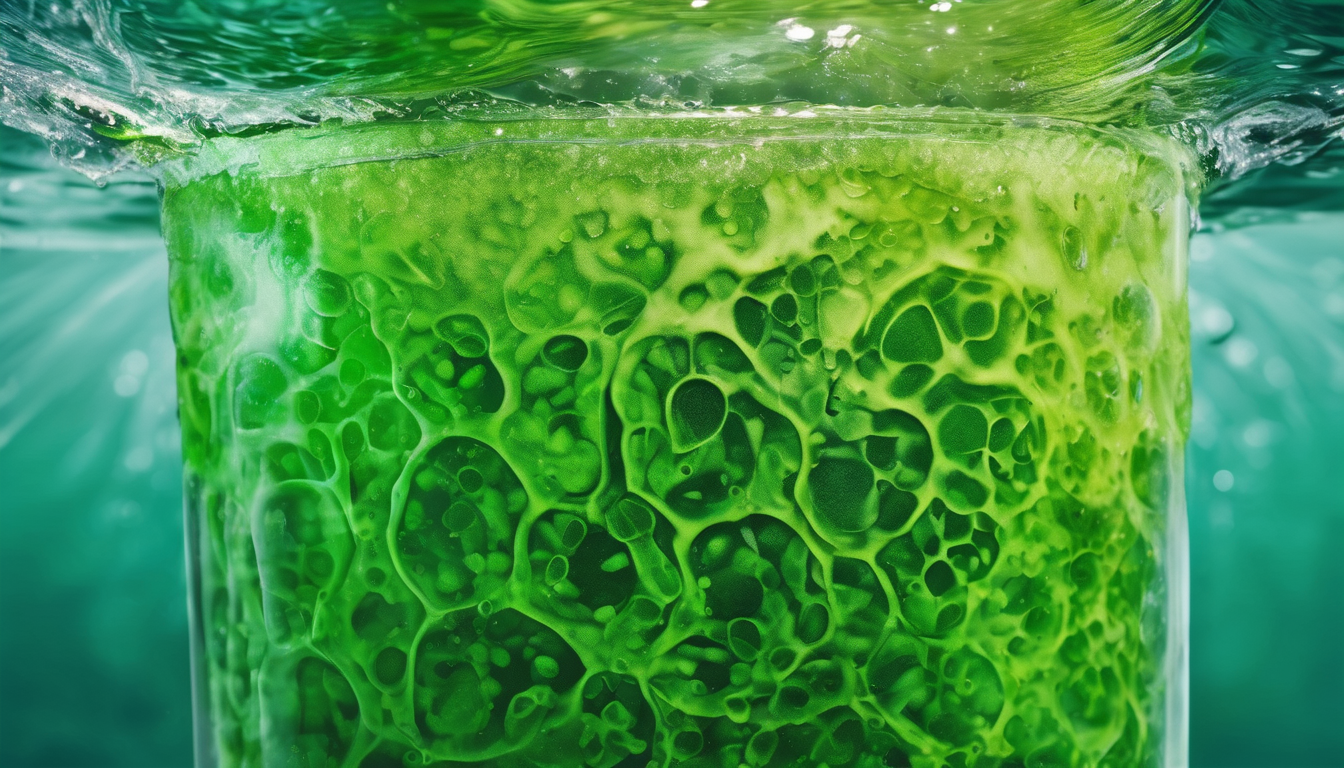

Understanding Advanced Techniques for Removing Algae From Plastic Water is essential.
Advanced Techniques For Removing Algae From Plastic Water – Understanding Algae in Plastic Water Tanks
Plastic water tanks are susceptible to algae growth due to the presence of moisture, sunlight, and nutrients. This guide will explore advanced techniques for effectively removing algae from plastic water tanks, ensuring clean, safe water for your home or business. This relates directly to Advanced Techniques For Removing Algae From Plastic Water.
Algae’s Role in Plastic Tanks
Algae can thrive in the warm and moist environment of plastic water tanks. They can form a biofilm that not only compromises water quality but also leads to potential bacterial growth, which poses health risks.
Advanced Techniques For Removing Algae From Plastic Water – Identification and Assessment of Algae Growth
To effectively manage algae in plastic water tanks, it is crucial to identify the extent and severity of the problem. Regular visual inspections can help detect signs of algae, such as green or brownish discoloration. When considering Advanced Techniques For Removing Algae From Plastic Water, this becomes clear.
Inspecting the Tank
Start by draining the tank partially if possible. Use a flashlight or camera to inspect the interior surfaces for any sign of algae growth. Note the location and extent of the infestation, as this will guide your cleaning strategy.
Advanced Techniques For Removing Algae From Plastic Water – Preparation for Cleaning
Proper preparation is key to ensuring an effective clean. This involves gathering necessary equipment and planning the cleaning process to minimize disruptions and ensure thoroughness. The importance of Advanced Techniques For Removing Algae From Plastic Water is evident here.
Equipment and Tools
- Long-handled brush or scrubber
- Gloves and protective eyewear
- Rubber gloves for direct contact with chemicals (if applicable)
- Water source and hoses
- Cleaning solution (either chemical or biocide-based)
Chemical-Free Removal Methods
For those looking to avoid the use of chemicals, there are several effective methods that can be employed.
Physical Methods
- Scrubbing: Use a long-handled brush or scrubber to physically remove algae. Ensure all surfaces are cleaned thoroughly, especially areas with heavy growth.
- Rinsing: After scrubbing, rinse the tank thoroughly to remove any debris and loose algae cells.
Chlorine-Based Treatment Techniques
For those requiring a chemical solution, chlorine-based treatments can be effective. These should only be used if approved for use in plastic water tanks and adhere to local regulations. Understanding Advanced Techniques For Removing Algae From Plastic Water helps with this aspect.
Chemical Disinfection
- Dilution: Mix the recommended amount of chlorine-based solution with clean water before application. Ensure proper dilution to avoid damage to the plastic tank material.
- Treatment Duration: Allow the disinfectant to sit in the tank for at least 24 hours, following manufacturer’s instructions. This ensures complete coverage and effectiveness.
Biocides and Algaecides Use
Biocides and algaecides provide a targeted approach to algae removal and prevention. These products are specifically designed to kill or inhibit the growth of microorganisms, including algae.
Application Procedures
- Spot Application: Apply biocides and algaecides directly to areas with heavy algae infestation. This can be done using a sprayer or by soaking the affected surfaces.
- Treatment Periods: Follow manufacturer guidelines for repeated applications, typically every 3-6 months to maintain long-term control.
Safety Considerations During Cleaning
Safety is paramount when dealing with algae removal in plastic water tanks. Adhering to the following steps can help ensure a safe and effective cleaning process. Advanced Techniques For Removing Algae From Plastic Water factors into this consideration.
Personal Protection
- Wear gloves and protective eyewear at all times.
- Avoid direct contact with chemicals unless necessary, as they may be harmful to skin and eyes.
Maintenance Planning for Long-term Prevention
To prevent future algae growth, establishing a maintenance plan is essential. This involves regular inspections and cleaning schedules tailored to the specific conditions of your plastic water tank.
Inspection Schedules
- Inspect the tank at least twice a year, with more frequent checks during periods of high heat or heavy rainfall.
- Look for signs of algae growth and address any issues promptly to prevent further contamination.
Expert Tips for Effective Algae Removal
- Use a Long-Handled Tool: A long-handled brush or scrubber can help reach areas that are difficult to access, ensuring thorough cleaning without the need to climb inside the tank.
- Rinse Thoroughly: After cleaning, rinse all surfaces with clean water to remove any remaining debris and chemicals. This helps prevent recontamination from residual materials.
- Regular Maintenance: Implement a regular maintenance schedule based on the condition of your tank and local environmental factors to keep algae at bay.
Frequently Asked Questions (FAQs)
-
- Q: How often should I clean my plastic water tank?
A: It is recommended to clean your plastic water tank every 6-12 months, or more frequently if algae growth is observed. This relates directly to Advanced Techniques For Removing Algae From Plastic Water.
-
- Q: Can I use any cleaning solution for algae removal in a plastic tank?
A: No, always use solutions that are specifically approved for use in plastic tanks to avoid damage. Consult local regulations and product labels for guidance.
Conclusion
Effective management of algae growth in plastic water tanks is essential to ensure clean, safe drinking water. By understanding the nature of algae, preparing properly, and utilizing advanced techniques like physical scrubbing or chemical treatments, you can maintain a healthy tank environment for years to come. When considering Advanced Techniques For Removing Algae From Plastic Water, this becomes clear.