


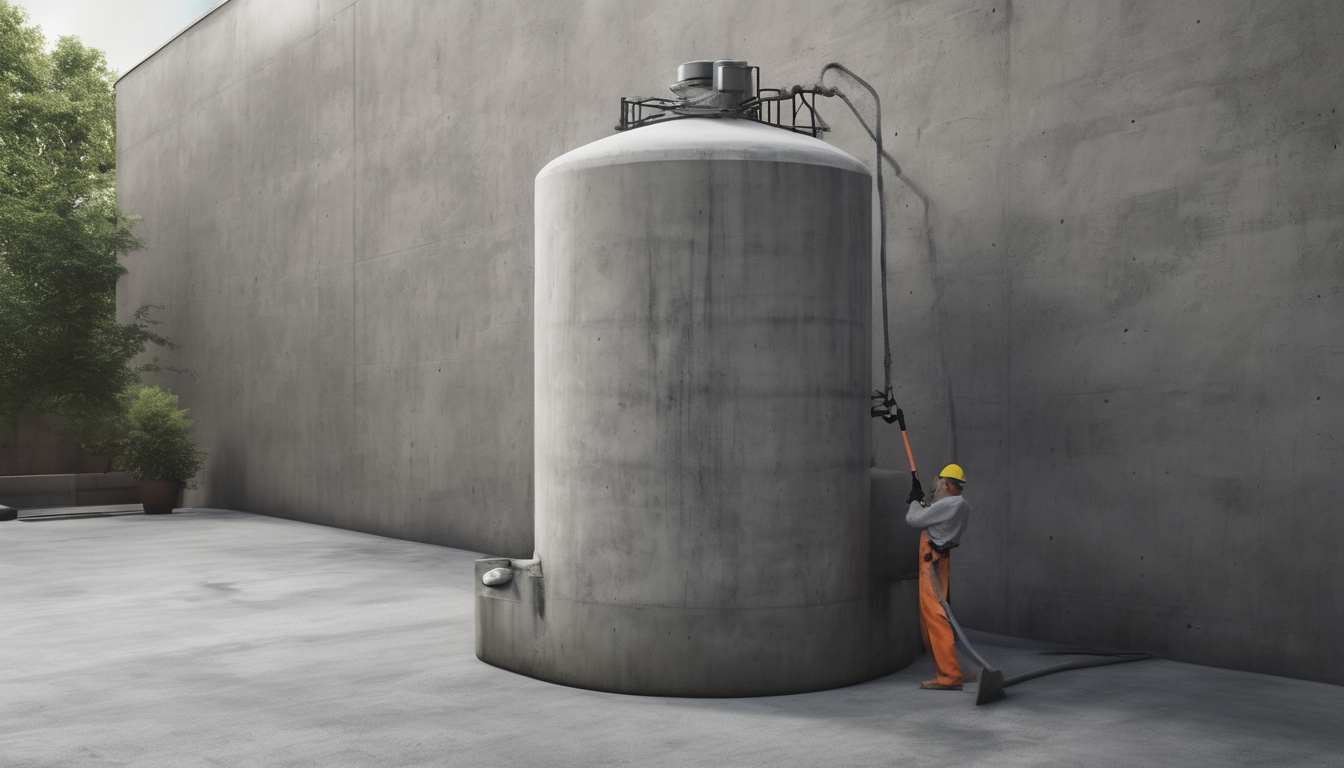

Understanding Concrete Tank Cleaning & Disinfection Best Practices For is essential. —
—
Introduction
Concrete water tanks are a popular choice for residential and commercial settings due to their durability, affordability, and low maintenance requirements. However, just like any other storage system, they require regular cleaning and disinfection to ensure the safety of the stored water. This article explores the best practices for Concrete Tank cleaning and disinfection, providing essential methods that can help maintain hygienic water storage in Dubai, Abu Dhabi, and Sharjah.
—
Defining Concrete Tank Cleaning & Disinfection Best Practices for
Concrete tanks are designed to store large volumes of water, often used as potable sources in various settings. The process of cleaning and disinfecting these tanks involves removing sediments, algae, and biofilm buildup, followed by the application of appropriate disinfectants to eliminate contaminants that may affect water quality.
—
Importance of Regular Maintenance
Regular maintenance is crucial for preventing contamination and ensuring the longevity of concrete water storage tanks. Neglect can lead to the accumulation of harmful bacteria, sediment, and other impurities, which pose significant health risks. By adhering to a strict cleaning schedule, property owners can prevent these issues and protect their family’s daily water use.
—
Best Practices for Cleanliness
1. Pre-Inspection: Before any cleaning begins, it is essential to conduct a thorough inspection of the tank. Look for signs of cracks, leaks, or visible contamination.
2. Drainage: Fully drain the tank to remove all existing water and contaminants. This step is critical in preparing the tank for cleaning and disinfection.
3. Mechanical Cleaning: Use brushes and scrapers to manually clean the interior surfaces. For larger tanks, mechanical equipment can be employed to ensure thorough coverage.
4. Chemical Disinfection: Apply a suitable disinfectant solution as per the manufacturer’s guidelines. Ensure proper dwell time for maximum efficacy.
—
Disinfection Methods for Concrete Tanks
1. Chlorine Solutions: Chlorine is widely used due to its effectiveness in killing bacteria and viruses. It should be applied at appropriate concentrations, typically 2-5 ppm.
2. Ozone Treatment: Ozone can provide a more robust disinfection process by oxidizing organic matter and pathogens. However, it requires specialized equipment and expertise.
3. Bromine Solutions: Bromine is another option for disinfecting concrete tanks, offering residual protection that chlorine lacks.
—
Choosing the Right Chemicals
Selecting the right chemicals depends on various factors such as water quality, tank size, and desired efficacy. It’s important to choose DM-approved products to ensure compliance with local regulations. Consulting with a professional can help in making informed decisions about chemical selection and application.
—
Preventing Microbial Growth
1. Regular Scheduling: Establish a routine cleaning schedule to prevent microbial growth and maintain water quality.
2. Water Flow Management: Ensure proper flow rates through the tank to reduce stagnation, which is conducive to microbial proliferation.
3. Temperature Control: Maintain optimal water temperatures (ideally between 6-8°C) to inhibit bacterial activity.
—
Post-Cleaning Inspection and Maintenance
1. Rinsing: After disinfection, thoroughly rinse the tank with clean water to remove all residual chemicals.
2. Refilling: Refill the tank with fresh, treated water from a reliable source.
3. Monitoring: Regularly test the water quality post-cleaning to ensure compliance with hygiene standards.
—
Expert Tips for Concrete Tank Maintenance
1. Use of Microfiber Cloth: Employ microfiber cloths during manual cleaning to reduce scratch marks and maintain surface integrity.
2. Proper Ventilation: Ensure proper ventilation during chemical application to prevent inhalation risks.
3. Documented Records: Keep detailed records of cleaning activities, including dates, methods used, and outcomes.
—
Frequently Asked Questions (FAQs)
Q1: How often should concrete tanks be cleaned?
A1: Tanks should be cleaned at least twice a year, but the frequency may vary based on usage and water quality.
Q2: Can I use natural disinfectants instead of chemicals?
A2: Natural options like vinegar or lemon juice can be used as adjuncts, but they are not effective for thorough disinfection.
—
Conclusion
Concrete tanks play a vital role in providing safe drinking water. By following the best practices outlined above, property owners and managers can ensure that their tanks remain clean and hygienic. Regular maintenance is key to preventing contamination and ensuring long-term safety of stored water. For optimal results, consider consulting with professionals who specialize in concrete tank cleaning and disinfection.
— Understanding Concrete Tank Cleaning & Disinfection Best Practices For is key to success in this area.