







Understanding Which water tank Is The Best, Plastic Or Concrete Tank Box is essential.
Which Water Tank Is the Best, Plastic or Concrete Tank Box?
In the realm of water storage solutions, choosing between plastic and concrete tanks can be a daunting task. This comprehensive guide delves into the pros and cons of both materials to help you make an informed decision tailored for your specific needs in Dubai, Abu Dhabi, Sharjah, and other parts of the UAE.
Understanding Which Water Tank Is the Best, Plastic or Concrete Tank Box?
When considering water tank options for your residential or commercial property in Dubai, the choice between plastic and concrete tanks becomes crucial. Both materials have their unique advantages and disadvantages that must be evaluated based on specific requirements such as space constraints, budget, and environmental concerns.
Benefits and Limitations of Plastic Tanks
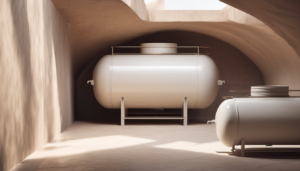
Plastic water storage tanks are lightweight, easy to transport, and require minimal foundation work. They offer a modern aesthetic appeal and can be customized in various shapes and sizes. However, they may not withstand high temperatures or extreme weather conditions as well as concrete tanks.
Benefits and Limitations of Concrete Tanks
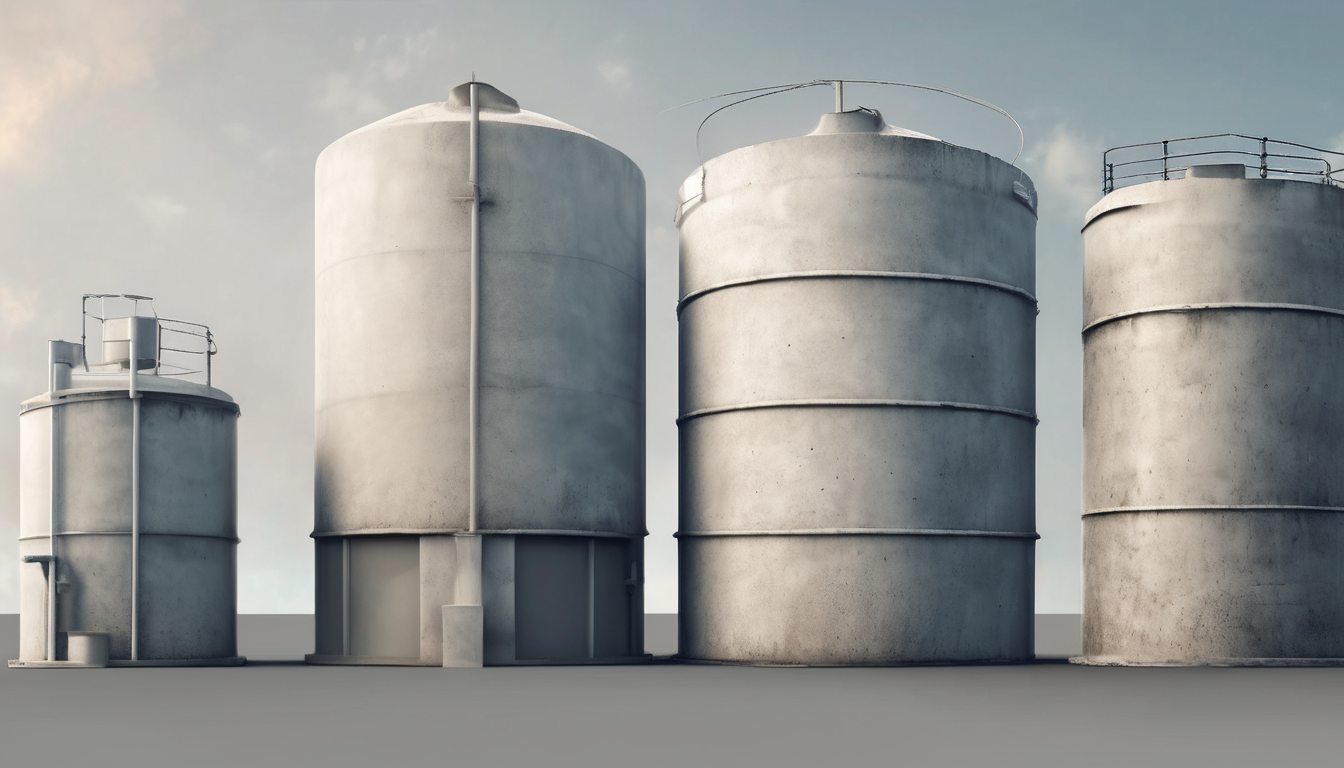
Concrete water storage tanks are durable, long-lasting, and can handle higher temperatures without degrading. They also provide excellent protection against pests and corrosion. However, they require more significant initial costs due to their weight and the need for a robust foundation.
Which Water Tank Is The Best, Plastic Or Concrete Tank Box – Durability of Plastic and Concrete Tanks
Durability is a critical factor when selecting water storage tanks. While plastic tanks are susceptible to cracking, peeling, or warping under extreme conditions, concrete tanks offer exceptional longevity. A well-maintained concrete tank can last up to 50 years or more, whereas plastic tanks typically have a life expectancy of around 20-30 years.
Material Resistance to Temperature
Plastic tanks may experience deformation at high temperatures, leading to potential leaks. In contrast, concrete tanks maintain structural integrity even in extreme heat, making them more suitable for hotter climates like those found in Dubai.
Cost Considerations for Plastic and Concrete Tanks
Cost is another significant factor to consider when choosing between plastic and concrete tanks. While the initial investment for a concrete tank may be higher, its longer lifespan often results in lower long-term costs. On the other hand, plastic tanks are generally more affordable upfront but require frequent replacement.
Installation and Labor Costs
The cost of installation also varies between materials. Concrete tanks necessitate professional installation due to their weight, while plastic tanks can often be installed by DIY enthusiasts with minimal tools.
Maintenance and Service Requirements
Regular maintenance is essential for both types of water storage tanks. However, the frequency and complexity of service requirements differ significantly. Plastic tanks may require more frequent cleaning to prevent biofilm growth, whereas concrete tanks can be inspected less frequently but need more thorough cleaning when needed.
Plastic tanks are prone to leaching chemicals that could contaminate the water. Concrete tanks pose fewer risks in this regard, making them a safer option for potable water storage. Regular disinfection is necessary for both tank types but should be done with care to avoid damaging the material.
Environmental Impact of Plastic and Concrete Tanks
The environmental impact of plastic and concrete tanks must also be considered. Plastic tanks are non-biodegradable, contributing to landfill waste, whereas concrete can be recycled or repurposed at the end of its life cycle.
Material Recycling and Disposal
Recycling rates for plastic materials are generally lower than those for concrete. Concrete tanks can often be crushed and reused in construction projects, reducing their environmental footprint compared to plastic tanks.
Space and Design Comparisons
The space available on your property plays a crucial role in the selection process. Plastic tanks are lighter and easier to move, making them ideal for properties with limited space or those requiring repositioning over time. Concrete tanks, while more robust, take up significant ground area and may affect landscaping designs.
Aesthetic Considerations
Plastic tanks can be designed in various colors and shapes to blend seamlessly into modern architectural settings. Concrete tanks, being more industrial-looking, might require additional landscaping or screening measures to maintain a cohesive aesthetic.
Compatibility with Potable Water
The compatibility of water storage tanks with potable water is critical for health and safety reasons. Plastic tanks can leach chemicals that affect water quality, while concrete tanks offer better protection against such contaminants.
Material Leaching Risks
Plastic materials can release harmful substances into the water, posing a risk to human health. Concrete tanks are less likely to leach harmful chemicals and are therefore considered more suitable for potable water storage.
Regulatory Standards and Compliance
Compliance with local regulations is essential when choosing a water tank. Dubai Municipality has specific guidelines that must be followed, ensuring the health and safety of stored water. Both plastic and concrete tanks must meet these standards; however, the ease of compliance may vary.
Inspection and Maintenance Requirements
Regular inspections are required for both tank types to ensure they remain in good condition. Plastic tanks may need more frequent inspections due to their higher risk of degradation over time. Concrete tanks can be inspected less frequently but still require thorough checks.
Health and Safety Factors
Health and safety are paramount when selecting a water storage tank. Both plastic and concrete tanks pose certain risks, but the nature of these risks differs. Plastic tanks may have chemical leaching issues, while concrete tanks can suffer from biofilm growth if not properly maintained.
Water Quality Issues
Plastic tanks are more prone to water quality issues due to their potential for chemical leaching. Concrete tanks, on the other hand, are less likely to cause such problems and offer a safer option for storing potable water.
Conclusion
Choosing between plastic and concrete water tanks is not a one-size-fits-all decision. Each material has its unique set of advantages and disadvantages that must be carefully evaluated based on your specific needs, budget, and environmental concerns. By considering factors such as durability, cost, maintenance requirements, and regulatory compliance, you can make an informed choice that ensures the safety and reliability of your water supply.
When choosing a water storage tank, ensure it meets regulatory standards, offers good health and safety features, and aligns with environmental considerations. Understanding Which Water Tank Is The Best, Plastic Or Concrete Tank Box is key to success in this area.