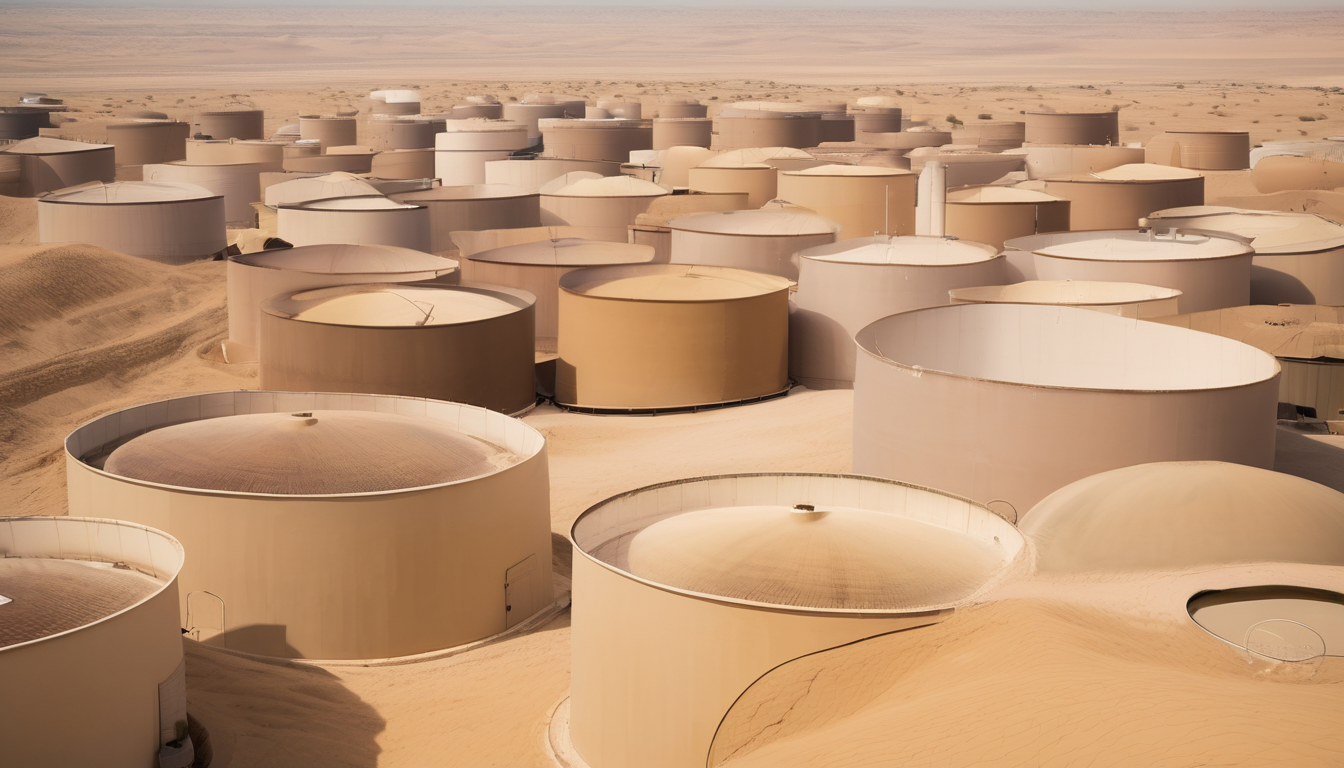




How biofilm forms in residential water tanks begins with a simple biological process that Dubai’s climate accelerates dramatically. The combination of high temperatures, frequent dust storms, and intermittent water supply creates ideal conditions for microbial growth in household water storage systems. This invisible layer of microorganisms represents one of the most persistent challenges for Dubai homeowners seeking to maintain potable water quality according to Dubai Municipality standards.
The process of how biofilm forms in residential water tanks follows a consistent pattern that water safety professionals observe throughout the UAE. Initially, free-floating bacteria in the water column attach to tank surfaces, particularly in areas with minimal water movement. Once anchored, these microorganisms begin producing extracellular polymeric substances—a sticky matrix that protects the colony and captures nutrients from the water.
Understanding how biofilm forms in residential water tanks requires recognizing that this isn’t merely surface contamination. The biofilm structure creates a self-sustaining ecosystem where different microorganisms cooperate, exchange genetic material, and develop resistance to conventional disinfection methods. This complexity explains why standard chlorination often fails to eliminate established biofilm communities in Dubai’s water storage systems.
The science behind how biofilm forms in residential water tanks
How biofilm forms in residential water tanks follows a well-documented biological sequence that microbiologists call the five stages of biofilm development. The initial attachment phase occurs when planktonic microorganisms encounter tank surfaces and form reversible attachments through van der Waals forces and electrostatic interactions. In Dubai’s concrete and GRP tanks, surface roughness provides ideal attachment points for these pioneering microbes.
The irreversible attachment phase follows as microorganisms begin producing exp polysaccharide substances that create strong chemical bonds with tank surfaces. This transition typically occurs within the first 24-48 hours of surface contact, particularly in Dubai’s warm water conditions where microbial metabolism accelerates. The growing colony then enters the maturation phase, developing complex structures with water channels that distribute nutrients and remove waste products.
The final dispersion stage completes the cycle of how biofilm forms in residential water tanks, as portions of the biofilm break away to colonize new areas of the tank or enter the water distribution system. This continuous cycle explains why biofilm contamination often recurs even after partial cleaning, requiring comprehensive mechanical removal followed by professional disinfection.
How Biofilm Forms in Residential Water Tanks – Dubai-specific factors accelerating biofilm formation
How biofilm forms in residential water tanks in Dubai differs significantly from cooler climates due to several environmental factors. Average water temperatures in rooftop tanks frequently exceed 35°C during summer months, creating ideal conditions for rapid bacterial growth. The temperature range between 25-45°C represents the optimal growth zone for many biofilm-forming bacteria commonly found in UAE water systems.
Dubai’s frequent dust storms introduce particulate matter that serves as both attachment surfaces and nutrient sources for microorganisms. Sand and dust particles settle in tanks, providing organic material that supports microbial growth. The intermittent water supply common in many Dubai communities creates stagnation periods that allow biofilm to establish without the disruptive force of regular water movement.
Water chemistry also influences how biofilm forms in residential water tanks in the UAE. The high mineral content in Dubai’s water supply provides essential trace elements for microbial growth, while the relatively high pH levels (typically 7.5-8.5) create favourable conditions for many biofilm-forming bacteria. These factors combine to make biofilm development particularly aggressive in Dubai residential tanks compared to many other regions.
How Biofilm Forms in Residential Water Tanks – Common microorganisms in Dubai water tank biofilms
Understanding how biofilm forms in residential water tanks requires identifying the specific microorganisms involved. Pseudomonas aeruginosa represents one of the most common biofilm formers in Dubai water systems, particularly known for its resistance to chlorine and ability to thrive in various water conditions. These bacteria frequently serve as foundational species that other microorganisms join to create complex biofilm communities.
Legionella pneumophila represents another significant concern in how biofilm forms in residential water tanks in Dubai. This pathogen finds protection within biofilm structures, where it can survive standard disinfection treatments and later release into the water supply. The warm water temperatures in Dubai tanks provide ideal conditions for Legionella proliferation, making biofilm control particularly important for health protection.
Mycobacterium avium complex and various fungal species also contribute to how biofilm forms in residential water tanks throughout the UAE. These organisms often occupy specific niches within the biofilm structure, benefiting from the protection and nutrient-sharing capabilities of the microbial community. The diversity of microorganisms within biofilms explains why multi-stage cleaning approaches prove most effective for comprehensive removal.
Visual indicators of biofilm presence
Recognizing how biofilm forms in residential water tanks involves identifying visible signs of contamination. The most common indicator appears as slimy or slippery surfaces on tank walls and fittings, particularly in areas with minimal water movement. This slippery texture represents the extracellular polymeric substance matrix that characterizes mature biofilm structures.
Discoloration of tank surfaces provides another visual clue about how biofilm forms in residential water tanks. Pink, orange, or brownish stains often indicate microbial growth, particularly iron-related bacteria that frequently participate in biofilm communities. These discolorations typically appear first in corners, around fittings, and along water lines where stagnation occurs.
Sediment accumulation patterns also reveal how biofilm forms in residential water tanks, as the sticky biofilm matrix captures and holds particulate matter from the water. This sediment-biofilm combination often creates a layered structure that becomes increasingly difficult to remove over time. Professional tank cleaning addresses both the visible sediment and the underlying biofilm attachment points.
Health implications of biofilm contamination
How biofilm forms in residential water tanks directly impacts household health through several mechanisms. The biofilm structure protects pathogens from disinfection, allowing dangerous microorganisms to persist in what appears to be treated water. This protection mechanism explains why water testing sometimes shows contamination even after chemical treatment attempts.
Biofilm communities regularly release microorganisms into the water column through the dispersion phase of their life cycle. These released bacteria can include pathogens that cause gastrointestinal illnesses, skin infections, and respiratory problems—particularly dangerous for children, elderly residents, and those with compromised immune systems. The continuous shedding from biofilm explains why water quality can fluctuate even without changes in water source.
The decomposition of organic matter within biofilms can produce compounds that affect water taste and odour, creating aesthetic issues that prompt complaints from residents. More seriously, some biofilm microorganisms produce toxins or trigger allergic reactions in sensitive individuals. Understanding how biofilm forms in residential water tanks helps homeowners connect these health symptoms to their possible root cause in water storage systems.
Professional biofilm removal techniques
Addressing how biofilm forms in residential water tanks requires professional techniques that go beyond surface cleaning. Mechanical removal represents the first essential step, using specialized equipment to physically dislodge and remove the biofilm matrix from tank surfaces. This process requires trained technicians who understand tank materials and proper cleaning protocols to avoid damage while ensuring thorough removal.
Chemical treatment follows mechanical cleaning to address how biofilm forms in residential water tanks at the microbial level. Dubai Municipality-approved disinfectants applied at correct concentrations penetrate remaining biofilm structures and eliminate residual microorganisms. The selection of appropriate chemicals depends on tank material, water chemistry, and the specific biofilm composition identified during inspection.
Final rinsing and water quality testing complete the professional approach to how biofilm forms in residential water tanks. Thorough rinsing removes disinfection byproducts and residual cleaning agents, while post-service water testing verifies that biofilm contamination has been effectively addressed. This comprehensive approach ensures that the cycle of how biofilm forms in residential water tanks is interrupted completely rather than temporarily suppressed.
Prevention strategies for Dubai homeowners
Preventing how biofilm forms in residential water tanks begins with regular professional cleaning according to Dubai Municipality guidelines. Annual cleaning represents the minimum requirement, though many Dubai homes benefit from more frequent service depending on water usage patterns, tank conditions, and household sensitivity to water quality issues. Professional assessment determines the optimal cleaning frequency for each specific situation.
Tank design modifications can reduce how biofilm forms in residential water tanks by eliminating stagnation zones. Smooth interior surfaces, rounded corners, and proper outlet positioning all contribute to better water movement that discourages biofilm attachment. Regular water usage patterns also help prevent stagnation that allows biofilm to establish undisturbed.
Monitoring water quality parameters provides early warning about how biofilm forms in residential water tanks before visible signs appear. Changes in water clarity, taste, or odour often indicate developing biofilm issues that require professional attention. Regular water testing through certified laboratories offers the most reliable method for detecting biofilm-related contamination in its early stages.
Expert tips for biofilm management
Schedule professional tank cleaning before summer temperatures peak, as warmth accelerates how biofilm forms in residential water tanks. The period between March and May represents an ideal window for preventive cleaning that prepares tanks for the challenging summer conditions in Dubai.
Request interior tank inspection during cleaning service to identify early signs of how biofilm forms in residential water tanks. Professional technicians can spot developing biofilm that hasn’t yet produced visible symptoms, allowing early intervention before contamination becomes established.
Consider installing tank insulation to moderate temperature fluctuations that influence how biofilm forms in residential water tanks. While Dubai’s climate will always create warm conditions, reducing extreme temperature swings can help stabilize water quality and slow microbial growth rates.
Maintain records of cleaning services and water test results to track how biofilm forms in residential water tanks over time. This documentation helps identify patterns and optimize prevention strategies based on your specific tank conditions and water usage patterns.
Educate household members about water conservation practices that maintain regular water turnover. Consistent usage patterns help prevent the stagnation that contributes significantly to how biofilm forms in residential water tanks throughout Dubai communities.
Frequently asked questions
How quickly does biofilm form in Dubai water tanks?
Biofilm can begin forming within 24-48 hours in Dubai’s warm water conditions, with visible accumulation typically appearing within 2-4 weeks under ideal conditions. The rapid pace of how biofilm forms in residential water tanks here necessitates more frequent monitoring and maintenance than in cooler climates.
Can biofilm affect water taste and smell?
Yes, biofilm decomposition produces compounds that create musty, earthy, or otherwise unpleasant tastes and odours. These sensory changes often provide the first indication of how biofilm forms in residential water tanks before visible signs appear or health symptoms develop.
Does boiling water remove biofilm contamination?
Boiling kills free-floating bacteria but does not address the protected biofilm community itself. The source of how biofilm forms in residential water tanks remains active even after boiling, continuing to release microorganisms into the water supply until professionally removed.
How often should Dubai homes clean their water tanks?
Dubai Municipality requires annual cleaning minimum, but many homes benefit from semi-annual service due to our climate’s acceleration of how biofilm forms in residential water tanks. Professional assessment determines the ideal frequency based on tank size, usage patterns, and water quality history.
Can biofilm develop in brand new water tanks?
Yes, how biofilm forms in residential water tanks doesn’t require old or damaged tanks. Any surface exposed to water can develop biofilm, with new tanks sometimes accumulating contamination quickly if installation practices introduce microorganisms or stagnation occurs during initial use.
Do water filters prevent biofilm formation?
Point-of-use filters remove microorganisms from water but don’t prevent how biofilm forms in residential water tanks themselves. The biofilm continues developing in the storage tank, potentially compromising filter effectiveness and requiring more frequent filter replacements due to increased microbial loading.
Conclusion
Understanding how biofilm forms in residential water tanks provides Dubai homeowners with essential knowledge for maintaining water safety and quality. The unique environmental conditions in the UAE accelerate biofilm development, making regular professional cleaning and vigilant monitoring particularly important. By recognizing the biological processes involved and implementing appropriate prevention strategies, residents can effectively manage this persistent challenge and ensure their water storage systems meet Dubai Municipality standards for potable water quality.
The complexity of how biofilm forms in residential water tanks requires comprehensive professional approaches that address both visible contamination and underlying microbial communities. Mechanical removal combined with proper discitation represents the only effective method for interrupting the biofilm life cycle completely. Through regular professional service and appropriate maintenance practices, Dubai homeowners can successfully manage how biofilm forms in residential water tanks and protect their household water supply throughout the year.