



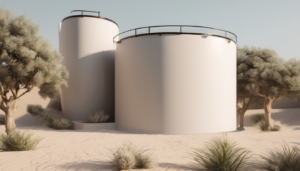
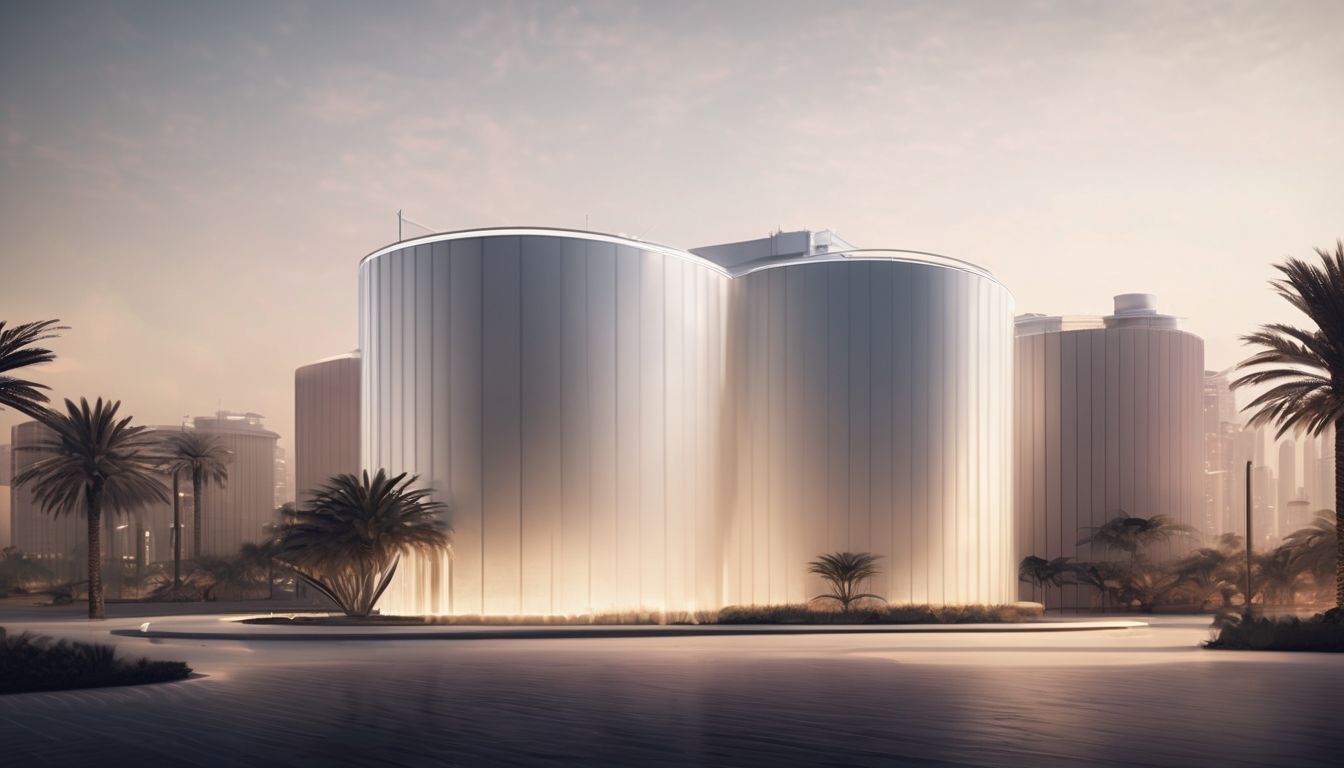

Commercial building water tank cleaning cost factors in Dubai are shaped by the unique demands of maintaining potable water systems in large-scale properties. Unlike residential tanks, commercial water storage systems serve hundreds or thousands of occupants daily, making water safety a critical operational priority. The investment required for professional cleaning reflects the comprehensive approach needed to address contamination risks, regulatory compliance, and system longevity. Understanding these commercial building water tank cleaning cost factors enables facility managers to budget appropriately for this essential maintenance service.
In Dubai’s climate, where high temperatures accelerate bacterial growth and sediment accumulation, commercial properties face particular challenges with water tank hygiene. The Commercial Building Water tank cleaning cost factors that determine service scope include tank capacity, contamination severity, accessibility constraints, and the specific compliance requirements for different building types. Rather than fixed pricing, professional water tank cleaning services provide custom quotes based on a thorough site assessment that evaluates these commercial building water tank cleaning cost factors specific to each property.
Commercial Building Water Tank Cleaning Cost Factors – Tank Capacity and Configuration Impact
The physical dimensions and storage volume of commercial water tanks represent primary commercial building water tank cleaning cost factors. Dubai commercial properties typically utilize multiple interconnected tanks with capacities ranging from 5,000 to 50,000 litres or more. Larger tanks require more time for draining, cleaning, and refilling, directly affecting service duration and resource allocation. The configuration complexity—whether tanks are underground, rooftop-mounted, or split between locations—also influences these commercial building water tank cleaning cost factors.
Sectional GRP tanks common in Dubai commercial buildings present different cleaning challenges than monolithic concrete tanks. Each configuration requires specific equipment, access solutions, and safety protocols that contribute to the overall commercial building water tank cleaning cost factors. Multiple tank systems may need sequential cleaning with temporary water supply arrangements, adding logistical considerations to the service scope. The number of connection points, valve conditions, and distribution network complexity further refine these commercial building water tank cleaning cost factors during professional assessment.
Underground Versus Overhead Tank Considerations
Underground water tanks in Dubai commercial properties often present access challenges that significantly impact commercial building water tank cleaning cost factors. Confined space entry protocols, ventilation requirements, and specialized pumping equipment contribute to the service complexity. Overhead tanks, while more accessible, may require scaffolding, roof access coordination, and additional safety measures that influence these commercial building water tank cleaning cost factors.
Commercial Building Water Tank Cleaning Cost Factors – Contamination Level and Cleaning Intensity
The severity of contamination represents a decisive element among commercial building water tank cleaning cost factors. During initial inspection, technicians assess sediment accumulation, biofilm presence, microbial growth, and visible contamination indicators. Light sediment buildup from Dubai’s sandy environment requires different treatment than heavy bacterial biofilm or algae infestation, each affecting the commercial building water tank cleaning cost factors differently.
Advanced contamination conditions necessitate more intensive cleaning protocols, including extended scrubbing, high-pressure washing, and multiple disinfection cycles. These procedures increase both time requirements and material usage, directly influencing commercial building water tank cleaning cost factors. Properties with historical contamination issues or previous water quality complaints often require comprehensive pipeline flushing and system-wide disinfection, adding further dimensions to these commercial building water tank cleaning cost factors.
Commercial Building Water Tank Cleaning Cost Factors – Compliance and Certification Requirements
Regulatory compliance constitutes a significant component of commercial building water tank cleaning cost factors in Dubai. Different property types—office buildings, hotels, hospitals, schools, and retail facilities—face specific Dubai Municipality guidelines for water safety. Healthcare and food service facilities require more stringent disinfection protocols and documentation, affecting these commercial building water tank cleaning cost factors through additional testing and verification steps.
Certified cleaning procedures following Dubai Municipality standards involve comprehensive documentation, water testing, and compliance reporting that contribute to commercial building water tank cleaning cost factors. Properties subject to regular regulatory inspections or quality audits may require more detailed service records and testing certificates, adding administrative components to these commercial building water tank cleaning cost factors. The expertise required for compliance-assured services reflects in the professional assessment of commercial building water tank cleaning cost factors.
Accessibility and Location Challenges
Physical access constraints substantially influence commercial building water tank cleaning cost factors in Dubai’s dense urban environment. Rooftop tanks in high-rise buildings may require specialized equipment hoisting, while underground tanks in parking facilities might need traffic management arrangements. These logistical considerations directly affect commercial building water tank cleaning cost factors through equipment requirements, time allocation, and safety measures.
Central business district locations with limited parking and loading access may require out-of-hours service arrangements, affecting commercial building water tank cleaning cost factors through premium timing considerations. Properties with restricted access hours, security protocols, or operational constraints often need coordinated service planning that influences these commercial building water tank cleaning cost factors. The distance from service provider bases also contributes to commercial building water tank cleaning cost factors through transportation requirements.
Additional Service Components
Complementary services frequently integrate with basic cleaning to address comprehensive water safety, adding dimensions to commercial building water tank cleaning cost factors. Pipeline flushing, valve maintenance, tank inspection, and water testing represent common additional components that affect overall investment considerations. These commercial building water tank cleaning cost factors vary based on system complexity and property requirements.
Emergency cleaning services following contamination incidents or system failures involve rapid response protocols that differ from scheduled maintenance in commercial building water tank cleaning cost factors. Properties requiring minimal disruption during operational hours may need phased cleaning approaches or temporary water supply arrangements, adding logistical complexity to these commercial building water tank cleaning cost factors. The inclusion of preventive maintenance recommendations and ongoing monitoring services further refines commercial building water tank cleaning cost factors for long-term water safety planning.
Professional Assessment Process
A thorough site evaluation remains essential for accurately determining commercial building water tank cleaning cost factors. Certified technicians inspect tank conditions, water quality, system configuration, and access points to develop a property-specific service scope. This assessment process identifies the specific commercial building water tank cleaning cost factors relevant to each property, ensuring appropriate resource allocation and service delivery.
The professional assessment documents all elements contributing to commercial building water tank cleaning cost factors, including photographic evidence, capacity measurements, contamination observations, and compliance requirements. This comprehensive evaluation enables transparent communication of how each commercial building water tank cleaning cost factor influences the recommended service approach and investment required. Property managers receive detailed explanations of these commercial building water tank cleaning cost factors before service commencement.
Expert Tips for Commercial Water Tank Maintenance
Implement regular inspection schedules to identify issues before they significantly impact commercial building water tank cleaning cost factors. Quarterly visual checks and annual professional assessments help maintain optimal conditions between comprehensive cleaning services.
Document all maintenance activities and water test results to demonstrate compliance and track system performance over time. This documentation helps justify investments addressed through commercial building water tank cleaning cost factors during budget planning cycles.
Coordinate cleaning schedules during low-occupancy periods to minimize operational disruption and potentially optimize commercial building water tank cleaning cost factors through flexible timing arrangements.
Consider preventive maintenance contracts that address commercial building water tank cleaning cost factors through scheduled service packages, often providing cost predictability and priority scheduling.
Train facility staff to recognize early signs of water quality issues, enabling proactive addressing of concerns before they escalate into more significant commercial building water tank cleaning cost factors.
Frequently Asked Questions
How often should commercial buildings in Dubai clean their water tanks?
Dubai Municipality guidelines recommend annual cleaning for commercial properties, though high-occupancy buildings or those with specific risk factors may require more frequent service. The actual frequency depends on water quality monitoring results and system conditions observed during professional assessment.
What documentation should I receive after commercial water tank cleaning?
Professional services provide comprehensive documentation including before-and-after photographs, cleaning checklist completion certificates, disinfection concentration records, and water test results when performed. Dubai Municipality compliance certificates are issued for properties requiring formal documentation.
Can water tank cleaning be performed during business hours?
While possible, most commercial properties schedule cleaning during off-hours or weekends to minimize disruption to occupants. The timing consideration affects commercial building water tank cleaning cost factors through service coordination requirements.
How long does commercial water tank cleaning typically take?
Service duration depends on tank size, contamination level, and system complexity. Most commercial tank cleaning projects require 6-12 hours for complete service, though larger systems or those with significant contamination may need extended timeframes.
Does insurance coverage affect commercial building water tank cleaning cost factors?
Properties with specific insurance requirements for water safety may need additional documentation or compliance verification that influences commercial building water tank cleaning cost factors. Some policies require certified cleaning services to maintain coverage validity.
Understanding commercial building water tank cleaning cost factors enables informed decision-making regarding water safety investments. These commercial building water tank cleaning cost factors reflect the comprehensive approach required to maintain potable water quality in Dubai’s demanding commercial environment. Property managers who recognize how commercial building water tank cleaning cost factors influence service scope can better plan for this essential maintenance requirement, ensuring water safety compliance and occupant health protection.