





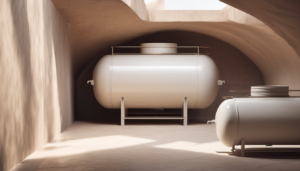




How Often Should You Clean Water Tanks is determined by multiple factors including tank type, water usage patterns, and local environmental conditions. In Dubai’s climate, with high temperatures and airborne sediment, professional assessment typically recommends more frequent cleaning than in milder environments. The answer emerges from understanding your specific water system rather than applying a universal timetable.
Regular water tank maintenance transforms how you experience water in your home or business. There is a noticeable difference when water flows clear, tastes pure, and carries no unusual odours. This clarity comes from following science-backed cleaning schedules that prevent sediment accumulation and microbial growth.
Dubai Municipality Guidelines on How Often Should You Clean Water Tanks
Dubai Municipality provides clear frameworks for water tank maintenance, though specific frequency depends on your property’s characteristics. Commercial establishments and multi-unit residential buildings typically require annual cleaning at minimum, with some high-usage facilities needing more frequent attention. The guidelines emphasise preventive maintenance rather than reactive cleaning after issues emerge.
Municipality standards focus on measurable outcomes rather than fixed schedules. Water quality testing after cleaning verifies that total dissolved solids, pH levels, and microbial counts meet potable water standards. Professional services document these results, creating an audit trail that demonstrates compliance during facility inspections.
How Often Should You Clean Water Tanks Based on Property Type
Villa residents in Dubai typically benefit from water tank cleaning every six to twelve months, depending on household size and water consumption patterns. Families with children often prefer more frequent cleaning to maintain water purity standards. Larger villas with multiple bathrooms and extensive outdoor water usage may require more attention than smaller properties.
Apartment buildings and commercial properties present different considerations for How Often Should You Clean Water Tanks. High-rise buildings with central storage systems serving numerous units need quarterly or biannual cleaning schedules. Property managers coordinate these services to minimise disruption while maintaining consistent water quality across all units.
Labour Accommodations and High-Occupancy Facilities
Labour accommodations and worker residences require particularly vigilant water tank maintenance schedules. High usage volumes and dense occupancy patterns accelerate sediment accumulation and increase contamination risks. Dubai regulations mandate strict compliance for these facilities, with many requiring quarterly professional cleaning and water testing.
Environmental Factors Affecting How Often Should You Clean Water Tanks
Dubai’s climate significantly influences water tank maintenance requirements. High temperatures accelerate algae growth and bacterial proliferation in storage tanks. Sand and dust particles entering through ventilation systems settle as sediment, requiring more frequent removal than in less arid environments.
Seasonal variations also impact cleaning schedules. Summer months with extreme heat and humidity often necessitate more frequent attention, while winter months may allow slightly longer intervals between professional services. Properties near construction sites or in particularly dusty areas require additional filtration and more frequent cleaning cycles.
How Often Should You Clean Water Tanks After Specific Events
Certain events trigger immediate water tank cleaning regardless of regular scheduling. After building renovations or construction work, dust and debris often enter water systems, requiring comprehensive cleaning and disinfection. Power outages that disrupt water circulation also necessitate post-event cleaning to address stagnation issues.
Visible sediment in taps, unusual odours, or changes in water taste indicate immediate cleaning requirements. These signs suggest that the regular maintenance schedule requires adjustment to prevent recurring issues. Professional assessment after such events helps determine whether more frequent cleaning should become the new standard for your property.
Professional Assessment for How Often Should You Clean Water Tanks
Certified water tank specialists conduct thorough assessments to determine optimal cleaning frequency for each property. This evaluation includes inspecting tank conditions, reviewing water usage patterns, and analysing historical maintenance records. The assessment provides property-specific recommendations rather than generic advice.
Saniservice technicians document tank interior conditions using inspection cameras when accessible, noting sediment levels, biofilm accumulation, and any corrosion issues. This visual evidence supports frequency recommendations and helps property owners understand why specific intervals are suggested for their situation.
Water Testing and How Often Should You Clean Water Tanks
Laboratory water testing provides objective data to determine cleaning frequency needs. Regular testing between cleaning sessions helps establish patterns of water quality degradation, allowing professionals to recommend optimal intervals. Parameters like total coliform counts, turbidity, and chlorine residual levels indicate when cleaning becomes necessary.
Properties with consistently stable water quality test results may extend intervals between cleanings, while those showing rapid quality decline require more frequent attention. This data-driven approach replaces guesswork with measurable indicators of maintenance needs.
Maintenance Records and How Often Should You Clean Water Tanks
Comprehensive maintenance documentation helps refine cleaning schedules over time. Service records note pre-cleaning conditions, sediment volume removed, and post-service water test results. This historical data reveals patterns that inform future scheduling decisions.
Property managers use these records to demonstrate compliance during municipal inspections and to justify maintenance budgets. The documentation also provides valuable insights when properties change hands, ensuring new owners understand the water system’s maintenance history and requirements.
Expert Tips for Determining How Often Should You Clean Water Tanks
Begin with professional assessment rather than assuming a standard interval fits all properties. Document all cleaning sessions and water test results to establish patterns specific to your building. Consider increasing frequency during summer months when microbial growth accelerates in Dubai’s climate.
Coordinate cleaning with other building maintenance schedules to minimise disruption and reduce overall costs. Install inspection ports where possible to allow visual monitoring between professional services. Train maintenance staff to recognise early signs that cleaning may be needed ahead of schedule.
Frequently Asked Questions
How often should villa water tanks be cleaned in Dubai?
Dubai villas typically require water tank cleaning every six to twelve months, depending on household size, water usage patterns, and tank conditions. Families with young children or members with sensitive health considerations often prefer more frequent cleaning schedules.
What happens if I don’t clean my water tank regularly?
Infrequent water tank cleaning leads to sediment accumulation, bacterial growth, and potential water quality issues. Over time, this can affect water taste, odour, and clarity, while potentially compromising compliance with Dubai Municipality standards for potable water.
Can I clean my water tank myself instead of hiring professionals?
While basic maintenance is possible, professional water tank cleaning ensures proper disinfection, thorough sediment removal, and compliance with municipal standards. Certified technicians use specialised equipment and approved disinfectants that provide more comprehensive results than DIY methods.
How long does professional water tank cleaning take?
Most residential water tank cleaning services require two to four hours depending on tank size, accessibility, and condition. Commercial properties with larger storage systems may need longer timeframes, typically scheduled during low-usage hours to minimise disruption.
Does building age affect how often I should clean water tanks?
Older buildings often require more frequent water tank cleaning due to accumulated sediment and potential corrosion issues. New constructions may need initial cleaning after completion to remove construction debris before establishing a regular maintenance schedule.
Conclusion
How Often Should You Clean Water Tanks emerges from understanding your specific property characteristics rather than applying universal rules. Professional assessment considers your tank type, usage patterns, and local conditions to recommend optimal maintenance frequency. Regular cleaning maintained through documented schedules ensures consistent water quality that meets Dubai standards and provides peace of mind for residents and property managers alike.