








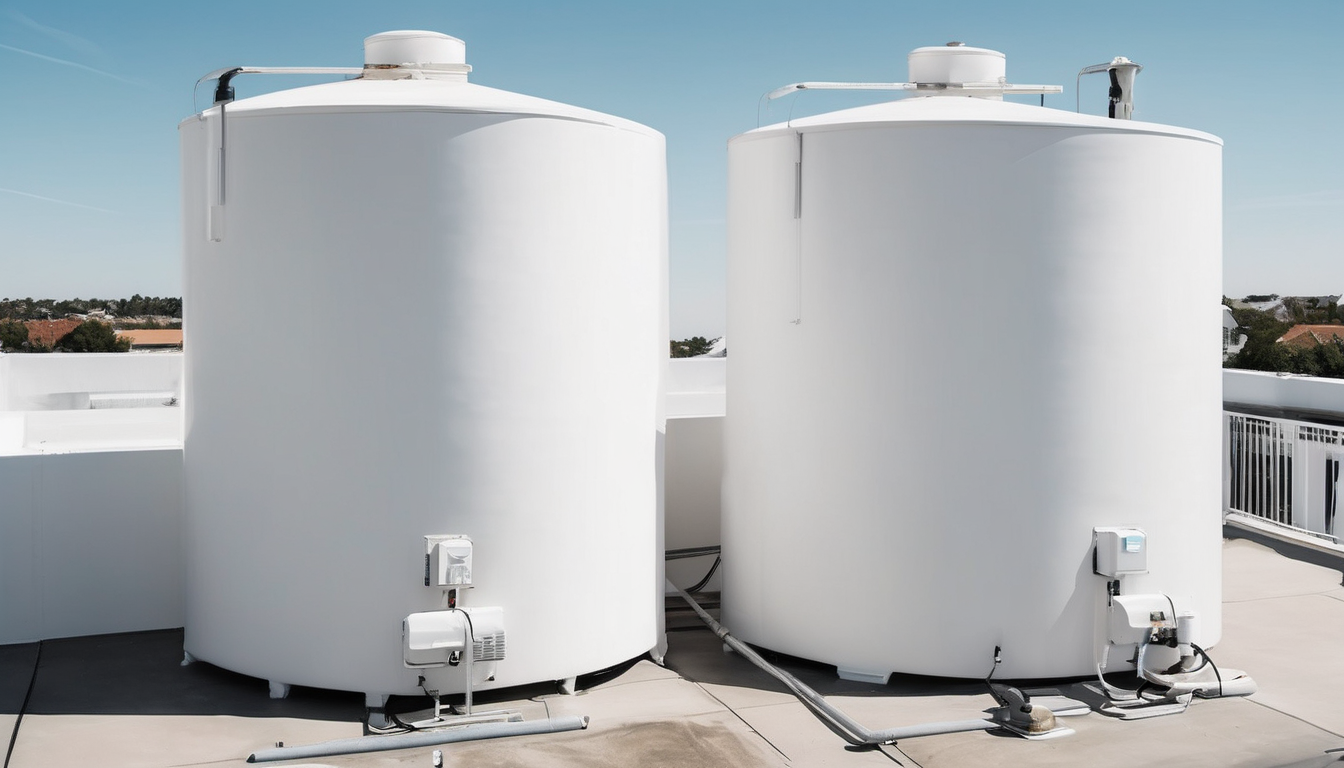

Maintaining clean, safe water storage begins with a thorough rooftop water tank inspection checklist for property water storage. In Dubai’s climate, where high temperatures accelerate bacterial growth and sediment accumulation, regular inspections are not just recommended—they’re essential for protecting your family’s health and ensuring compliance with Dubai Municipality regulations. A comprehensive Rooftop Water Tank inspection checklist for property water storage helps identify potential issues before they become serious problems, from minor cracks that could lead to leaks to contamination that could affect water quality.
This guide provides a detailed Rooftop Water Tank inspection checklist for property water storage that property owners, facility managers, and maintenance teams can use to ensure their water storage systems remain in optimal condition. Whether you’re managing a villa in Arabian Ranches, an apartment building in Downtown Dubai, or a commercial property in Business Bay, implementing a proper rooftop Water Tank Inspection checklist for property water storage is the first step toward maintaining water safety and quality throughout the year.
Understanding Rooftop Water Tank Inspection Checklist for Property Water Storage
A comprehensive rooftop Water Tank Inspection checklist for property water storage serves as a systematic approach to evaluating the condition, safety, and functionality of your water storage system. This essential document guides inspectors through every critical component, ensuring nothing is overlooked during the assessment process. The rooftop water tank inspection checklist for property water storage typically includes sections for exterior structural integrity, interior surface condition, water quality assessment, and compliance documentation.
In Dubai and across the UAE, following a structured rooftop water tank inspection checklist for property water storage is particularly important due to the extreme climate conditions. High temperatures can accelerate the deterioration of tank materials, while dust and sand particles can contaminate water supplies if proper sealing isn’t maintained. The rooftop water tank inspection checklist for property water storage helps identify these climate-specific challenges early, allowing for preventive measures before water quality is compromised.
Property managers should view the rooftop water tank inspection checklist for property water storage as both a maintenance tool and a compliance document. Dubai Municipality requires regular inspections and maintenance of water storage systems, particularly for commercial properties, schools, hospitals, and multi-unit residential buildings. A properly executed rooftop water tank inspection checklist for property water storage provides documented evidence of due diligence in maintaining water safety standards, which can be crucial during municipal inspections or audits.
Rooftop Water Tank Inspection Checklist For Property Water Storage – Essential Rooftop Water Tank Inspection Equipment and Tools
Conducting a thorough inspection requires specific equipment to properly assess all aspects of your water storage system. The basic toolkit for implementing a rooftop water tank inspection checklist for property water storage should include protective gear, measurement devices, sampling equipment, and documentation tools. Safety equipment must include non-slip footwear, harness systems for elevated tanks, gloves, and protective eyewear to ensure inspector safety during the assessment process.
For visual assessment, high-powered torches or waterproof inspection lights are essential for examining tank interiors, especially for larger tanks where natural light may not reach all areas. A digital camera with good resolution helps document conditions before, during, and after inspection, providing visual evidence for your rooftop water tank inspection checklist for property water storage records. Measurement tools should include a digital pH meter, TDS (Total Dissolved Solids) meter, chlorine test strips, and temperature gauges to assess water quality parameters during the inspection.
Specialized equipment for a professional rooftop water tank inspection checklist for property water storage might include underwater cameras for examining submerged surfaces, drone technology for assessing difficult-to-access exterior areas, and water sampling kits that meet Dubai Municipality standards for laboratory analysis. For structural assessments, ultrasonic thickness gauges can measure material thickness without damaging tank surfaces, while moisture meters help detect hidden leaks or saturation in surrounding structures.
Rooftop Water Tank Inspection Checklist For Property Water Storage – Exterior Structural Inspection Checklist for Rooftop Water T
The exterior assessment portion of your rooftop water tank inspection checklist for property water storage focuses on the structural integrity, protective coatings, and surrounding environment of the storage system. Begin with a visual examination of the tank’s exterior surfaces, looking for cracks, rust spots, corrosion, or signs of weathering that could compromise the tank’s integrity. Pay particular attention to welded seams, joints, and connection points where weaknesses often develop first.
Check all access points as part of your rooftop water tank inspection checklist for property water storage, ensuring that manhole covers fit securely and locking mechanisms function properly. Loose or damaged covers can allow contaminants, insects, or small animals to enter the tank, significantly compromising water quality. Inspect the condition of seals and gaskets around access points, as these often degrade faster than the tank itself and require regular replacement to maintain a proper seal.
Evaluate the tank’s support structure and foundation during your rooftop water tank inspection checklist for property water storage assessment. Look for signs of settling, cracking, or corrosion in support legs or platforms that could indicate structural issues. Check for proper drainage around the base of the tank to prevent water accumulation that could lead to corrosion or foundation problems. Ensure overflow pipes and vents are properly screened to prevent insect entry while allowing proper airflow and pressure regulation.
Interior Inspection and Cleaning Assessment Procedures
The interior examination is perhaps the most critical component of any rooftop water tank inspection checklist for property water storage. Before entering the tank, ensure proper ventilation and atmospheric testing has been conducted to guarantee safe oxygen levels and absence of hazardous gases. Once safety is confirmed, carefully examine all interior surfaces for sediment accumulation, biofilm formation, scaling, or corrosion that could affect water quality.
Document the condition of interior coatings and linings as part of your rooftop water tank inspection checklist for property water storage assessment. Look for peeling, blistering, or discoloration of protective coatings that might indicate the need for recoating or repair. Pay special attention to corners, seams, and difficult-to-clean areas where contamination often accumulates. Measure sediment depth at multiple points within the tank to determine the extent of cleaning required.
Inspect all interior components during your rooftop water tank inspection checklist for property water storage evaluation, including baffles, supports, and inlet/outlet configurations. Check for proper positioning of inlet pipes to minimize disturbance of settled sediment, and ensure outlet pipes are positioned correctly to draw from the cleanest water layer. Look for signs of corrosion on metal components or degradation of plastic elements that might require replacement to maintain system integrity.
Water Quality Testing and Analysis During Inspection
Water quality assessment forms a crucial part of any comprehensive rooftop water tank inspection checklist for property water storage. Begin with basic field tests that can be conducted during the inspection itself, including temperature measurement, pH testing, chlorine residual analysis, and turbidity assessment. These immediate measurements provide valuable real-time data about current water conditions and can indicate potential problems that require further investigation.
Collect water samples for laboratory analysis as specified in your rooftop water tank inspection checklist for property water storage protocol. Samples should be taken from multiple points within the tank system, including from the outlet pipe, mid-depth, and near the bottom where sediment accumulates. Use sterile containers provided by accredited laboratories and follow proper chain-of-custody procedures to ensure sample integrity. Testing should include microbiological analysis for coliform bacteria, E. coli, and heterotrophic plate count, as well as chemical analysis for heavy metals and other contaminants.
Compare current readings with previous results and established baselines as part of your rooftop water tank inspection checklist for property water storage analysis. Significant changes in water quality parameters may indicate developing problems that require attention. Document all findings thoroughly, including sampling locations, testing methods, and results interpretation. This historical data becomes increasingly valuable over time, helping identify trends and patterns that might not be apparent from single inspections.
Documentation and Compliance Records for Water Tank Inspection
Proper documentation is essential for both maintenance tracking and regulatory compliance when implementing a rooftop water tank inspection checklist for property water storage. Create a standardized inspection report template that includes all elements of your checklist, with space for observations, measurements, photographs, and corrective action recommendations. This documentation serves as both a working tool during inspections and a permanent record of tank conditions and maintenance history.
Include detailed photographic evidence in your rooftop water tank inspection checklist for property water storage documentation. Photographs should capture overall tank conditions, specific areas of concern, measurement readings, and any corrective actions taken. Date-stamp all images and cross-reference them with written observations in your report. For compliance purposes, maintain records of all laboratory water test results, cleaning and disinfection certificates, and any correspondence with regulatory authorities.
Develop an action tracking system as part of your rooftop water tank inspection checklist for property water storage documentation process. This should clearly identify recommended actions, assigned responsibilities, completion deadlines, and verification of completed work. Maintaining this information in an organized, accessible format ensures that identified issues are properly addressed and provides evidence of proactive maintenance during regulatory inspections or audits by Dubai Municipality officials.
Frequency and Scheduling Considerations for Inspections
Establishing appropriate inspection frequency is a critical aspect of implementing an effective rooftop water tank inspection checklist for property water storage. The ideal schedule depends on multiple factors including tank material, water usage patterns, local environmental conditions, and regulatory requirements. For most properties in the UAE, a comprehensive inspection should be conducted at least quarterly, with more frequent basic checks between formal inspections.
Consider seasonal factors when scheduling your rooftop water tank inspection checklist for property water storage assessments. In Dubai’s climate, the summer months bring increased temperatures that can accelerate bacterial growth and evaporation rates, potentially requiring more frequent monitoring. The spring sandstorm season may necessitate additional inspections to check for dust infiltration and proper sealing of access points. Schedule post-cleaning inspections to verify that maintenance procedures have been properly completed and documented.
Develop trigger-based inspection protocols as part of your rooftop water tank inspection checklist for property water storage program. Certain conditions should prompt immediate inspections regardless of the regular schedule, including changes in water quality (odour, colour, taste), visible leaks or damage, following extreme weather events, or after periods of extended non-use. Document these unscheduled inspections thoroughly and incorporate findings into your overall maintenance planning and compliance records.
Professional vs DIY Inspection Approaches
Property owners must carefully consider whether to conduct rooftop water tank inspection checklist for property water storage assessments themselves or hire professional services. DIY inspections can be appropriate for basic visual checks between professional assessments but lack the comprehensive approach, specialized equipment, and technical expertise that professional inspectors bring to the process. For compliance purposes and thorough assessments, professional inspection services are generally recommended.
Professional inspectors bring several advantages to the rooftop water tank inspection checklist for property water storage process, including specialized training in identifying subtle signs of problems, advanced equipment for precise measurements, and knowledge of current regulatory requirements. They typically provide comprehensive documentation that meets Dubai Municipality standards and can offer expert recommendations for addressing identified issues. Professional services often include follow-up verification to ensure corrective actions have been properly implemented.
For property owners who choose to conduct basic inspections themselves, proper training and equipment are essential for implementing even a simplified rooftop water tank inspection checklist for property water storage. Focus on safety protocols, understand the limitations of visual assessment alone, and establish clear criteria for when professional assistance is required. Even with professional inspections, property managers should maintain basic monitoring between scheduled assessments to identify obvious problems that require immediate attention.
Common Problems and Immediate Actions
Understanding common issues identified during rooftop water tank inspection checklist for property water storage assessments helps property managers recognize problems early and take appropriate action. Sediment accumulation is among the most frequent findings, particularly in areas with hard water or high particulate matter in source water. Immediate action involves scheduling professional cleaning and investigating filtration improvements to reduce future accumulation.
Biological contamination frequently appears on rooftop water tank inspection checklist for property water storage reports, ranging from visible algae growth to bacterial biofilm formation. These issues require immediate disinfection following proper protocols and investigation of contributing factors such as sunlight penetration, temperature conditions, or inadequate chlorine residual. Structural problems like cracks, leaks, or corrosion demand prompt attention to prevent water loss, damage to building structures, and potential contamination entry points.
Maintenance issues often identified during rooftop water tank inspection checklist for property water storage assessments include damaged or missing access covers, deteriorated seals, malfunctioning valves, and improper vent screening. While these may seem minor compared to contamination or structural problems, they can significantly compromise water quality if left unaddressed. Establish clear protocols for prioritizing and addressing identified issues based on risk level and potential impact on water safety.
Expert Tips for Effective Inspections
Implementing these expert recommendations will significantly enhance the effectiveness of your rooftop water tank inspection checklist for property water storage program. First, establish baseline measurements during initial inspections when the tank is known to be in optimal condition, providing reference points for comparing future findings. These baselines should include water quality parameters, sediment levels, coating conditions, and structural measurements.
Second, invest in proper training for anyone involved in conducting rooftop water tank inspection checklist for property water storage assessments, focusing on safety protocols, identification of common problems, and accurate documentation procedures. Even professional inspectors benefit from regular refresher training on new techniques, equipment, and regulatory requirements. Third, maintain consistent inspection methodologies across all assessments to ensure comparable data over time, using standardized forms, equipment, and procedures for every inspection.
Fourth, integrate inspection findings with preventive maintenance planning, using identified trends to anticipate future needs rather than simply reacting to current problems. Finally, establish clear communication protocols for reporting inspection results to relevant stakeholders, including property owners, facility managers, maintenance staff, and regulatory authorities when required. This ensures that identified issues receive appropriate attention and resources for resolution.
Frequently Asked Questions
How often should I complete a rooftop water tank inspection checklist for property water storage? Most properties in Dubai should conduct comprehensive inspections quarterly, with basic visual checks monthly. High-risk facilities like hospitals, schools, and food service establishments may require more frequent assessments according to Dubai Municipality guidelines.
What qualifications should inspectors have for conducting rooftop water tank inspection checklist for property water storage? Professional inspectors should hold relevant certifications in water hygiene, safety training for confined space entry, and specific knowledge of Dubai Municipality requirements. Look for inspectors with documented experience and proper insurance coverage.
Can I conduct basic rooftop water tank inspection checklist for property water storage assessments myself? Property owners can perform visual exterior checks and basic water quality tests, but comprehensive inspections requiring tank entry or specialized equipment should be left to trained professionals to ensure safety and accuracy.
What immediate actions should I take if my rooftop water tank inspection checklist for property water storage reveals contamination? Immediately restrict access to the water supply, notify relevant authorities if required, and arrange for professional cleaning and disinfection. Do not attempt to address significant contamination issues without professional assistance.
How much does professional rooftop water tank inspection checklist for property water storage service cost in Dubai? Professional inspection services typically range from AED 800 to AED 2,500 depending on tank size, accessibility, and additional testing requirements. Comprehensive services including cleaning and disinfection may cost AED 1,500 to AED 4,000.
Implementing a thorough rooftop water tank inspection checklist for property water storage is an essential component of responsible property management in the UAE. Regular, comprehensive assessments help ensure water safety, maintain regulatory compliance, and protect the health of building occupants. By following the guidelines outlined in this article and working with qualified professionals when needed, property owners can maintain optimal water storage conditions year-round.