




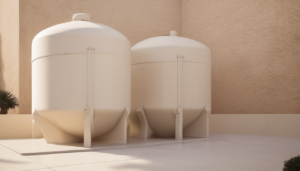
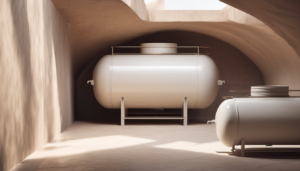
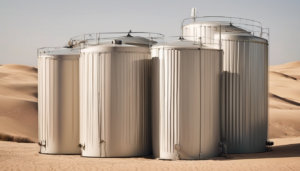



Maintaining clean water storage is one of the most overlooked yet critical aspects of home maintenance in Dubai. With the extreme climate conditions and high sediment levels in the region, water tanks can quickly become breeding grounds for bacteria, algae, and contaminants that affect your family’s health. Understanding proper water tank cleaning frequency guidelines for Dubai homes is not just a maintenance recommendation—it’s a health necessity that protects your drinking water, bathing water, and overall household hygiene.
The unique environmental factors in the UAE make regular water tank maintenance particularly important. High temperatures accelerate bacterial growth, while frequent dust storms introduce sediment and contaminants into water systems. Without proper water tank cleaning frequency guidelines for Dubai homes, residents risk exposure to waterborne illnesses, skin irritations, and unpleasant odours or tastes in their water supply. This comprehensive guide will help you establish the right cleaning schedule for your specific situation.
Following established water tank cleaning frequency guidelines for Dubai homes ensures compliance with Dubai Municipality regulations while protecting your family’s health. Whether you live in a villa with underground tanks, an apartment with overhead storage, or manage a commercial property, these guidelines will help you maintain optimal water quality throughout the year.
Water Tank Cleaning Frequency Guidelines For Dubai Homes – Dubai Municipality Requirements for Water Tank Cleaning
Dubai Municipality has established specific regulations regarding water tank maintenance to ensure public health and safety. While the regulations don’t specify exact intervals for residential properties, they mandate that all potable water tanks must be maintained in a clean, contaminant-free condition. The Dubai Municipality guidelines emphasize that water quality must meet established standards, and tanks showing signs of contamination must be cleaned immediately.
For commercial properties, schools, hospitals, and food service establishments, Dubai Municipality requires more stringent compliance. These facilities typically need quarterly inspections and semi-annual cleaning as part of their health and safety certifications. While residential properties have more flexibility, following professional water tank cleaning frequency guidelines for Dubai homes ensures you meet the spirit of these regulations and maintain water that would pass any municipal inspection.
Property managers and landlords should note that failure to maintain water tanks according to reasonable standards could lead to liability issues if tenants experience health problems related to water quality. Following established water tank cleaning frequency guidelines for Dubai homes demonstrates due diligence and responsible property management.
Water Tank Cleaning Frequency Guidelines For Dubai Homes – Recommended Cleaning Frequency for Different Home Types
The ideal cleaning schedule varies significantly based on your home type and water usage patterns. For standard villas with both underground and overhead tanks, professional cleaning every six months is recommended. This frequency accounts for Dubai’s high sediment load from dust storms and the accelerated bacterial growth in warm conditions. Families with young children, elderly residents, or individuals with compromised immune systems might consider quarterly cleaning for added protection.
Apartment buildings with central water storage systems require more frequent attention due to higher usage volumes and complex piping networks. Building managers should schedule professional cleaning every three to four months, with monthly visual inspections. For smaller apartments with individual tanks, annual professional cleaning is typically sufficient, supplemented by quarterly visual checks for sediment buildup or contamination signs.
Homes that have been unoccupied for extended periods require immediate cleaning before reuse. Stagnant water develops biofilm and bacterial contamination quickly in Dubai’s climate. Similarly, homes that have undergone renovation or construction work need post-construction cleaning to remove plaster, dust, and debris that inevitably enter the water system during building work.
Water Tank Cleaning Frequency Guidelines For Dubai Homes – Factors Affecting Cleaning Frequency
Several factors influence how often you should clean your water tanks beyond the basic recommendations. Tank material plays a significant role—concrete tanks tend to develop more biofilm and require more frequent cleaning than stainless steel or plastic tanks. Tank age is another consideration; older tanks with corrosion, cracks, or worn seals need more frequent attention and inspection.
Water source affects cleaning frequency as well. Homes using municipal water exclusively typically need less frequent cleaning than those supplementing with well water or desalinated water, which may have different mineral compositions. The number of residents in the home directly impacts water turnover rate—homes with higher usage naturally have less stagnation but may accumulate sediment more quickly. This relates directly to Water Tank Cleaning Frequency Guidelines For Dubai Homes.
Environmental factors unique to Dubai significantly impact cleaning needs. The frequency and intensity of sand storms, average temperatures, and humidity levels all contribute to contamination rates. Homes in dust-prone areas or with less protection from environmental elements may need to increase their cleaning frequency during peak summer months when contamination risks are highest.
Signs Your Tank Needs Immediate Cleaning
Certain indicators suggest your water tank needs attention regardless of your scheduled maintenance. Visible sediment in sinks, bathtubs, or drinking water is the most obvious sign that cleaning is overdue. If you notice sand, grit, or particles settling in water containers, your tank likely has significant buildup that requires professional removal.
Unusual tastes or odours in your water often indicate bacterial growth or contamination. A metallic, earthy, or musty smell suggests biological activity in your tank that needs addressing. Similarly, cloudy or discoloured water that doesn’t clear after running for a few minutes indicates possible contamination that requires investigation and cleaning.
Health symptoms among household members can sometimes signal water quality issues. Unexplained stomach upsets, skin irritations, or recurring infections might relate to water contamination, particularly if multiple family members experience similar symptoms. While these signs don’t always originate from water tanks, they should prompt a water quality check and tank inspection.
Health Benefits of Regular Cleaning
Adhering to proper water tank cleaning frequency guidelines for Dubai homes delivers significant health protections for your family. Regular cleaning prevents the buildup of harmful bacteria like E. coli, Legionella, and other waterborne pathogens that thrive in warm, stagnant water. These microorganisms can cause serious gastrointestinal illnesses, respiratory infections, and skin conditions when exposed through drinking, bathing, or inhalation.
Consistent maintenance reduces exposure to heavy metals and sediments that leach from tank walls or enter through environmental contamination. Over time, these contaminants can accumulate in the body and cause long-term health issues. Regular cleaning also prevents biofilm formation—the slimy layer that harbours bacteria and protects them from disinfection efforts.
For families with children, elderly members, or individuals with compromised immune systems, maintaining strict water tank cleaning frequency guidelines for Dubai homes is particularly important. These vulnerable groups are more susceptible to waterborne illnesses and may experience more severe symptoms from exposure to contaminated water. Regular cleaning provides peace of mind that your household water supports rather than compromises health.
Professional vs DIY Cleaning Considerations
While some homeowners consider DIY tank cleaning to save costs, professional services offer significant advantages for implementing proper water tank cleaning frequency guidelines for Dubai homes. Certified technicians have specialized equipment for complete sediment removal, including industrial vacuums that extract sludge from tank bottoms more effectively than manual methods. They also use Dubai Municipality-approved disinfectants at correct concentrations to ensure thorough sanitization without chemical residue.
Professional services include comprehensive inspection components that DIY cleaning typically misses. Technicians check for cracks, leaks, corrosion, and structural issues that could compromise water quality between cleanings. They also verify proper sealing, ventilation, and overflow protection—all critical elements for maintaining clean water storage.
Safety considerations make professional cleaning particularly valuable. Water tank entry requires confined space safety protocols, proper ventilation, and fall protection equipment that most homeowners don’t possess. Professional services carry insurance coverage for any accidents or damages during cleaning, while homeowners assume full liability for DIY attempts. The typical cost of professional cleaning ranges from AED 500 to AED 1,500 depending on tank size and accessibility—a reasonable investment for guaranteed results and safety. When considering Water Tank Cleaning Frequency Guidelines For Dubai Homes, this becomes clear.
Seasonal Considerations for Dubai
Dubai’s distinct seasons should influence your water tank cleaning schedule. The pre-summer period (March-April) is an ideal time for cleaning to prepare for the high-temperature months when bacterial growth accelerates. A thorough cleaning before peak summer ensures your tank starts the challenging season in optimal condition.
The post-sandstorm period often necessitates additional cleaning attention. After significant dust events, increased sediment enters water systems through vents and seals. If your area experiences particularly heavy sand storms, consider scheduling an extra inspection and possibly a cleaning to remove the additional contaminant load.
The rainy season, while brief, can introduce different contamination risks. Rainwater entering through poorly sealed tanks or vents can carry organic matter and pollutants from roof surfaces. Ensure your tank cleaning schedule accounts for these seasonal variations rather than sticking rigidly to a calendar-based approach without considering actual environmental conditions.
Maintenance Between Professional Cleanings
Proper maintenance between professional cleanings extends the effectiveness of each service and maintains water quality. Monthly visual inspections of tank exteriors for cracks, leaks, or pest entry points help identify issues early. Checking that tank lids seal properly and vents are screened prevents contamination between cleanings.
Monitoring water quality through simple observation helps detect problems early. Regularly check for changes in water clarity, taste, or odour—especially after environmental events like sand storms. If you notice any changes, consider scheduling an extra cleaning rather than waiting for your next scheduled appointment. The importance of Water Tank Cleaning Frequency Guidelines For Dubai Homes is evident here.
Maintaining records of cleaning dates, observations, and any issues found creates a valuable history for tracking your tank’s condition. This documentation helps optimize your cleaning schedule based on actual need rather than arbitrary timelines and provides evidence of due diligence should any water quality issues arise.
Expert Tips for Maintaining Optimal Water Tank Hygiene
- Schedule cleaning during moderate weather months to avoid extreme heat working conditions
- Choose early morning appointments when water demand is lowest for minimal disruption
- Request detailed documentation from your cleaning service for maintenance records
- Consider installing additional filtration systems for homes with sensitive individuals
- Ensure proper tank ventilation to reduce humidity and condensation inside tanks
- Keep surrounding areas clean to prevent pest attraction near water storage
- Educate household members about water conservation to reduce stagnation periods
- Establish relationships with reliable professionals for emergency cleaning needs
Frequently Asked Questions
How often should villa water tanks be cleaned in Dubai?
Most villas benefit from professional cleaning every six months, with quarterly cleaning recommended for homes with high usage or vulnerable family members.
Does Dubai Municipality require specific cleaning documentation?
While not mandatory for residences, professional services provide documentation that demonstrates compliance with health and safety standards.
Can I clean my water tank myself instead of hiring professionals?
DIY cleaning is possible but not recommended due to safety risks, incomplete cleaning results, and potential damage to tank components.
What is the ideal time of year for water tank cleaning in Dubai?
Spring (March-April) and autumn (October-November) offer ideal temperatures for thorough cleaning without extreme heat challenges. Understanding Water Tank Cleaning Frequency Guidelines For Dubai Homes helps with this aspect.
How long does the cleaning process typically take?
Most residential tank cleaning requires 2-4 hours depending on tank size, accessibility, and contamination level.
Implementing proper water tank cleaning frequency guidelines for Dubai homes ensures your family enjoys clean, safe water while complying with local health standards. Regular maintenance prevents health issues, extends tank lifespan, and provides peace of mind that your water storage supports rather than compromises your household’s wellbeing. By following these evidence-based recommendations and adjusting for your specific circumstances, you can establish an effective maintenance routine that protects your most essential resource.