


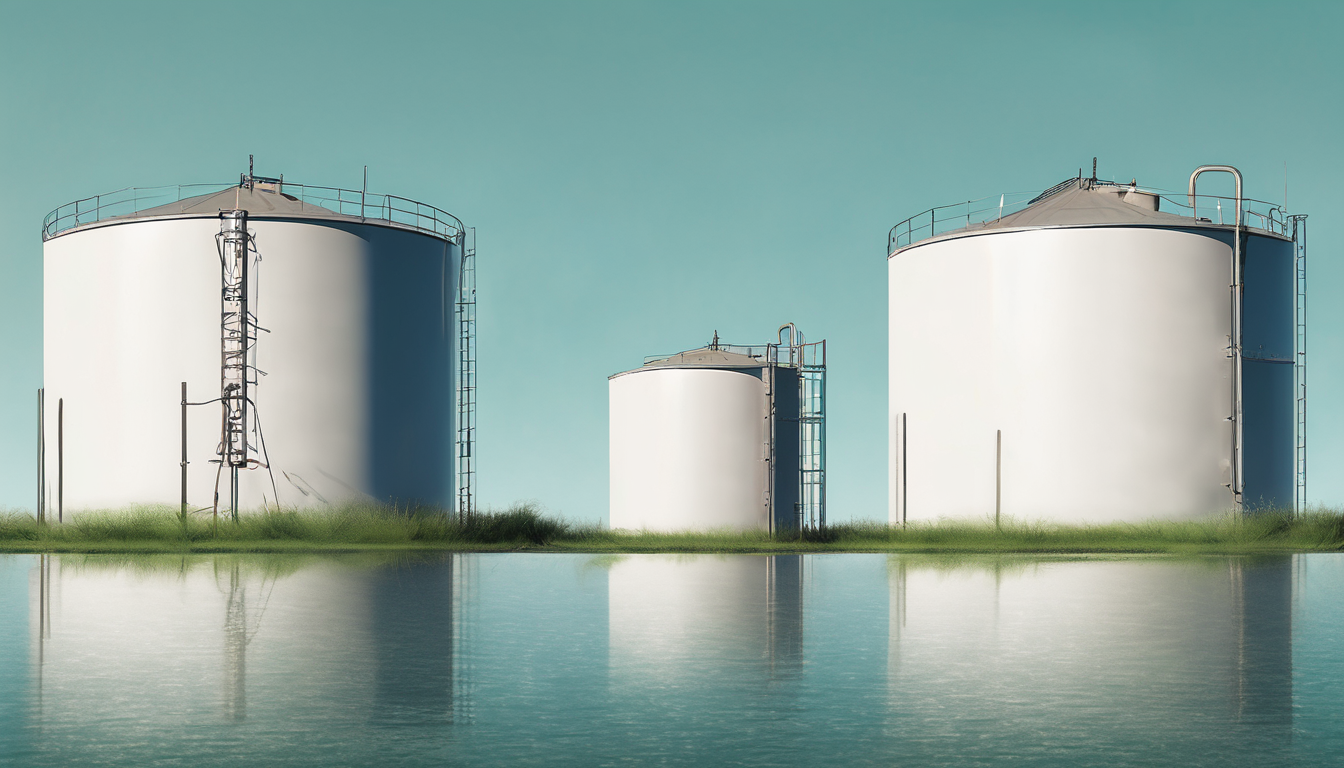

Discovering greenish tint, musty odour, or slimy surfaces in your water tank indicates algae growth, a common challenge for property owners across Dubai, Sharjah, and Abu Dhabi. Preventing Algae Growth in water storage tanks is not just about maintaining water clarity—it’s about ensuring the health and safety of everyone who uses that water. The UAE’s intense sunlight and high temperatures create ideal conditions for algae proliferation, making proactive prevention essential for residential and commercial properties alike.
This comprehensive guide will walk you through understanding why algae forms, the risks it poses, and most importantly, practical strategies for preventing algae growth in water storage tanks. Whether you manage a villa in Arabian Ranches, an apartment building in Dubai Marina, or a commercial facility in Abu Dhabi, these methods will help you maintain clean, safe water throughout the year.
Preventing Algae Growth In Water Storage Tanks – Understanding Algae Growth in Water Tanks
Algae are microscopic organisms that thrive in water environments with sunlight, warmth, and nutrients. In the UAE’s climate, where temperatures regularly exceed 40°C and sunlight is abundant, water tanks become perfect breeding grounds for these organisms. The three primary factors contributing to algae growth are sunlight penetration, warm temperatures, and the presence of nutrients like phosphates and nitrates in the water.
Overhead tanks placed on building rooftops receive direct sunlight throughout the day, while underground concrete tanks may develop small cracks that allow minimal light penetration—enough to trigger algae formation. Even fibreglass and plastic tanks can become translucent over time, allowing sufficient light transmission for algae to photosynthesize and multiply rapidly.
Common Algae Types in UAE Water Tanks
Green algae is the most common type found in UAE water storage systems, appearing as greenish discolouration or slimy biofilm on tank surfaces. Blue-green algae (cyanobacteria) can produce toxins that affect water taste and potentially cause health issues. Brown algae typically indicates more established growth and often accompanies sediment accumulation at the bottom of tanks.
Why Preventing Algae Growth in Water Storage Tanks Matters
Preventing algae growth in water storage tanks goes beyond aesthetic concerns—it directly impacts water quality and safety. Algae-contaminated water develops unpleasant musty or earthy odours and tastes that make it unpalatable for drinking and cooking. The organic matter from algae decomposition provides food for bacteria, potentially leading to secondary contamination and biofilm formation that harbours harmful microorganisms.
From a health perspective, certain algae types can produce compounds that cause skin irritation, gastrointestinal discomfort, or allergic reactions in sensitive individuals. For families with children, elderly residents, or those with compromised immune systems, preventing algae growth in water storage tanks becomes a critical health protection measure. Additionally, algae accumulation can clog pipes and filters, reducing water pressure and increasing maintenance costs for property owners.
Preventing Algae Growth In Water Storage Tanks – Light Exclusion Methods for Preventing Algae
Since algae require sunlight for photosynthesis, completely blocking light entry is one of the most effective strategies for preventing algae growth in water storage tanks. For overhead tanks, consider installing UV-resistant covers or enclosures that shield the tank from direct sunlight. These covers should be made of opaque materials that don’t degrade under the UAE’s intense UV exposure.
For underground concrete tanks, regularly inspect for cracks or openings that might allow light penetration. Even small fissures can admit enough light to support algae growth. Professional sealant applications can effectively block these light entry points. Tank painting with light-blocking, potable-water-safe coatings provides additional protection, especially for older tanks that have become more translucent over time.
Tank Material Considerations
Different tank materials require specific approaches to light exclusion. Concrete tanks benefit from interior epoxy coatings that create a seamless barrier. Plastic and fibreglass tanks may need external wrapping with UV-blocking materials or replacement if they’ve become significantly translucent. Metal tanks should be checked for corrosion points that might create light-entry opportunities.
Regular Cleaning Schedule for Algae Prevention
Establishing a consistent cleaning schedule is fundamental to preventing algae growth in water storage tanks. Dubai Municipality guidelines recommend professional cleaning at least annually, but in high-risk environments or areas with visible algae issues, more frequent cleaning may be necessary. The cleaning process involves complete drainage, manual removal of sediments, scrubbing of interior surfaces, and disinfection with approved chemicals.
Between professional cleanings, property owners should conduct visual inspections every three months, checking for early signs of algae formation, sediment accumulation, or biofilm development. For villas and smaller properties, this might involve using inspection cameras or flashlights to examine tank interiors without complete drainage. Commercial facilities and high-rises should maintain detailed cleaning logs that track service dates, observations, and any corrective actions taken.
Water Quality Monitoring and Treatment
Regular water testing provides early detection of conditions favourable to algae growth. Parameters to monitor include pH levels (ideal range 6.5-8.5), turbidity, and the presence of nutrients like nitrates and phosphates. In the UAE, where desalinated water is common, monitoring total dissolved solids (TDS) helps identify mineral content that might support algal growth.
Chemical treatment options for preventing algae growth in water storage tanks include chlorine-based disinfectants approved by Dubai Municipality for potable water systems. These should be administered by professionals who understand proper dosing, contact time, and safety protocols. UV sterilization systems installed at tank inlets can provide continuous treatment without chemical residues, though they require regular maintenance to ensure effectiveness.
Professional Prevention Services in UAE
Professional water tank cleaning services in Dubai, Abu Dhabi, and Sharjah offer comprehensive solutions for preventing algae growth in water storage tanks. These services typically include inspection, cleaning, disinfection, and preventive treatment using Dubai Municipality-approved methods and chemicals. Professional technicians have the equipment and expertise to safely access and clean tanks of all sizes and types.
At SaniH2O, our preventing algae growth in water storage tanks service includes thorough interior scrubbing, sediment removal, application of algae-inhibiting treatments, and post-service water testing. We document the entire process with photographs and checklists, providing property owners with verification of compliance and service completion. Regular professional maintenance typically costs between AED 800-2,500 depending on tank size and location, representing a valuable investment in water safety.
Effective DIY Prevention Methods
While professional services are recommended for comprehensive preventing algae growth in water storage tanks, property owners can implement several DIY maintenance practices between professional cleanings. These include ensuring tank lids are securely closed and light-proof, regularly checking inlet screens for debris, and monitoring water clarity and odour through tap samples.
For small tanks or temporary measures, food-grade hydrogen peroxide in appropriate dilutions can provide short-term algae control, though this should not replace proper cleaning and disinfection. Installing additional pre-filtration systems can reduce nutrient loading in tanks by removing organic matter before it enters the storage system. Always consult with water treatment professionals before adding any chemicals to potable water systems.
Expert Tips for Long-Term Prevention
Based on 12 years of experience servicing water tanks across the UAE, here are my top professional tips for preventing algae growth in water storage tanks:
- Schedule professional cleaning before summer (April-May) when algae growth accelerates due to increased temperatures
- Install double-layer lids with light-blocking gaskets on overhead tanks
- Use dark-coloured piping for tank overflow and ventilation to prevent light entry
- Maintain water turnover by ensuring regular usage to prevent stagnation
- Consider tank relining if your concrete tank has developed significant porosity
- Keep vegetation trimmed around underground tanks to reduce organic matter input
- Document all maintenance activities for compliance and tracking purposes
- Educate household or building users about reporting water quality changes promptly
Frequently Asked Questions
How often should water tanks be cleaned to prevent algae in Dubai?
Dubai Municipality recommends annual professional cleaning for preventing algae growth in water storage tanks. However, tanks showing visible algae, serving large populations, or located in high-temperature areas may require cleaning every 6-9 months.
Can algae in water tanks make you sick?
While most algae types are not directly pathogenic, they can harbour bacteria, create taste and odour issues, and produce compounds that cause gastrointestinal discomfort or skin irritation in sensitive individuals.
What is the cost of professional algae prevention services in UAE?
Professional preventing algae growth in water storage tanks services typically range from AED 800 for residential villas to AED 2,500+ for large commercial tanks, depending on size, location, and condition.
Are chemical treatments safe for drinking water?
When applied by certified professionals using Dubai Municipality-approved chemicals and proper dosing protocols, disinfectants are safe for potable water systems and effectively prevent algae without compromising water safety.
Can I prevent algae without completely draining my tank?
While some maintenance can be performed without full drainage, comprehensive preventing algae growth in water storage tanks requires complete draining for proper inspection, scrubbing, and disinfection of all surfaces.
Preventing algae growth in water storage tanks is an ongoing process that combines regular maintenance, professional services, and vigilant monitoring. By implementing these strategies, property owners throughout the UAE can ensure their water remains clean, safe, and free from algal contamination. Remember that early intervention is always more effective and economical than dealing with established algae problems, so schedule regular inspections and cleanings to maintain optimal water quality year-round.