


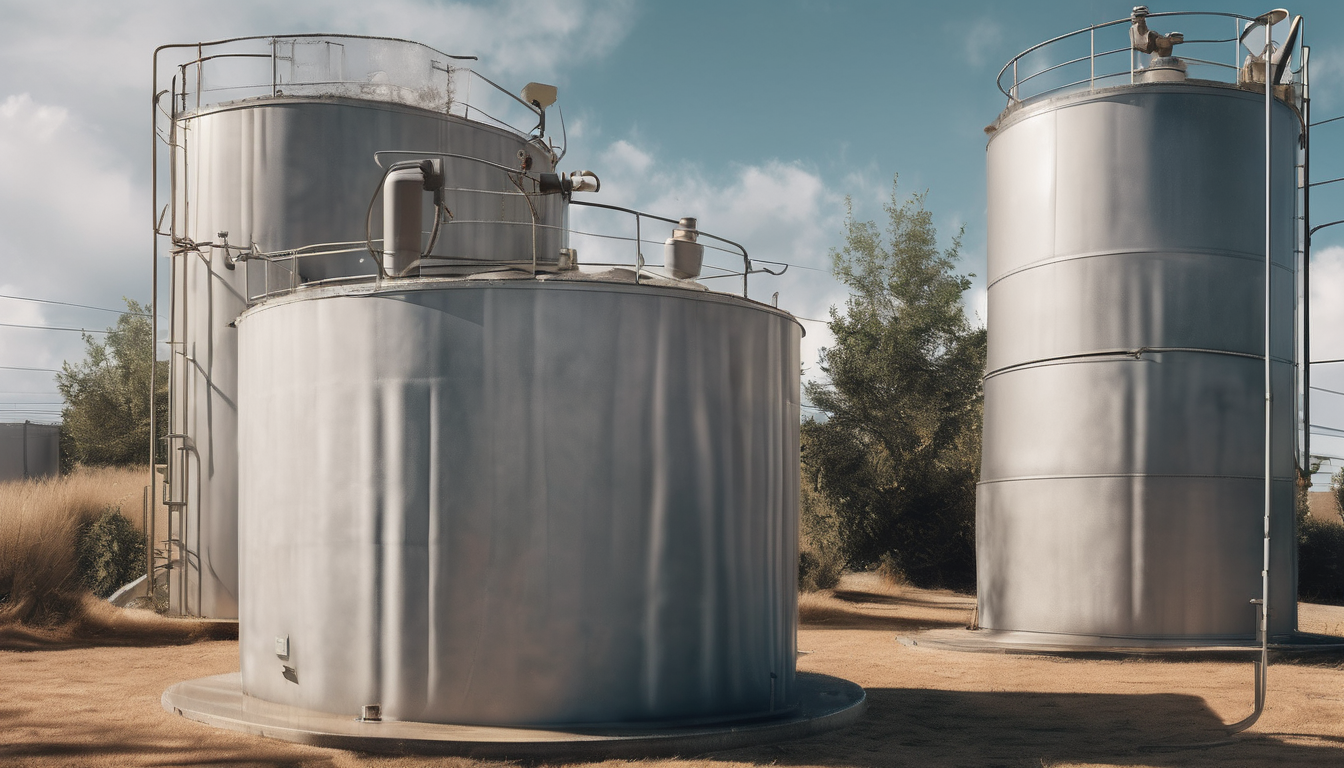

Water tank disinfection methods for odor control are essential for maintaining clean, safe drinking water in UAE households and commercial properties. Unpleasant odours in water often indicate contamination, bacterial growth, or sediment buildup that requires immediate attention. In Dubai’s climate, where high temperatures accelerate bacterial growth and evaporation concentrates contaminants, proper water tank disinfection methods for odor control become particularly crucial for family health and comfort.
This comprehensive guide examines the most effective water tank disinfection methods for odor control available to UAE residents. We’ll explore chemical treatments, physical cleaning techniques, and advanced technologies that eliminate unpleasant smells while ensuring water safety. Understanding these water tank disinfection methods for odor control helps property owners make informed decisions about maintaining their water storage systems according to Dubai Municipality standards.
Water Tank Disinfection Methods For Odor Control – Understanding Water Odour Sources
Before implementing water tank disinfection methods for odor control, it’s crucial to understand what causes unpleasant smells in stored water. The most common odour sources in UAE water tanks include bacterial growth, algae contamination, sediment accumulation, and chemical reactions. Sulphur-reducing bacteria produce that distinctive rotten egg smell, while algae growth creates earthy or musty odours that many Dubai residents encounter during summer months.
Sediment buildup at the bottom of tanks decomposes over time, releasing foul-smelling gases into the water supply. In some cases, chemical interactions between water treatment additives and tank materials can create unusual odours. Proper diagnosis of the odour source determines which water tank disinfection methods for odor control will be most effective. Professional technicians typically begin with water testing to identify the specific contamination type before recommending treatment options.
Water Tank Disinfection Methods For Odor Control: Chemical Disinfection Methods
Chemical treatments represent the most common water tank disinfection methods for odor control in residential and commercial settings. Chlorination remains the gold standard, using Dubai Municipality-approved chlorine compounds to eliminate bacteria, viruses, and algae that cause unpleasant odours. The process involves calculating precise chlorine concentrations based on tank volume, achieving contact time sufficient to destroy microorganisms, then thoroughly rinsing to remove residual chemicals.
Hydrogen peroxide treatments offer an alternative chemical approach among water tank disinfection methods for odor control. This oxidising agent effectively breaks down organic matter and eliminates sulphur bacteria without leaving strong chemical residues. Ozone treatment represents another advanced chemical method that injects ozone gas into water tanks, providing powerful oxidation that destroys odor-causing compounds instantly. Each chemical method requires professional application to ensure safety and effectiveness.
Chlorination Process Details
The chlorination process among water tank disinfection methods for odor control involves precise measurement, application, and neutralisation stages. Technicians calculate chlorine dosage based on tank volume and contamination level, typically using calcium hypochlorite or sodium hypochlorite solutions. After application, water remains in the tank for 6-12 hours to ensure proper disinfection before thorough rinsing and refilling with fresh water.
Water Tank Disinfection Methods For Odor Control: Physical Cleaning Techniques
Physical cleaning forms the foundation of effective water tank disinfection methods for odor control. Manual scrubbing and pressure washing remove the biofilm and sediment where odor-causing bacteria thrive. This mechanical action complements chemical treatments by eliminating the physical substrates that harbour microorganisms. For concrete tanks, aggressive brushing may be necessary to remove embedded contaminants in porous surfaces.
Vacuum extraction represents another physical approach among water tank disinfection methods for odor control. Specialised equipment removes sludge and debris from tank bottoms without stirring up contaminants into the water column. High-pressure jetting with rotating nozzles effectively cleans large storage tanks, reaching corners and edges where manual cleaning might be inadequate. These physical water tank disinfection methods for odor control are typically performed before chemical treatments for maximum effectiveness.
Advanced Odor Control Technologies
Advanced technologies have expanded the range of water tank disinfection methods for odor control available to UAE residents. Ultraviolet (UV) disinfection systems install directly in water lines, exposing flowing water to germicidal UV light that destroys microorganisms without chemicals. These systems provide continuous protection against bacterial regrowth between physical cleanings, making them valuable additions to comprehensive water tank disinfection methods for odor control programs.
Electrochemical activation systems represent cutting-edge water tank disinfection methods for odor control that generate disinfectant solutions on-site through electrolysis. These systems produce hypochlorous acid, a powerful yet safe disinfectant that effectively eliminates odors without chemical storage concerns. Copper-silver ionisation systems release metallic ions into water that disrupt bacterial cellular functions, providing long-lasting protection against odor development in storage tanks.
Dubai Municipality Approved Methods
Dubai Municipality maintains strict guidelines for water tank disinfection methods for odor control in residential and commercial properties. Approved chemical disinfectants must meet specific concentration and safety standards, with chlorine-based treatments being the most commonly authorised approach. Professional service providers must follow documented procedures for application, contact time, and rinsing to ensure complete removal of chemical residues after treatment.
The municipality requires proper disposal of wastewater from cleaning processes, preventing environmental contamination. Documentation of all water tank disinfection methods for odor control services must be maintained for inspection purposes, including before-and-after water test results. Property managers should ensure their service providers follow these regulations to maintain compliance and ensure the safety of their water supply systems.
Comparison of Disinfection Methods
| Method | Effectiveness | Cost (AED) | Duration | Best For |
|---|---|---|---|---|
| Chlorination | Excellent | 800-1,500 | 6-12 hours | All tank types |
| Hydrogen Peroxide | Very Good | 1,000-1,800 | 4-8 hours | Chemical sensitivity |
| UV Systems | Good | 2,500-4,000 | Continuous | Ongoing prevention |
| Ozone Treatment | Excellent | 1,500-2,500 | 2-4 hours | Rapid treatment |
| Manual Cleaning | Essential Base | 600-1,200 | 3-6 hours | All applications |
Expert Tips for Odor Prevention
Beyond specific water tank disinfection methods for odor control, preventive measures significantly reduce odor recurrence. Schedule professional cleaning every 6 months, increasing to quarterly during summer months when bacterial growth accelerates. Ensure tank lids seal properly to prevent insect and debris entry while allowing necessary ventilation. Install mesh screens on overflow pipes and vents to block contamination sources.
Regular visual inspections help identify issues before they cause odor problems. Monitor water clarity and smell between professional cleanings, addressing changes promptly. Maintain records of all cleaning and disinfection activities to track effectiveness and schedule future services. Consider installing additional filtration systems for particularly problematic water sources to complement your water tank disinfection methods for odor control program.
Frequently Asked Questions
How often should I disinfect my water tank for odor control?
Most UAE households require professional water tank disinfection every 6 months. Properties with persistent odor issues or large families may benefit from quarterly treatments, especially during summer months when high temperatures accelerate bacterial growth.
Are chemical disinfectants safe for drinking water?
When properly applied and rinsed according to Dubai Municipality guidelines, chemical disinfectants are completely safe. Professional technicians use approved chemicals at precise concentrations and ensure thorough flushing before returning tanks to service.
Can I perform water tank disinfection myself?
While basic cleaning is possible, proper water tank disinfection methods for odor control require specialised equipment, chemicals, and expertise. Professional services ensure complete contamination removal and compliance with local regulations.
Effective water tank disinfection methods for odor control protect your family’s health and ensure pleasant-tasting water throughout your home. By understanding the available options and implementing a regular maintenance schedule, UAE residents can eliminate unpleasant odors and maintain high water quality standards. Professional services provide the expertise and equipment necessary for comprehensive treatment that addresses both immediate odors and underlying causes.