


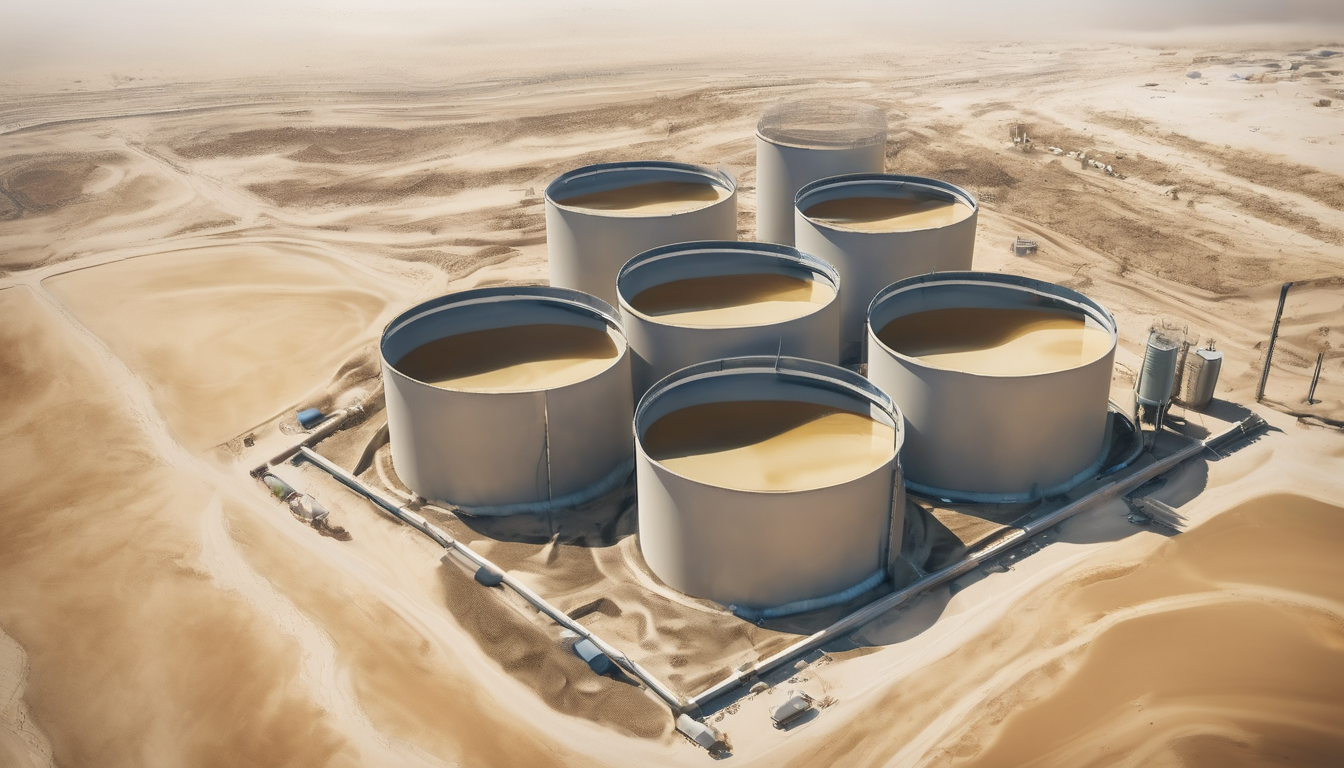

Sediment buildup in water tanks is one of the most common water quality issues faced by residents and property managers across Dubai, Abu Dhabi, and Sharjah. Understanding How to Remove sediment from water tanks properly is essential for maintaining clean, safe drinking water and preventing plumbing damage. The unique climate conditions in the UAE—with high temperatures, frequent dust storms, and mineral-rich groundwater—create ideal conditions for sediment accumulation in both underground and overhead water storage systems.
When you learn how to remove sediment from water tanks correctly, you’re not just improving water clarity; you’re protecting your family’s health, extending your plumbing system’s lifespan, and ensuring compliance with Dubai Municipality hygiene standards. This comprehensive guide will walk you through the professional methods for sediment removal that we’ve perfected over 12 years of servicing water tanks throughout the Northern Emirates.
The process of how to remove sediment from water tanks involves more than just draining and rinsing. It requires specific techniques, approved disinfectants, and proper safety protocols to ensure complete contamination removal without damaging your tank or compromising water quality. Whether you’re dealing with sandy sediment from groundwater, mineral scale from hard water, or organic matter from tank contamination, this guide provides the step-by-step approach that professional cleaning services use across the UAE.
Remove Sediment From Water Tanks – Understanding Sediment Types in UAE Water Tanks
Before learning how to remove sediment from water tanks, it’s crucial to understand what types of sediment commonly accumulate in UAE water storage systems. The most frequent sediment types we encounter include sandy particles from groundwater sources, calcium and magnesium scale from hard water, rust particles from metal tanks or pipes, and organic matter from environmental contamination. Each type requires slightly different approaches when determining how to remove sediment from water tanks effectively.
Sandy sediment is particularly common in areas using well water or groundwater sources, where fine sand particles settle at the bottom of tanks. This type of sediment can be abrasive to plumbing systems and may indicate issues with your water source filtration. Mineral scale, common throughout Dubai and Abu Dhabi due to hard water conditions, appears as white or off-white crusty deposits that can reduce tank capacity and water flow. Understanding these sediment types is the first step in mastering how to remove sediment from water tanks properly.
Identifying Sediment Through Water Symptoms
Homeowners can often identify sediment issues before visible inspection through water symptoms. Cloudy or discoloured water, especially after tank refilling, indicates suspended sediment particles. Gritty texture in water, reduced water pressure from clogged pipes, and unusual tastes or odours can all signal sediment accumulation that needs addressing through proper water tank cleaning procedures.
Remove Sediment From Water Tanks: Safety and Preparation Steps Before Cleaning
Learning how to remove sediment from water tanks begins with thorough safety preparation. Before starting any cleaning procedure, ensure you have appropriate personal protective equipment including gloves, safety goggles, and non-slip footwear. For underground tanks, additional safety measures like proper ventilation and confined space protocols may be necessary. Always have a second person present during cleaning operations for safety monitoring.
Preparation for how to remove sediment from water tanks includes notifying all building occupants about the water interruption schedule, typically requiring 4-6 hours for complete sediment removal and disinfection. Arrange for alternative water supply if necessary, especially for medical facilities or large households. Gather all required equipment including submersible pumps for drainage, high-pressure cleaning systems, approved disinfectants, and inspection tools before beginning the process of how to remove sediment from water tanks.
Remove Sediment From Water Tanks: Step-by-Step Sediment Removal Process
The professional approach to how to remove sediment from water tanks involves a meticulous multi-step process that ensures complete removal without contaminating the clean water supply. Begin by completely draining the tank using a submersible pump, being careful to direct the sediment-rich water away from landscaping or drainage systems. For heavily sedimented tanks, this initial drainage may need to be done slowly to avoid stirring up excessive sediment that could clog the pump.
After drainage, enter the tank carefully (only if safe and properly ventilated) and remove visible sediment using shovels, scrapers, or wet-dry vacuums specifically designed for water tank cleaning. The technique for how to remove sediment from water tanks requires working from the entrance toward the back to avoid tracking sediment through cleaned areas. For stubborn mineral deposits, mechanical scrubbing with stiff brushes may be necessary before the final rinsing phase of how to remove sediment from water tanks.
Professional Cleaning Methods and Equipment
Professional services offering how to remove sediment from water tanks typically use specialised equipment that provides more thorough cleaning than household methods. High-pressure water jets operating at 100-150 bar effectively dislodge stubborn sediment without damaging tank surfaces. For concrete tanks, rotating brush systems with vacuum extraction ensure complete sediment removal from porous surfaces where particles can become embedded.
Many professional approaches to how to remove sediment from water tanks incorporate vacuum tanker trucks that simultaneously remove water and sediment, significantly reducing cleaning time and improving efficiency. This equipment is particularly valuable for large commercial tanks or heavily sedimented systems where manual removal would be impractical. The investment in professional equipment reflects the importance of proper sediment removal in maintaining water quality and system longevity.
Post-Cleaning Inspection and Water Testing
After completing the process of how to remove sediment from water tanks, thorough inspection and testing are essential before returning the tank to service. Visually inspect all surfaces for remaining sediment, paying particular attention to corners, seams, and around fittings where particles can accumulate. Use bright lighting and sometimes mirrors to examine difficult-to-see areas that might retain contamination.
Water testing forms a critical part of verifying successful sediment removal. Professional services typically test for turbidity (cloudiness), total dissolved solids, and bacterial contamination after cleaning. In Dubai, this testing often follows Dubai Municipality guidelines to ensure compliance with potable water standards. Only when water tests confirm acceptable quality levels should the tank be returned to regular service, completing the full cycle of how to remove sediment from water tanks properly.
Preventing Future Sediment Buildup
Understanding how to remove sediment from water tanks is only half the solution; preventing future accumulation is equally important. Regular inspection schedules—typically every 6 months for residential tanks and quarterly for commercial systems—help identify sediment issues before they become severe. Installing appropriate pre-filtration systems can significantly reduce sediment entering the tank, particularly for properties using groundwater sources.
Proper tank design and maintenance also play crucial roles in sediment prevention. Ensuring tanks have smooth, non-porous interiors, adequate covers to prevent environmental contamination, and regular professional cleaning all contribute to reducing sediment accumulation. Many property managers in the UAE establish annual maintenance contracts that include scheduled sediment removal as part of comprehensive water system management.
Expert Tips for Effective Sediment Removal
Based on 12 years of experience with how to remove sediment from water tanks across thousands of UAE properties, here are our professional recommendations for optimal results. First, always schedule cleaning during cooler parts of the day to improve working conditions and reduce water evaporation during the process. Second, use Dubai Municipality-approved disinfectants after sediment removal to ensure complete microbial control, as sediment often harbours bacteria.
Third, consider installing sediment traps or filters on inlet pipes to capture particles before they enter the tank. Fourth, document each cleaning with photos and notes about sediment quantity and type—this history helps identify patterns and potential source issues. Finally, for severe sediment problems, consult with water quality specialists who can analyse your specific situation and recommend targeted solutions beyond basic cleaning procedures.
Frequently Asked Questions
How often should I remove sediment from my water tank? Most residential tanks in Dubai require sediment removal every 6-12 months, depending on water source and usage. Commercial properties with higher water consumption may need quarterly cleaning to maintain optimal water quality and system performance.
Can sediment in water tanks cause health problems? While sediment itself may not directly cause illness, it can harbour bacteria and other microorganisms that pose health risks. Sediment also reduces disinfectant effectiveness, potentially allowing harmful pathogens to survive In Drinking Water systems.
What does professional sediment removal typically cost in the UAE? Costs for professional how to remove sediment from water tanks services range from AED 500-1500 for residential tanks depending on size and sediment levels. Commercial system cleaning typically costs AED 1500-5000 based on tank capacity and accessibility.
Mastering how to remove sediment from water tanks is essential for maintaining clean, safe water in UAE properties. By following these professional procedures and scheduling regular maintenance, you can ensure your water storage system remains sediment-free and fully functional for years to come. For severe sediment issues or complex tank systems, always consult with professional cleaning services experienced with Dubai Municipality standards and requirements.