


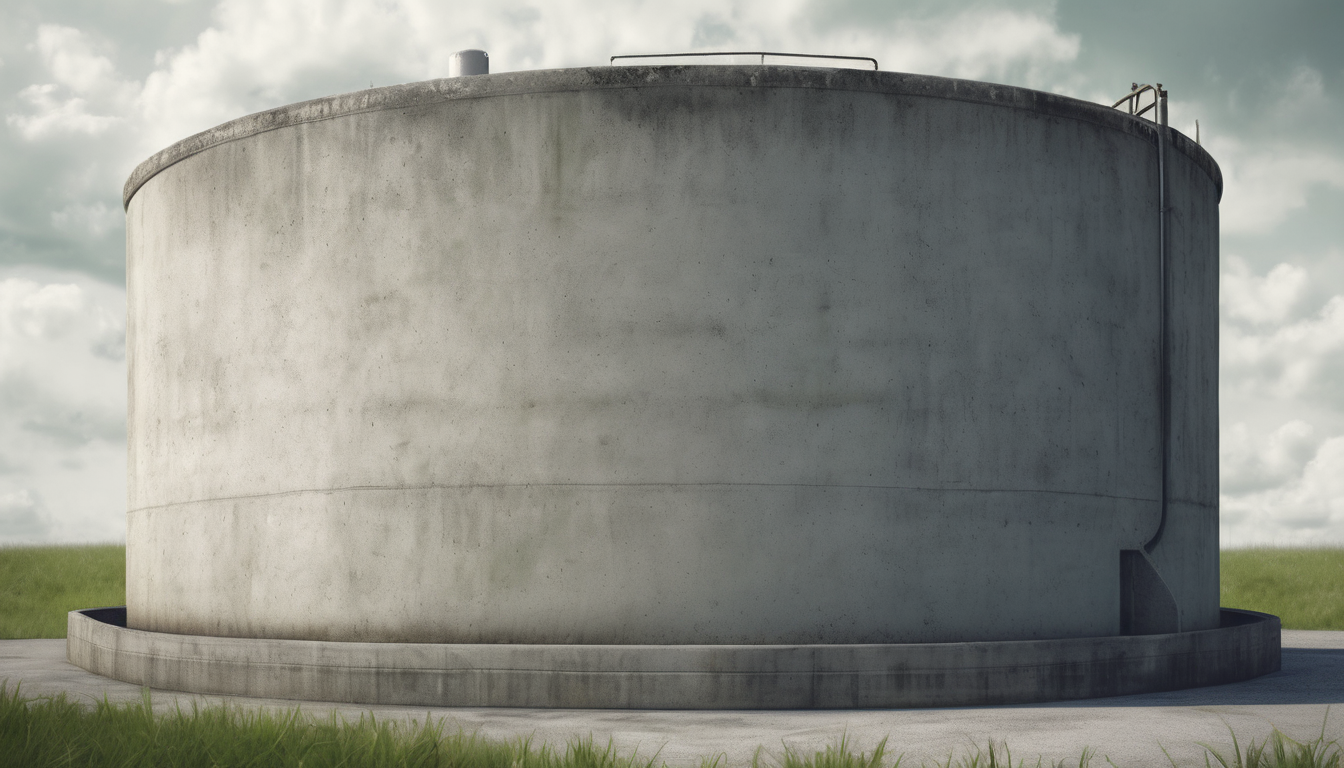

Preventing Algae Growth in concrete water tanks is essential for maintaining clean, safe drinking water in Dubai’s challenging climate. The combination of intense sunlight, high temperatures, and humidity creates ideal conditions for algae to flourish in water storage systems. When algae develops in concrete tanks, it can cause unpleasant odours, strange tastes, and potential health concerns for families and building occupants.
As a water tank cleaning specialist with over 12 years of experience in Dubai and the Northern Emirates, I’ve seen firsthand how proper preventive measures can completely eliminate algae problems. Preventing algae growth in concrete water tanks requires a systematic approach that includes regular cleaning, proper disinfection, and ongoing maintenance. The porous nature of concrete surfaces makes them particularly susceptible to algae attachment and growth, which is why specialized techniques are necessary.
This comprehensive guide will walk you through everything you need to know about preventing algae growth in concrete water tanks. We’ll cover the science behind algae formation, Dubai Municipality-approved cleaning methods, effective disinfection techniques, and maintenance strategies that keep your water clean and safe year-round. Whether you’re a villa owner, property manager, or facility supervisor, understanding these principles will help you maintain optimal water quality.
Preventing Algae Growth In Concrete Water Tanks – Understanding Algae Formation in Concrete Tanks
Preventing algae growth in concrete water tanks begins with understanding how and why algae develops in these environments. Algae are simple aquatic organisms that thrive in sunlight, warm temperatures, and nutrient-rich water. Concrete tanks provide an ideal surface for algae attachment due to their porous nature, which allows microscopic organisms to anchor themselves firmly to the tank walls and floor.
In Dubai’s climate, where temperatures frequently exceed 40°C during summer months, water temperatures in exposed tanks can rise significantly, creating perfect breeding conditions for algae. The problem is particularly pronounced in overhead concrete tanks that receive direct sunlight, but even underground tanks can develop algae if proper precautions aren’t taken. Nutrients enter the water system through various sources, including dust particles, decaying organic matter, and mineral deposits from the water supply itself.
The most common types of algae found in concrete water tanks include green algae, blue-green algae (cyanobacteria), and in some cases, black algae. Each type presents different challenges for prevention and removal. Green algae typically forms slimy green layers on tank surfaces, while blue-green algae can release toxins that affect water quality. Black algae is particularly difficult to remove once established, as it penetrates deep into concrete pores.
Preventing Algae Growth In Concrete Water Tanks – Professional Cleaning Methods for Preventing Algae
Professional water tank cleaning is the foundation of preventing algae growth in concrete water tanks. The cleaning process must be thorough and systematic to remove all existing algae and prevent regrowth. As per Dubai Municipality guidelines, the cleaning process begins with complete drainage of the tank, followed by manual scrubbing of all interior surfaces using stiff-bristled brushes designed for concrete surfaces.
For effective preventing algae growth in concrete water tanks, technicians use specialised cleaning solutions that break down algae without damaging the concrete or contaminating the water supply. These solutions are specifically formulated to penetrate concrete pores where algae spores can hide. The cleaning process includes attention to corners, joints, and overhead areas where algae tends to accumulate most heavily. After scrubbing, all debris and loosened algae are removed through vacuum extraction or manual removal.
High-pressure washing is another effective method for preventing algae growth in concrete water tanks, but it must be performed carefully to avoid damaging the concrete surface. The pressure must be sufficient to remove algae but not so high that it erodes the concrete or drives algae deeper into pores. Professional cleaning services in Dubai typically use pressure between 1,500-2,000 PSI with rotating nozzles that ensure complete coverage of all surfaces.
Preventing Algae Growth In Concrete Water Tanks – Effective Disinfection Techniques for Concrete Tanks
After thorough cleaning, disinfection is critical for preventing algae growth in concrete water tanks. Disinfection eliminates any remaining algae spores and prevents regrowth between cleaning cycles. Dubai Municipality-approved disinfectants are specifically formulated to be effective against algae while remaining safe for potable water systems. The most common disinfectant used is chlorine-based, typically sodium hypochlorite, at concentrations carefully calculated based on tank volume and water chemistry.
The disinfection process for preventing algae growth in concrete water tanks involves applying the disinfectant solution to all interior surfaces and allowing sufficient contact time for complete effectiveness. This dwell time typically ranges from 30 minutes to 2 hours, depending on the product concentration and algae severity. The solution must reach every part of the tank, including overflow pipes, ventilation systems, and access points where algae might persist.
After the required contact time, the tank is thoroughly rinsed with clean water to remove any residual disinfectant. Water quality testing is then conducted to ensure chlorine levels are within safe drinking water standards (typically 0.2-0.5 mg/L). This testing is an essential part of preventing algae growth in concrete water tanks, as it verifies that the disinfection process was successful without compromising water safety.
Preventive Maintenance Strategies for Algae Control
Regular maintenance is crucial for preventing algae growth in concrete water tanks between professional cleanings. The frequency of maintenance depends on several factors, including tank location, water usage patterns, and environmental conditions. For most residential concrete tanks in Dubai, we recommend visual inspections every three months and comprehensive cleaning every six months to ensure effective algae prevention.
One of the most effective strategies for preventing algae growth in concrete water tanks is controlling light exposure. For overhead tanks, installing proper covers or shading systems can significantly reduce algae growth by limiting sunlight penetration. Lightproof covers made of food-grade materials are particularly effective, as they completely block sunlight while maintaining ventilation. For underground tanks, ensuring proper sealing of access points prevents light entry and dust contamination.
Water circulation is another important factor in preventing algae growth in concrete water tanks. Stagnant water provides ideal conditions for algae development, so implementing circulation systems or scheduling regular water turnover can help maintain water quality. For tanks that experience low usage, installing automatic mixing systems or scheduling periodic water refreshment can prevent stagnation and algae formation.
Dubai Municipality Guidelines for Tank Maintenance
Following Dubai Municipality guidelines is essential for properly preventing algae growth in concrete water tanks. The municipality has established specific protocols for water tank cleaning and disinfection that all property owners and service providers must follow. These guidelines ensure that preventing algae growth in concrete water tanks is done safely and effectively without compromising public health or water quality.
The Dubai Municipality requires that all water tank cleaning companies be licensed and their technicians trained in approved procedures. The chemicals used for preventing algae growth in concrete water tanks must be registered with the municipality and approved for potable water systems. Documentation of each cleaning service, including before-and-after photos, chemical usage records, and water test results, must be maintained for inspection purposes.
Regular inspections by Dubai Municipality officials may include checking for proper tank maintenance records, water quality test results, and overall tank condition. Properties found non-compliant with algae prevention guidelines may face penalties or mandatory corrective actions. Following these guidelines not only ensures effective preventing algae growth in concrete water tanks but also protects property owners from compliance issues.
Common Mistakes to Avoid in Algae Prevention
Many property owners make avoidable mistakes when attempting preventing algae growth in concrete water tanks. One common error is using inappropriate cleaning chemicals that can damage concrete surfaces or leave harmful residues. Household bleach or industrial cleaners not approved for potable water systems should never be used for preventing algae growth in concrete water tanks, as they can contaminate the water supply and damage tank infrastructure.
Another mistake is inadequate rinsing after disinfection, which can leave chemical residues that affect water taste and safety. Proper preventing algae growth in concrete water tanks requires thorough rinsing with clean water and verification through water testing. Similarly, incomplete cleaning that misses corners, joints, or overhead areas allows algae to quickly regrow and spread throughout the tank.
Neglecting regular maintenance schedules is perhaps the most common mistake in preventing algae growth in concrete water tanks. Many property owners wait until visible algae appears or water quality issues arise before scheduling cleaning. By this point, algae may have already established deep roots in the concrete, requiring more extensive cleaning and disinfection. Regular preventive maintenance is far more effective and cost-efficient than reactive cleaning after problems develop.
Expert Tips for Long-Term Algae Prevention
Based on my 12 years of experience with preventing algae growth in concrete water tanks, here are my top professional recommendations for long-term success:
- Schedule professional cleaning every six months for residential tanks and quarterly for commercial or high-usage tanks
- Install lightproof covers on all overhead concrete tanks to eliminate sunlight penetration
- Maintain proper ventilation while preventing light entry through screened ventilation systems
- Monitor water quality regularly with simple test kits for chlorine levels and pH balance
- Address any cracks or surface damage in concrete tanks promptly to prevent algae anchoring points
- Ensure proper tank overflow protection to prevent insect and debris entry
- Keep accurate records of all maintenance activities for Dubai Municipality compliance
- Work with licensed professionals who use Dubai Municipality-approved chemicals and methods
Implementing these tips will significantly improve your success with preventing algae growth in concrete water tanks and maintaining clean, safe water for your family or building occupants.
Frequently Asked Questions
How often should concrete water tanks be cleaned to prevent algae?
For effective preventing algae growth in concrete water tanks, we recommend professional cleaning every six months for residential properties and every three months for commercial buildings or properties with high water usage. In Dubai’s climate, more frequent cleaning may be necessary during summer months when temperatures are highest.
Can I use household bleach for preventing algae growth in my concrete tank?
No, household bleach is not recommended for preventing algae growth in concrete water tanks. Dubai Municipality requires the use of specific potable water-approved disinfectants that are effective against algae while maintaining water safety. Household products may contain additives or concentrations that are unsuitable for drinking water systems.
What are the health risks associated with algae in water tanks?
Algae in water tanks can cause unpleasant tastes and odours, and some types of blue-green algae can produce toxins that may cause gastrointestinal issues or skin irritation. Preventing algae growth in concrete water tanks is essential for maintaining water that is safe for drinking, cooking, and bathing.
How much does professional algae prevention service cost in Dubai?
The cost for professional preventing algae growth in concrete water tanks services in Dubai typically ranges from AED 800 to AED 2,500 depending on tank size, accessibility, and algae severity. Regular maintenance contracts often provide better value than emergency cleaning services.
Preventing algae growth in concrete water tanks requires consistent attention and professional expertise, but the results—clean, safe water and peace of mind—are well worth the investment. By following these guidelines and working with qualified professionals, you can ensure your water storage system remains algae-free and compliant with Dubai Municipality standards.