


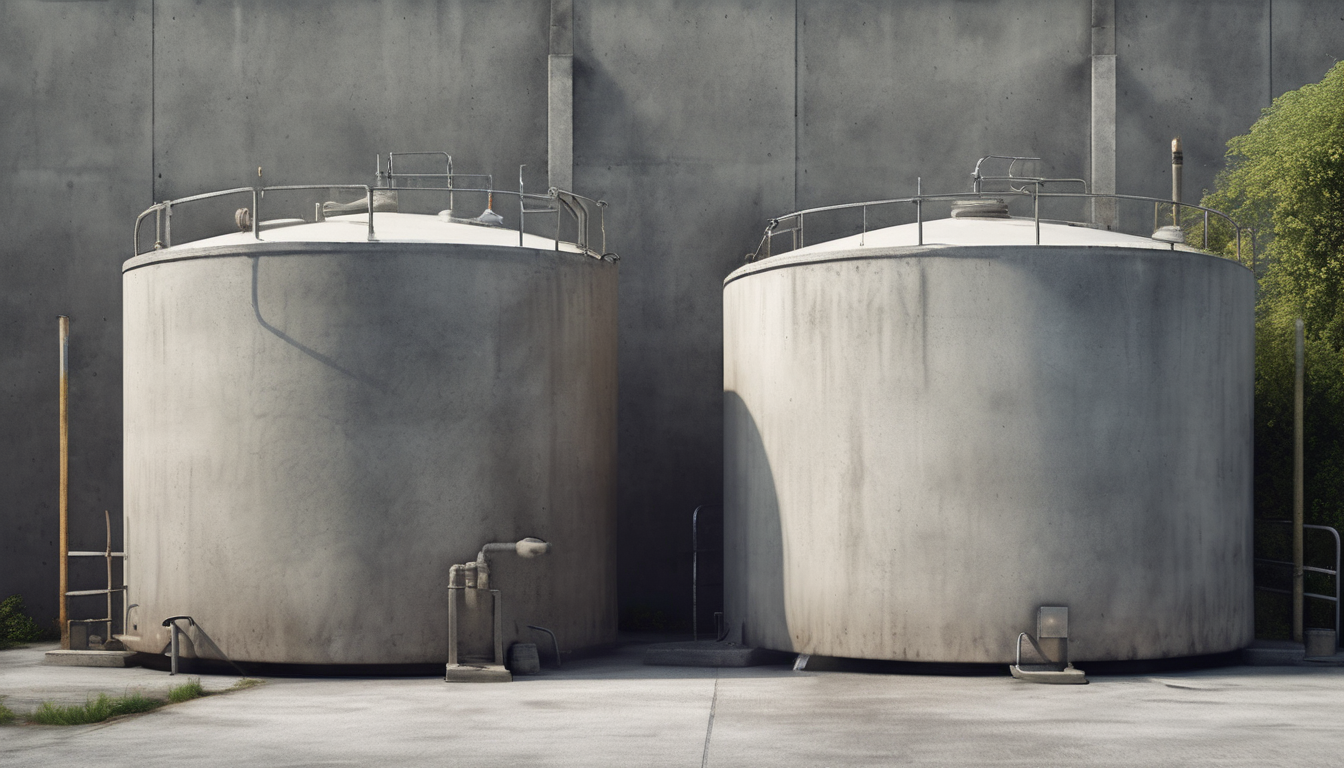

Concrete water tanks are the backbone of water storage across Dubai, Abu Dhabi, and Sharjah, providing essential water supply to homes, buildings, and commercial properties. However, their porous nature and the region’s harsh climate create unique challenges for maintaining water hygiene. Learning How to Clean concrete water tanks properly is not just a maintenance task—it’s a critical health responsibility for every property owner and manager.
In my 12 years of water tank cleaning experience across the UAE, I’ve seen how improper cleaning methods can lead to serious contamination issues, from sediment buildup and bacterial growth to algae formation and compromised water quality. The Dubai heat accelerates these problems, making regular professional cleaning essential for family safety and regulatory compliance.
This comprehensive guide will walk you through the exact process we use for how to clean concrete water tanks properly, following Dubai Municipality guidelines and using approved disinfectants. Whether you’re maintaining a villa tank in Arabian Ranches or a commercial tank in Business Bay, these methods ensure your water remains safe, clean, and free from contaminants.
Clean Concrete Water Tanks Properly – Essential Preparation for Concrete Tank Cleaning
Proper preparation is the foundation of how to clean concrete water tanks properly. Before beginning any cleaning process, we conduct a thorough risk assessment and gather all necessary equipment. This includes personal protective equipment (gloves, masks, safety harnesses), cleaning tools (stiff brushes, vacuum pumps, pressure washers), and Dubai Municipality-approved disinfectants.
We first notify all building residents about the scheduled water interruption, typically arranging early morning cleaning to minimise disruption. The water supply is then isolated at the main valve, and electrical connections to pumps are disconnected for safety. For underground tanks, we ensure proper ventilation using portable blowers before entry, checking oxygen levels and potential gas buildup.
The concrete surface inspection is crucial—we look for cracks, leaks, and structural damage that might require repair before cleaning. This preparatory phase ensures the entire process of how to clean concrete water tanks properly proceeds safely and efficiently, preventing cross-contamination and ensuring complete cleaning coverage.
Step-by-Step Process for How to Clean Concrete Water Tanks Properly
The actual process of how to clean concrete water tanks properly follows a meticulous 11-step procedure that we’ve refined over thousands of cleaning operations across the UAE. Each step is designed to remove contaminants while maintaining structural integrity and ensuring water safety.
Draining and Initial Cleaning
We begin by completely draining the tank, directing wastewater to appropriate drainage systems to prevent environmental contamination. Once empty, our technicians enter the tank (with proper safety gear) to remove visible debris, sediment, and sludge using specialised vacuum pumps and manual tools.
Mechanical Cleaning and Scrubbing
Concrete surfaces require vigorous mechanical cleaning to remove biofilm and stubborn deposits. We use stiff-bristled brushes and low-pressure washers (not exceeding 1000 psi to avoid damaging concrete) to scrub all interior surfaces—walls, floor, and ceiling. This mechanical action is essential for how to clean concrete water tanks properly as it removes the protective layer that harbours bacteria.
Rinsing and Inspection
After scrubbing, we thoroughly rinse all surfaces with clean water, ensuring all loosened debris is removed. A post-cleaning inspection identifies any remaining problem areas that need additional attention before disinfection begins.
Clean Concrete Water Tanks Properly – Dubai Municipality Guidelines for Tank Disinfection
Understanding Dubai Municipality guidelines is crucial for how to clean concrete water tanks properly. The DM requires specific chlorine concentrations, contact times, and documentation for all potable water tank cleaning operations. We maintain detailed records of each cleaning service, including pre-and post-cleaning water test results.
The approved disinfection process involves applying chlorine solution at precisely 50 parts per million (ppm) concentration, ensuring complete coverage of all interior surfaces. The solution must remain in contact with surfaces for at least 30 minutes—this dwell time is critical for effective pathogen elimination. After disinfection, we thoroughly rinse the tank until chlorine levels in rinse water drop below 0.5 ppm.
Final water testing confirms the tank meets Dubai Municipality standards for potable water before being returned to service. This compliance-focused approach to how to clean concrete water tanks properly ensures your property meets all regulatory requirements and passes routine DM inspections.
Safe Chemical Usage for Concrete Tank Cleaning
Selecting appropriate chemicals is a critical aspect of how to clean concrete water tanks properly. We use only Dubai Municipality-approved disinfectants, primarily calcium hypochlorite or sodium hypochlorite solutions, at carefully controlled concentrations. These chemicals effectively eliminate bacteria, viruses, and other pathogens without damaging the concrete structure or leaving harmful residues.
The chemical application process involves precise measurement using calibrated equipment—we never estimate concentrations. For concrete tanks, we avoid acidic cleaners that can degrade the surface and increase porosity. After disinfection, we perform multiple rinsing cycles until water tests confirm no chemical residues remain.
Safety data sheets for all chemicals are maintained on-site, and our technicians are trained in proper handling, mixing, and emergency procedures. This disciplined approach to chemical usage ensures the process of how to clean concrete water tanks properly is both effective and safe for your water supply.
Preventing Algae Growth in Concrete Water Tanks
Preventing algae growth is an essential component of how to clean concrete water tanks properly, especially in the UAE’s sunny climate. Algae thrive in sunlight-exposed tanks with nutrient-rich water, creating green discolouration and unpleasant tastes. Our cleaning process includes specific anti-algae measures.
We recommend installing proper tank covers that block sunlight while allowing ventilation. During cleaning, we use algae-static additives that inhibit growth without affecting water quality. Regular maintenance cleaning prevents nutrient buildup that feeds algal growth.
For tanks with persistent algae problems, we apply specialised non-toxic algaecides as part of the disinfection process. These preventive measures, combined with regular professional cleaning, ensure your concrete tank remains algae-free between service intervals.
Professional vs DIY Concrete Tank Cleaning
While some property owners attempt DIY cleaning, understanding the differences in approach is key to how to clean concrete water tanks properly. Professional services bring specialised equipment, Dubai Municipality compliance knowledge, and insurance coverage that DIY methods cannot match.
We use industrial-grade vacuum pumps, pressure washers, and water testing equipment that typically costs over AED 15,000—equipment that isn’t practical for individual owners. Our technicians are trained in confined space entry procedures and chemical safety, reducing accident risks.
Perhaps most importantly, professional services provide documentation for Dubai Municipality inspections, which DIY cleaning cannot offer. For complete peace of mind and regulatory compliance, professional cleaning is the recommended approach for how to clean concrete water tanks properly.
Maintenance Schedule for Concrete Water Tanks
Establishing a proper maintenance schedule is the final aspect of how to clean concrete water tanks properly. Dubai Municipality recommends cleaning every 6 months for residential tanks and quarterly for commercial and high-usage facilities. However, specific schedules should consider usage patterns, water quality, and environmental factors.
We recommend more frequent cleaning (every 3-4 months) for tanks serving large families, children, or individuals with compromised immune systems. Commercial kitchens, medical facilities, and schools should maintain quarterly cleaning schedules with monthly visual inspections.
Between professional cleanings, property owners should conduct monthly visual checks for sediment, discolouration, or odour changes. This proactive approach to how to clean concrete water tanks properly ensures continuous water safety and identifies potential issues before they become serious problems.
Expert Tips for Concrete Water Tank Maintenance
Based on my extensive experience with how to clean concrete water tanks properly, here are eight expert tips for maintaining your water storage system:
- Schedule professional cleaning before summer peak heat periods when bacterial growth accelerates
- Install insect-proof vents and secure covers to prevent contamination entry
- Monitor water clarity and odour monthly between professional cleanings
- Keep surrounding areas clean and free from debris that could enter tanks
- Address minor cracks immediately to prevent structural issues and contamination
- Maintain accurate cleaning records for Dubai Municipality inspection readiness
- Consider installing sediment filters after tank outlet for additional protection
- Educate household or building users about water conservation to reduce tank stagnation
Concrete Water Tank Cleaning FAQ
How often should concrete water tanks be cleaned in Dubai?
Dubai Municipality recommends cleaning every 6 months for residential tanks and quarterly for commercial properties. However, tanks in high-temperature areas or serving vulnerable populations may require more frequent cleaning.
What makes concrete tanks different from other tank types for cleaning?
Concrete’s porous surface requires more vigorous mechanical cleaning to remove embedded contaminants. The material also reacts differently to chemicals, requiring specific disinfectants that won’t degrade the surface.
Can I stay in my home during tank cleaning?
Yes, professional cleaning typically causes minimal disruption. We coordinate water shutdowns during low-usage hours and restore supply within 4-6 hours for most residential tanks.
How much does professional concrete tank cleaning cost?
Prices typically range from AED 600-1,200 for residential tanks and AED 1,500-3,500 for commercial tanks, depending on size, accessibility, and contamination level.
What documentation should I receive after professional cleaning?
You should receive a detailed service report, chemical usage records, before-and-after water test results, and Dubai Municipality compliance certificate for your records.
Mastering how to clean concrete water tanks properly requires understanding the unique challenges of concrete surfaces, Dubai’s climate conditions, and regulatory requirements. By following this professional approach—from thorough preparation and mechanical cleaning to proper disinfection and preventive maintenance—you can ensure your water storage system provides safe, clean water year-round. Regular professional cleaning isn’t just a maintenance expense; it’s an investment in your family’s health and your property’s compliance value.