

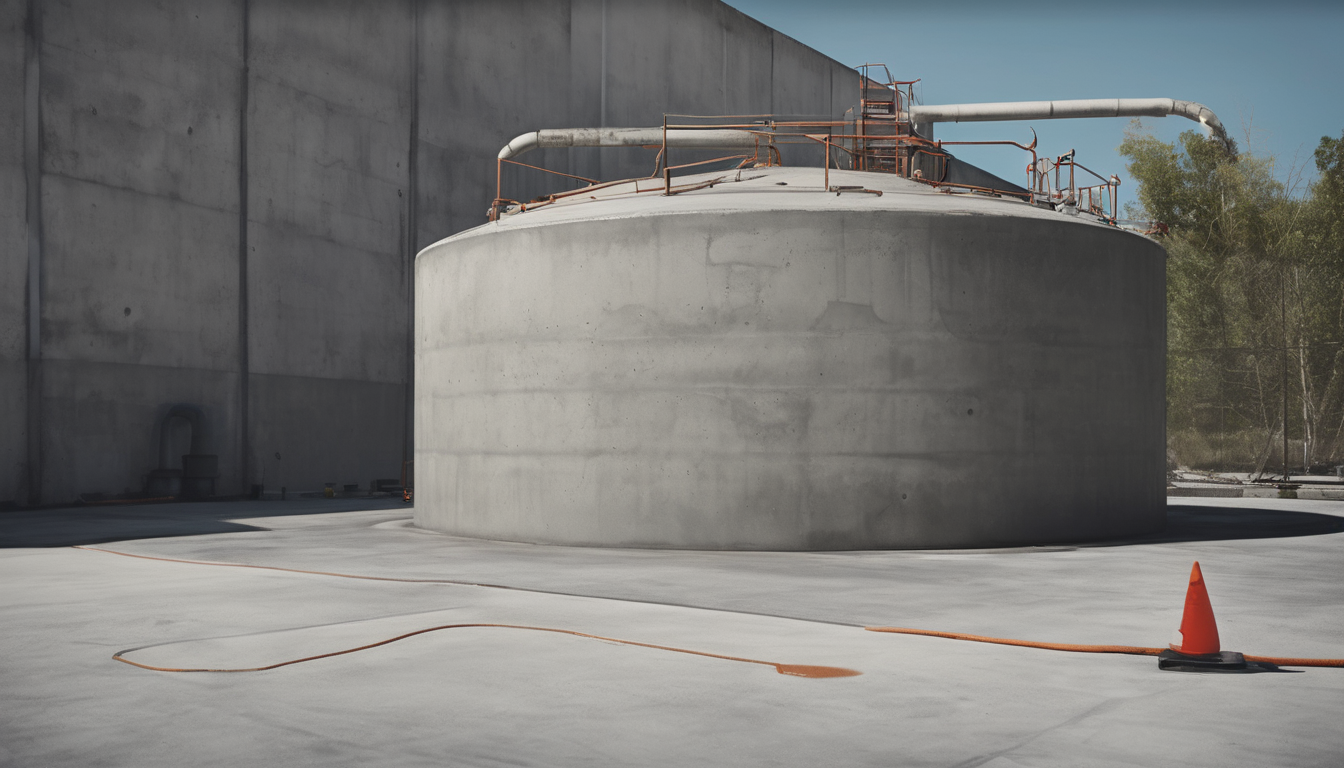

Concrete water tanks are the backbone of water storage systems across Dubai, Abu Dhabi, and Sharjah, providing essential water supply to homes, businesses, and institutions. However, without proper maintenance, these tanks can become breeding grounds for bacteria, sediment buildup, and contamination that compromises water quality. Implementing correct best practices for concrete tank cleaning & disinfection is not just a maintenance task—it’s a critical health safeguard for everyone who uses the water.
In the UAE’s climate, with high temperatures and dust accumulation, concrete tanks require specialised attention to prevent algae growth, bacterial contamination, and sediment accumulation. Following Dubai Municipality-approved Best Practices For concrete tank cleaning & disinfection ensures your water remains safe, clean, and compliant with local health regulations. This comprehensive guide will walk you through every aspect of proper tank maintenance.
Whether you’re a villa owner in Dubai, a property manager in Abu Dhabi, or a business owner in Sharjah, understanding these best practices for concrete tank cleaning & disinfection will help you maintain optimal water hygiene. From initial inspection to final disinfection, each step plays a vital role in protecting your water supply and ensuring the health of those who depend on it.
Understanding Best Practices For Concrete Tank Cleaning & Disinfection
Best practices for concrete tank cleaning & disinfection begin with understanding why this process is essential for water safety. Concrete tanks, while durable, are porous and can develop cracks over time, allowing contaminants to enter. The rough interior surfaces also provide ideal conditions for biofilm formation, sediment accumulation, and bacterial growth if not properly maintained.
In Dubai and across the UAE, the climate accelerates these issues. High temperatures promote bacterial multiplication, while dust storms introduce particulate matter that settles in tanks. Without regular implementation of best practices for concrete tank cleaning & disinfection, homeowners and businesses risk water contamination that can affect health, appliance functionality, and water taste.
The foundation of these best practices for concrete tank cleaning & disinfection involves a systematic approach: inspection, preparation, cleaning, disinfection, and verification. Each phase must follow Dubai Municipality guidelines to ensure compliance and effectiveness. Professional technicians trained in these best practices for concrete tank cleaning & disinfection understand how to address the unique challenges of concrete surfaces while maintaining water safety standards.
Best Practices For Concrete Tank Cleaning & Disinfection – Pre-Cleaning Preparation and Safety Measures
Proper preparation is the first critical step in best practices for concrete tank cleaning & disinfection. Before any cleaning begins, technicians must conduct a thorough risk assessment and prepare the work area. This includes securing the perimeter, ensuring adequate ventilation, and having all necessary safety equipment ready.
Safety measures include wearing appropriate personal protective equipment (PPE) such as gloves, masks, safety harnesses for underground tanks, and non-slip footwear. For confined space entry, which is common with underground concrete tanks, additional safety protocols must be followed, including air quality testing and having a spotter outside the tank.
Preparation also involves gathering the right equipment: high-pressure washers, scrub brushes, vacuum pumps for sediment removal, and appropriate disinfectants. Technicians following best practices for concrete tank cleaning & disinfection will also test water quality before beginning to establish baseline parameters that help measure cleaning effectiveness afterward.
Best Practices For Concrete Tank Cleaning & Disinfection – Draining and Isolation Procedures
Draining the tank completely is essential for effective best practices for concrete tank cleaning & disinfection. This process must be done carefully to avoid stirring up sediment that has settled at the bottom. Professionals typically use submersible pumps to remove water while minimizing disturbance of settled particles.
Isolation procedures are equally important in best practices for concrete tank cleaning & disinfection. This involves shutting off inlet valves and ensuring the tank is completely disconnected from the water supply system to prevent accidental refilling during cleaning. For buildings with multiple tanks, proper isolation ensures that water supply can be maintained from alternative tanks while cleaning proceeds.
After draining, technicians must allow time for any remaining water to evaporate or be removed manually. Complete drainage is crucial because standing water dilutes disinfectants and reduces their effectiveness. This step in best practices for concrete tank cleaning & disinfection ensures that cleaning chemicals can work directly on tank surfaces without interference.
Manual Cleaning Techniques and Equipment
Manual cleaning forms the core of physical best practices for concrete tank cleaning & disinfection. Unlike plastic or fiberglass tanks, concrete surfaces require more aggressive cleaning to remove biofilm and sediment trapped in the porous material. Technicians use specialized brushes and scraping tools designed for concrete surfaces without causing damage.
High-pressure washing is particularly effective in best practices for concrete tank cleaning & disinfection. Using water pressure between 1000-1500 psi, technicians can remove stubborn algae, scale, and sediment buildup. The pressure must be carefully controlled to avoid damaging the concrete surface or forcing contaminants deeper into pores.
For heavy sediment accumulation, wet vacuum systems are employed in best practices for concrete tank cleaning & disinfection. These systems efficiently remove sludge without spreading contaminants. After mechanical cleaning, technicians manually inspect all surfaces, paying special attention to corners, joints, and areas around inlet/outlet pipes where buildup tends to accumulate.
Disinfection Methods and Chemical Selection
Disinfection is the critical chemical component of best practices for concrete tank cleaning & disinfection. After physical cleaning, disinfectants eliminate microorganisms that remain on surfaces. The choice of disinfectant and application method significantly impacts the effectiveness of the process.
Chlorine-based disinfectants are most commonly used in best practices for concrete tank cleaning & disinfection due to their effectiveness against a broad spectrum of microorganisms. These are applied as solutions sprayed evenly across all interior surfaces, ensuring complete coverage. The concentration and contact time are carefully calculated based on tank size and contamination level.
Application methods in best practices for concrete tank cleaning & disinfection include spraying, fogging, or brushing disinfectant solutions onto surfaces. Technicians pay particular attention to ensuring the disinfectant reaches all areas, including corners, seams, and underneath baffles where bacteria can hide. The solution is left for the required contact time to ensure complete microbial elimination.
Dubai Municipality-Approved Chemicals and Concentrations
Using approved chemicals is non-negotiable in best practices for concrete tank cleaning & disinfection in the UAE. Dubai Municipality specifies which disinfectants are safe for potable water systems and provides guidelines on proper concentrations. Typically, sodium hypochlorite (chlorine bleach) at specific concentrations is the approved disinfectant.
The concentration used in best practices for concrete tank cleaning & disinfection typically ranges between 50-100 ppm (parts per million) of free chlorine, depending on the level of contamination. This concentration is sufficient to kill pathogens while remaining safe for subsequent flushing and human exposure after proper rinsing.
Technicians following best practices for concrete tank cleaning & disinfection always measure chlorine levels carefully using test kits to ensure accurate dosing. Over-concentration can damage concrete surfaces over time and leave harmful residues, while under-concentration may not effectively eliminate all microorganisms. Proper measurement and application are essential for compliance and effectiveness.
Post-Cleaning Procedures and Refilling
After disinfection, proper rinsing is a crucial step in best practices for concrete tank cleaning & disinfection. All surfaces must be thoroughly rinsed with clean water to remove disinfectant residues. This typically involves spraying surfaces multiple times until rinse water tests show chlorine levels have dropped to safe drinking water standards (below 0.5 ppm).
Refilling procedures in best practices for concrete tank cleaning & disinfection must be controlled to prevent recontamination. The inlet pipe should be checked and cleaned if necessary before refilling begins. Water should be added gradually while monitoring for any cloudiness or discoloration that might indicate residual contamination.
Once refilled, final water testing completes the best practices for concrete tank cleaning & disinfection process. Technicians test for microbiological quality, chlorine residual, pH, and turbidity to ensure all parameters meet Dubai Municipality standards for potable water. Documentation of these results provides proof of compliance and establishes a baseline for future maintenance.
Maintenance Scheduling and Frequency Guidelines
Regular scheduling is essential to effective best practices for concrete tank cleaning & disinfection. Dubai Municipality recommends cleaning intervals based on usage and water quality, but generally, tanks should be cleaned at least annually. However, certain conditions warrant more frequent attention.
High-usage environments like schools, hospitals, and large residential buildings may require best practices for concrete tank cleaning & disinfection every six months. Similarly, tanks that show visible sediment, algae growth, or water quality issues between scheduled cleanings need immediate attention regardless of the schedule.
Seasonal timing also affects best practices for concrete tank cleaning & disinfection scheduling in the UAE. Many property managers schedule cleaning before summer when water usage increases, or after sandstorm seasons when dust contamination is more likely. Maintaining a regular schedule prevents major buildup and makes each cleaning process more efficient and less disruptive.
Common Mistakes to Avoid in Concrete Tank Maintenance
Several common errors can undermine best practices for concrete tank cleaning & disinfection. One of the most frequent mistakes is incomplete draining, which leaves standing water that dilutes disinfectants and reduces their effectiveness. Technicians must ensure total water removal before beginning the cleaning process.
Another error in best practices for concrete tank cleaning & disinfection is using incorrect chemical concentrations. Either too strong, which can damage tank surfaces and leave harmful residues, or too weak, which fails to properly disinfect. Always follow Dubai Municipality guidelines for approved chemicals and concentrations.
Rushing the contact time is another common mistake in best practices for concrete tank cleaning & disinfection. Disinfectants require sufficient time to work effectively—typically 30-60 minutes of contact time. Cutting this short compromises the entire disinfection process and leaves microorganisms alive to recolonize the tank surfaces.
Expert Tips for Optimal Tank Hygiene
Based on years of experience implementing best practices for concrete tank cleaning & disinfection across the UAE, here are essential tips for maintaining optimal water tank hygiene:
- Schedule regular inspections between cleanings to catch issues early
- Install tank covers that prevent debris and insect entry while allowing ventilation
- Maintain surrounding areas to prevent contamination from entering during cleaning
- Keep detailed records of each cleaning for compliance and maintenance tracking
- Train staff or family members on basic visual inspection techniques
- Address minor cracks or damage immediately to prevent major repairs later
- Work with Dubai Municipality-approved service providers for guaranteed compliance
- Consider water testing between scheduled cleanings if quality concerns arise
Frequently Asked Questions
How often should concrete water tanks be cleaned in Dubai?
Dubai Municipality recommends annual cleaning as part of best practices for concrete tank cleaning & disinfection, but high-usage buildings or those with water quality issues may require six-month intervals. Visual inspection between cleanings helps determine if more frequent service is needed.
What are the signs that my concrete tank needs cleaning?
Visible sediment in water, unusual taste or odour, discoloration, and reduced water pressure can all indicate the need for best practices for concrete tank cleaning & disinfection. Regular testing can detect issues before they become visible to users.
Is professional cleaning necessary or can I do it myself?
While basic maintenance is possible, professional implementation of best practices for concrete tank cleaning & disinfection ensures compliance with Dubai Municipality regulations, proper safety protocols, and complete elimination of contaminants that DIY methods might miss.
How long does the cleaning process typically take?
A standard implementation of best practices for concrete tank cleaning & disinfection for an average residential tank takes 4-6 hours, including draining, cleaning, disinfection, rinsing, and refilling. Larger commercial tanks may require a full day or more.
What does professional concrete tank cleaning cost in the UAE?
Costs for best practices for concrete tank cleaning & disinfection range from AED 800-1,500 for residential tanks to AED 2,000-5,000 for large commercial systems, depending on tank size, accessibility, and contamination level.
Implementing proper best practices for concrete tank cleaning & disinfection is essential for maintaining safe, clean water in your home or business. By following Dubai Municipality guidelines, using approved methods and chemicals, and maintaining regular schedules, you can ensure your water storage system remains hygienic and compliant. Whether you manage a villa in Dubai, an apartment building in Abu Dhabi, or a commercial facility in Sharjah, these best practices for concrete tank cleaning & disinfection will protect your water quality and the health of those who use it.