


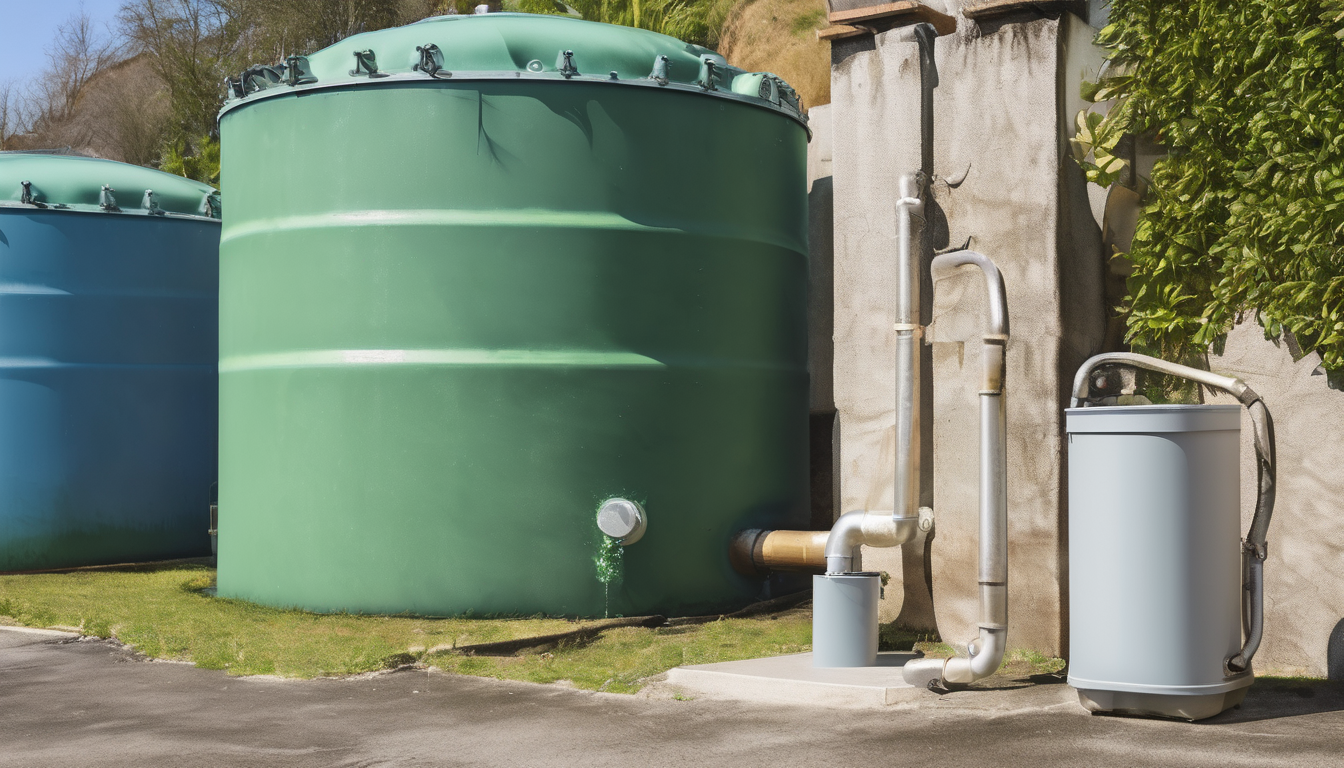

Algae growth in water tanks and pipes is a common challenge faced by homeowners and property managers across Dubai, Abu Dhabi, and Sharjah. The region’s intense heat, abundant sunlight, and frequent dust storms create ideal conditions for algae proliferation in water storage systems. Finding the Best way to remove algae from water tanks and pipes is essential for maintaining water quality, ensuring family health, and complying with Dubai Municipality hygiene standards.
As a water tank cleaning professional with over twelve years of experience serving the UAE market, I’ve witnessed firsthand the health implications and structural damage that unchecked algae growth can cause. From unpleasant odours and discoloured water to more serious health concerns, algae contamination requires immediate and thorough attention. This comprehensive guide will walk you through the most effective methods for algae removal, prevention strategies, and maintenance practices tailored specifically for UAE conditions.
The best way to remove algae from water tanks and pipes involves a systematic approach that combines mechanical cleaning, chemical treatment, and preventive measures. This process requires specific expertise, proper equipment, and Dubai Municipality-approved disinfectants to ensure complete eradication without compromising water safety. Whether you’re dealing with a small residential tank or a large commercial water system, understanding these professional techniques will help you maintain algae-free water throughout the year.
Best Way To Remove Algae From Water Tanks And Pipes – Understanding Algae Growth in Water Systems
Algae are simple, plant-like organisms that thrive in water systems with sunlight, warmth, and nutrients. In the UAE’s climate, where temperatures regularly exceed 40°C during summer months, water tanks provide an ideal environment for algae proliferation. The best way to remove algae from water tanks and pipes begins with understanding what causes this growth in the first place.
Several factors contribute to algae development in UAE water systems. Sunlight penetration through transparent or semi-transparent tank materials accelerates photosynthesis, while stagnant water in overhead tanks during low-usage periods allows algae to establish colonies. Nutrient sources such as dust, sediment, and organic matter that enter through tank openings provide additional fuel for growth. Even minor cracks or imperfect seals can introduce sufficient contaminants to trigger algae blooms.
Different types of algae present unique challenges in water systems. Green algae are the most common variety found in UAE water tanks, appearing as slimy green patches or suspended particles. Blue-green algae, actually cyanobacteria, can produce toxins harmful to human health. Brown algae typically indicate more established growth and often signal the presence of sediment buildup. Each type requires slightly different approaches when implementing the best way to remove algae from water tanks and pipes.
Best Way To Remove Algae From Water Tanks And Pipes – Health Risks of Algae Contamination
Understanding the health implications of algae contamination underscores why finding the best way to remove algae from water tanks and pipes is so crucial. While not all algae are directly toxic, their presence indicates compromised water quality and potential health risks, particularly for children, elderly residents, and individuals with compromised immune systems.
Algae-contaminated water can cause various health issues ranging from mild to severe. Gastrointestinal problems including stomach cramps, diarrhoea, and nausea may occur when consuming water containing certain algal types. Skin irritation, rashes, and allergic reactions can develop from bathing in contaminated water, particularly problematic for children with sensitive skin. Some blue-green algae produce toxins that can affect liver function and neurological health with prolonged exposure.
Beyond direct health effects, algae growth creates secondary issues that compromise water safety. Decomposing algae consumes oxygen and alters water chemistry, creating conditions favourable for pathogenic bacteria. The unpleasant taste and odour of algae-affected water often leads to reduced water consumption, particularly concerning during Dubai’s hot months when hydration is essential. Implementing the best way to remove algae from water tanks and pipes addresses these health concerns while restoring water palatability.
Best Way To Remove Algae From Water Tanks And Pipes – Professional Algae Removal Process
The professional approach to the best way to remove algae from water tanks and pipes follows a meticulous eight-step process that ensures complete eradication while maintaining water safety. This method has been refined through thousands of cleaning operations across Dubai, Abu Dhabi, and Sharjah, complying with Dubai Municipality standards for potable water systems.
Professional cleaning begins with complete water drainage and isolation of the tank from the building’s water supply. Technicians then enter the tank (after proper ventilation and safety checks) to perform mechanical scrubbing of all interior surfaces. This physical removal dislodges attached algae colonies and biofilm that chemical treatments alone cannot eliminate. Special attention is given to corners, seams, and overhead areas where algae tend to accumulate most heavily.
Following mechanical cleaning, professionals apply Dubai Municipality-approved disinfectants specifically formulated for algae eradication in potable water systems. These chemicals are carefully measured based on tank volume and algae severity, with precise contact time monitored to ensure effectiveness without leaving harmful residues. The final rinse cycle uses high-pressure cleaning to remove all dislodged material before refilling with fresh, clean water. This comprehensive approach represents the truly effective best way to remove algae from water tanks and pipes.
DIY Cleaning Methods and Limitations
Some homeowners attempt DIY approaches to address algae problems, though these methods rarely constitute the complete best way to remove algae from water tanks and pipes. Common household solutions include vinegar treatments, baking soda scrubs, or diluted bleach applications. While these can provide temporary improvement for minor cases, they often fail to address the root causes of algae growth.
Vinegar solutions (acetic acid) can help dissolve light algae films but struggle with established growth or biofilm. Baking soda serves as a mild abrasive for scrubbing but doesn’t kill algae spores. Household bleach can be effective but requires careful concentration control and thorough rinsing to avoid contaminating drinking water. The major limitation of DIY methods is their inability to properly access and clean entire tank interiors and connected piping systems.
DIY attempts often create additional problems including incomplete algae removal leading to rapid regrowth, improper chemical ratios that either fail to kill algae or leave harmful residues, and safety risks from entering confined spaces without proper equipment. For these reasons, while minor maintenance between professional cleanings can be helpful, the true best way to remove algae from water tanks and pipes involves professional expertise and equipment.
Chemical Treatment Options
Chemical treatment forms a crucial component of the best way to remove algae from water tanks and pipes when applied correctly by professionals. Dubai Municipality-approved algicides and disinfectants are specifically formulated for potable water systems, ensuring they eliminate algae without compromising water safety for household use.
Chlorine-based treatments remain the most common professional solution for algae eradication in water tanks. When properly measured and applied, chlorine effectively kills algae cells and oxidizes the organic matter they leave behind. The concentration used by professionals (typically 50-100 ppm) is significantly lower than industrial applications but sufficient for algae control, with careful monitoring to ensure complete dissipation before water is returned to use.
Hydrogen peroxide-based treatments offer an alternative for situations where chlorine sensitivity exists, though they require different application protocols. Copper-based algaecides provide longer-lasting prevention but must be carefully controlled to avoid metal leaching into water. The professional best way to remove algae from water tanks and pipes involves selecting the appropriate chemical treatment based on algae type, tank material, and water usage patterns, with precise application that DIY methods cannot replicate.
Pipe Cleaning Techniques
A comprehensive approach to the best way to remove algae from water tanks and pipes must address the distribution system as well as the storage tank. Algae colonies frequently establish in pipes where water movement is slower, particularly in dead-end sections or infrequently used outlets. Professional pipe cleaning techniques ensure complete system decontamination.
Hydro-jetting uses high-pressure water streams to physically dislodge algae and biofilm from pipe walls. This method is particularly effective for larger diameter pipes common in villa and building distribution systems. For smaller diameter pipes, professional descaling tools combined with appropriate chemicals remove accumulated growth without damaging pipe integrity.
System flushing represents another crucial technique in the best way to remove algae from water tanks and pipes. After tank cleaning and disinfection, professionals open all outlets simultaneously to create maximum flow velocity that carries dislodged particles out of the system. Strategic flushing sequences ensure even low-usage pipes receive adequate flow to remove contamination. This comprehensive approach prevents immediate recontamination of cleaned tanks from algae remaining in distribution pipes.
Prevention Strategies
The most effective best way to remove algae from water tanks and pipes involves preventing growth before it begins. Prevention strategies focus on eliminating the conditions that favour algae development, significantly reducing the frequency and intensity of cleaning required while maintaining better water quality between professional services.
Light exclusion stands as the single most effective prevention method. Installing opaque covers on above-ground tanks or using underground storage prevents photosynthesis that fuels algae growth. For tanks that cannot be completely shaded, professional-grade tank coatings block light penetration while providing an additional barrier against contamination. Regular inspection and maintenance of tank seals and covers prevent dust and organic matter entry that provides nutrients for algae.
Water circulation management helps prevent stagnation where algae thrive. Installing automatic mixing systems or scheduling regular water turnover ensures no water remains static long enough to support algal growth. For seasonal properties or buildings with variable occupancy, programmed flushing cycles maintain water movement even during low-usage periods. These preventive measures complement the cleaning aspects of the best way to remove algae from water tanks and pipes.
Maintenance Schedule
Implementing a regular maintenance schedule is essential for the ongoing best way to remove algae from water tanks and pipes. The frequency of professional cleaning depends on multiple factors including tank type, water usage patterns, and environmental conditions specific to your location in the UAE.
For most residential properties in Dubai, Abu Dhabi, and Sharjah, professional cleaning every six months represents the standard recommendation. Homes with larger families or higher water usage may require quarterly cleaning, while properties with excellent preventive measures might extend to annual service. Commercial properties, schools, and healthcare facilities typically require more frequent cleaning—often quarterly—due to higher usage and stricter hygiene requirements.
The maintenance schedule should include interim inspections between professional cleanings. Monthly visual checks of water clarity and odour, coupled with quarterly basic testing for pH and chlorine residual, help identify developing issues before they become significant problems. This proactive approach ensures the best way to remove algae from water tanks and pipes becomes a preventive strategy rather than just a reactive solution.
Professional vs DIY Decision Guide
Determining whether to attempt DIY cleaning or hire professionals is an important consideration in implementing the best way to remove algae from water tanks and pipes. While minor maintenance between professional services can be beneficial, significant algae problems typically require professional intervention for complete resolution.
DIY approaches may be appropriate for very minor surface algae in easily accessible tanks, provided proper safety precautions are followed. However, professional services become necessary when algae growth is visible on multiple surfaces, when water shows noticeable discolouration or odour, or when health symptoms possibly related to water quality have emerged. Buildings with vulnerable populations (children, elderly, immunocompromised individuals) should always opt for professional cleaning.
The cost comparison often surprises homeowners—while professional cleaning typically costs between AED 800-2,500 depending on tank size and location, DIY attempts often incur hidden costs including purchased equipment, multiple chemical treatments, and potential health impacts from incomplete cleaning. For most situations, professional services represent both the most effective and ultimately most economical best way to remove algae from water tanks and pipes.
UAE Regulations and Compliance
Understanding local regulations is an essential component of the best way to remove algae from water tanks and pipes in the UAE. Dubai Municipality and other emirate-level authorities have established specific guidelines for water tank cleaning and disinfection to protect public health and ensure water safety.
Dubai Municipality regulations require that water tank cleaning companies hold specific licenses and employ trained technicians following approved procedures. Only designated disinfectants may be used in potable water systems, with strict concentration limits and rinsing protocols to prevent chemical contamination. Documentation of cleaning activities, including before-and-after photos and chemical usage records, must be maintained for inspection purposes.
Property owners have responsibility under UAE law to maintain water storage systems in hygienic condition free from contamination including algae growth. Failure to address significant algae problems can result in violation notices and required remedial action. Following the professional best way to remove algae from water tanks and pipes ensures compliance with these regulations while protecting occupant health.
Expert Tips for Algae Prevention
Based on twelve years of professional experience implementing the best way to remove algae from water tanks and pipes across the UAE, these practical tips will help maintain cleaner water between professional services:
- Schedule professional cleaning before summer peak temperatures when algae growth accelerates most rapidly
- Install proper tank covers that completely block sunlight while allowing necessary ventilation
- Arrange downpipes and tank inlets to minimize sediment entry that provides algae nutrients
- Regularly inspect and maintain tank seals, covers, and overflow protections
- Ensure proper water turnover by using all outlets regularly to prevent stagnation
- Consider installing a pre-filtration system for tank inlet water to reduce nutrient loading
- Monitor water clarity and odour monthly as early indicators of developing problems
- Maintain records of cleaning dates and observations to identify patterns over time
Frequently Asked Questions
How often should water tanks be cleaned to prevent algae in Dubai?
Most residential properties in Dubai require professional cleaning every six months to prevent significant algae growth. Properties with higher usage or previous algae issues may need quarterly service, while those with excellent preventive measures might extend to annual cleaning.
Can algae in water tanks make you sick?
Yes, algae contamination can cause health issues including gastrointestinal problems, skin irritation, and allergic reactions. Some algae types produce toxins that can affect liver function and neurological health with prolonged exposure.
What is the cost of professional algae removal in UAE?
Professional algae removal typically costs between AED 800-2,500 depending on tank size, accessibility, and location. Commercial systems and larger buildings may cost more, while basic residential cleaning often falls in the AED 800-1,200 range.
How long does the algae removal process take?
A standard residential tank cleaning and disinfection requires 2-4 hours for the active process, plus additional time for chemical contact and rinsing. Most systems can be returned to service within 6-8 hours of starting the process.
Can I use bleach to remove algae from my water tank?
While bleach can kill algae, improper concentration or inadequate rinsing can create health risks. Dubai Municipality regulations specify approved disinfectants for potable water systems, making professional treatment the recommended approach.
Implementing the best way to remove algae from water tanks and pipes requires a comprehensive approach that addresses both immediate cleaning and long-term prevention. By understanding the professional methods, prevention strategies, and maintenance requirements outlined in this guide, property owners across the UAE can maintain cleaner, safer water systems year-round. Regular professional cleaning coupled with thoughtful preventive measures represents the most effective strategy for algae control in our challenging climate.