


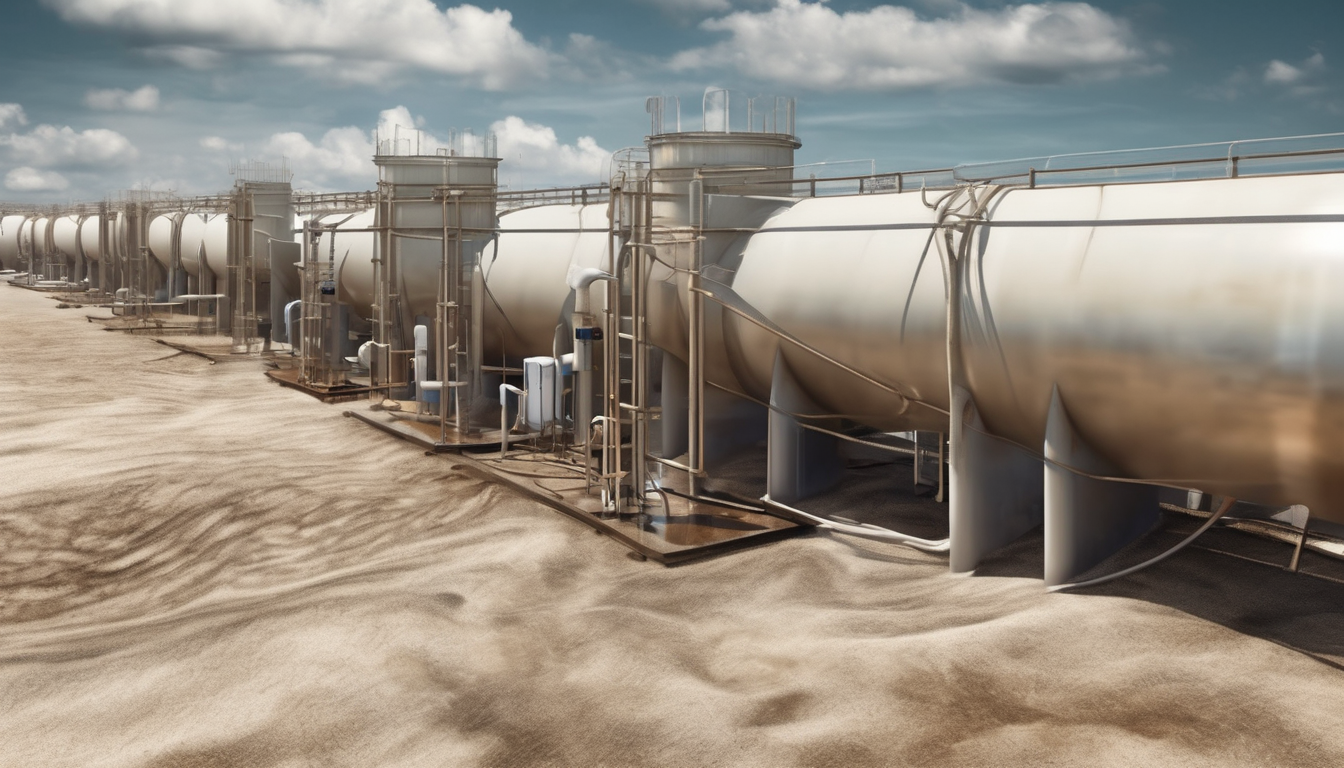

Water tank cleaning is a critical maintenance task that ensures clean, clear, and safe water for families and businesses alike. In this comprehensive guide, we’ll walk you through the essential steps to clean and flush sediment from your water storage tanks.
Understanding How to clean and Flush Sediment from Water Tank System?
Cleaning your water tank system is essential for maintaining the quality of drinking water, ensuring safety, and preventing health risks. Sediment buildup can lead to a variety of issues, including taste and odor problems, reduced storage capacity, and even potential contamination.
Why Regular Cleaning is Important
Regular cleaning helps remove sediment, biofilm, algae, and other contaminants that can accumulate over time. These materials not only affect water quality but also pose health risks. By adhering to a regular cleaning schedule, you ensure that your family or tenants are always supplied with clean, safe drinking water.
identifying the Types of Tanks and Materials
Water tanks come in various types and materials, each requiring different cleaning methods. Common tank materials include concrete, GRP (Glass Reinforced Plastic), steel, and plastic. Each type may have unique challenges and considerations during the cleaning process.
Preparation and Safety Measures
Before you start the cleaning process, ensure proper preparation and safety measures are in place. This includes obtaining necessary permits, wearing protective gear, and having the right tools at hand to avoid any accidents or injuries.
Draining the Water Tank
The first step is to drain all the water from the tank. Ensure you have a clear path for draining and that the area around the tank is safe. This process may involve opening valves, lifting covers, or using pumping systems.
Cleaning the Inside of the Tank
Once the water has been drained, proceed to clean the inside of the tank. Use a combination of manual and mechanical cleaning methods, such as brushes, scrapers, and high-pressure washers, to remove sediment and biofilm effectively.
Flushing and Refilling the Tanks
After cleaning from water tank system, thoroughly flush the tanks with clean water to remove any residual dirt or chemicals. Once flushed, refill the tanks using potable water sources, ensuring that all contaminants are removed from the system.
Post-Cleaning Maintenance and Inspections
After cleaning from water tank system, perform inspections for cracks, leaks, and other signs of damage. Document your findings and ensure proper maintenance schedules are followed to prevent future issues.
Expert Tips for Effective Cleaning
1. Use the Right Chemicals: Ensure you use Dubai Municipality-approved chemicals for disinfection.
2. Regular Inspections: Schedule regular inspections to catch issues early and avoid costly repairs.
3. Proper Ventilation: Ensure proper ventilation when using chemicals to prevent inhalation hazards.
4. Protective Gear: Wear gloves, masks, and protective clothing during the cleaning process.
Frequently Asked Questions about Water Tank Cleaning
1. How often should I clean my water tank?
– The frequency of cleaning depends on usage and local regulations. Generally, tanks should be cleaned every 6 to 12 months.
2. What if I notice a foul smell or discoloration in the water?
– These are signs that your tank may need immediate attention. Schedule a professional cleaning as soon as possible.
3. Can I clean my water tank myself, or should I hire professionals?
– For complex tanks and materials, it’s recommended to hire professionals for safety and efficiency.
Conclusion
Maintaining your water storage system through regular cleaning is crucial for the health and well-being of those who rely on it. By following these steps and adhering to best practices, you can ensure that your family or tenants always have access to clean, safe drinking water.