




Understanding Choosing The Right Disinfectant For Your Water Tank Type is essential. —
—
Understanding Choosing the Right Disinfectant for Your Water Tank Type
When it comes to maintaining clean and safe drinking water, choosing the right disinfectant is crucial. Different types of water tanks—concrete or plastic—require specific disinfectants due to their varying materials and potential contaminants. This guide will help you understand the differences between these tank types and select the most appropriate disinfectant for each.
Choosing The Right Disinfectant For Your Water Tank Type – Differences Between Water Tank Types: Concrete vs. Plastic
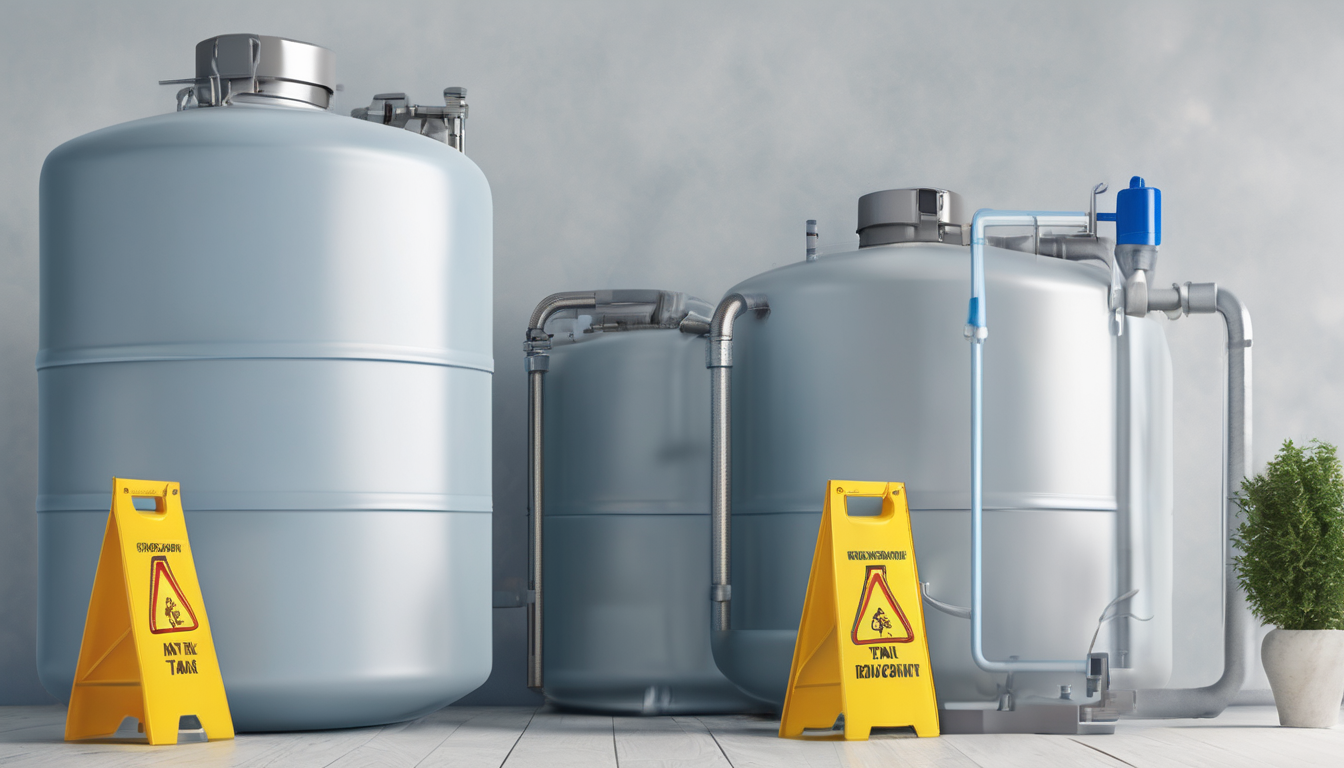
Concrete water tanks are built to last, with a robust structure that resists corrosion and UV damage. They can store large volumes of water and are ideal for areas with limited space. On the other hand, plastic water storage tanks offer lightweight solutions but may be more susceptible to degradation over time due to exposure to sunlight and chemicals.
Understanding these differences is essential when selecting a disinfectant that will not only clean your tank but also maintain its integrity and functionality.
Choosing The Right Disinfectant For Your Water Tank Type – Common Disinfectants Used in Tanks
The most common disinfectants used in water tanks include chlorine, chloramine, and hypochlorous acid. Each has unique properties that make it suitable for different tank types.
Chlorine Disinfection
- Effective against a wide range of bacteria and viruses
- Economical and widely available
- Potentially corrosive to plastic tanks; not recommended for prolonged use in concrete tanks due to its strong oxidizing properties
Chloramine Disinfection
- More stable than chlorine, providing long-lasting protection against microbial growth
- Mild on plastic tanks but still effective in concrete tanks
- Slightly less reactive to metals and less corrosive overall
Hypochlorous Acid Disinfection
- Highly potent, providing rapid microbial elimination
- Precise control over dosage, minimizing risks to tank materials and human health
- Non-corrosive and safe for both plastic and concrete tanks; ideal for sensitive environments like schools and hospitals
Choosing the Right Disinfectant for Concrete Tanks
Concrete tanks require disinfectants that are non-corrosive and gentle on their surfaces. Chloramine is often preferred due to its stability and effectiveness, though proper dosing is crucial to avoid any potential damage.
Selecting Disinfectants for Plastic Water Storage
Plastic tanks are more susceptible to chemical degradation. Chlorine-based disinfectants can be harsh and may cause structural issues over time. Instead, opt for chloramines or hypochlorous acid, which are less aggressive on plastic materials.
Precautions and Procedures During Disinfection
Proper procedures must be followed to ensure the safety of both your water tank and its contents. Always wear protective gear, including gloves and a mask, when handling disinfectants. Ensure thorough mixing and application according to manufacturer guidelines.
Regular monitoring is essential after disinfection to check for any signs of contamination or damage. Proper rinsing before refilling the tank with clean water is also crucial.
Tips for Selecting the Best Disinfectant
- Consult a professional to determine the specific disinfection needs of your water tank type.
- Read product labels carefully, ensuring the chosen disinfectant is compatible with both concrete and plastic materials.
- Consider environmental factors such as temperature and sunlight exposure when selecting a disinfectant for outdoor tanks.
- Follow manufacturer instructions precisely to avoid over-disinfection or under-disinfection.
Frequently Asked Questions
- Q: Can I use the same disinfectant for both concrete and plastic tanks?
- A: No, it’s important to choose a disinfectant that is compatible with your tank material. Chloramines or hypochlorous acid are typically safer for plastics.
- Q: How often should I disinfect my water tank?
- A: Regular maintenance schedules depend on usage and local regulations, but it’s generally recommended to clean and disinfect every 6-12 months depending on the tank type and condition.
Conclusion
Choosing the right disinfectant for your water tank is crucial for maintaining safe and clean drinking water. By understanding the differences between concrete and plastic tanks, you can select a disinfectant that will protect both your health and the integrity of your storage system.
—
water-tank-disinfection, choosing-the-right-disinfectant, concrete-tanks, plastic-tanks
—Choosing the Right Disinfectant for Your Water Tank Type Guide for 8 Smart Results—
Understanding the importance of clean drinking water in maintaining family health, this guide explores how to choose the right disinfectant based on your specific tank type. Whether you have a concrete or plastic storage system, understanding the differences and selecting appropriate chemicals ensures long-term safety and efficiency. Understanding Choosing The Right Disinfectant For Your Water Tank Type is key to success in this area.