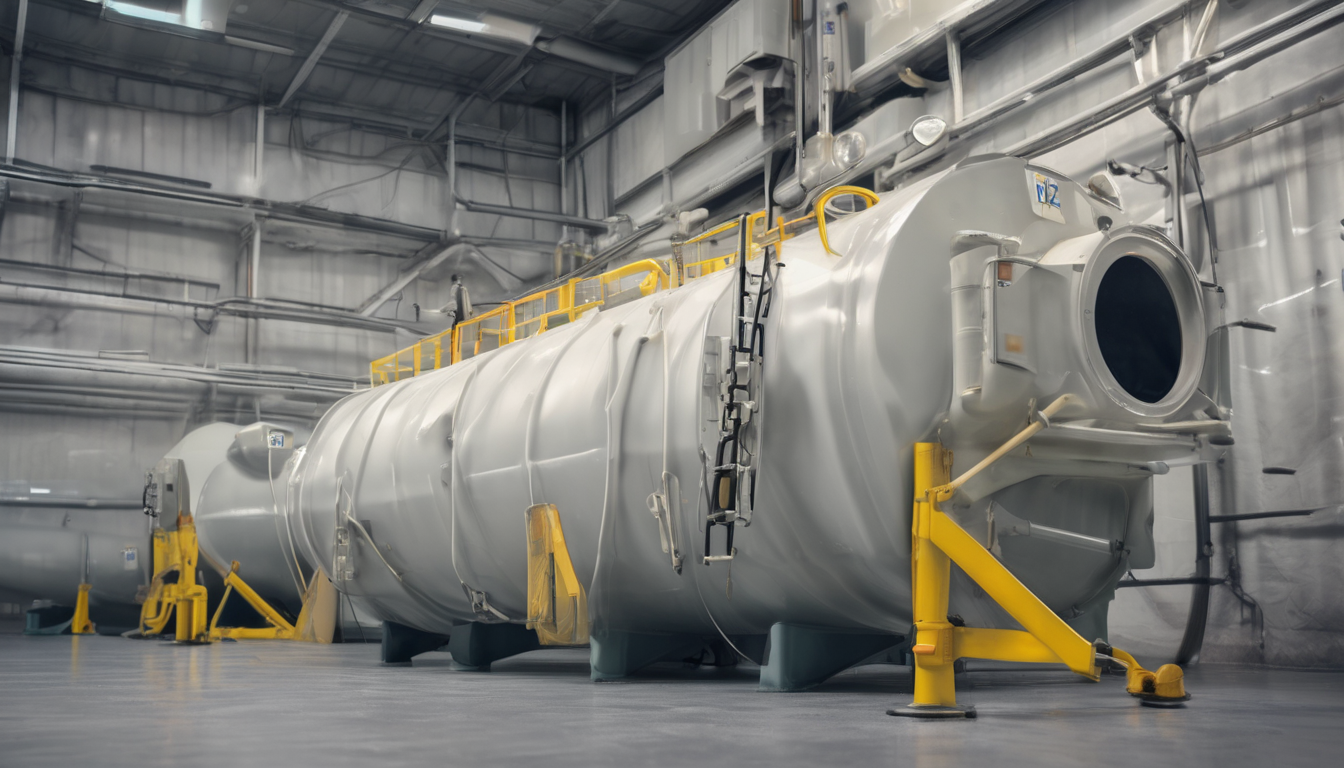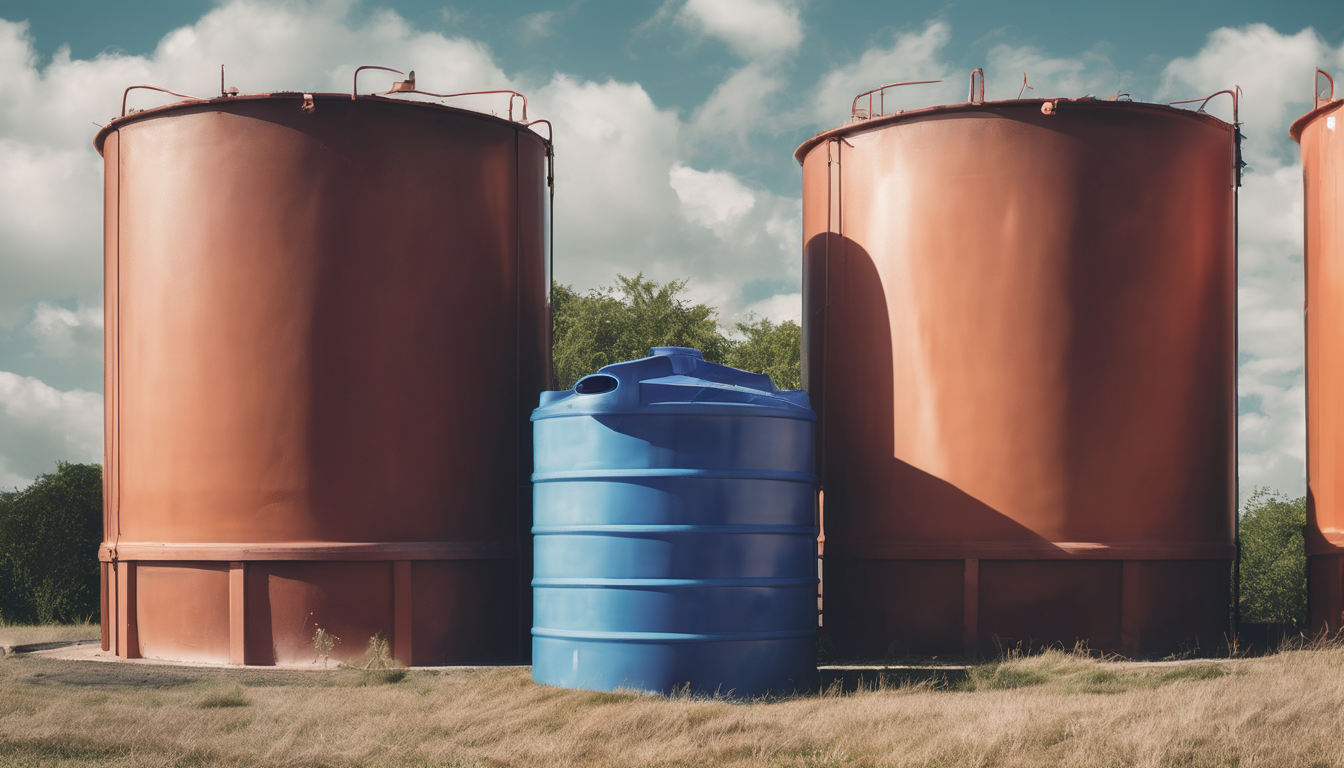


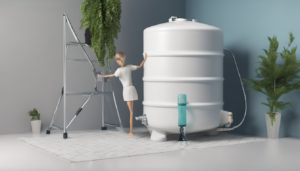
![[Preventing Biofilm Formation in Your Plastic Water Tank - Clean water tank with biofilm removal techniques]](https://sanih2o.com/wp-content/uploads/2025/12/preventing-biofilm-formation-in-your-plastic-water-tank-1767096911-300x171.png)

Understanding Preventing Biofilm Formation In Your Plastic Water Tank is essential. —
—META—
—EXCERPT—
Biofilms are a significant concern for plastic water tanks, as they can harbor harmful bacteria and compromise the quality of stored water. This article explores 8 essential methods to prevent biofilm formation in your plastic water tank.
—
Preventing Biofilm Formation In Your Plastic Water Tank – Understanding Biofilm Formation in Your Plastic Water Tank
Preventing biofilm formation is crucial to maintaining the quality of water stored in your plastic tank. Biofilms are communities of microorganisms that adhere to surfaces and can grow on the inside walls of tanks, leading to the accumulation of contaminants such as bacteria, algae, and fungi.
Biofilms develop when microorganisms attach themselves to a surface and form a protective extracellular matrix. This matrix shields the organisms from external factors like cleaning agents and disinfectants, making biofilm removal challenging but necessary for hygiene and safety reasons.
Preventing Biofilm Formation In Your Plastic Water Tank – Why Preventing Biofilm is Critical for Your Health and Safet
Regularly preventing biofilm formation ensures that your water remains clean and safe to consume. Biofilms can harbor harmful pathogens such as Legionella, E.coli, and Pseudomonas aeruginosa, which pose significant health risks when ingested or inhaled.
The key benefits of preventing biofilm include:
- Reduced risk of waterborne illnesses
- Protection against taste and odor issues
- Extension of tank lifespan through reduced corrosion and degradation
- Ensured compliance with health and safety regulations
How Often Should You Clean Your Plastic Water Tank?
The frequency of cleaning your plastic water tank depends on several factors, including the type of usage (residential or commercial), local climate conditions, and adherence to maintenance schedules.
For residential tanks in Dubai, we recommend a thorough cleaning every 6-12 months. However, this can vary based on specific circumstances such as high temperatures, frequent power outages, or poor water quality from the municipal supply.
Effective Cleaning Methods to Remove Biofilm
To effectively remove biofilms and prevent their formation, a combination of mechanical cleaning and chemical disinfection is necessary. Here are some steps you can follow:
- Drain the Tank: Completely empty the water from the tank before starting the cleaning process.
- Scrub the Interior: Use a soft cloth or sponge to manually clean the walls, ensuring all surfaces are free of debris and sediment.
- Rinse Thoroughly: Rinse the tank several times with fresh water to remove any remaining cleaning agents or biofilm remnants.
- Apply Disinfectant: Use a DM-approved chlorine solution for disinfection, following the manufacturer’s instructions. Apply generously and ensure all surfaces are adequately treated.
Using Chlorine for Disinfection and Biofilm Prevention
Chlorine is an effective agent for both cleaning and preventing biofilm formation in plastic water tanks. Here’s how to use it safely:
- Mix the Solution: Prepare a chlorine solution according to the recommended concentration, typically between 50-100 ppm.
- Apply Evenly: Pour the solution into the tank and ensure it is distributed evenly. Let it sit for at least 24 hours before flushing out with clean water.
Maintaining Clean Water After Tank Cleaning
Post-cleaning maintenance is essential to ensure that your plastic water tank remains biofilm-free:
- Regular Refills: Refill the tank with clean, filtered water as soon as possible after cleaning.
- Monitor Water Quality: Check for any changes in taste, odor, or appearance. If issues arise, address them promptly to prevent biofilm regrowth.
Preventing Sediment Buildup to Prevent Biofilm Formation
Sediment can act as a breeding ground for microorganisms and contribute to the formation of biofilms. To minimize sediment buildup:
- Filter Your Water: Install water filters at the inlet to remove particles before they enter the tank.
- Clean Regularly: Schedule regular cleaning intervals to prevent sediment from accumulating on the walls of the tank.
Regular Monitoring and Inspection for Early Detection
To ensure that biofilm formation is caught early, conduct regular inspections and monitoring:
- Visual Inspections: Regularly check the tank walls for any discoloration or foul odor.
- Water Quality Tests: Periodically test the water quality using a reliable testing kit to detect any signs of contamination.
Expert Tips for Preventing Biofilm Formation in Your Plastic Water Tank
- Schedule Regular Cleanings: Plan your tank cleaning and disinfection schedule well in advance, ensuring you don’t skip any crucial steps.
- Use High-Quality Disinfectants: Invest in DM-approved chemicals to ensure effective biofilm removal without causing damage to the tank material.
- Monitor Weather Conditions: Adjust your cleaning frequency based on environmental factors such as high temperatures and humidity levels.
Frequently Asked Questions (FAQs)
- Q: How often should I clean my plastic water tank?
- A: For optimal results, we recommend a thorough cleaning every 6-12 months. However, this can vary based on specific conditions.
- Q: Can I use any type of cleaner to prevent biofilm formation?
- A: No, it’s important to use DM-approved chemicals that are safe for your plastic tank and effective against biofilm growth. Always follow the manufacturer’s guidelines.
- Q: What if I notice signs of biofilm formation?
- A: If you detect any discoloration, foul odor, or changes in water quality, schedule a cleaning immediately to prevent further growth and contamination.
This relates directly to Preventing Biofilm Formation In Your Plastic Water Tank.
Conclusion
Preventing biofilm formation in your plastic water tank is essential for maintaining the safety and quality of stored water. By following these 8 key methods—regular cleaning, effective disinfection, sediment prevention, and monitoring—you can ensure that your tank remains clean and free from harmful microorganisms.
Remember, regular maintenance not only protects your family’s health but also extends the lifespan of your plastic water tank. Contact a certified professional for assistance if you’re unsure about any step in the process.
—
- Tags:
- Plastic Water Tank Cleaning, Biofilm Prevention, Water Quality, Sanitation, Maintenance, Hygiene
—ALT_TEXT—
[Preventing Biofilm Formation in Your Plastic Water Tank – Clean water tank with biofilm removal techniques]
—
This comprehensive article on preventing biofilm formation in plastic water tanks covers the essential steps for maintaining clean and safe stored water. By following these methods, you can ensure that your family’s daily water use remains hygienic and free from harmful contaminants. Regular maintenance is key to protecting your health and extending tank lifespan. Understanding Preventing Biofilm Formation In Your Plastic Water Tank is key to success in this area.