



For families and property owners across Dubai, Abu Dhabi, and Sharjah, ensuring the safety of your fresh water tanks is not just a maintenance concern—it’s a fundamental health priority. The question of how do you know if the water in your fresh water tanks is safe becomes particularly crucial in our region’s climate, where high temperatures and dust accumulation can accelerate contamination. With over a decade of experience in water tank cleaning and disinfection across the UAE, I’ve witnessed how proper maintenance can prevent health issues and ensure peace of mind for households and commercial establishments alike.
This comprehensive guide will walk you through every aspect of determining water safety in your storage systems. We’ll cover visual inspection techniques, professional testing methods, common contamination signs, and preventive maintenance strategies specifically tailored to UAE conditions. Whether you’re a villa owner in Dubai, a property manager in Abu Dhabi, or operate a commercial kitchen in Sharjah, understanding how do you know if the water in your fresh water tanks is safe is essential for protecting your family, tenants, or customers.
The UAE’s unique environmental conditions—intense heat, frequent sandstorms, and high humidity—create specific challenges for water storage systems. Regular monitoring and maintenance become not just recommended but necessary for health safety. By the end of this guide, you’ll have a clear understanding of how do you know if the water in your fresh water tanks is safe and what steps to take if you identify any concerns.
You Know If The Water In Your Fresh Water Tanks Is Safe – Understanding Water Tank Safety Fundamentals
Knowing how do you know if the water in your fresh water tanks is safe begins with understanding what constitutes safe water in the first place. In the UAE context, safe drinking water should be clear, odourless, and free from harmful microorganisms and chemical contaminants. The Dubai Municipality has established strict guidelines for potable water quality, which include limits on bacterial content, chemical composition, and physical characteristics.
Water tanks can become contaminated through various pathways, including airborne particles entering through vents, sediment accumulation at the bottom, biofilm formation on tank walls, or contamination during maintenance activities. The question of how do you know if the water in your fresh water tanks is safe becomes especially relevant after sandstorms, which are common in our region and can introduce significant particulate matter into storage systems.
Regular monitoring is essential because contamination often develops gradually. Many homeowners only realise there’s a problem when they notice changes in water taste, smell, or appearance. By understanding the fundamentals of water safety, you can implement proactive measures rather than reactive solutions. This approach is particularly important for families with young children, elderly residents, or individuals with compromised immune systems who are more vulnerable to waterborne illnesses.
You Know If The Water In Your Fresh Water Tanks Is Safe – Visual Inspection Techniques for Water Tanks
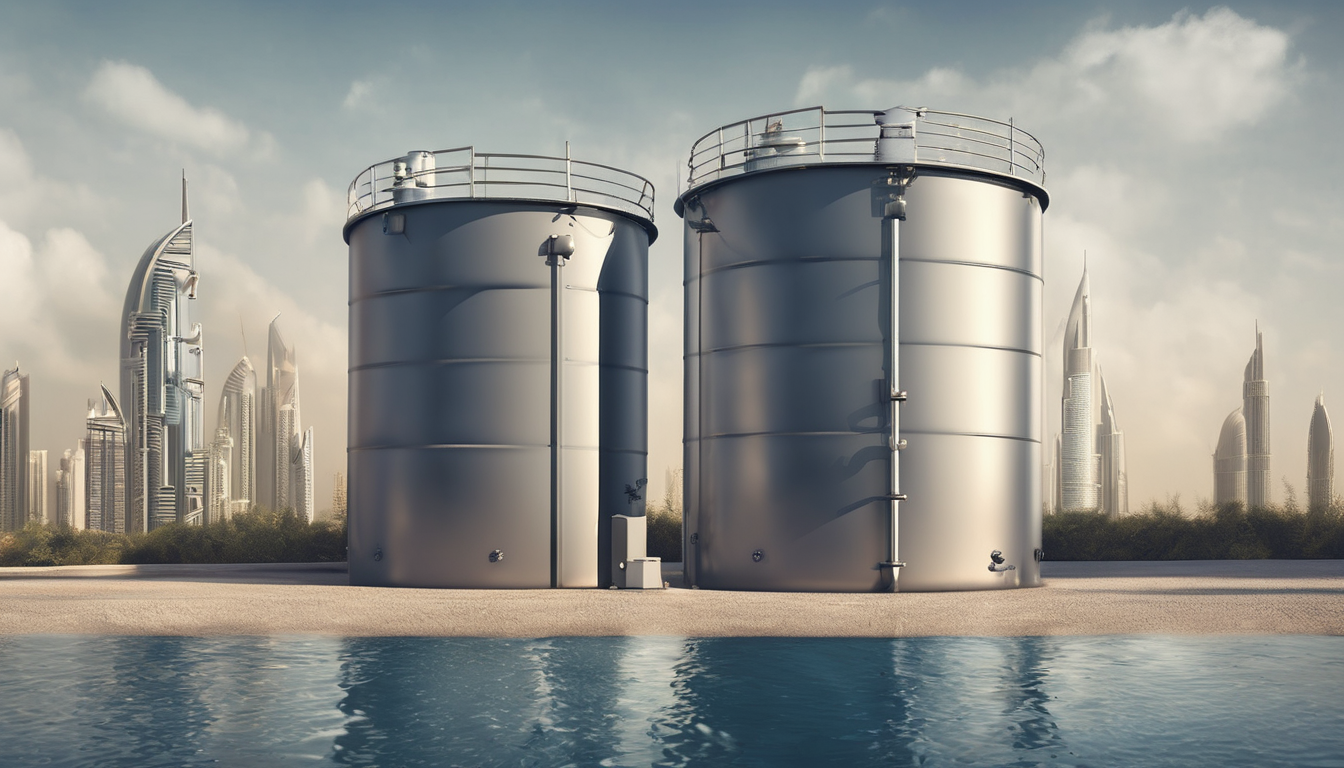
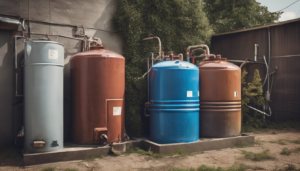
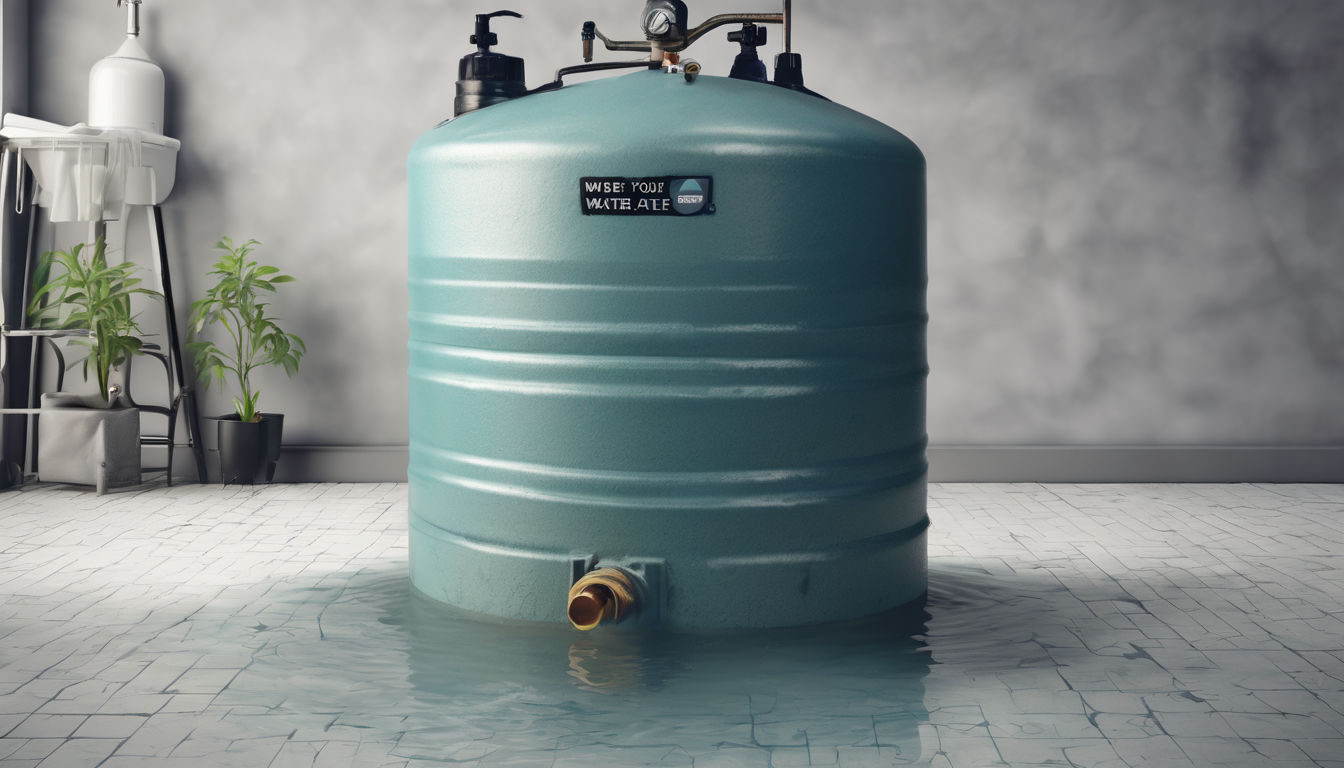
Visual inspection is your first line of defence in determining how do you know if the water in your fresh water tanks is safe. For overhead tanks, regular external checks should include looking for cracks, leaks, or corrosion on the tank surface. Ensure the lid fits securely and that vents are properly covered with mesh to prevent insect entry while allowing airflow. Check for any visible sediment accumulation around overflow pipes or inlet points.
For underground tanks, visual inspection requires more planning but is equally crucial. During scheduled cleaning—which should occur at least annually—take the opportunity to examine the interior surfaces. Look for biofilm formation, which appears as slimy patches on tank walls. Check for sediment accumulation at the bottom, which can harbour bacteria and affect water quality. Inspect structural integrity for any cracks or damage that might allow external contaminants to enter.
Document your findings with photographs during each inspection to track changes over time. This visual record helps in identifying developing issues before they become serious problems. Remember that while visual inspection provides valuable initial information, it’s only one component of a comprehensive approach to understanding how do you know if the water in your fresh water tanks is safe.
You Know If The Water In Your Fresh Water Tanks Is Safe – Assessing Physical Water Characteristics
The physical characteristics of your water provide immediate clues about how do you know if the water in your fresh water tanks is safe. Begin with clarity assessment—fill a clear glass with cold water and hold it against a white background. The water should be completely clear without any cloudiness, floating particles, or discoloration. Brownish or yellowish tints often indicate rust or sediment contamination, while greenish hues may suggest algal growth.
Odour testing is another critical physical assessment. Fresh, safe water should have no discernible smell. If you detect a chlorine-like odour, it might indicate recent municipal treatment, but a persistent strong chlorine smell could suggest over-chlorination during tank disinfection. Musty, earthy, or rotten egg odours typically indicate bacterial growth or contamination. Metallic smells often correlate with corrosion issues in older tanks or plumbing systems.
Taste assessment, while not recommended if contamination is suspected, can provide additional information for experienced professionals. However, for homeowners, I recommend against tasting water that shows any visual or odour issues. Instead, focus on the more reliable indicators of clarity and smell. These physical assessments form the foundation of understanding how do you know if the water in your fresh water tanks is safe on a day-to-day basis.
Professional Water Testing Methods
While visual and physical assessments provide initial indicators, professional water testing offers definitive answers to how do you know if the water in your fresh water tanks is safe. In Dubai, several accredited laboratories provide comprehensive water testing services that analyse microbial content, chemical composition, and physical parameters. The basic test package typically includes coliform bacteria count, E. coli detection, pH levels, turbidity, and chlorine residual measurement.
For more comprehensive assessment, especially after contamination concerns or for commercial establishments, extended testing panels can include heavy metal analysis, pesticide residues, and additional pathogen screening. The cost for basic water testing in the UAE typically ranges from AED 300 to AED 600, while comprehensive analysis may cost between AED 800 and AED 1,500, depending on the parameters tested.
Sampling methodology is crucial for accurate results. Professionals use sterile containers and follow specific protocols to avoid cross-contamination during collection. They typically draw samples from multiple points—directly from the tank, after standing overnight, and from frequently used taps. This approach helps identify whether contamination originates in the tank or within the plumbing system. Regular professional testing, combined with daily monitoring, provides the most complete picture of how do you know if the water in your fresh water tanks is safe.
Common Contamination Signs in UAE Water Tanks
Recognising common contamination signs is essential for understanding how do you know if the water in your fresh water tanks is safe. In our region, sand and dust accumulation is particularly prevalent due to frequent sandstorms. This manifests as gritty sediment in water, cloudiness, or sandy residue in filters and aerators. Regular tank cleaning becomes necessary to remove this accumulated particulate matter.
Bacterial contamination often presents as slimy biofilm on tank surfaces, musty odours, or in severe cases, visible algal growth. The UAE’s warm climate accelerates bacterial multiplication, making quarterly inspections advisable. Chemical contamination might show as metallic tastes, blue-green staining on fixtures (indicating copper corrosion), or black particles (from rubber seals deteriorating).
Structural issues like cracks or poor seals allow external contaminants to enter tanks. During rainy seasons, I’ve frequently observed water ingress through compromised tank covers, introducing debris and microorganisms. recognising these common signs helps homeowners address problems early, reducing health risks and potentially costly repairs. This practical knowledge is fundamental to understanding how do you know if the water in your fresh water tanks is safe in real-world conditions.
DIY Safety Checks for Homeowners
Regular DIY checks complement professional inspections in answering how do you know if the water in your fresh water tanks is safe. Establish a monthly routine that includes running water from various taps to check for changes in pressure, which might indicate sediment buildup. Examine aerators and showerheads for particle accumulation, which often reflects conditions within the tank itself.
Simple test kits available from hardware stores can provide preliminary information about water parameters. These typically include pH test strips, chlorine residual tests, and basic hardness indicators. While not as comprehensive as laboratory analysis, they help monitor changes between professional inspections. Record your findings in a maintenance log to identify trends over time.
Monitor water usage patterns among household members. Unexplained gastrointestinal issues, skin irritations, or changes in hair quality after showering might indicate water quality problems. While these symptoms can have various causes, they warrant further water investigation when they coincide with other contamination signs. These practical DIY approaches form an accessible method for homeowners to understand how do you know if the water in your fresh water tanks is safe between professional services.
When to Call Professional Services
Understanding when to seek professional help is crucial in addressing how do you know if the water in your fresh water tanks is safe. Immediate professional attention is warranted when you observe visible sediment or particles in multiple taps, persistent unusual odours despite flushing, or visible algal growth in toilet cisterns or tanks. After any major sandstorm, consider scheduling an inspection, as these events often introduce significant contamination.
Professional water tank cleaning and disinfection should be scheduled at least annually for residential properties and quarterly for high-usage commercial establishments. Additionally, call professionals if residents experience recurring gastrointestinal issues that might be water-related, or if water testing reveals parameter deviations. After any plumbing work or maintenance that might have introduced contamination, professional disinfection ensures safety.
In Dubai, professional services typically cost between AED 600 and AED 1,200 for standard residential tank cleaning, depending on tank size and accessibility. This investment ensures proper cleaning, disinfection, and post-service verification that DIY methods cannot provide. Knowing when to call professionals completes your understanding of how do you know if the water in your fresh water tanks is safe and what actions to take when concerns arise.
Preventive Maintenance Strategies
Preventive maintenance is the most effective approach to ensuring you always know how do you know if the water in your fresh water tanks is safe. Establish a regular cleaning schedule based on your specific circumstances—family size, tank capacity, and local environmental conditions. In Dubai’s climate, I recommend quarterly visual inspections and annual professional cleaning for most households.
Install appropriate filters at tank inlets and outlets to reduce particulate matter entering your system. Ensure tank covers are secure and vents are properly screened to prevent insect and debris entry while maintaining necessary airflow. Consider installing automatic chlorination systems for larger properties or commercial establishments where manual monitoring is challenging.
Keep detailed maintenance records including cleaning dates, inspection findings, and water test results. This documentation helps identify patterns and schedule maintenance proactively rather than reactively. These preventive strategies transform the question of how do you know if the water in your fresh water tanks is safe from a concern into a managed aspect of household maintenance, ensuring consistent water quality and peace of mind.
Regulatory Compliance and Dubai Municipality Standards
Understanding regulatory requirements provides the official framework for how do you know if the water in your fresh water tanks is safe. The Dubai Municipality has established comprehensive standards for potable water quality, including maximum allowable levels for various contaminants. These standards align with international guidelines from organisations like the World Health Organization while addressing local environmental conditions.
For commercial establishments, schools, hospitals, and rental properties, compliance isn’t optional—it’s mandatory. Regular inspections by Dubai Municipality officials check for proper maintenance records, water quality test results, and overall tank hygiene. Non-compliance can result in fines ranging from AED 500 to AED 2,000, depending on the violation severity, and in extreme cases, service discontinuation.
Professional water tank cleaning services in Dubai must follow specific protocols approved by the Dubai Municipality, including using authorised disinfectants, proper waste disposal methods, and documentation requirements. Choosing DM-approved service providers ensures your maintenance meets regulatory standards. This regulatory context provides the official answer to how do you know if the water in your fresh water tanks is safe according to UAE authorities.
Expert Tips for Maintaining Water Tank Safety
Based on twelve years of experience servicing water tanks across the UAE, here are my essential tips for maintaining water safety. First, schedule professional cleaning before summer peaks, when high temperatures accelerate bacterial growth. Second, install transparent sediment filters at key points to visually monitor particulate matter between cleanings.
Third, ensure proper tank ventilation while maintaining insect-proof screening—stagnant air promotes contamination. Fourth, after any water interruption or plumbing work, flush your system thoroughly before use. Fifth, consider installing water level indicators to prevent tanks from running completely dry, which can stir up sediment when refilled.
Sixth, educate all household members about reporting water changes immediately—early detection prevents larger problems. Seventh, maintain a relationship with a trusted professional service for regular maintenance rather than waiting for emergencies. These practical tips complement the technical knowledge of how do you know if the water in your fresh water tanks is safe with real-world experience from UAE conditions.
Frequently Asked Questions
How often should I test my water tank in Dubai?
For residential properties, professional testing should occur annually, with DIY monthly checks. Commercial establishments should test quarterly due to higher usage patterns and regulatory requirements.
What is the cost of professional water testing in the UAE?
Basic water testing typically costs between AED 300 and AED 600, while comprehensive analysis including chemical and microbial parameters ranges from AED 800 to AED 1,500, depending on the laboratory and tests required.
Can I clean my water tank myself?
While basic maintenance is possible, professional cleaning is recommended for thorough disinfection and compliance with Dubai Municipality standards. DIY cleaning often misses critical areas and may not use approved disinfectants properly.
How long after cleaning can we use the water?
After professional cleaning and disinfection, water typically requires 2-4 hours of contact time with disinfectant, followed by complete flushing before use. Your service provider will specify when water is safe for consumption.
What are the health risks of contaminated tank water?
Contaminated water can cause gastrointestinal illnesses, skin infections, and other health issues, particularly for children, elderly individuals, and those with compromised immune systems.
Understanding how do you know if the water in your fresh water tanks is safe is essential for every household and commercial establishment in the UAE. Through regular monitoring, professional testing, and preventive maintenance, you can ensure your water remains clean, safe, and compliant with local regulations. Your health and peace of mind are worth the investment in proper water tank management.