


Al Joud Centre, Office 115, 15 A St, Sheikh Zayed Road, Al Quoz Ind. 1, Dubai, UAE

Edit Content

Air

    • Residential AC Cleaning
    • Corporate AC Cleaning
    • Indoor Air Quality Testing

Water

    • Water Tank Cleaning
    • Whole House Filtration
    • Water Testing

Surface

    • Pest / Termite Control
    • Hygienization Deep Cleaning
    • Mould Remediation
    • Surface Disinfection
    • Surface Testing

Concepts

    • SaniFlex
    • Pristine 
 

#trending on SaniEx

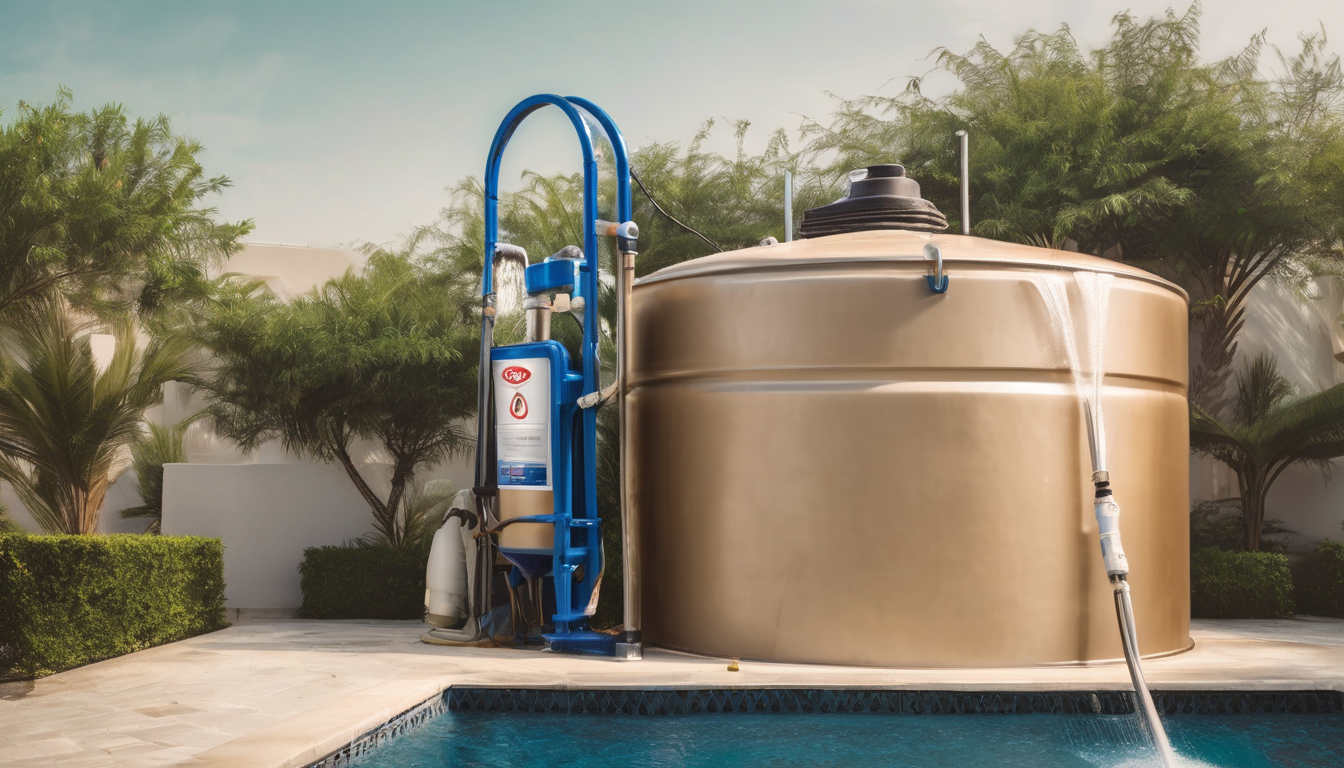
Featured image for: Safe Chlorination Techniques For Water Tank Disinfection

For Water Tank: Safe Chlorination Techniques

— TITLE— Safe Chlorination Techniques for Water Tank Disinfection Guide for 12 Complete Results META— Safe chlorination techniques for water tank disinfection guide in UAE – learn how to keep your family’s water clean and hygienic. EXCERPT— Regular chlorination of

Read More »
Featured image for: How Often Should Residential Water Tanks Be Cleaned?

Water Tanks Be Cleaned: How Often Should Residential ?

— How Often Should Residential Water Tanks Be Cleaned? Guide for 5 Dangerous Results Table of Contents Understanding How Often Should Residential Water Tanks Be Cleaned? Preventing Algae Growth in Water Storage Tanks Safe Chlorination Techniques for Water Tank Disinfection

Read More »
Featured image for: How Long Can A Water Storage Tank Last?

How Long Can A Water Storage Tank Last?

Understanding How Long Can A Water Storage tank Last is essential. — How Long Can a Water Storage Tank Last? Guide for 11 Ultimate Results Table of Contents Introduction to Water Storage Tank Lifespan Understanding How Long Can a Water

Read More »
post-header


<br /> <a href="https://saniservice.com/" target="_blank" rel="noopener noreferrer">How Often Should</a> Residential Water Tanks Be Cleaned? Guide for 5 Dangerous Results<br />

Understanding How Often Should Residential Water Tanks Be Cleaned?

Residential water tanks play a crucial role in ensuring the safety and quality of your family’s drinking water. However, like any system, they require regular maintenance to prevent contamination, reduce sediment buildup, and maintain hygiene standards.


<br /> How Often Should Residential Water Tanks Be Cleaned? Guide for 5 Dangerous Results<br />

Understanding How Often Should Residential Water Tanks Be Cleaned?

Residential water tanks play a crucial role in ensuring the safety and quality of your family’s drinking water. However, like any system, they require regular maintenance to prevent contamination, reduce sediment buildup, and maintain hygiene standards.

The recommended frequency for residential water tank cleaning varies depending on factors such as tank type, location, and usage. Generally, overhead tanks need more frequent cleaning than underground ones due to higher exposure to pollutants and contaminants. A typical maintenance schedule includes an initial deep clean followed by regular inspections.

Preventing Algae Growth in Water Storage Tanks

Algae can significantly impact the quality of your drinking water, leading to unpleasant tastes and odors. Here are some preventive measures to keep algae at bay:

  • Maintain proper ventilation. Ensure that vents are clean and free from debris to prevent moisture build-up, which promotes algae growth.
  • Use UV lights. Installing ultraviolet (UV) sterilizers can help kill microorganisms, including algae spores, preventing their proliferation.
  • Regular cleaning. Clean the tank and its components at least once a year to remove organic matter that serves as food for algae.

Safe Chlorination Techniques for Water Tank Disinfection

Chlorination is an effective method for disinfecting water tanks, but it must be done safely and correctly. Follow these steps to ensure proper chlorination:

  • Determine the correct dosage. Consult with a certified expert to determine the appropriate amount of chlorine based on your tank size and volume.
  • Add slowly and evenly. Pour the chlorine solution into different parts of the tank, allowing it to mix thoroughly over time.
  • Avoid cross-contamination. Use separate equipment for mixing and transferring chlorinated water to prevent contamination from other sources.

Impact of High Heat on Water Tank Lifespan and Maintenance

In Dubai, the high temperatures can accelerate corrosion in metal tanks or degrade plastic components. To mitigate these effects:

  • Insulate appropriately. Use appropriate insulation materials to reduce heat transfer into the tank.
  • Clean and maintain regularly. Higher temperatures can increase sedimentation rates, so regular cleaning is more critical in hot climates.

Signs Your Residential Water Tank Needs Cleaning

Recognizing the signs that your water tank needs a thorough clean can help maintain its functionality and hygiene. Look out for these indicators:

  • Visible sediment or discoloration.
  • Unpleasant taste or smell in drinking water.
  • Decreased water pressure.
  • Foul odor from the tap after running the cold water for a while.

Expert Tips for Residential Water Tanks Cleaning

To ensure thorough and effective cleaning, follow these expert tips:

  • Use approved chemicals. Only use Dubai Municipality-approved cleaning agents to avoid damage or contamination.
  • Inspect thoroughly. During the inspection phase, look for cracks, leaks, or structural issues that may need addressing.
  • Rinse and refill carefully. Ensure all residual chemicals are flushed out before refilling with fresh water.

Frequently Asked Questions About Water Tank Cleaning

Have more questions about how often to clean your residential water tank? Here are some answers:

Q: How often should I have my residential water tanks cleaned?
A: It is recommended to have them cleaned at least once a year, with occasional inspections in between.

Q: Can I clean the tank myself or should I hire professionals?
A: If you are not experienced, it’s advisable to hire professional water tank cleaning services to ensure safety and compliance with regulations.

This relates directly to How Often Should Residential Water Tanks Be Cleaned.

Q: How long does a typical water storage tank last before needing replacement?
A: With proper maintenance, a residential water tank can last between 10-20 years. Regular cleaning extends its lifespan significantly.

Conclusion: Why Regular Cleaning Is Vital

Regularly cleaning your residential water tanks is essential for maintaining the safety and quality of drinking water. By following this guide, you can ensure that your family enjoys clean, fresh water every day while complying with health and safety regulations.

<br /> How Often Should Residential Water Tanks Be Cleaned? Guide for 5 Dangerous Results<br />

Understanding How Often Should Residential Water Tanks Be Cleaned?

Residential water tanks play a crucial role in ensuring the safety and quality of your family’s drinking water. However, like any system, they require regular maintenance to prevent contamination, reduce sediment buildup, and maintain hygiene standards.

The recommended frequency for residential water tank cleaning varies depending on factors such as tank type, location, and usage. Generally, overhead tanks need more frequent cleaning than underground ones due to higher exposure to pollutants and contaminants. A typical maintenance schedule includes an initial deep clean followed by regular inspections.

Preventing Algae Growth in Water Storage Tanks

Algae can significantly impact the quality of your drinking water, leading to unpleasant tastes and odors. Here are some preventive measures to keep algae at bay:

  • Maintain proper ventilation. Ensure that vents are clean and free from debris to prevent moisture build-up, which promotes algae growth.
  • Use UV lights. Installing ultraviolet (UV) sterilizers can help kill microorganisms, including algae spores, preventing their proliferation.
  • Regular cleaning. Clean the tank and its components at least once a year to remove organic matter that serves as food for algae.

Safe Chlorination Techniques for Water Tank Disinfection

Chlorination is an effective method for disinfecting water tanks, but it must be done safely and correctly. Follow these steps to ensure proper chlorination:

  • Determine the correct dosage. Consult with a certified expert to determine the appropriate amount of chlorine based on your tank size and volume.
  • Add slowly and evenly. Pour the chlorine solution into different parts of the tank, allowing it to mix thoroughly over time.
  • Avoid cross-contamination. Use separate equipment for mixing and transferring chlorinated water to prevent contamination from other sources.

Impact of High Heat on Water Tank Lifespan and Maintenance

In Dubai, the high temperatures can accelerate corrosion in metal tanks or degrade plastic components. To mitigate these effects:

  • Insulate appropriately. Use appropriate insulation materials to reduce heat transfer into the tank.
  • Clean and maintain regularly. Higher temperatures can increase sedimentation rates, so regular cleaning is more critical in hot climates.

Signs Your Residential Water Tank Needs Cleaning

Recognizing the signs that your water tank needs a thorough clean can help maintain its functionality and hygiene. Look out for these indicators:

  • Visible sediment or discoloration.
  • Unpleasant taste or smell in drinking water.
  • Decreased water pressure.
  • Foul odor from the tap after running the cold water for a while.

Expert Tips for Residential Water Tanks Cleaning

To ensure thorough and effective cleaning, follow these expert tips:

  • Use approved chemicals. Only use Dubai Municipality-approved cleaning agents to avoid damage or contamination.
  • Inspect thoroughly. During the inspection phase, look for cracks, leaks, or structural issues that may need addressing.
  • Rinse and refill carefully. Ensure all residual chemicals are flushed out before refilling with fresh water.

Frequently Asked Questions About Water Tank Cleaning

Have more questions about how often to clean your residential water tank? Here are some answers:

Q: How often should I have my residential water tanks cleaned?
A: It is recommended to have them cleaned at least once a year, with occasional inspections in between.

Q: Can I clean the tank myself or should I hire professionals?
A: If you are not experienced, it’s advisable to hire professional water tank cleaning services to ensure safety and compliance with regulations.

When considering How Often Should Residential Water Tanks Be Cleaned, this becomes clear.

Q: How long does a typical water storage tank last before needing replacement?
A: With proper maintenance, a residential water tank can last between 10-20 years. Regular cleaning extends its lifespan significantly.

Conclusion: Why Regular Cleaning Is Vital

Regularly cleaning your residential water tanks is essential for maintaining the safety and quality of drinking water. By following this guide, you can ensure that your family enjoys clean, fresh water every day while complying with health and safety regulations.


tags:
– Water tank cleaning
– Residential water storage
– Algae prevention
– Chlorination techniques
– High heat impact

alt_text:
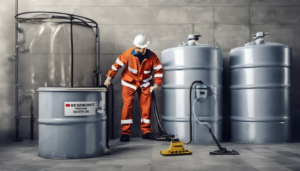
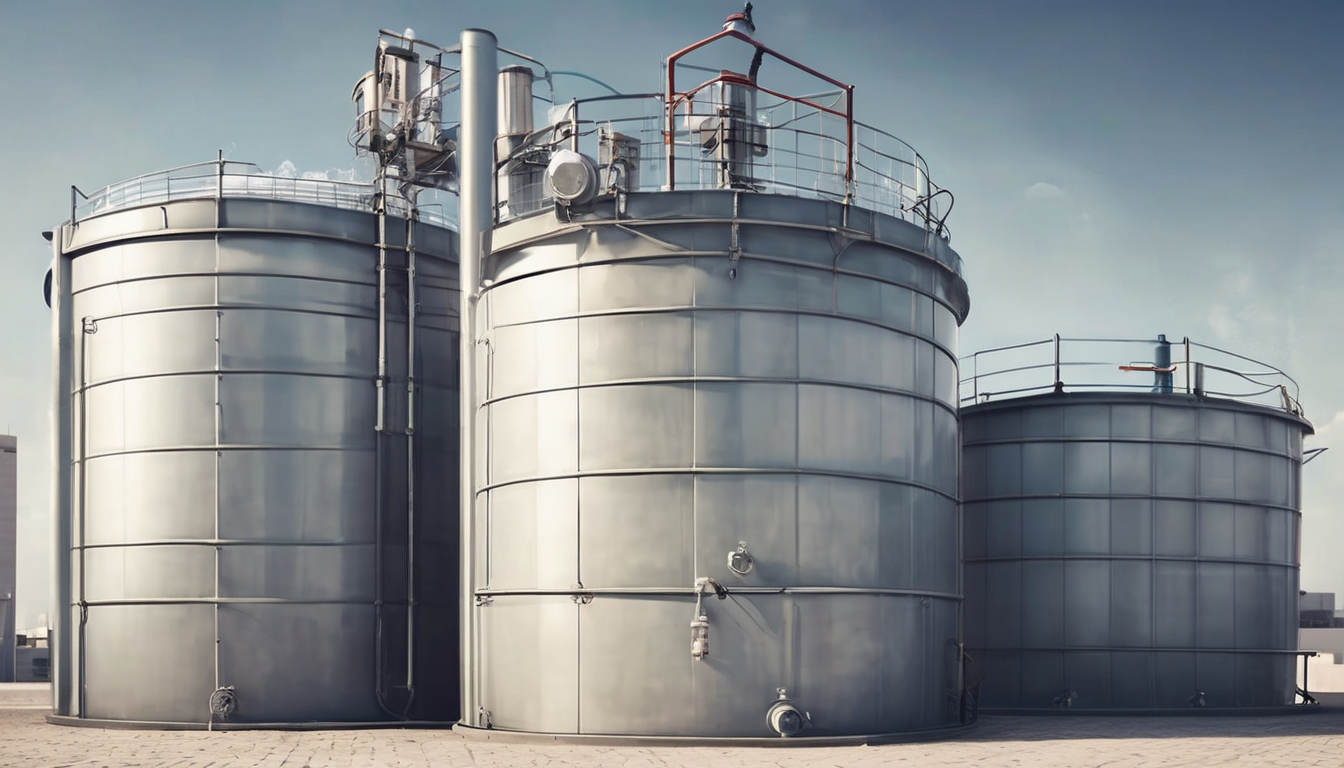
“how-often-should-residential-water-tanks-be-cleaned – A technician in protective gear, cleaning a residential water storage tank.” Understanding How Often Should Residential Water Tanks Be Cleaned is key to success in this area.

Previous post
Next post
Related Posts
Leave a Reply

Your email address will not be published. Required fields are marked *