



Understanding Proper Rinsing Methods After Water Tank Cleaning And is essential. —
Understanding Proper Rinsing Methods After Water Tank Cleaning and Their Importance
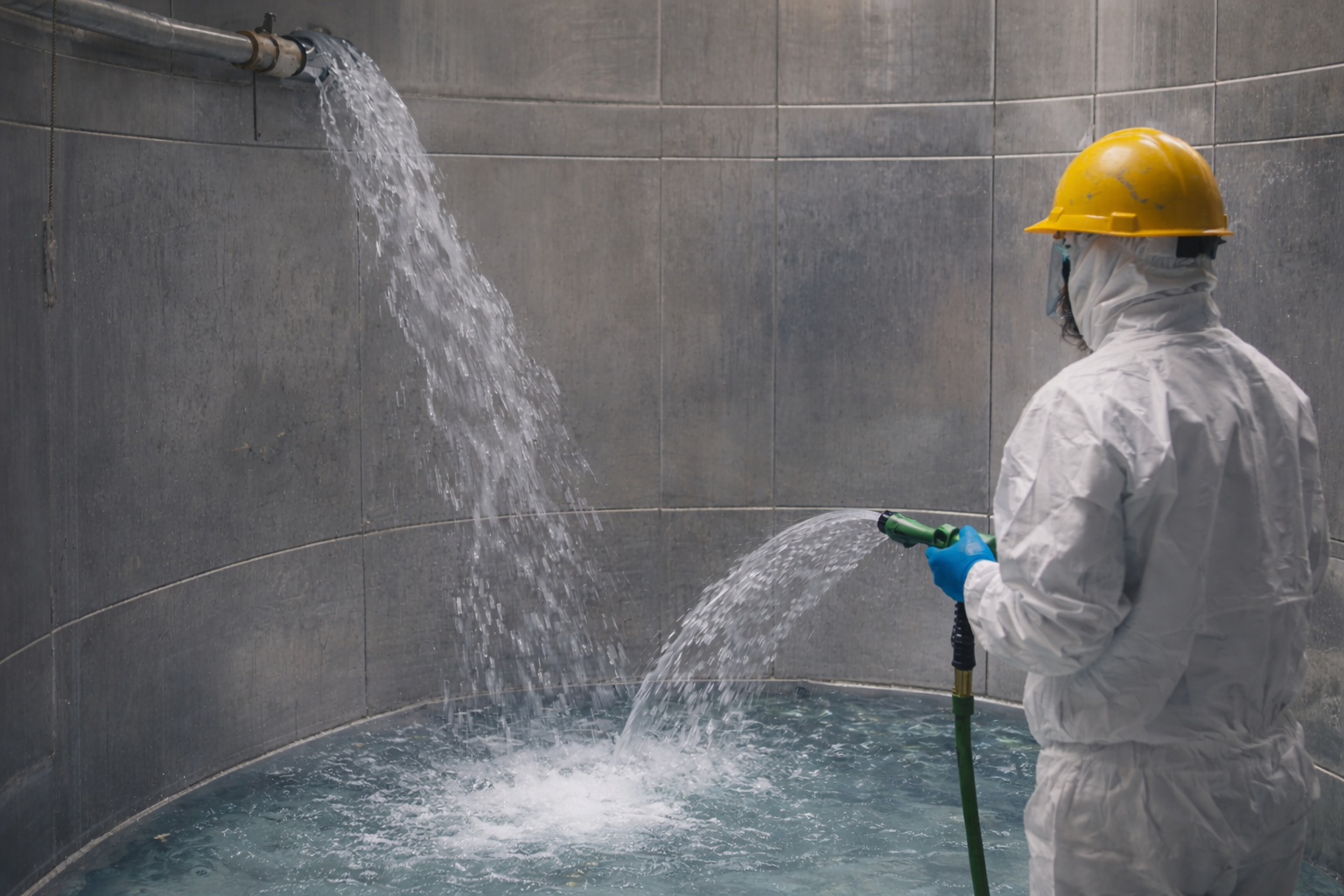
Proper rinsing methods after water tank cleaning are crucial for ensuring the safety of your drinking water. The process involves thoroughly flushing the tank to remove any residues, chemicals, or bacteria that may have been left behind during the cleaning procedure. This step is essential as it prevents contamination and maintains the hygiene standards of your water storage system.
Proper rinsing methods after water tank cleaning are crucial for ensuring the safety of your drinking water. The process involves thoroughly flushing the tank to remove any residues, chemicals, or bacteria that may have been left behind during the cleaning procedure. This step is essential as it prevents contamination and maintains the hygiene standards of your water storage system.
Proper Rinsing Methods After Water Tank Cleaning And – Comparing Rinsing Methods During and After Cleaning
During the cleaning process, the focus is on mechanical removal of sediments, algae, and biofilm. However, proper rinsing after cleaning ensures that these residues are completely flushed out, leaving your water tank clean and hygienic for storage.
Rinsing During Cleaning
During the cleaning process, it’s common to use a combination of mechanical brushing and pressure washing. These methods help loosen and remove debris from the walls and surfaces of the tank. However, rinsing during this stage is often not thorough enough to completely flush out all residues.
Rinsing After Cleaning
After cleaning, a comprehensive rinse is necessary to ensure that no chemicals or leftover dirt remain in the water tank. This process involves using clean water from an external source, such as mains water or potable water tanks, and flushing through all parts of the tank.
The choice between cold and hot water for rinsing after water tank cleaning depends on several factors including the type of contaminants present and the specific requirements of your water system. Both methods have their pros and cons.
Cold Water Rinsing
Pros:
- Cheaper than using hot water.
- Less energy-intensive, reducing utility costs.
- Effective for removing general residues and particulate matter.
Cons:
- May not be as effective in breaking down oils or organic matter.
- Potentially less effective at killing certain types of bacteria, especially in tanks with high contamination levels.
Hot Water Rinsing
Pros:
- More effective in breaking down oils and organic matter.
- Can kill certain bacteria, enhancing the disinfection process.
- Often faster and more efficient for thorough cleaning.
Cons:
- Higher energy costs due to heating water.
- Potentially less environmentally friendly compared to cold water rinsing.
Chlorine-Free Rinsing Methods
For those concerned about the presence of chlorine in their water, there are several chlorine-free rinsing methods that can be employed. These alternatives include using ozone or hydrogen peroxide to maintain water quality without adding harmful chemicals.
Ozone Rinsing
Pros:
- No residual chlorine in the water post-rinsing.
- Effective against bacteria and viruses.
- Environmentally friendly, as ozone is a natural gas that breaks down into oxygen.
Cons:
- More expensive than traditional chlorination methods.
- Requires specialized equipment for generation and distribution of ozone.
Hydrogen Peroxide Rinsing
Pros:
- No residual chemicals in the water after rinsing.
- Effective against biofilm and certain bacteria.
- Can be used as a pre-rinse before chlorination for enhanced disinfection.
Cons:
- Potentially more expensive than traditional methods.
- Necessitates the use of specific equipment and handling procedures.
Chemical-Based Rinsing Procedures
For tanks that require a thorough disinfection, chemical-based rinsing is often employed. These methods involve using approved chemicals to clean the tank more effectively than water alone can achieve.
Common Chemicals Used in Rinsing
Chlorine Dioxide:
- Effective against a wide range of pathogens, including bacteria and viruses.
- Leaves no residual chemicals in the water after rinsing.
Potassium Permanganate:
- Excellent for oxidizing organic matter and reducing iron and manganese levels.
- Does not leave any harmful residues but can be corrosive to some surfaces.
Recommended Rinsing Timing and Frequency
The timing and frequency of rinsing after water tank cleaning depend on several factors, including the type of cleaning performed, the presence of contaminants, and local regulations. Here are some general guidelines:
Routine Rinsing
- Following every scheduled cleaning session.
- After any maintenance or repair work that may have disturbed the tank’s contents.
Post-Disinfection Rinsing
- Afeter using chlorination, ozone, or other disinfectants to ensure all chemicals are removed.
- Especially important if the water has a strong taste or odor after disinfection.
Expert Tips for Rinsing Water Tanks
To achieve the best results, consider these expert tips:
- Use High-Quality Water: Ensure that the water used for rinsing is clean and free of contaminants.
- Monitor pH Levels: Use a pH meter to ensure the water’s pH level is neutral before and after rinsing.
- Inspection After Rinsing: Conduct visual inspections to check for any remaining residues or contamination.
- Document Rinsing Procedures: Keep detailed records of all rinsing activities, including the methods used and results observed.
Frequently Asked Questions About Rinsing
Here are some common questions about proper rinsing methods after water tank cleaning:
- Q: How long should I rinse the water tank?
- A: The duration of rinsing can vary, but it is generally recommended to run the water for at least 24 hours to ensure all residues are removed.
Q: Can I reuse the water used for rinsing?
A: It’s not advisable to use rinse water that may contain chemicals or contaminants. Dispose of it properly and start with fresh, clean water.
Q: What if my water still tastes bad after rinsing?
A: If the taste persists, you may need to re-rinse or consider additional disinfection methods before using the tank for drinking water.
Conclusion
Proper rinsing methods after water tank cleaning are vital for maintaining the hygiene and safety of your stored water. By understanding the differences between cold and hot water rinses, chlorine-free options, and chemical-based procedures, you can choose the most suitable method for your specific needs. Regular inspections and thorough documentation will help ensure that your water storage system remains clean and safe.