




Introduction
Understanding Protecting Private Terrace Water Supplies From Contamination is essential. As a homeowner in Dubai, Abu Dhabi, or Sharjah, protecting private terrace water supplies from contamination is crucial for maintaining hygiene and ensuring safety. Private terraces often serve as an extension of living space where outdoor activities take place. Ensuring that the water used for drinking, cooking, and other daily activities remains clean and free from contaminants can prevent health issues and guarantee peace of mind.
Table of Contents
- Understanding Protecting Private Terrace Water Supplies from Contamination
- Common Contaminants on Private Terraces
- Regular Cleaning Schedules for Private Terraces
- Disinfection Procedures to Ensure Hygiene
- Prevention Strategies to Avoid Contamination
- Maintenance and Inspection of Private Terrace Tanks
- Expert Tips for Homeowners
- Frequently Asked Questions
- Conclusion
Understanding Protecting Private Terrace Water Supplies from Contamination
Private terrace water supplies are not as straightforward as those in centralized systems. When considering how to protect water supplies from contamination, they can be prone to contamination due to various factors such as dust, algae growth, and biofilm formation. Regular cleaning and disinfection are essential steps in maintaining the safety of your water supply.
Contamination Risks:
- Algae growth – Can thrive in warm, humid environments like private terraces, leading to production of harmful compounds that affect water quality
- Biofilm formation – Communities of microorganisms that adhere to surfaces, harboring pathogens and reducing water cleanliness
- Contaminants from surrounding areas – Leaves, insects, and other debris can fall into tanks, introducing unwanted particles
Common Contaminants on Private Terraces
The private terrace environment poses unique challenges when protecting water supplies from contamination. Common contaminants include:
Primary Contaminants:
- Algae and Biofilm – Produce harmful compounds that affect taste, odor, and health
- Dust and Debris – Falling leaves, insects, and other particles introduce impurities
- Bacteria and Pathogens – Microorganisms that thrive in stagnant or poorly maintained tanks, posing significant health risks
- Airborne pollutants – Urban pollution and industrial emissions
- Animal contamination – Birds and rodents can introduce pathogens
Regular Cleaning Schedules for Private Terraces
To maintain the cleanliness and protect water supplies from contamination, establish a regular cleaning schedule:
Key Schedule Components:
- Frequency – Depending on usage and environmental conditions, tanks should be cleaned every three months or as needed
- Pre-Cleaning Inspection – Inspect tank for any visible signs of damage, leaks, or contamination before starting
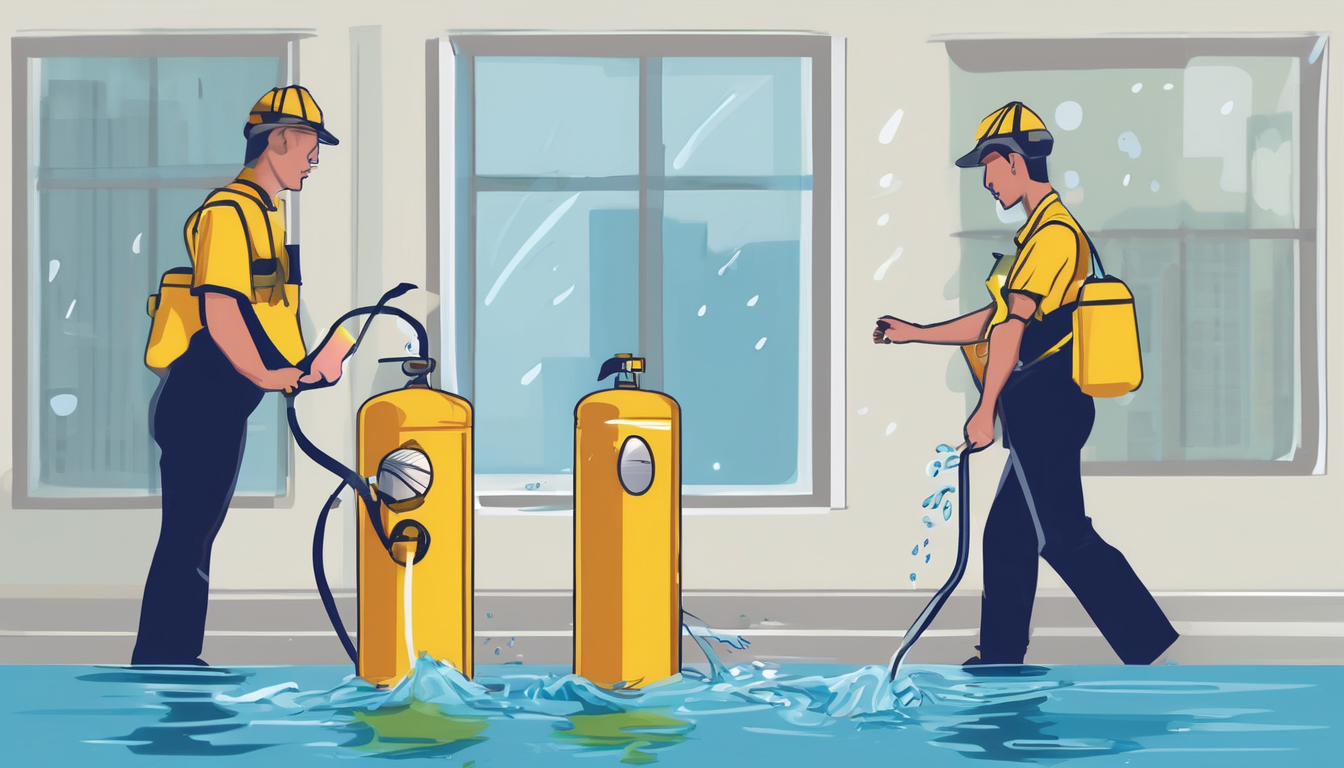
- Manual and Mechanical Cleaning – Use combination of manual scrubbing and mechanical tools to remove sediment, biofilm, and algae
- Seasonal adjustments – Increase frequency during high-risk seasons
Disinfection Procedures to Ensure Hygiene
A proper disinfection process is crucial for eliminating harmful microorganisms when safeguarding water supplies from contamination:
Disinfection Steps:
- Chemical Disinfection – Use Dubai Municipality-approved chemicals to chlorinate the tank, ensuring safe and clean environment
- Rinsing – After disinfection, thoroughly rinse tank with clean water to remove any residual chemicals
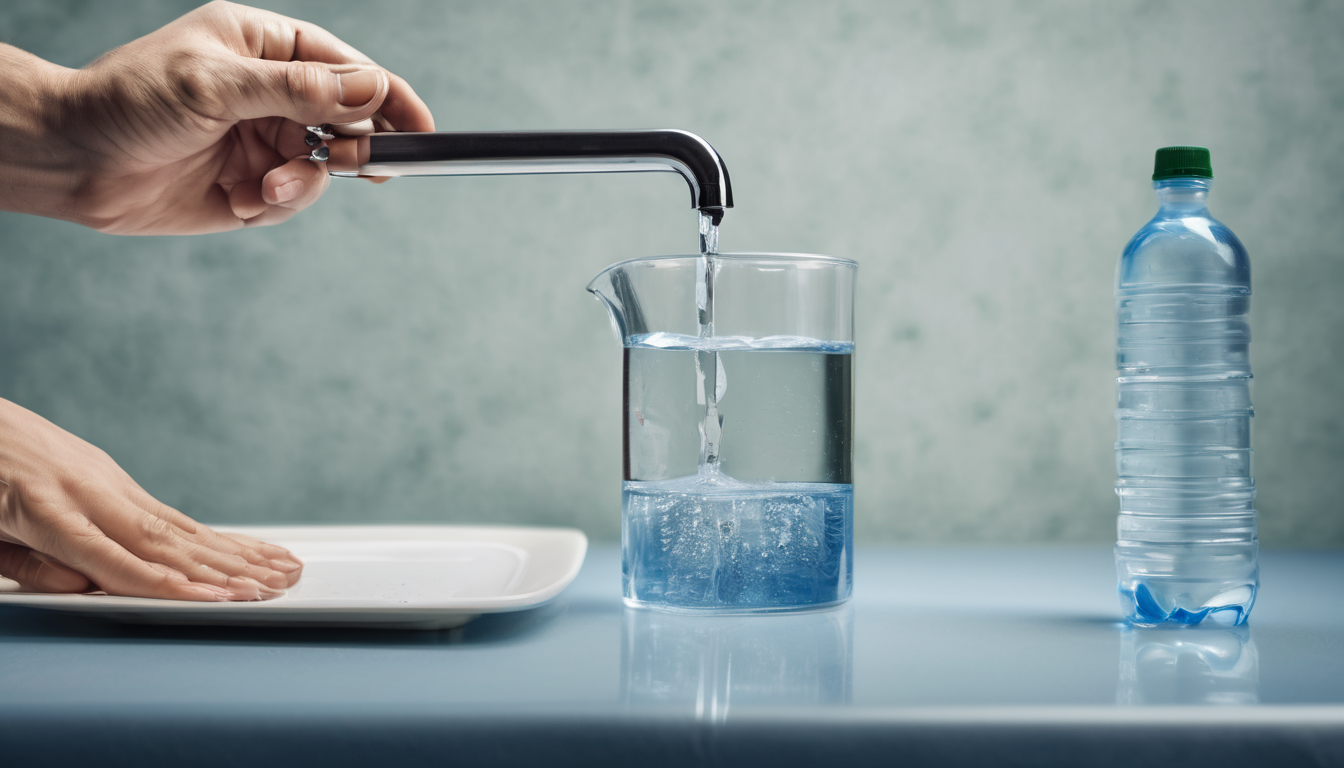
- Filling – Refill tank with fresh, potable water from reliable source
- Testing – Verify water quality meets safety standards
- Documentation – Record all disinfection activities
Prevention Strategies to Avoid Contamination
To minimize the risk and effectively protect water supplies from contamination on your private terrace, consider these prevention strategies:
Essential Prevention Measures:
- Proper Tank Design – Ensure tanks are designed with proper access points for cleaning and maintenance
- Sealing Gaps – Regularly check for any gaps or cracks in tank’s structure, sealing them to prevent leaks and contamination
- Covering Tanks – Use appropriate covers to protect tanks from debris and insects
- Proper drainage – Ensure water cannot pool around tanks
- Vegetation management – Keep plants trimmed away from tanks
Maintenance and Inspection of Private Terrace Tanks
Regular maintenance and inspection are key to ensuring the longevity and safety when you protect water supplies from contamination. Here’s what you should do:
Maintenance Protocol:
- Inspections – Conduct monthly visual inspections for any signs of damage or contamination
- Maintenance Logs – Maintain detailed logs of cleaning, disinfection, and maintenance activities to ensure compliance with local regulations
- Structural checks – Verify tank integrity regularly
- Equipment testing – Ensure all valves and connections function properly
- Professional assessments – Schedule annual professional evaluations
Expert Tips for Homeowners
To keep private terrace water supplies protected and safeguard water supplies from contamination, follow these expert tips:
Professional Recommendations:
- Choose a Professional Service – Opt for certified professionals who adhere to Dubai Municipality guidelines
- Regular Maintenance – Establish regular maintenance schedule to prevent contamination before it happens
- Quality Chemicals – Use only Dubai Municipality-approved chemicals to ensure safe and effective disinfection
- Monitor Water Quality – Install testing equipment to track water parameters
- Proper Ventilation – Ensure tanks have adequate ventilation to prevent moisture buildup
- Emergency Protocols – Establish procedures for contamination incidents
- Staff Training – If applicable, train maintenance staff on proper procedures
- Record Keeping – Maintain comprehensive documentation of all activities
- Seasonal Preparations – Adjust maintenance based on weather conditions
- Source Protection – Ensure water source reliability and quality
- Community Awareness – Share best practices with neighbors to promote collective water safety
Frequently Asked Questions
Q: How often should I clean my private terrace water tank? A: It is recommended to clean the tank every three months or as needed when working to protect water supplies from contamination, depending on usage and environmental factors.
Q: Can I clean the tank myself, or do I need a professional? A: While you can perform basic cleaning tasks, it’s advisable to hire certified professionals for thorough disinfection and maintenance to properly protect water supplies from contamination.
Q: What signs indicate that my private terrace water supply is contaminated? A: Signs include a foul smell, discolored or cloudy water, and visible debris. Regular inspections can help identify these issues early when monitoring water supplies from contamination risks.
Q: What chemicals are approved for water tank cleaning in Dubai? A: Only use chemicals approved by Dubai Municipality. Professional services will ensure compliance with local regulations when protecting water supplies from contamination.
Q: How much does professional water tank cleaning cost? A: Costs typically range from AED 300-800 depending on tank size, location, and contamination level.
Q: What should I do if I discover contamination? A: Immediately stop using the water, contact professional cleaning services, and have the water tested before resuming use to properly protect water supplies from contamination.
Conclusion
Protecting your private terrace water supplies from contamination is essential for maintaining hygiene and ensuring the safety of your family. By following a regular cleaning schedule, using proper disinfection techniques, and implementing prevention strategies, you can safeguard your water quality and effectively protect water supplies from contamination.
Remember to consult with certified professionals to ensure compliance with local regulations. The investment in regular maintenance and professional services pays dividends in health protection, peace of mind, and long-term cost savings.
Understanding Protecting Private Terrace Water Supplies From Contamination is key to success in this area. Don’t compromise on water safety – implement comprehensive protection strategies today to ensure clean, safe water for your household.